How to Grind Cast Iron: Using Carbide Burrs for Smoothing and Shaping
Removing casting flash and smoothing castings can eat up hours if you don’t have the right tools. Carbide burrs for cast iron cut faster and last longer, making reshaping cast iron and cleaning imperfections more manageable. In this post, you’ll learn which burr shapes and cutting techniques work best, along with dust control tips that protect your workspace. Whether you’re into engine rebuilding, machinery repair, or automotive restoration, this guide will sharpen your approach. For more information, check out this guide to effective carbide burr sharpening.

Do you need a longer reach for your die grinder?
Understanding Carbide Burrs
Carbide burrs are the cornerstone of efficient metalwork in various industries. Let’s dive into how they work and their benefits.
What Are Carbide Burrs?
Carbide burrs are small cutting tools used for grinding, shaping, and cutting hard materials. Made from tungsten carbide, these tools are highly durable, allowing you to tackle tough surfaces like cast iron with ease. The sharp edges of a burr swiftly shear off material, making it a valuable tool in any machinist’s arsenal. They attach to rotary tools, providing precision control during use.
Benefits of Carbide Burrs for Cast Iron
When working with cast iron, carbide burrs offer several advantages. First, they cut through material faster than traditional bits, saving you time on projects. Their durability means they maintain sharpness longer, reducing the frequency of replacements. Using burrs also results in smoother finishes, making them ideal for detailed work. The ability to handle high temperatures without losing efficiency makes them a favorite in automotive and industrial settings.
Choosing the Right Burr Shapes
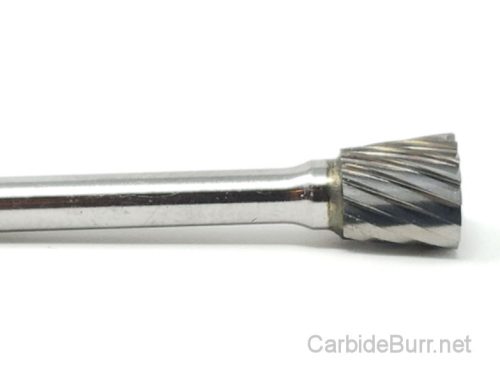
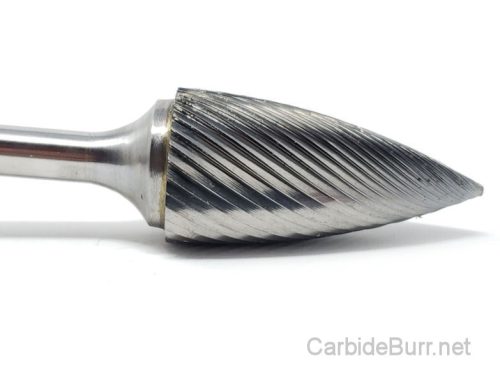
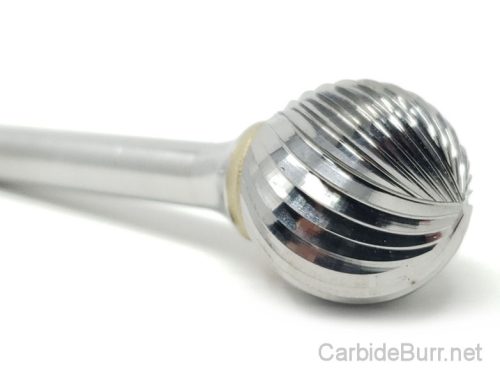
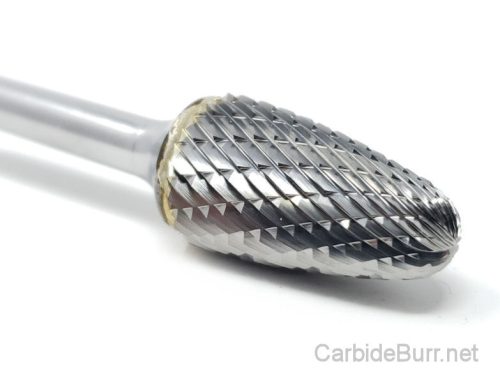
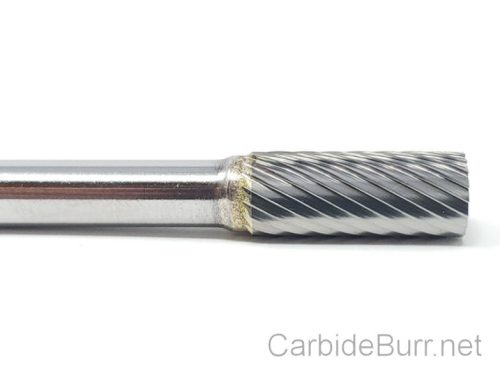
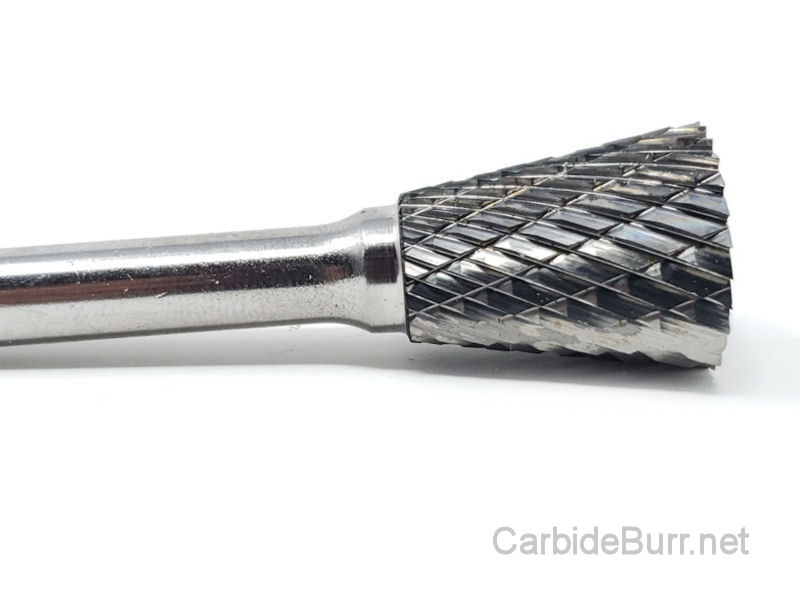
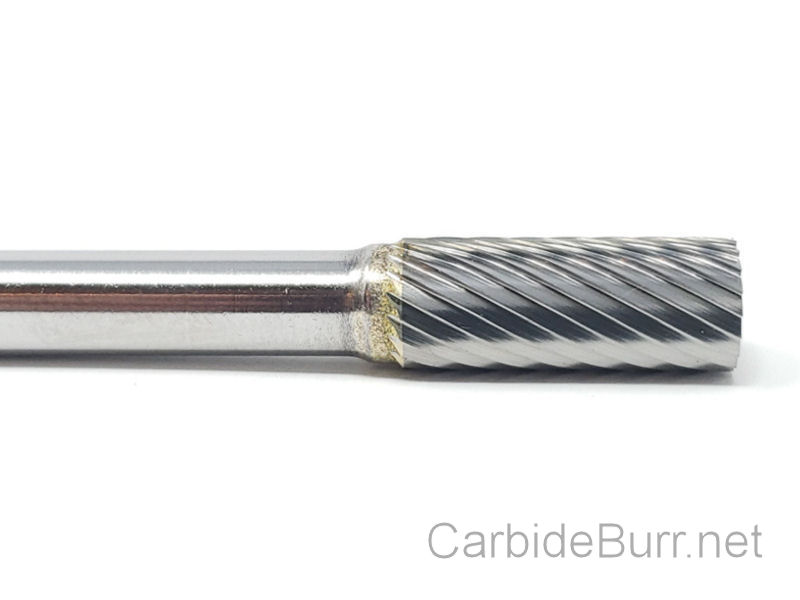
Selecting the correct burr shape is crucial for effective grinding. Common shapes include cylindrical, spherical, and flame-tipped burrs. Cylindrical burrs are perfect for flat surfaces, while spherical ones excel in creating concave cuts. Flame-tipped burrs are versatile, suited for detailed work in tight spaces. Choosing the right shape depends on your specific needs, ensuring optimal results every time. Explore the top burr shapes to determine which will work best for your projects.
Techniques for Effective Grinding
Mastering grinding techniques enhances your workflow and the quality of your work. Here’s how to handle various tasks efficiently.
Removing Casting Flash
Casting flash removal is an essential step in preparing cast iron parts. You can achieve this by using carbide burrs to trim excess material effortlessly. Begin by securing the workpiece firmly. Use a cylindrical burr for uniform areas and apply steady pressure, moving the tool in a controlled manner. This approach prevents gouging and ensures a clean finish. Patience is key, allowing the burr to work through the material gradually.
Smoothing Castings
Smoothing castings transforms rough surfaces into polished pieces. First, choose a suitable burr shape, like a spherical burr for rounded edges. Begin by lightly running the burr over the surface with gentle pressure. Consistent, overlapping passes help achieve even results. For intricate details, opt for a smaller burr to reach tight corners. Remember, a smooth finish is a result of consistent, even passes rather than aggressive grinding.
Reshaping Cast Iron Parts
Reshaping involves altering cast iron’s form to meet specific requirements. It’s essential to select the appropriate burr shape based on the part’s geometry. Spherical burrs work well for concave surfaces, while cylindrical burrs suit flat sections. Use light, sweeping motions to gradually remove material. Continue until the desired shape is achieved, ensuring precision by frequently checking your progress.
Ensuring Safety and Dust Control
Grinding cast iron generates debris, so safety and dust control are paramount.
Essential Dust Control Measures
Control dust effectively to maintain a clean workspace. Utilize vacuum systems or dust extractors to capture airborne particles immediately. Cover nearby surfaces with protective sheets to prevent contamination. Regularly clean your workspace to minimize dust buildup. For more advanced dust management techniques, refer to this guide.
Protective Gear and Equipment
Always wear protective gear to shield against flying debris and dust. Safety goggles protect your eyes, while dust masks or respirators prevent inhalation of harmful particles. Wear gloves to safeguard your hands from sharp edges. Ensure your workspace is well-ventilated to disperse dust particles effectively.
Real-World Applications
Carbide burrs are indispensable in various applications, from engines to industrial machinery.
Engine Rebuilding Techniques
In engine rebuilding, precision is vital. Carbide burrs help you clean engine parts, remove casting flash, and shape components accurately. Use cylindrical burrs for flat surfaces and spherical ones for curves and corners. Consistent pressure ensures smooth results. These tools are trusted by professionals for their reliability and efficiency.
Machinery Repair Insights
For machinery repair, carbide burrs provide versatility and precision. They allow you to grind and shape parts to exact specifications. Use them to remove rust and imperfections, ensuring machinery operates smoothly. The durability of carbide burrs means they withstand heavy use, making them ideal for frequent repairs.
Automotive Restoration Tips
In automotive restoration, appearance and performance are equally important. Carbide burrs help you achieve professional finishes on bodywork and engine components. Smoothing and reshaping are critical to restoring parts to their original condition. A careful, methodical approach yields the best results, preserving both form and function.
Enhancing Your Grinding Skills
Improving your grinding skills leads to better results and more efficient workflows.
Mastering Cutting Techniques
Mastering cutting techniques involves understanding material properties and tool behavior. Practice using different burr shapes and experiment with pressure and speed. Consistent practice refines your skills, leading to improved results over time. You can explore beginner cutting techniques to enhance your abilities.
Tackling Industrial Castings
Industrial castings require robust tools and techniques. Carbide burrs offer the strength needed for heavy-duty applications. Use them for removing casting imperfections and reshaping parts. Select burr shapes based on the task, ensuring efficient material removal and a smooth finish. Patience and precision are your best allies in tackling these challenging projects.
Cleaning Imperfections in Cast Iron
Cleaning imperfections enhances the appearance and performance of cast iron parts. Use carbide burrs to remove surface blemishes and smooth rough areas. A light touch prevents over-grinding and preserves the integrity of the material. Regular inspection ensures you maintain high-quality standards in every project.
Frequently Asked Questions
What are carbide burrs used for?
Carbide burrs are used for grinding, shaping, and cutting hard materials like cast iron. They are essential tools in industries like automotive restoration, machinery repair, and engine rebuilding.
How do I choose the right burr shape?
Choosing the right burr shape depends on your specific task. Cylindrical burrs are great for flat surfaces, spherical burrs work well for concave cuts, and flame-tipped burrs are ideal for detailed work.
How can I ensure safety while using carbide burrs?
Ensure safety by wearing protective gear, such as goggles and masks, to shield against debris and dust. Use dust control measures like vacuum systems to maintain a clean workspace.
What are the benefits of using carbide burrs in automotive restoration?
Carbide burrs provide precision and durability, essential for achieving smooth finishes on automotive components. They help restore parts to their original condition, enhancing both form and function.
What cutting techniques should beginners learn first?
Beginners should focus on mastering pressure control and selecting the right burr shape for each task. Consistent practice with different materials will improve your cutting techniques over time.

Follow Us On Social Media for Special Offers
Facebook – Twitter – Instagram – Youtube
Carbide Burrs on 1/4″ Shanks – Solid Carbide Burrs – 1/4″ Carbide Burrs on 1/8″ Shanks – Long Shank Carbide Burrs – NF Carbide Burrs – Carbide Burr Sets – End Mills – Accessories
Order Tracking – Dropship Carbide Burr Tools – Contact Us – Cut Options – Coupon Codes – Posts
(513) 899-2610
PO Box 197 – Morrow Ohio 45152