How Much Pressure Should You Apply With a Carbide Burr?
Most people think pushing harder with a carbide burr means faster results. That’s a quick way to dull your tool and wreck your project. Getting the right carbide burr pressure makes all the difference in clean cuts and longer tool life. Let’s break down how to control pressure based on your material, burr type, and the finish you want. For more insights, check out this guide to carbide burrs for beginners.
Understanding Carbide Burrs
Beginning to grasp the world of carbide burrs sets a solid foundation for excellent craftsmanship. Start with learning what they are and how they work.
What Are Carbide Burrs?
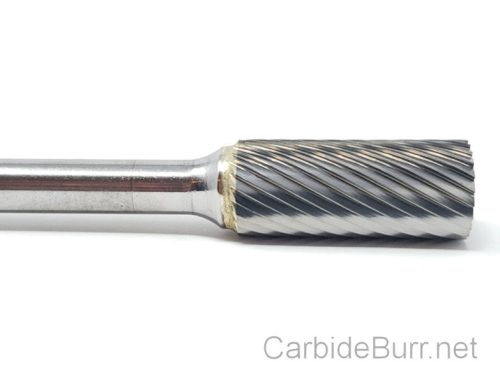
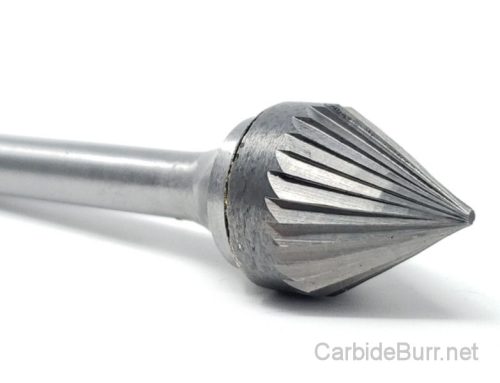
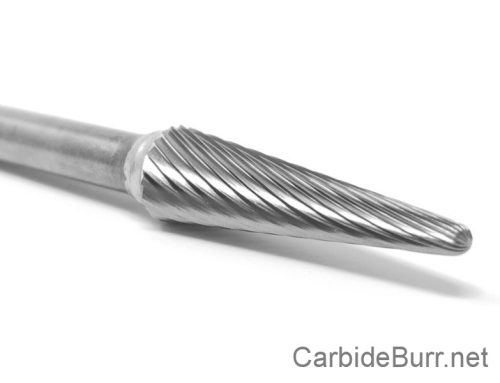
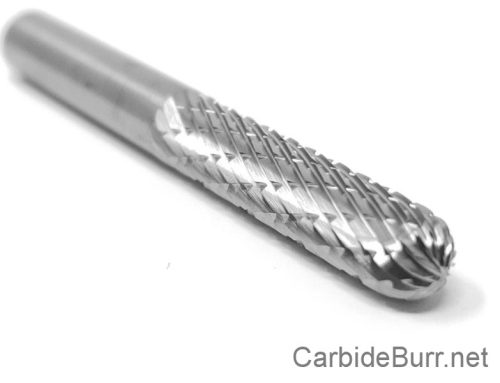
Carbide burrs are small, but mighty, tools that help you shape, carve, and cut materials like wood and metal. They rotate at high speeds, giving you precision and control. These tools are known for their durability and can tackle tough jobs without wearing out quickly. You might think you need to push hard to cut deep, but the secret is using the right burr and letting it do the work.
Types of Carbide Burrs
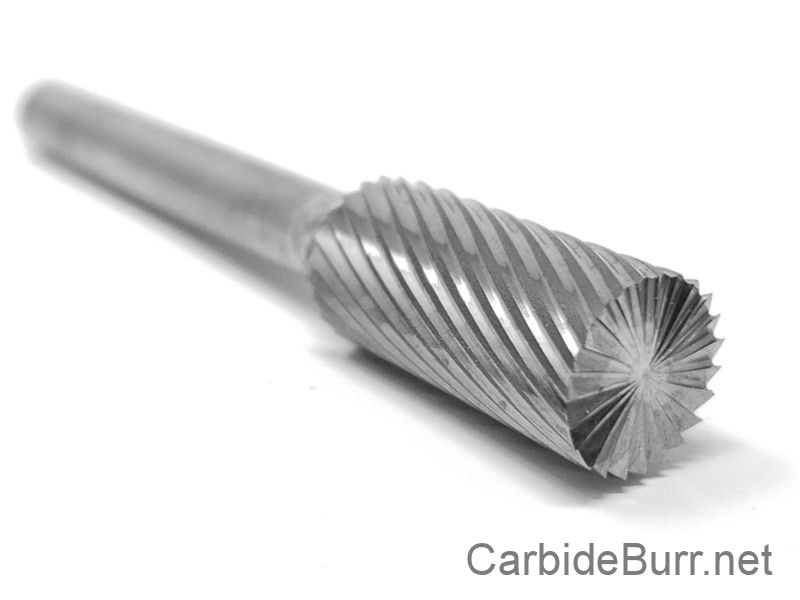
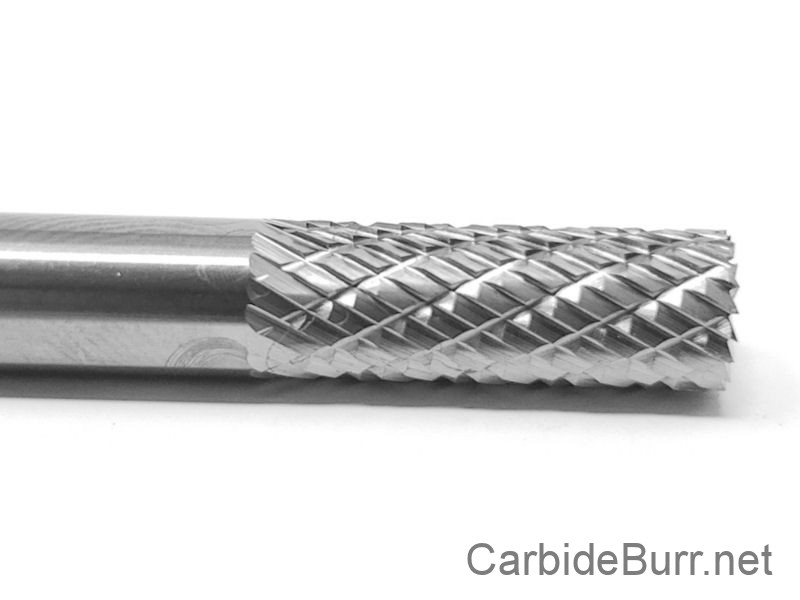
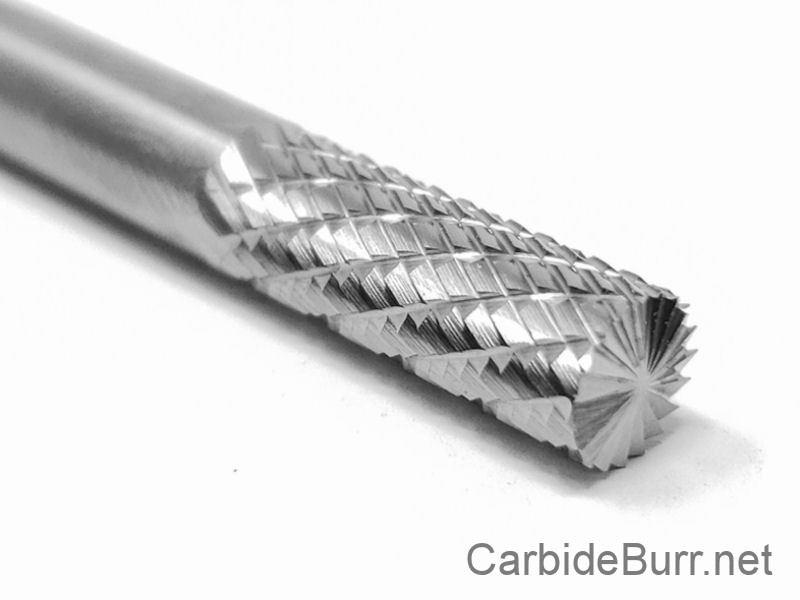
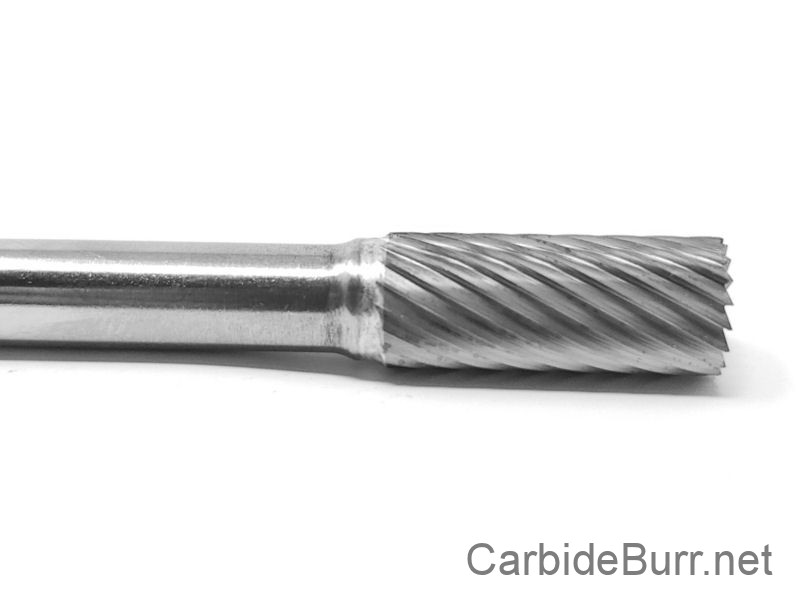
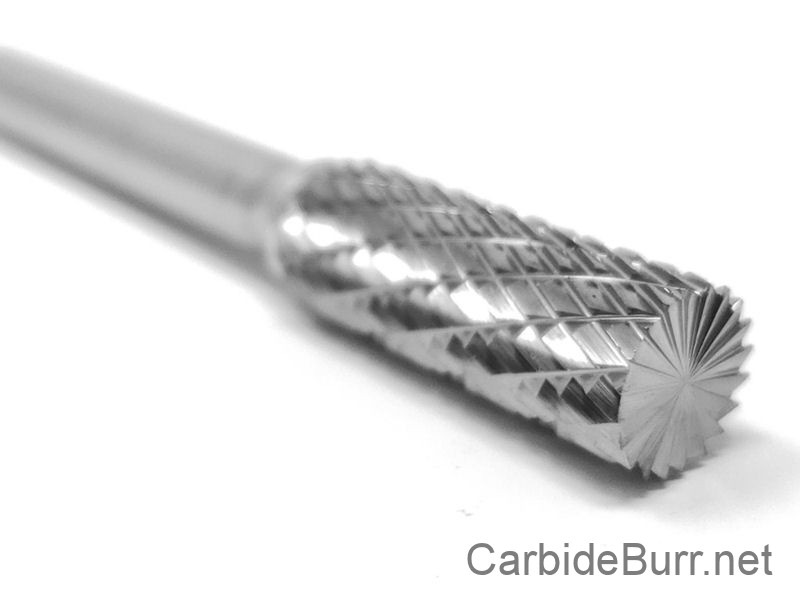
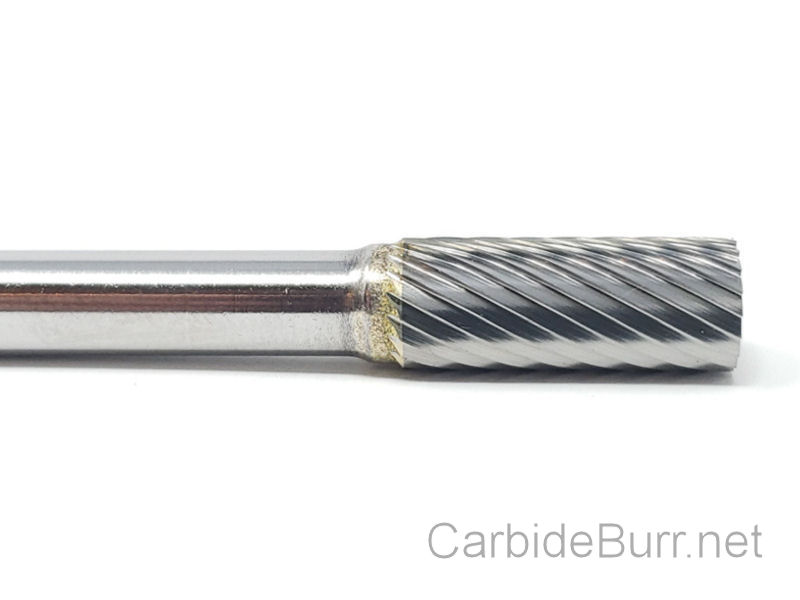
There are various types of carbide burrs, each tailored for specific tasks. You have single-cut burrs, which are great for slower, fine detail work. Double-cut burrs, on the other hand, remove material faster and leave a smoother finish. Choosing the right burr affects the outcome of your project. Using the wrong one can lead to rough finishes or damaged tools.
Applications in Different Materials
Carbide burrs are versatile. They work on metals, plastics, and wood. Each material reacts differently, so adjusting your technique is crucial. For instance, metal requires a steadier hand and a slower speed. In contrast, wood can handle more speed but needs a lighter touch to avoid burning or chipping. Mastering these adjustments leads to a polished end product.
The Importance of Pressure Control
Controlling pressure is vital for both the quality of your work and the lifespan of your tools. Let’s explore why it’s so important.
Effects on Tool Longevity
Applying the right pressure extends your tool’s life. Too much force can dull or break the burr quickly, costing you money and time. A gentle, consistent pressure maintains sharpness and efficiency. Keep this in mind: a light touch goes a long way. Your tools will thank you, and your wallet will too.
Impact on Work Quality
Your project’s quality hinges on pressure control. Heavy-handed techniques can lead to uneven surfaces and imprecise cuts. On the flip side, using minimal pressure ensures clean, accurate results that stand out. Remember, patience pays off. The right technique delivers the craftsmanship you’re aiming for.
Avoiding Common Mistakes
Mistakes happen, but understanding what to avoid can save you trouble. Pushing too hard is a common error that can ruin your workpiece and burr. Instead, practice a steady hand and let the tool do the cutting. Adjust your pressure based on the material and burr type to avoid mishaps. Learning from these mistakes will make you a more skilled craftsman.
Determining Optimal Pressure
Finding the perfect pressure requires considering various factors. Let’s delve into how to determine the right amount for your project.
Material Considerations
Different materials demand different pressures. Hard metals require a slower, more deliberate approach. Softer materials, like wood, can handle a faster pace but need a lighter touch. Experiment with your material to find the sweet spot. This practice makes perfect, ensuring your work is both efficient and effective.
Burr Shape and Size
The shape and size of your burr also play a role in pressure control. Smaller burrs need less pressure, focusing on detail work. Larger burrs might tempt you to push harder, but a light touch is still crucial. Match the burr size to your task and adjust your pressure to avoid damaging your tool or project.
Desired Outcome and Finish
Your desired finish is the final piece of the puzzle. A smooth, polished surface requires patience and minimal pressure. Conversely, rough textures may need a firmer hand but still require care. Knowing your end goal helps you apply the right pressure, making your vision a reality.
Mastering Burr Techniques
Once you understand the basics, it’s time to refine your technique. Here’s how you can improve your skills.
Adjusting Your Technique
As you gain experience, your technique should evolve. Start by observing seasoned craftsmen and mimicking their movements. Adjust your grip, speed, and pressure to match the material and task. With time, you’ll develop a style that suits your projects and enhances your results.
Tips for Beginners
For newcomers, start slow and practice often. Use scrap materials to experiment with different pressures and techniques. Pay attention to how the burr interacts with the material. Becoming familiar with your tools in a low-pressure setting builds confidence and skill.
Advanced Pressure Control
For those with more experience, explore advanced methods. Try varying your pressure within a single cut to achieve different textures. Experiment with speed and direction for unique finishes. Mastering these techniques sets your work apart and showcases your expertise.
Enhancing Your Skills
Improving your skills is a continuous journey. Here’s how you can build on your current capabilities.
Practicing Safe Techniques
Safety is paramount, especially with high-speed tools. Always wear protective gear and secure your materials. Keep your workspace clean and organized. Safe practices ensure you can focus on honing your skills without injury or accidents.
Adapting to Different Projects
Each project presents unique challenges. Adapt your approach by assessing each task individually. Consider the material, design, and desired outcome before starting. This flexibility enhances your work and prepares you for diverse projects.
Building Confidence Over Time
Confidence grows with experience. Celebrate small victories and learn from setbacks. Share your work with others and seek feedback. Over time, you’ll build a solid foundation of skills that boost your confidence and craftsmanship.
Frequently Asked Questions
What is the best pressure to use with a carbide burr?
The ideal pressure varies by material and burr type. Generally, a light and steady pressure works best. It’s important to let the tool do the work without applying excessive force.
How can I tell if I’m using too much pressure?
Signs of too much pressure include tool overheating, rough finishes, and rapid burr wear. If you notice these issues, lighten your touch to extend tool life and improve work quality.
Why does the type of material affect pressure control?
Different materials have varying densities and hardness levels, which affect how they respond to pressure. Adjusting pressure ensures optimal cutting and prevents damage to both the material and tool.
How often should I replace my carbide burrs?
Replace burrs when you notice reduced performance, such as slower cutting or increased vibration. Regular inspection helps you determine when a burr needs replacing to maintain quality.
Can beginners achieve professional results with carbide burrs?
Yes, beginners can achieve professional results by practicing regularly. Starting with simple projects, using the correct pressure, and learning from mistakes helps develop the necessary skills.

Follow Us On Social Media for Special Offers
Facebook – Twitter – Instagram – Youtube
Carbide Burrs on 1/4″ Shanks – Solid Carbide Burrs – 1/4″ Carbide Burrs on 1/8″ Shanks – Long Shank Carbide Burrs – NF Carbide Burrs – Carbide Burr Sets – End Mills – Accessories
Order Tracking – Dropship Carbide Burr Tools – Contact Us – Cut Options – Coupon Codes – Posts
(513) 899-2610
PO Box 197 – Morrow Ohio 45152