Carbide Burrs for Intake Manifold Porting: Step-by-Step Guide
Carbide burrs are the secret tool many overlook when working on intake manifold porting. If your engine’s airflow feels stuck, rough cuts or the wrong burrs might be holding you back. This guide breaks down every step, from choosing the right burr shapes to smoothing intake runners for better engine performance and airflow efficiency. You’ll get clear instructions and safety tips that help you tackle these automotive modifications with confidence. For more insights, check out this resource.
Introduction to Carbide Burrs
Carbide burrs are a game-changer when it comes to intake manifold porting. These tools help you achieve smoother airflow in your engine, which is crucial for performance.
Understanding Carbide Burrs
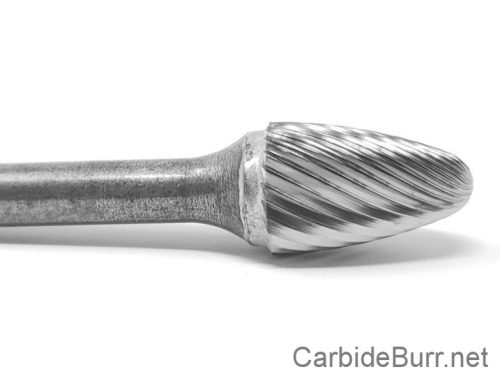
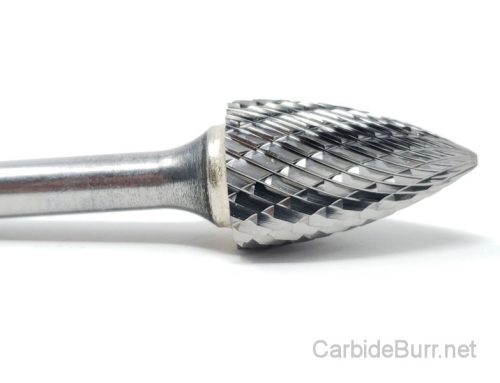
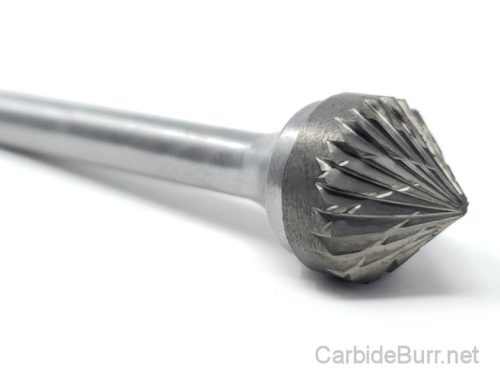
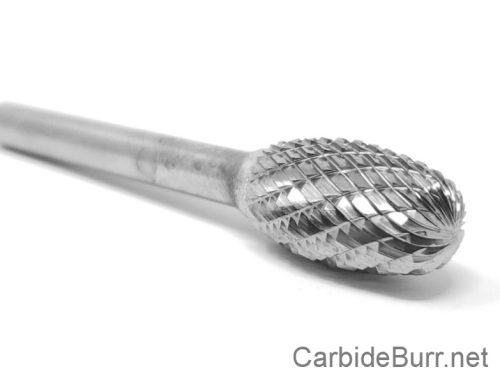
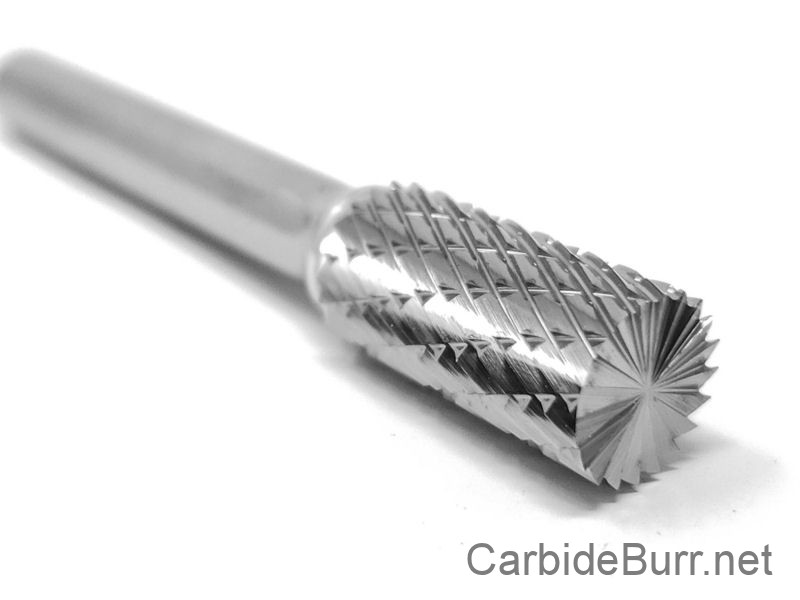
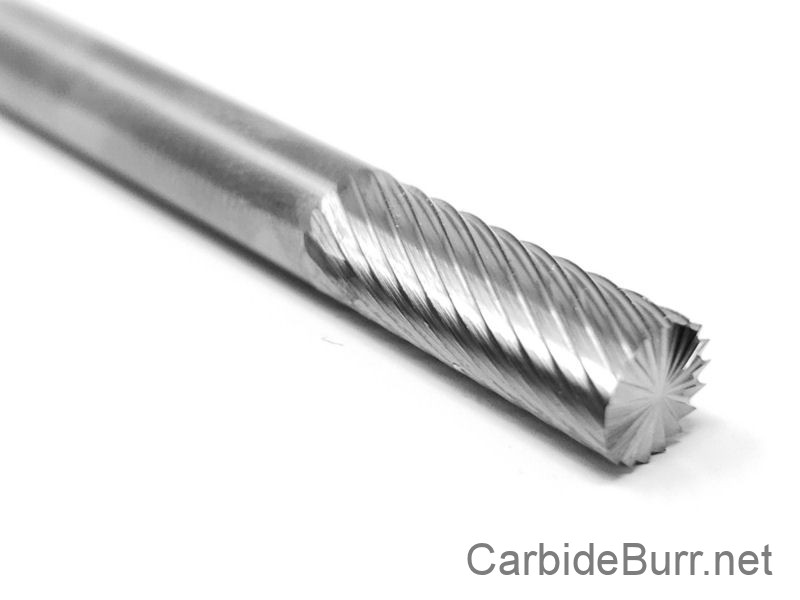
Carbide burrs are cutting tools used to shape, grind, and remove excess material. They are made from tungsten carbide, a material known for its hardness and durability. You can find them in various shapes and sizes, each designed for specific tasks. For beginners, a comprehensive guide on carbide burrs can offer valuable insights.
These tools are perfect for grinding down metal surfaces, especially in tight spaces where precision is key. Their efficiency in material removal makes them indispensable for automotive projects, particularly intake manifold porting. With the right burr, you can achieve a polished finish that enhances engine airflow.
Importance in Intake Manifold Porting
Intake manifold porting is all about improving airflow to your engine. A well-ported manifold can increase power and efficiency. This is where carbide burrs come into play. By using these tools, you can smooth out the rough edges inside the manifold, reducing turbulence and boosting performance.
Porting may seem daunting, but with carbide burrs, you have the precision needed to make effective modifications. The smoother the air flows, the better your engine performs. For advanced techniques, consider exploring port matching methods.
Selecting the Right Carbide Burrs
The right carbide burr can make all the difference in the success of your porting project. Your choice impacts not only the quality of the job but also the ease of the process.
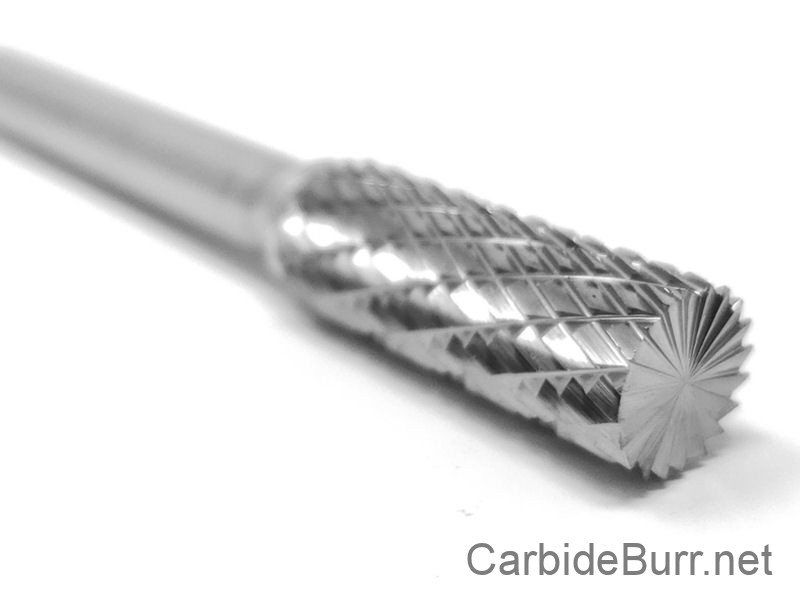
Choosing Shapes and Sizes
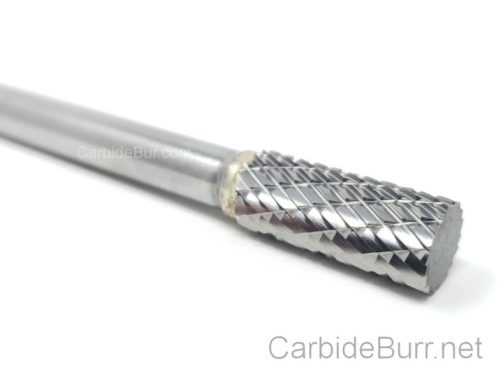
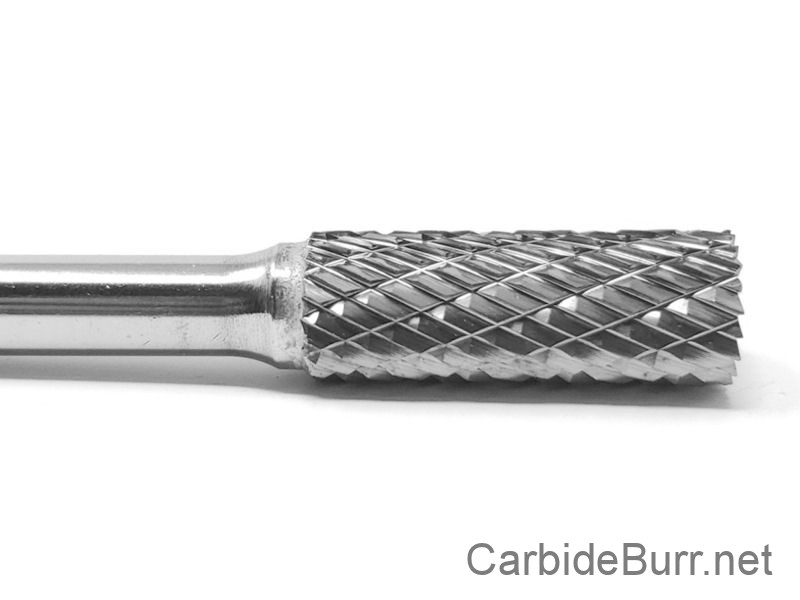
Selecting the right shape and size is crucial. Tapered shapes work well for tight corners, while cylindrical burrs are ideal for flat surfaces. Start with a smaller burr to make initial cuts, then switch to a larger one for smoothing.
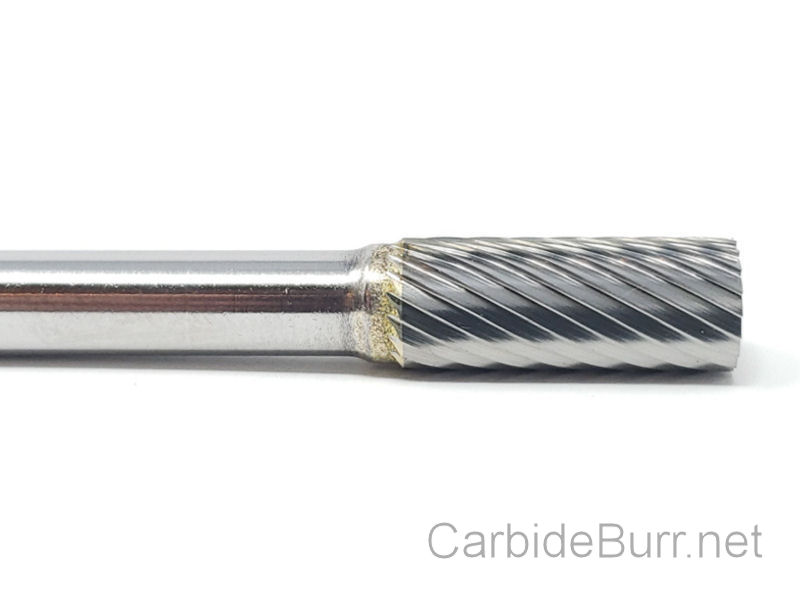
Consider the material of the manifold, too. For softer materials, use a burr with a coarser grit; for harder surfaces, a finer grit is better. This approach ensures you maintain control and precision throughout the process.
Factors Affecting Burr Selection
Several factors influence your burr selection, including the manifold material, the type of cut required, and the desired finish. Understanding these elements helps you pick the right tool for the job.
Think about the depth and diameter of the cuts needed. Longer burrs reach deeper areas, while shorter ones offer stability. Always match the burr to the specific task to avoid unnecessary wear on the tool and the manifold.
Step-by-Step Porting Process
Ready to get started on your porting project? Let’s walk through the essential steps for preparing and shaping your intake manifold.
Preparing the Manifold
-
Clean the Surface: Remove any dirt or debris from the manifold to ensure a clean workspace.
-
Secure the Manifold: Use a vise or clamps to hold it steady. This prevents movement during the porting process.
-
Mark the Areas: Outline the sections you intend to modify. This helps you stay on track and avoid over-porting.
Preparation sets the stage for a successful porting job. A well-prepared manifold is easier to work with and yields better results.
Shaping Intake Runners
Begin shaping by using a tapered burr for precision. Work slowly to remove material, focusing on maintaining a consistent shape. Avoid aggressive cuts, as they can lead to uneven surfaces.
Switch to a cylindrical burr for wider areas. This helps maintain uniformity and ensures smooth airflow through the runners. The goal is to create a path that allows air to move freely into the engine.
Smoothing Techniques for Airflow
Smoothing is the final step to enhance airflow efficiency. Use a fine-grit burr to polish the intake runners. This step minimizes turbulence and maximizes performance.
Take your time, and remember that the smoother the surface, the better the airflow. A polished finish can make a significant difference in your engine’s efficiency.

Safety and Maintenance Practices
Safety is paramount when working with carbide burrs. Proper maintenance also ensures your tools remain effective over time.
Essential Safety Practices
Always wear safety goggles and gloves. These protect your eyes and hands from flying debris and sharp edges. Keep your workspace well-lit and free of clutter to prevent accidents.
Use ear protection if the tools generate excessive noise. Ensure all safety equipment is in good condition before starting your project.
Maintaining Carbide Burrs
Clean your burrs after each use to remove metal shavings. Store them in a dry place to prevent rust. Regular maintenance extends the life of your tools and ensures they remain sharp and effective.
Check for signs of wear, such as dullness or chips. Replace any damaged burrs immediately to avoid compromising your work.
Enhancing Engine Performance
The benefits of using carbide burrs in manifold porting extend beyond just improved airflow.
Impact on Airflow Efficiency
By smoothing the intake manifold, you reduce airflow resistance. This leads to better combustion and, ultimately, increased horsepower. A well-ported manifold can make a noticeable difference in how your engine performs.
Remember, consistent air flow is key to engine efficiency. The smoother the flow, the more power your engine can produce.
Benefits of Automotive Modifications
Beyond performance, porting your intake manifold can increase the lifespan of your engine. Improved airflow results in less strain on the engine, reducing wear over time.
These modifications also offer a cost-effective way to boost your vehicle’s power without major overhauls. Plus, the skills you gain can lead to more advanced projects.
Frequently Asked Questions
What are carbide burrs used for?
Carbide burrs are used for shaping, grinding, and removing material from metal surfaces. They are essential tools in automotive projects like intake manifold porting, where precision is key.
How do I choose the right carbide burr?
Consider the shape and size needed for your specific task. Tapered burrs work well in tight spaces, while cylindrical burrs are better for flat surfaces. Match the burr to the manifold material for best results.
Why is smoothing important in porting?
Smoothing the intake manifold reduces turbulence and increases airflow efficiency. This leads to better engine performance and increased horsepower.
What safety gear should I use when porting?
Always wear safety goggles, gloves, and ear protection. These protect against debris and noise, ensuring a safe working environment.
How can I maintain my carbide burrs?
Clean them after each use, store in a dry place, and check for signs of wear. Regular maintenance keeps them sharp and prolongs their lifespan.
Follow Us On Social Media for Special Coupons
Facebook – Twitter – Instagram – Youtube
Carbide Burrs on 1/4″ Shanks – Solid Carbide Burrs – 1/4″ Carbide Burrs on 1/8″ Shanks – Long Shank Carbide Burrs – NF Carbide Burrs – Carbide Burr Sets – End Mills – Accessories
Order Tracking – Dropship Carbide Burr Tools – Contact Us – Cut Options – Coupon Codes – Posts
(513) 899-2610
PO Box 197 – Morrow Ohio 45152