
How to Hold a Die Grinder Correctly When Using Carbide Burrs
Most people think holding a die grinder is just about gripping it tight. That’s where many lose control and precision, especially with carbide burrs. Getting your proper grip and body positioning right changes everything. This guide will show you key die grinder techniques to improve tool control and avoid common pitfalls for safer, sharper results. Essential Tips for Using Carbide Burs in Die Grinders.
Understanding Die Grinder Techniques
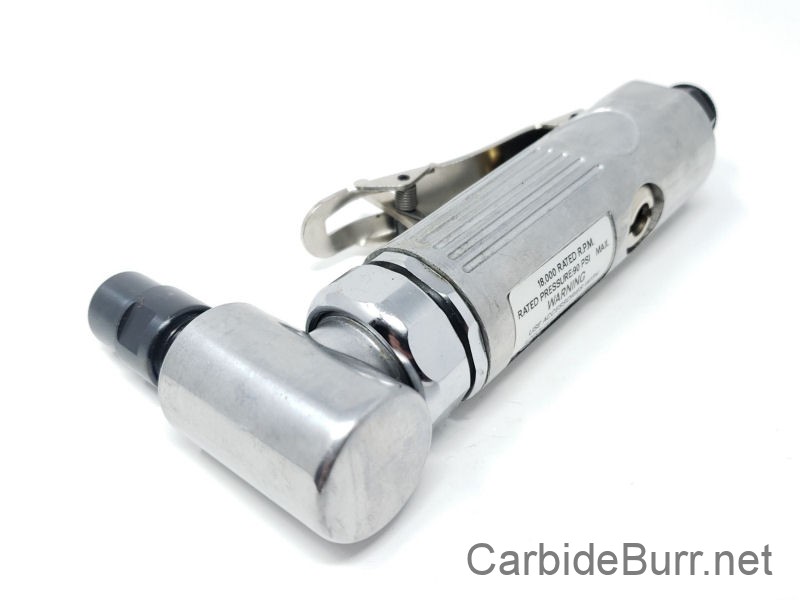
Grasping the fundamentals of die grinder techniques can significantly enhance your results. Let’s explore why the way you hold and operate the tool is crucial.
Importance of Proper Grip
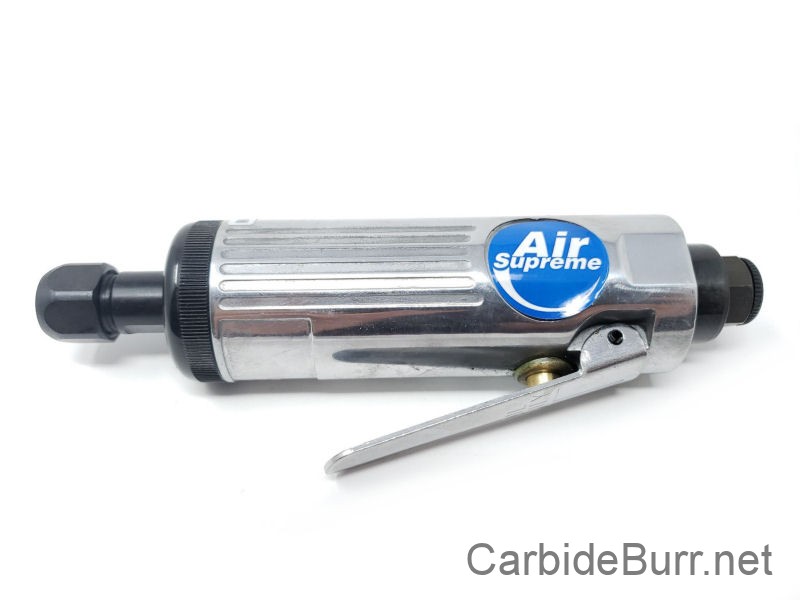
A firm grip on your die grinder is not just about holding on tight. It’s about balance. To achieve the best results, hold the grinder with both hands. Your dominant hand should control the tool, while the other guides it. This dual-handed grip improves precision and helps prevent accidents.
When using carbide burrs, ensure your grip allows you to move smoothly across the material. Avoid a rigid hold; instead, let your hands flow with the tool’s movement. This approach reduces fatigue and increases your control, making your work both safer and more effective.
Ensuring Tool Control and Stability
Tool control is at the heart of achieving superior results with a die grinder. Maintaining stability is key. Always brace your arms against your body or your workbench to steady your hands. This technique provides a solid base, ensuring that any vibrations from the tool do not disrupt your work.
Stability is especially vital when working with different materials. Each material can respond differently to the grinder’s touch, so adjusting your hand positioning to maintain control is crucial. This practice not only improves the quality of your work but also minimizes potential errors.
Common Mistakes to Avoid
One common mistake is using excessive force. This can damage both the tool and the workpiece. Instead, let the grinder do the work. Applying too much pressure can lead to slips and a lack of precision.
Another error is neglecting regular maintenance. A well-maintained tool performs better and lasts longer. Regularly check your grinder for wear and tear, and replace worn-out parts promptly. By avoiding these mistakes, you ensure safer and more successful grinding sessions.
Mastering Carbide Burrs Tips
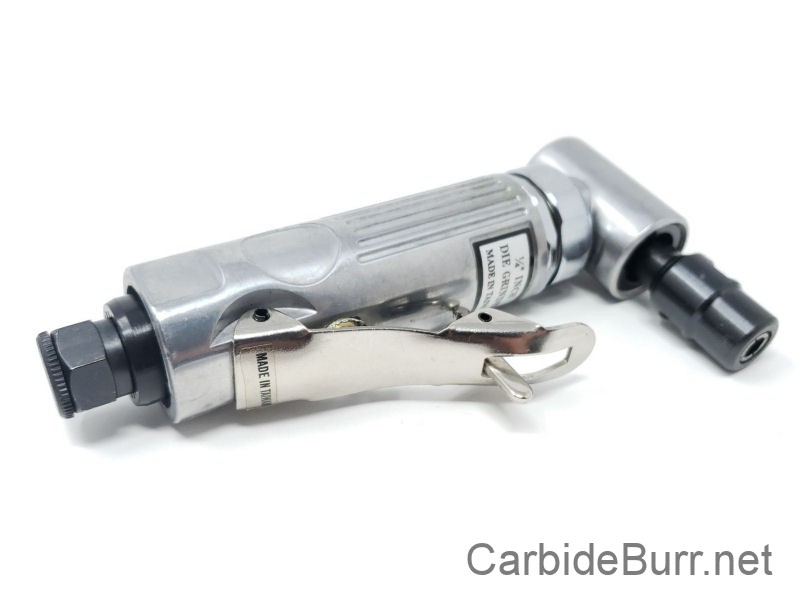
Using carbide burrs effectively involves more than just attaching them to your grinder. It’s about making informed choices and adjustments.
Choosing the Right Burrs
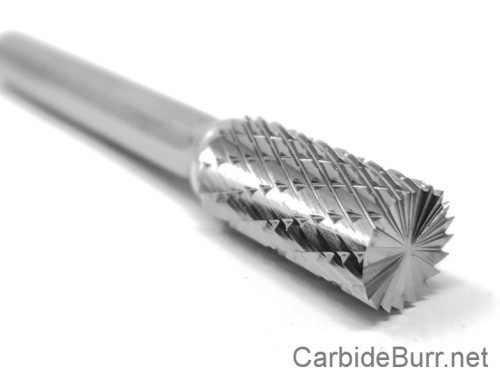
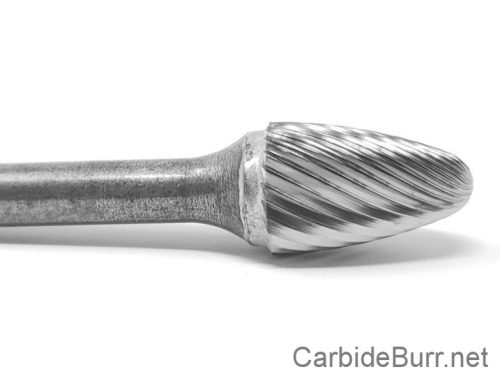
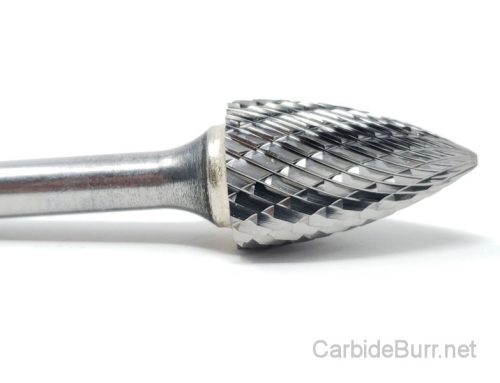
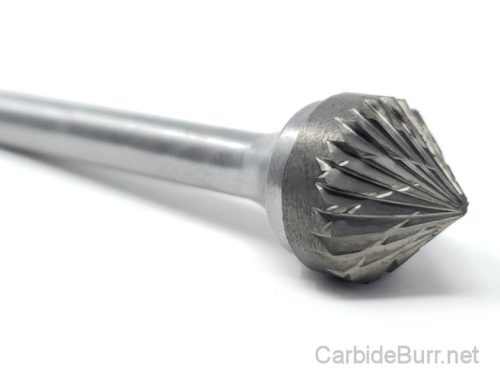
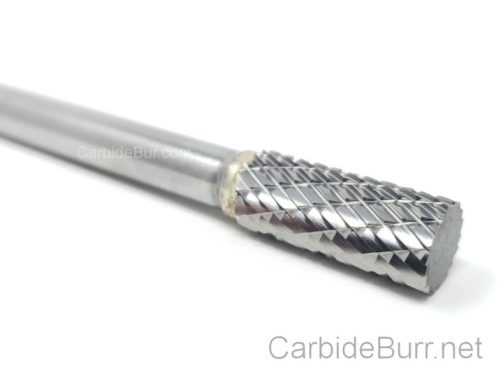
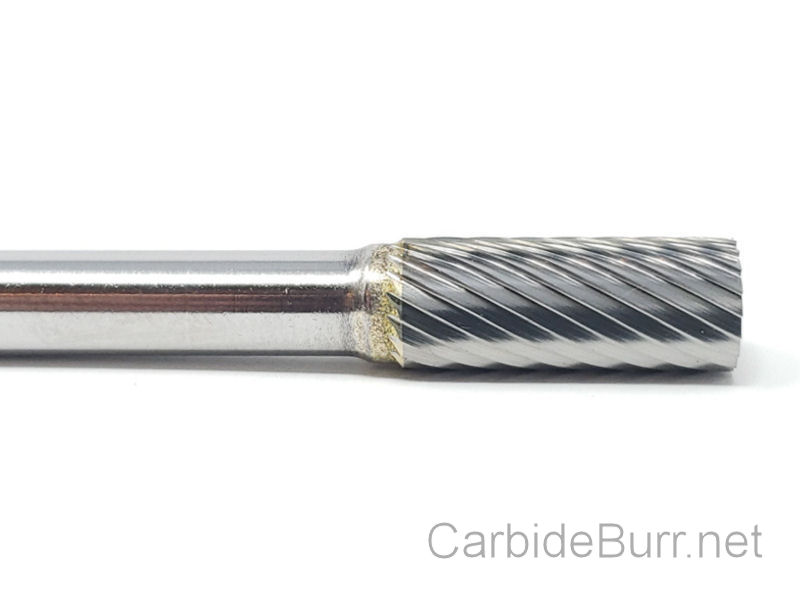
Selecting the appropriate carbide burr for your project is essential. The shape and size of the burr should match the task. For instance, a cylindrical burr is ideal for cleaning up edges, while a ball-shaped burr might be better for detailed work.
Consider the material you’re working with. Harder materials may require tougher burrs. If you’re unsure which burr to use, start with a versatile option and adjust as needed. Choosing the right burr ensures efficient cutting and a smoother finish.
Adjusting for Different Materials
Different materials require different approaches. For softer materials, use a lighter touch to avoid gouging the surface. Harder materials may need more time and patience to achieve the desired finish.
Experiment with speed settings on your die grinder. Slower speeds can be more effective for detailed work, while faster speeds might be necessary for removing larger amounts of material. Tailoring your approach based on material type enhances your efficiency and helps maintain tool longevity.
Project-Specific Techniques
Every project has its unique demands. For intricate designs, use smaller burrs and take your time. Larger projects may require bigger burrs and a more aggressive approach. Adjust your grip and body positioning to the project at hand.
Experiment with different techniques to find what works best for your specific needs. For beginner-friendly guidance, explore Carbide Burrs for Beginners. Tailoring your technique can lead to more satisfying results and a better finish.
Achieving Precision Grinding
Precision is the hallmark of quality craftsmanship. Achieving it requires attention to detail and the right techniques.
Enhancing Grip for Precision
Precision starts with your grip. For more accurate control, try gripping the grinder closer to the burr. This positioning gives you more control and reduces the risk of slipping.
Implementing this technique might feel awkward at first, but with practice, it becomes a valuable habit. Consistent practice helps refine this approach, making it second nature and enhancing your overall precision.
Body Positioning for Accuracy
Your body positioning plays a significant role in accuracy. Stand with your feet shoulder-width apart for balance and support. Keep your elbows slightly bent to absorb any vibrations from the tool.
This posture not only helps maintain control but also prevents strain on your body. Adjusting your stance based on the task and the tool’s movement will enhance your accuracy significantly.
Maintaining Consistent Technique
Consistency is key in achieving high-quality results. Regular practice with your die grinder creates muscle memory. This consistency helps you handle the tool with ease, regardless of the project’s complexity or material.
Developing a routine that includes regular practice sessions will help maintain your skills. Over time, you’ll notice improvements in both speed and precision, leading to more professional results.
Prioritizing Grinding Safety
Safety should always be your primary concern when using a die grinder. Let’s explore how to protect yourself effectively.
Essential Safety Gear
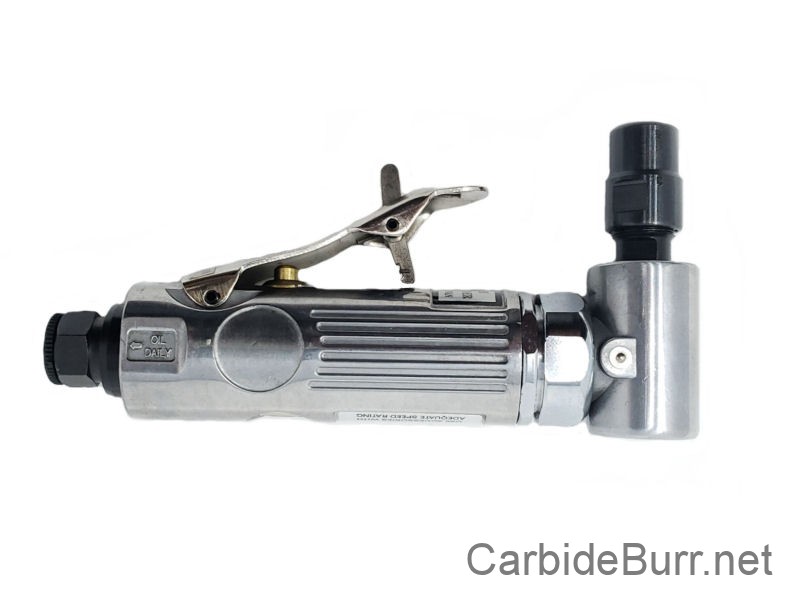
Always wear the necessary safety gear when operating a die grinder. This includes safety glasses to protect your eyes from flying debris and ear protection to guard against noise. Gloves can provide a better grip and protect your hands from accidents.
Wearing a dust mask is also advisable, especially when working with materials that produce fine particles. This precaution minimizes inhalation risks, promoting a safer working environment.
Safe Handling Practices
Proper handling reduces the risk of accidents. Always check the grinder before use to ensure it’s in good working condition. Secure your workpiece firmly to prevent it from moving during grinding.
Stay alert and focused while using the tool. Avoid distractions and never operate the grinder when tired or under the influence. These practices ensure a safer and more productive grinding experience.
Preventing Common Accidents
Common accidents include slips and tool kickbacks. To prevent these, maintain a firm but relaxed grip on the grinder. Avoid overreaching or working in awkward positions.
Regular maintenance of your tool also plays a critical role in accident prevention. Keep your grinder clean and ensure all parts are functioning correctly. This proactive approach reduces the likelihood of unexpected accidents.
Empowering Your Craftsmanship
Building your skills with a die grinder paves the way for more creative and precise projects. Here’s how to enhance your craftsmanship.
Building Confidence in Technique
Confidence comes with practice. Spend time familiarizing yourself with different techniques and burrs. The more you practice, the more confident you’ll become in your abilities.
Experiment with various projects to expand your skills. As you grow more comfortable, you’ll find yourself tackling more complex tasks with ease, showcasing your improved craftsmanship.
Adapting to Unique Projects
Every project presents new challenges. Adapt your techniques to suit the specific requirements of each task. This flexibility allows you to handle a wide range of projects more effectively.
Stay open to learning and trying new methods. This adaptability not only broadens your skill set but also keeps your work fresh and engaging.
Continuous Improvement Strategies
Continuous improvement is vital for long-term success. Set aside time for regular practice and seek feedback on your work. Constructive criticism helps identify areas for improvement.
Stay informed about new techniques and tools by exploring resources like The Role of Carbide Burrs in Surface Restoration. This commitment to learning ensures you remain at the forefront of your craft.
Frequently Asked Questions
What is the best way to grip a die grinder?
The best way to grip a die grinder is with both hands. Use your dominant hand for control and the other hand for guidance. This grip provides stability and precision.
How do I choose the right carbide burr for my project?
Select a burr based on your project’s requirements. Consider the material and the specific task. Different shapes, like cylindrical or ball-shaped burrs, suit different purposes.
Why is body positioning important in grinding?
Proper body positioning ensures accuracy and reduces strain. Stand balanced, with elbows slightly bent, to maintain control and prevent tool vibrations from affecting your work.
What safety gear should I wear when using a die grinder?
Essential safety gear includes safety glasses, ear protection, gloves, and a dust mask. This gear protects against debris, noise, and dust inhalation.
How can I prevent tool accidents with a die grinder?
Prevent accidents by maintaining a firm grip, avoiding overreaching, and performing regular tool maintenance. Stay focused and eliminate distractions when using the tool.
Follow Us On Social Media for Special Coupons
Facebook – Twitter – Instagram – Youtube
Carbide Burrs on 1/4″ Shanks – Solid Carbide Burrs – 1/4″ Carbide Burrs on 1/8″ Shanks – Long Shank Carbide Burrs – NF Carbide Burrs – Carbide Burr Sets – End Mills – Accessories
Order Tracking – Dropship Carbide Burr Tools – Contact Us – Cut Options – Coupon Codes – Posts
(513) 899-2610
PO Box 197 – Morrow Ohio 45152