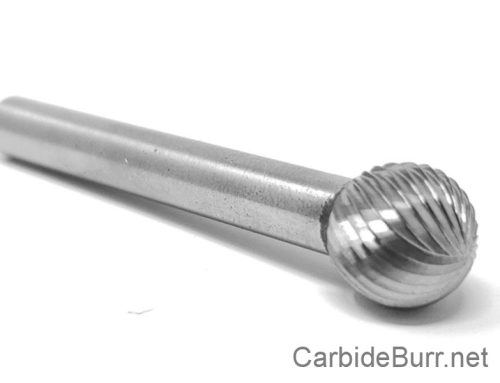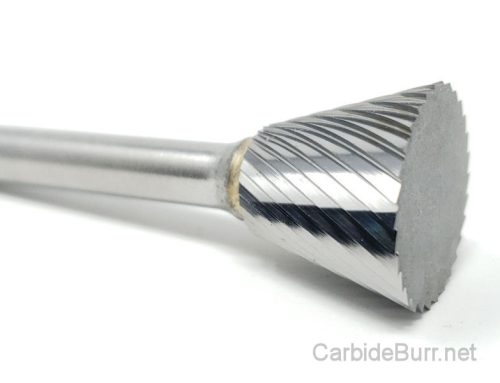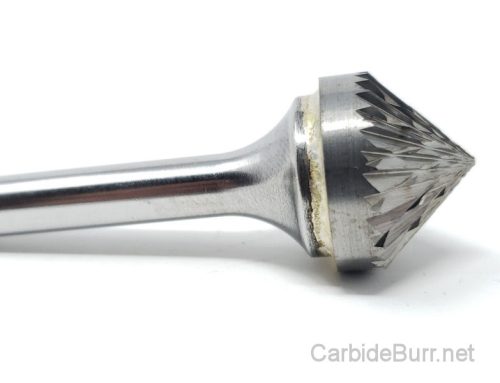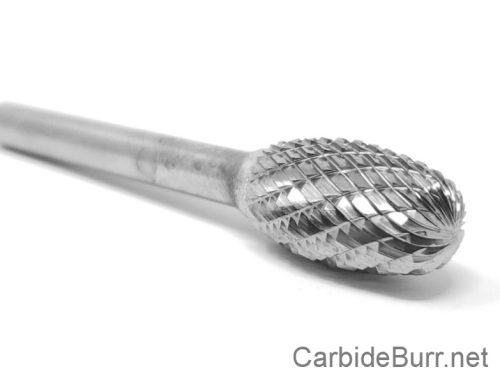

The Ultimate Guide to Carbide Burr Tooth Patterns
Picking the right carbide burrs can feel overwhelming when faced with so many tooth patterns. Each design, from cross-cut to flat-cut and single or double flutes, changes how your machining tools perform on different materials. This guide breaks down those differences, helping you match tooth patterns to your project needs and get cleaner cuts with better material removal rates. Keep reading to sharpen your burr selection skills and boost your machining results. For more insights, check out this guide.
Introduction to Carbide Burrs
Carbide burrs are essential for anyone serious about machining. Understanding the various tooth patterns can significantly impact your results. Let’s explore why tooth patterns are so crucial and how they affect your work.
Importance of Tooth Patterns
The right tooth pattern on a carbide burr isn’t just a preference, it’s a necessity. Choosing the correct pattern can improve your cutting performance and efficiency. For example, a cross-cut burr might be best for a smooth finish, while a flat-cut burr could excel in rapid material removal. Knowing these distinctions helps you pick the right tool for the job.
Machining Tools Overview
Machining tools come in a wide range of shapes and sizes, but they all rely on carbide burrs to perform at their best. Whether you’re working on metal, wood, or plastic, the burr you select will influence your project’s outcome. By focusing on the specifics of each tool, you can achieve the desired finish with precision.
Understanding Tooth Patterns
Tooth patterns are not just cosmetic differences—they serve distinct purposes. Let’s break down what makes each pattern unique and how it benefits your work.
Distinctive Flat-Cut Burrs
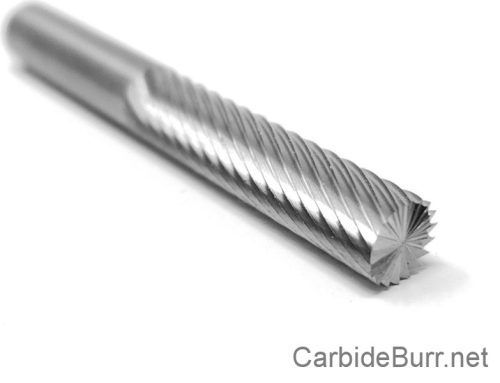
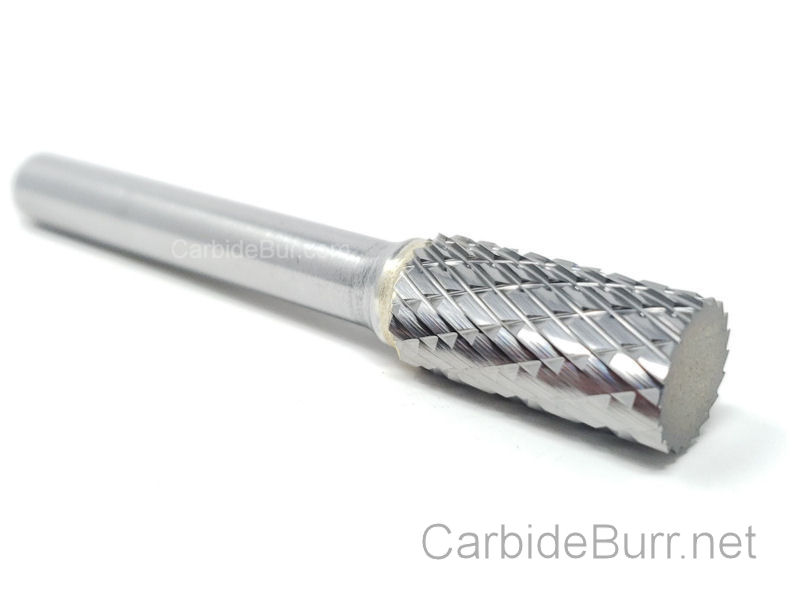
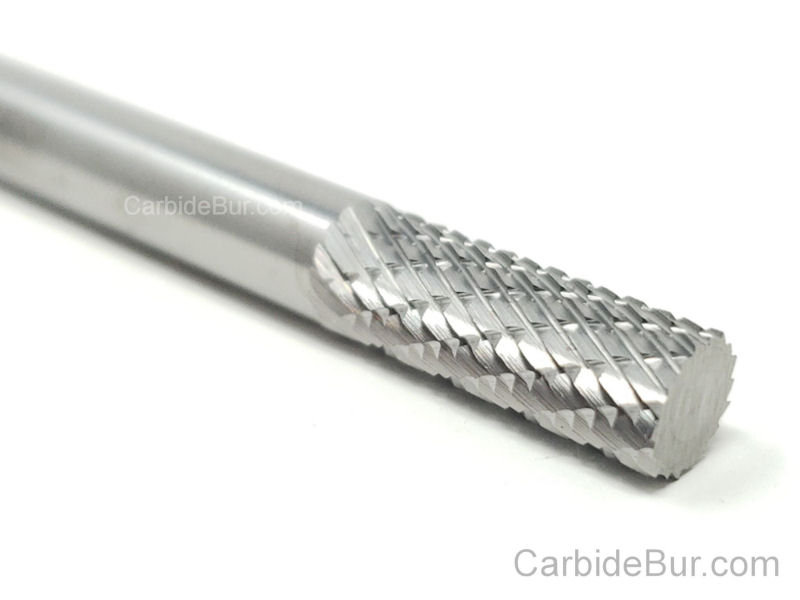
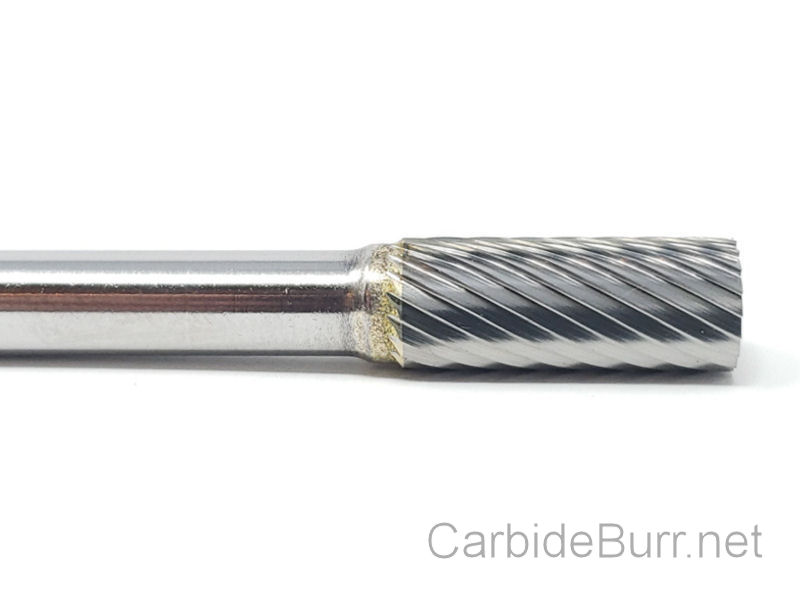
Flat-cut burrs are perfect for removing large amounts of material quickly. These burrs are ideal for initial roughing work where speed is more critical than a smooth finish. They allow you to clear material efficiently, setting the stage for more detailed work. It’s like having a bulldozer in your toolbox, clearing the way for finer tools.
Versatile Cross-Cut Burrs
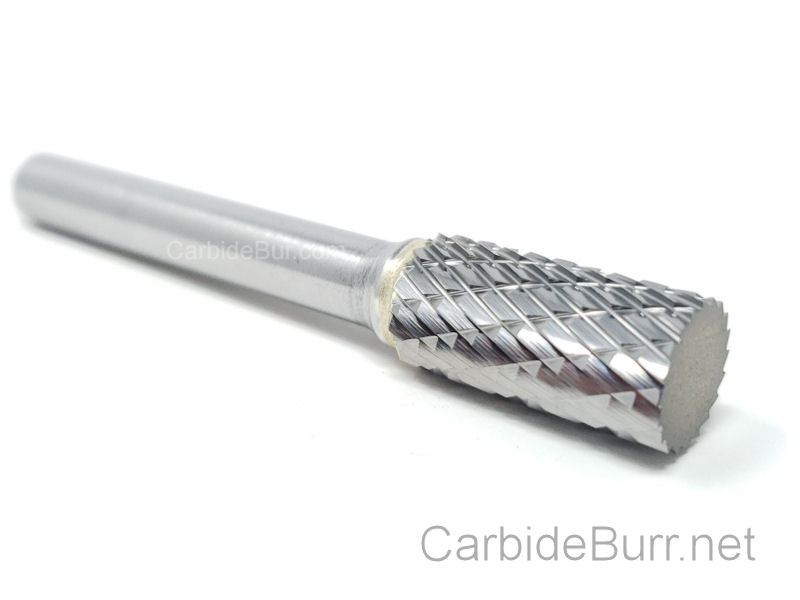
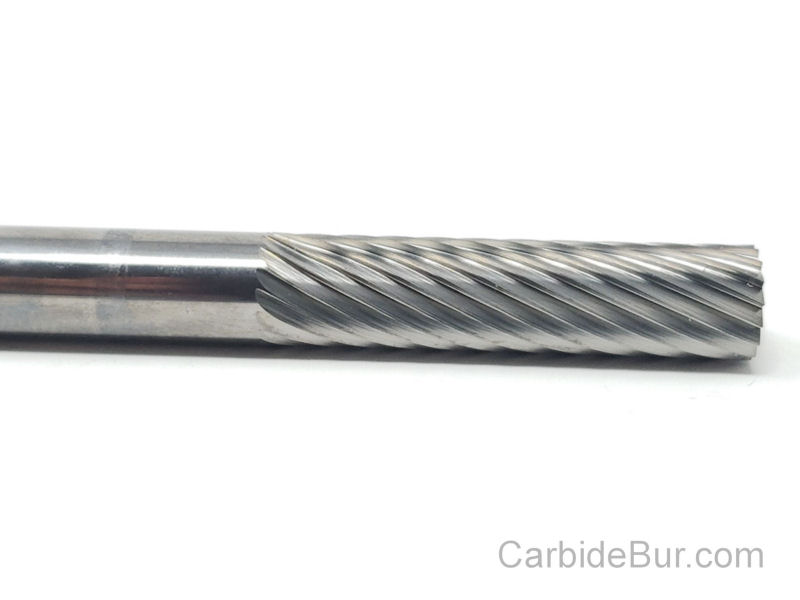
Cross-cut burrs offer versatility and fine control. They provide a smoother finish compared to flat-cut burrs, making them excellent for finishing touches. These burrs handle a variety of materials well, so they’re a great choice if you’re uncertain about the best tool for a job. Think of them as your Swiss Army knife—reliable and multifunctional.
Single vs. Double Flutes
Single flutes are designed for high-speed removal, while double flutes provide a finer finish. Single-flute burrs cut aggressively, ideal for soft materials. Double flutes, on the other hand, excel in hard materials, offering precision and control. Choose your flute wisely to match your specific material and desired outcome.
Cutting Performance Insights
Understanding how tooth patterns affect cutting performance is key to mastering your machining tasks. Let’s dive into how these patterns influence your work results.
Material Removal Rates Explained
Material removal rate is a critical factor in choosing a burr. The faster you can remove material without sacrificing quality, the more efficient your process will be. Flat-cut burrs typically offer high removal rates, making them suitable for quick jobs. Meanwhile, cross-cut burrs balance speed and finish quality for more delicate tasks.
Influencing Finish Quality
The finish quality depends largely on the tooth pattern of your burr. Cross-cut burrs are known for leaving a smoother surface, which is crucial for projects requiring detailed finishes. By selecting the appropriate tooth pattern, you can control the texture and polish of your final product.
Burr Selection Guide
Choosing the right burr involves more than just picking a pattern. It requires matching your project’s needs with the correct tool to maximize efficiency and results.
Matching Projects with Burrs
To select the right burr, consider the material and desired finish. For heavy-duty tasks, flat-cut burrs excel, while cross-cut burrs are better for precision work. Understanding your project’s requirements will guide you to the perfect burr choice, ensuring top-notch results.
Enhancing Work Efficiency
Selecting the appropriate burr can significantly enhance your work efficiency. Using a burr that complements your project’s needs reduces time spent on corrections and improves overall quality. This strategic selection process is an investment in your efficiency and effectiveness.
Conclusion and Best Practices
Selecting the right carbide burr is essential for successful machining. Let’s wrap up with some best practices to improve your skills.
Selecting the Right Burr
Choosing the correct burr is like selecting the right tool for any job—critical to success. Consider the material, desired finish, and tooth pattern to make an informed decision. This careful selection leads to better results and greater satisfaction with your work.
Improving Machining Skills
Enhancing your machining skills involves practice and knowledge. Familiarize yourself with different burr options and experiment with various patterns to see what works best for you. Over time, you will develop a knack for picking the right burr, boosting both your confidence and capabilities.
Frequently Asked Questions
What are carbide burrs used for?
Carbide burrs are used in machining to cut, shape, and remove material from various surfaces. They’re essential tools for fabricators and machinists.
How do cross-cut burrs differ from flat-cut burrs?
Cross-cut burrs provide a smoother finish and are versatile for different materials, while flat-cut burrs remove material quickly, ideal for roughing tasks.
Why are single and double flutes important in burrs?
Single flutes are best for high-speed material removal on soft materials, while double flutes offer a finer finish, especially on harder materials.
How do you choose the right burr for a project?
Consider the material, desired finish, and specific task requirements. Match these with the burr’s tooth pattern to ensure optimal performance.
What affects the finish quality when using carbide burrs?
The tooth pattern and flute type of the burr greatly influence the finish quality. Cross-cut patterns generally provide the smoothest surfaces.
Follow Us On Social Media for Special Coupons
Facebook – Twitter – Instagram – Youtube
Carbide Burrs on 1/4″ Shanks – Solid Carbide Burrs – 1/4″ Carbide Burrs on 1/8″ Shanks – Long Shank Carbide Burrs – NF Carbide Burrs – Carbide Burr Sets – End Mills – Accessories
Order Tracking – Dropship Carbide Burr Tools – Contact Us – Cut Options – Coupon Codes – Posts
(513) 899-2610
PO Box 197 – Morrow Ohio 45152