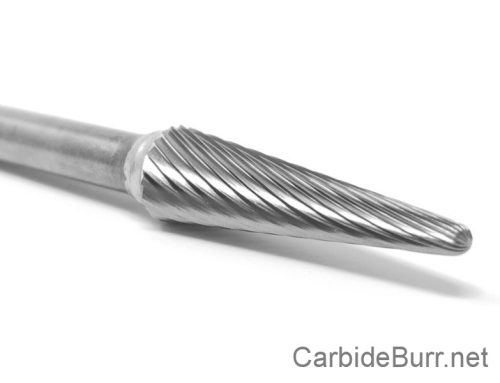
Carbide Burr Shank Sizes Explained: 1/8 Inch vs 1/4 Inch
Most people overlook how much shank size affects their carbide burr’s performance. You might think a 1/8 inch shank fits every tool perfectly, but that’s far from the truth. This post breaks down the 1/8 inch shank versus the 1/4 inch shank, showing you which suits your metalworking tools or woodworking tools best and how to get precision cutting right every time. For more insights, check out this resource.

Understanding Carbide Burr Shank Sizes
Carbide burrs are essential tools in metalworking and woodworking. To get the most from these tools, understanding shank sizes is crucial.
Basics of Carbide Burrs
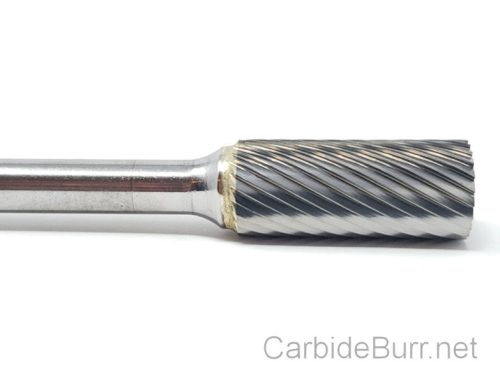
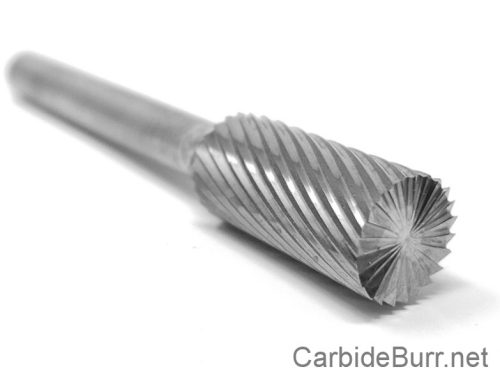
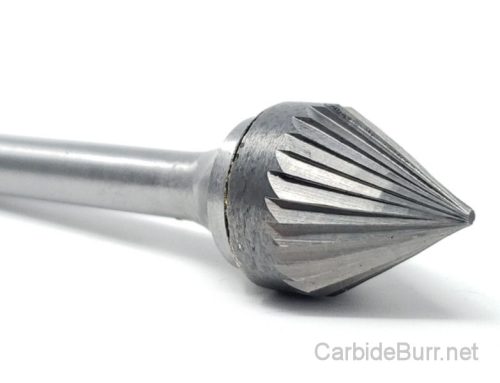
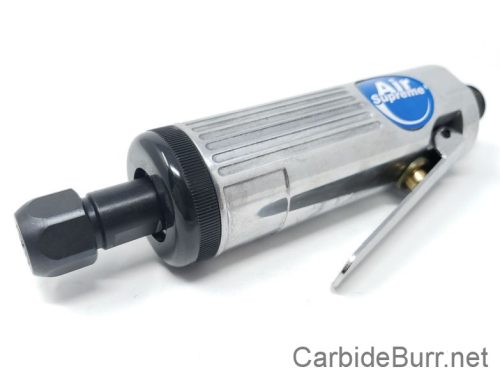
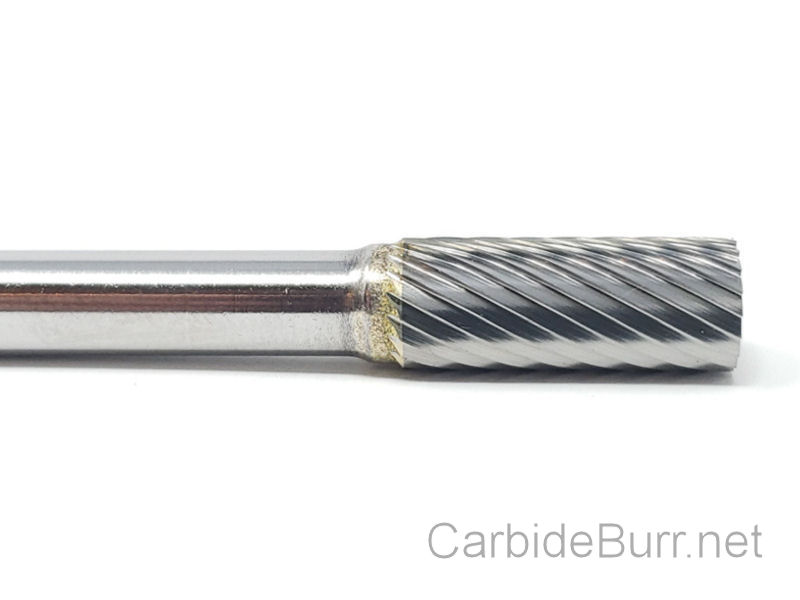
Carbide burrs are small cutting tools used for shaping, grinding, and material removal. They work on metal, wood, and other materials. These burrs come in various shapes and sizes, each designed for specific tasks. The shank is the part of the burr that fits into a rotary tool or die grinder. It’s important to select the right shank size for your project to achieve the best results. For more information, explore this beginner’s guide to carbide burrs.
Importance of Shank Sizes
Shank size directly affects tool performance. A proper fit ensures stability and precision, while an incorrect size can lead to poor results and tool damage. The two common shank sizes are 1/8 inch and 1/4 inch. Each has specific strengths, making it essential to match them to your project needs.
Choosing the Right Shank
Selecting the correct shank size depends on the tool you’re using and the task at hand. Consider the material you’re working with and the level of control or power required. Ensuring compatibility between your tool and the burr is key to successful and safe operation.
1/8 Inch Shank: Precision and Control
For tasks requiring detailed work, the 1/8 inch shank offers precision and control. It’s perfect for fine, delicate tasks.
Ideal Applications for 1/8 Inch Shank
The 1/8 inch shank shines in tasks demanding high precision, such as intricate carving and detailed engraving. It’s ideal for delicate work on metals and woods where tight control is necessary. Whether you’re adding fine details or finishing intricate patterns, this shank size is your go-to.
Tool Compatibility and 1/8 Inch Shank
This shank size fits most compact rotary tools, making it a versatile choice for hobbyists and professionals. Ensure your tool’s collet matches the shank for a secure fit. A proper fit prevents wobbling that can ruin your project and damage your burr.
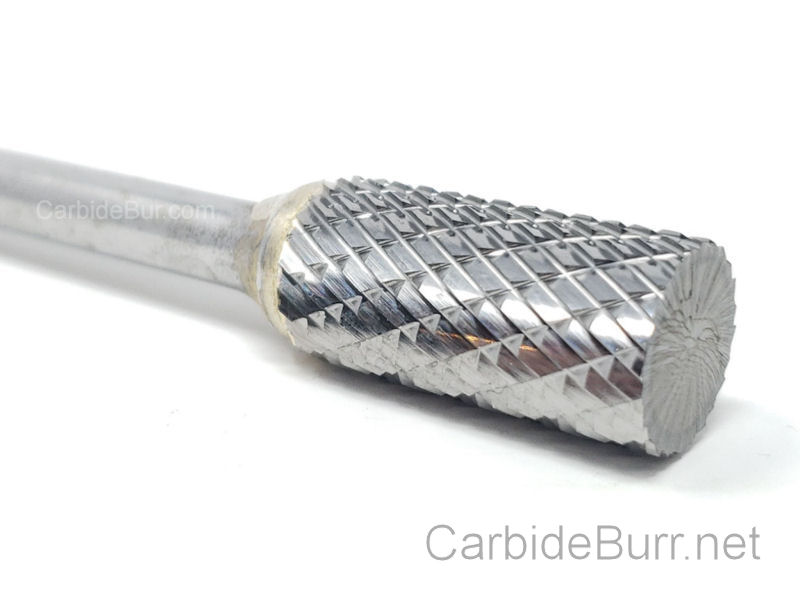
Benefits in Precision Cutting
Precision cutting demands stability and control, both of which the 1/8 inch shank provides. Its smaller size allows for tight maneuverability, letting you focus on detail without sacrificing accuracy. This attribute makes it invaluable for artists and craftsmen alike.
1/4 Inch Shank: Power and Versatility
When power and versatility are priorities, the 1/4 inch shank is unmatched. This size handles more demanding tasks with ease.
Best Uses for 1/4 Inch Shank
Choose the 1/4 inch shank for heavy-duty tasks like material removal and shaping large surfaces. Its robustness makes it suitable for harder materials and larger projects, providing the power needed for efficient work.
Compatibility with Metalworking Tools
The 1/4 inch shank fits larger, more powerful grinders, making it perfect for metalworking. It withstands high speeds and pressure, crucial for shaping metals. Its compatibility with industrial tools ensures it handles demanding jobs without falter.
Advantages in Woodworking Tools
In woodworking, the 1/4 inch shank offers strength for cutting and smoothing large pieces. Its versatility allows for various applications, from rough shaping to smooth finishing, making it a staple in any woodworker’s toolkit.
Comparing 1/8 Inch and 1/4 Inch Shanks
Understanding the differences between these shank sizes helps in making informed decisions for your projects.
Performance Differences
The 1/8 inch shank excels in precision tasks, while the 1/4 inch shank provides power for challenging jobs. Each size offers unique benefits that cater to specific project needs, from delicate engravings to robust constructions.
Factors to Consider in Shank Size Comparison
When comparing, consider the material, project size, and tool compatibility. The right choice depends on balancing precision and strength, ensuring optimal results for your work.

Choosing Based on Project Needs
Match your shank size to the project’s demands. Use the 1/8 inch for detail and precision, and the 1/4 inch for power and versatility. Understanding your project’s needs ensures better outcomes.
Tips for Optimal Carbide Burr Use
Enhance your tool’s performance with these practical tips.
Burr Maintenance Tips for Longevity
Regular cleaning and proper storage extend your burr’s life. Avoid letting debris build up, and store burrs in a dry, secure place to prevent damage.
Ensuring Proper Tool Fit
Always check your tool’s compatibility with the burr’s shank size. A secure fit prevents damage and enhances precision, resulting in smoother, more efficient work.
Boosting Efficiency in Metalworking and Woodworking
Efficiency comes from the right tool, proper maintenance, and correct usage. Match the burr to the task, and follow best practices for handling and maintenance to optimize your work.
Frequently Asked Questions
What are carbide burrs used for?
Carbide burrs are used for cutting, shaping, and removing material from metals, wood, and other materials. They offer precision and control in both detailed and heavy-duty tasks.
How do I choose the right shank size?
Choose based on your project’s requirements and tool compatibility. For precision, use a 1/8 inch shank. For power and versatility, opt for a 1/4 inch shank.
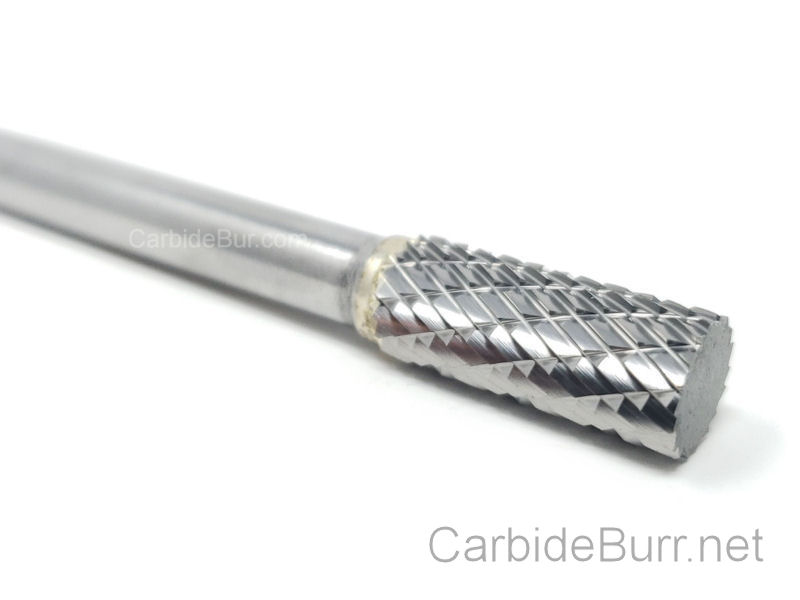
Why is tool fit important for carbide burrs?
Proper fit ensures stability and precision, preventing tool damage and achieving accurate results. Always match your tool’s collet size with the burr’s shank size.
What maintenance do carbide burrs require?
Regular cleaning, proper storage, and ensuring a secure fit to the tool are essential for maintaining burrs. These practices prevent wear and extend the burr’s lifespan.
Can I use a 1/4 inch shank with a small rotary tool?
Typically, 1/4 inch shanks require larger, more powerful tools. Using them with small tools may lead to poor performance and potential damage. Always verify compatibility before use.

Follow Us On Social Media for Special Offers
Facebook – Twitter – Instagram – Youtube
Carbide Burrs on 1/4″ Shanks – Solid Carbide Burrs – 1/4″ Carbide Burrs on 1/8″ Shanks – Long Shank Carbide Burrs – NF Carbide Burrs – Carbide Burr Sets – End Mills – Accessories
Order Tracking – Dropship Carbide Burr Tools – Contact Us – Cut Options – Coupon Codes – Posts
(513) 899-2610
PO Box 197 – Morrow Ohio 45152