Why Are Carbide Burrs So Hard? Understanding Tungsten Carbide
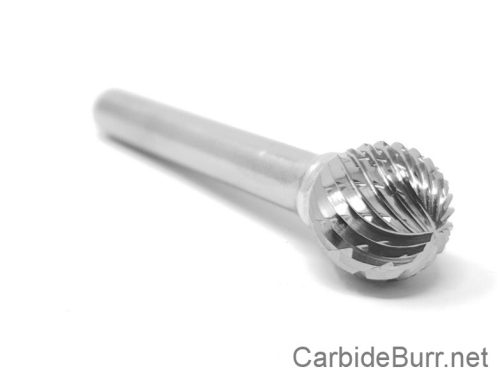
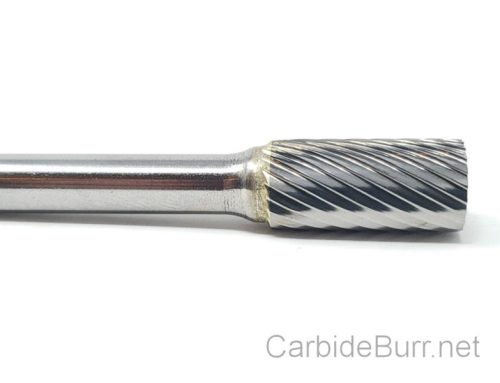
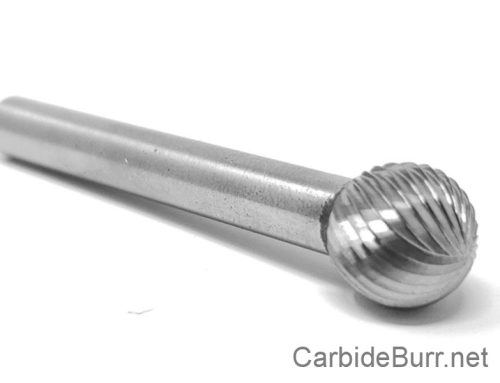
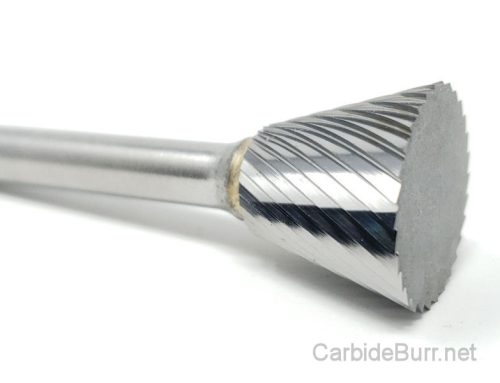
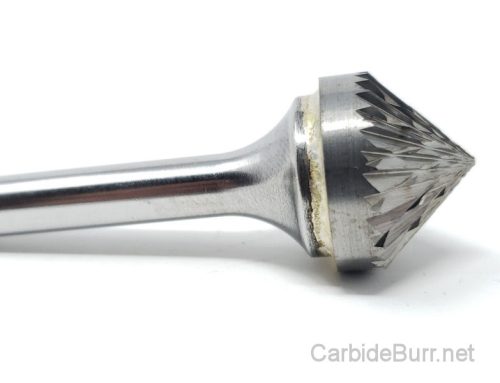
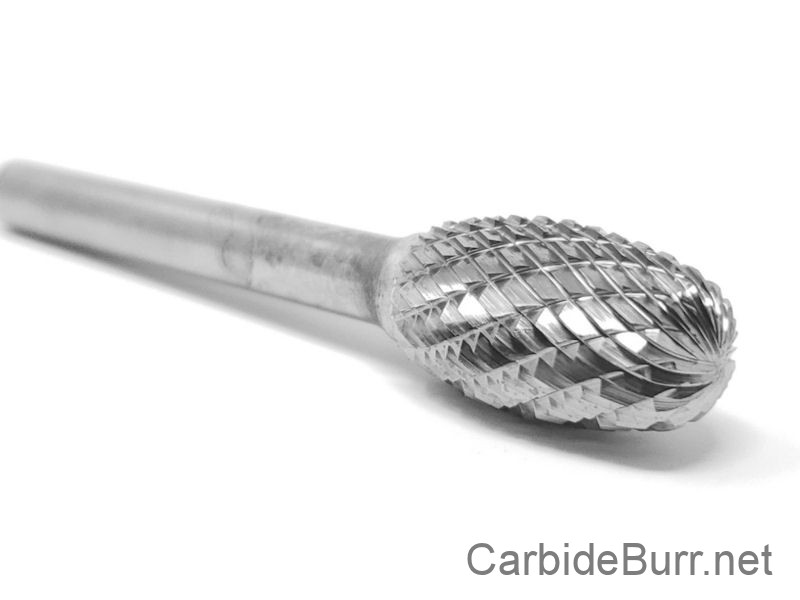
Carbide burrs stand apart because they stay sharp and tough where others wear down fast. If you’ve ever struggled with cutting tools that dull quickly, tungsten carbide might be the reason your burrs last longer. This material’s unique makeup and high density give carbide burrs their edge, literally and figuratively. Keep reading to get a clear picture of how tungsten carbide’s properties and manufacturing process make these tools reliable in demanding machining tasks. For more information on selecting the right carbide burr for your needs, visit this beginner’s guide.
Composition of Tungsten Carbide
Tungsten carbide stands out in the world of cutting tools. This section explores the elements that make it a preferred choice.
Unique Material Properties
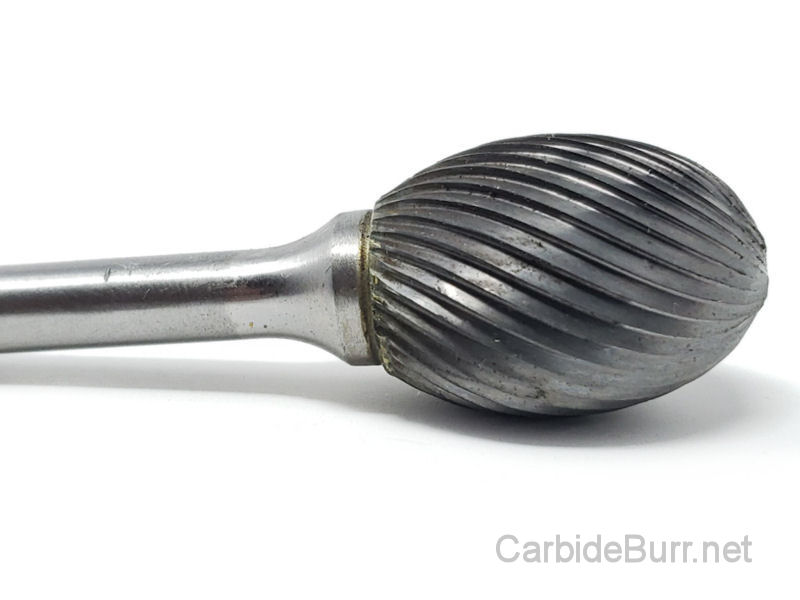
Tungsten carbide combines tungsten and carbon to create a compound tougher than steel. This blend results in a material with remarkable hardness, making it ideal for cutting tools. Unlike pure metals, tungsten carbide maintains its form under high stress. This resilience stems from its strong covalent bonds. You benefit from tools that keep their shape longer, reducing the need for frequent replacements. The chemical composition also provides resistance to rust, adding to its longevity.
High Density Advantage
Density plays a crucial role in the effectiveness of tungsten carbide. A dense material means you get better control when using the tool. Its weight adds stability, enhancing precision during machining tasks. This high density also contributes to reducing vibrations, which can lead to smoother finishes on your workpieces. You can trust your carbide burrs to function reliably, even under tough conditions. The dense nature of tungsten carbide ensures that your tools are less likely to chip or break during use.
Exceptional Hardness Explained
The hardness of tungsten carbide is what sets it apart. It’s nearly as hard as diamond, placing it high on the Mohs scale. This level of hardness means that carbide burrs remain sharp, even after extensive use. While other materials may dull quickly, tungsten carbide keeps its edge, saving you time and effort in tool maintenance. The hardness is due to the material’s microstructure, which consists of tiny grains tightly packed together. This structure ensures that you get a clean, precise cut every time you use your carbide burrs.
Manufacturing Process Insights
Understanding the manufacturing process of tungsten carbide reveals why it performs so well. Let’s explore how production techniques impact tool quality.
Sintering Techniques
Sintering is a key step in the creation of tungsten carbide. This process involves pressing tungsten carbide powder into a mold and heating it just below its melting point. The heat causes the particles to bond, forming a solid, dense mass. This technique ensures that the material retains its strength and durability. The resulting product is a solid piece of tungsten carbide, ideal for use in demanding environments. The sintering process is crucial for achieving the high density and hardness that tungsten carbide is known for.
Bonding Methods
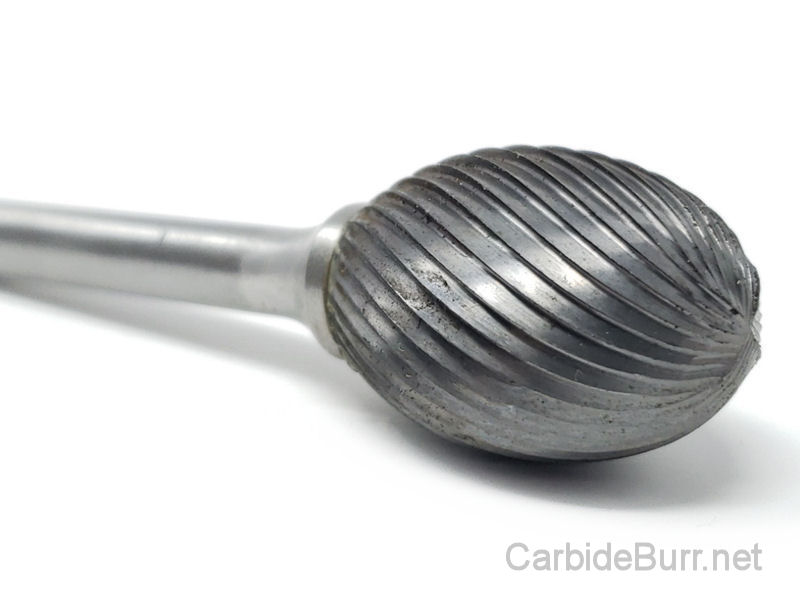
Bonding methods contribute to the overall toughness of carbide burrs. One common technique involves using a metal binder, often cobalt, to hold the tungsten carbide particles together. This binder enhances the toughness of the material, making it less brittle. The bonding process is meticulously controlled to ensure uniform distribution of the binder. This attention to detail ensures that the final product is robust and reliable, capable of withstanding the rigors of daily use. Proper bonding is essential for producing high-quality carbide burrs that deliver consistent performance.
Quality Control Measures
Quality control is vital in the production of tungsten carbide. Manufacturers implement rigorous checks at every stage of production. These measures include verifying the purity of raw materials, monitoring the sintering process, and testing the final product for hardness and density. By adhering to strict quality standards, manufacturers ensure that every carbide burr meets performance expectations. These checks are your assurance that the tools you use are of the highest possible quality, offering reliability and durability in every application.
Benefits of Carbide Burrs
Carbide burrs offer a range of benefits that make them invaluable in machining tasks. Discover why they’re a preferred choice for many professionals.
Sharp Edge Maintenance
A major benefit of carbide burrs is their ability to maintain a sharp edge. Thanks to the hardness of tungsten carbide, these tools cut cleanly and accurately with minimal wear. This longevity means you spend less time sharpening tools and more time focusing on your projects. The sharp edges also result in smoother finishes, enhancing the quality of your work. Whether you’re cutting, shaping, or grinding, carbide burrs provide consistent performance with every use.
Resistance to Wear
Carbide burrs are renowned for their resistance to wear. This quality is crucial, especially in high-speed applications where friction can quickly degrade lesser tools. The durability of tungsten carbide means that your burrs withstand heat and abrasion, maintaining their functionality longer than other materials. This wear resistance translates to fewer replacements and lower tool costs over time. You can rely on carbide burrs to deliver reliable results, even under demanding conditions, reducing downtime and increasing productivity.
Versatility in Applications
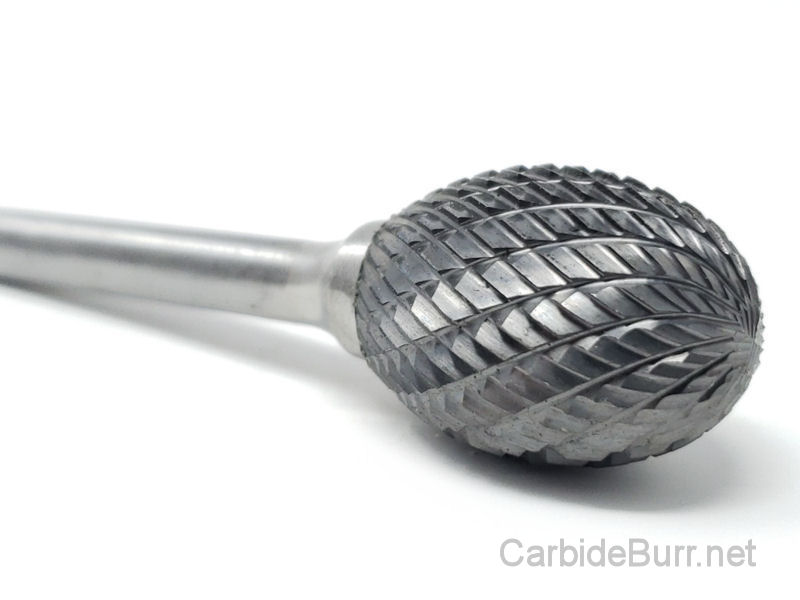
One of the standout features of carbide burrs is their versatility. These tools excel in a wide range of applications, from metalworking to woodworking. Their ability to perform various tasks makes them a valuable addition to any toolkit. Whether you’re deburring edges, engraving intricate designs, or smoothing surfaces, carbide burrs handle it all. Their adaptability ensures you have the right tool for any job, enhancing your efficiency and broadening your capabilities.
Applications in Machining
Carbide burrs play a crucial role in machining, offering benefits across a spectrum of uses. Their versatility makes them a go-to tool for many professionals.
Fabrication Uses
In fabrication, carbide burrs are indispensable. They are used for shaping and finishing metal parts, providing precision and control. Whether you’re working on a large-scale project or a small component, these tools offer the adaptability you need. Their ability to cut and grind various materials ensures that you can complete tasks efficiently. From aerospace to automotive industries, carbide burrs are trusted for their high performance and reliability.
Efficiency in Cutting
When it comes to cutting, carbide burrs excel. Their sharp edges and durable construction allow for quick, clean cuts, minimizing material waste. This efficiency is particularly beneficial in mass production settings where time is of the essence. The precision of carbide burrs ensures that cuts are accurate, reducing the need for additional finishing work. By choosing carbide burrs, you’re opting for tools that enhance your cutting processes, saving both time and resources.
Industry-Specific Examples
Various industries rely on carbide burrs for their specific needs. For instance, in the automotive sector, these tools are used for engine porting and cylinder head cleaning. Their ability to handle high temperatures and tough materials makes them ideal for these applications. In the dental field, smaller carbide burrs are used for precise drilling and shaping. These examples highlight the diverse uses of carbide burrs and their importance in specialized fields.
Tungsten Carbide in the Market
The market for tungsten carbide is constantly evolving, driven by new trends and innovations. This section explores what the future holds for this exceptional material.
Trends in Tool Manufacturing
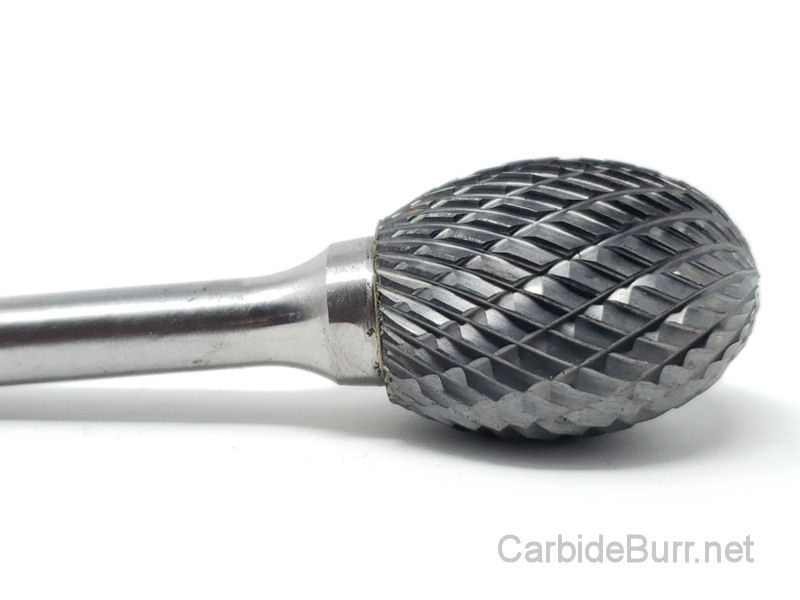
In tool manufacturing, tungsten carbide remains a popular choice. The demand for durable, high-performance tools continues to grow, driving innovation in production techniques. Manufacturers are constantly seeking ways to enhance the properties of tungsten carbide, making it even more effective. This ongoing development ensures that you have access to cutting-edge tools that meet the demands of modern machining.
Innovations in Cutting Tools
Innovation is at the heart of advancements in cutting tools. New coatings and treatments are being applied to tungsten carbide to extend its lifespan and improve its performance. These innovations provide you with tools that not only last longer but also perform better under challenging conditions. The introduction of advanced geometries and designs further enhances the capabilities of carbide burrs, offering improved efficiency and precision.
Future Developments and Opportunities
The future of tungsten carbide is promising, with opportunities for growth and development. As industries evolve, the need for high-quality cutting tools will only increase. This demand will drive further research into enhancing the properties of tungsten carbide. For you, this means access to tools that are not only reliable but also at the forefront of technological advancements, ensuring your projects are completed with the highest standards of quality.
Frequently Asked Questions
What makes tungsten carbide so hard?
Tungsten carbide is made from tungsten and carbon, resulting in a compound that’s nearly as hard as diamond. This hardness makes it ideal for cutting tools.
How are carbide burrs manufactured?
Carbide burrs are made through a process called sintering, where tungsten carbide powder is pressed and heated to form a solid piece. Bonding methods and quality control ensure their durability.
Why are carbide burrs preferred in machining?
Carbide burrs are preferred due to their sharpness, wear resistance, and versatility. They are suitable for various applications, making them a reliable choice for many industries.
How do innovations impact tungsten carbide tools?
Innovations like new coatings and advanced designs improve the lifespan and performance of tungsten carbide tools, providing better efficiency and precision in cutting tasks.
What are the future opportunities for tungsten carbide?
The demand for high-quality cutting tools is growing, leading to further research and development in tungsten carbide. This ensures access to cutting-edge tools that meet modern machining standards.
Follow Us On Social Media for Special Coupons
Facebook – Twitter – Instagram – Youtube
Carbide Burrs on 1/4″ Shanks – Solid Carbide Burrs – 1/4″ Carbide Burrs on 1/8″ Shanks – Long Shank Carbide Burrs – NF Carbide Burrs – Carbide Burr Sets – End Mills – Accessories
Order Tracking – Dropship Carbide Burr Tools – Contact Us – Cut Options – Coupon Codes – Posts
(513) 899-2610
PO Box 197 – Morrow Ohio 45152