Cylinder Head Porting: How Carbide Burrs Are Used for Engine Performance
Forget the idea that all porting tools are the same. If your intake and exhaust ports aren’t shaped just right, your engine can lose power before it even starts. Carbide burrs for cylinder head porting let you cut through casting imperfections and remove material with surgical precision. This post breaks down which burr shapes work best on aluminum and cast iron heads, how to keep port geometry intact, and why picking the wrong tool can cost you airflow optimization. Learn more.

Do you need a longer reach for your die grinder?
Introduction to Cylinder Head Porting
Porting your engine’s cylinder heads can significantly boost performance. By reshaping these ports, you allow for more efficient airflow, which leads to better power output. Let’s dive into how carbide burrs play a crucial role here.
Importance of Port Reshaping
Reshaping ports isn’t just about aesthetics; it’s about optimizing your engine’s breathing. When you refine these passages, you ensure the engine pulls in more air, leading to more power. Proper porting can be the difference between a sluggish engine and a high-performing machine.
Role of Carbide Burrs in Engine Building
Carbide burrs are the unsung heroes in engine building. They make it easy to grind away imperfections in the metal, ensuring a smoother finish. This tool is essential for anyone looking to maximize the potential of their engine. With precise control, you can get the exact shape you need for optimal airflow.
Overview of Burr Shapes
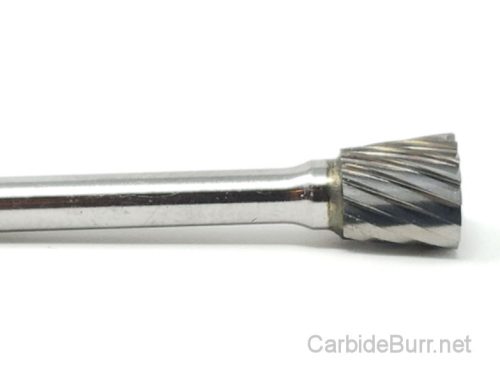
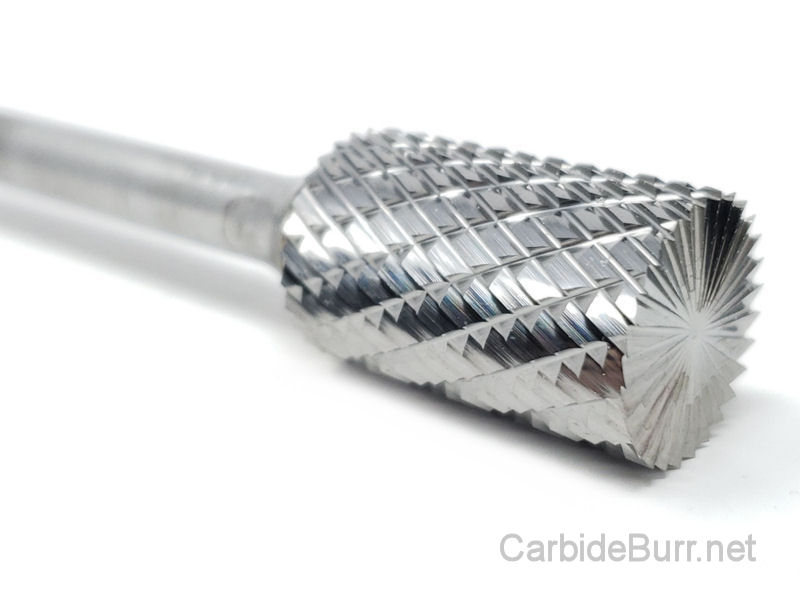
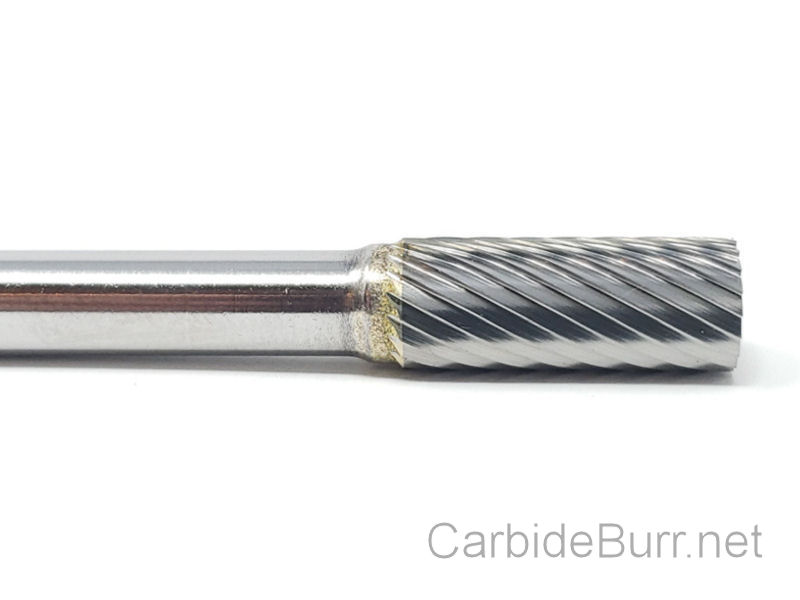
The right burr shape can make all the difference. Different shapes are suited for different tasks. For example, cylindrical burrs are great for flat surfaces, while conical burrs excel in tight spaces. Knowing which shape to use is key to effective porting.
Techniques for Effective Port Reshaping
To achieve the best results, you need to understand the techniques involved. Each technique helps in maximizing airflow and reducing resistance, ensuring your engine performs at its best.
Intake and Exhaust Port Reshaping
The intake and exhaust ports are where the magic happens. By reshaping these, you enhance the engine’s breathing capabilities. It’s not just about making them bigger; it’s about shaping them to reduce turbulence and increase flow. Focus on smoothing transitions and aligning the walls for the best results.
Removing Casting Imperfections
Casting imperfections can disrupt airflow. Carbide burrs make quick work of these flaws, allowing for a smoother path. By addressing these imperfections, you ensure that air moves freely through the ports, which translates to improved performance.
Precision Material Removal Techniques
Precision is crucial in porting. Removing too much material can be as detrimental as not removing enough. Carbide burrs allow you to be precise, taking off just enough to smooth out the surface without compromising the structure. This precision helps maintain the integrity of the ports.
Choosing the Right Burr Shape
Selecting the correct burr shape is fundamental to successful porting. Each section of the port requires a specific approach to achieve the desired result.
Burr Shapes for Port Entrances
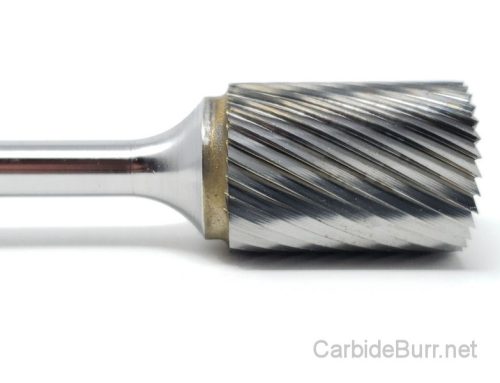
Port entrances need a specific approach. You want to ensure a smooth transition for incoming air. Cylindrical burrs can help achieve this by smoothing the initial entry point and reducing surface roughness.
Burr Shapes for Bowls and Runners
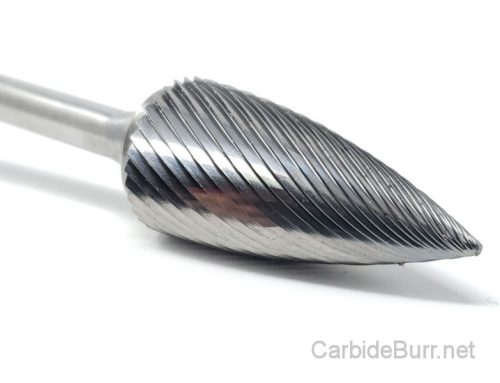
Bowls and runners require a different touch. Oval or egg-shaped burrs are ideal here. They allow you to maintain a consistent shape and avoid sharp transitions, which can hinder airflow.
Navigating Tight Areas
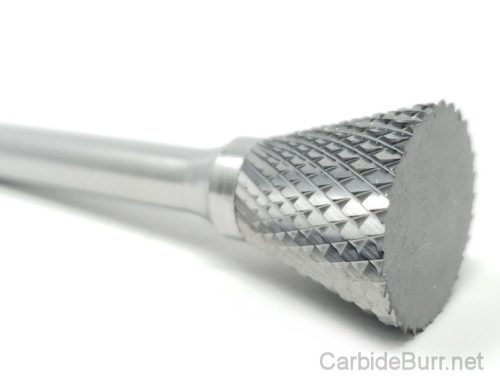
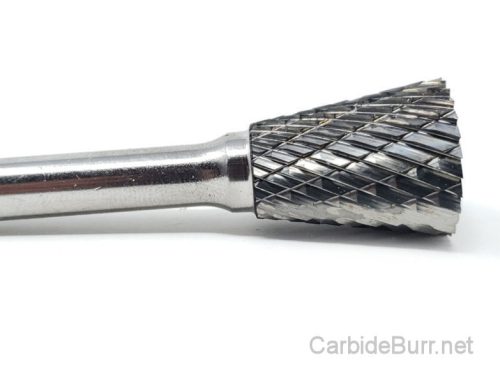
Tight areas present a unique challenge. Conical burrs provide the precision needed to navigate these spaces without sacrificing material removal. Their tapered design helps you reach confined areas effectively.
Material Considerations in Cylinder Heads
Different materials require different approaches. Aluminum and cast iron each have unique properties that affect how you should port them.
Burrs for Aluminum Cylinder Heads
Aluminum is softer and easier to work with than cast iron. Fine-toothed burrs work great here, allowing for smooth cuts without gouging the material. This helps maintain the integrity of the ports while ensuring a clean finish.
Burrs for Cast Iron Cylinder Heads
Cast iron is tougher and requires a more aggressive approach. Coarse-toothed burrs are ideal for this material. They help remove material efficiently without clogging, ensuring a smooth and consistent surface.
Avoiding Excessive Material Removal
Excessive removal can damage cylinder heads. It’s crucial to use the right burr and technique to avoid this. Focus on gradual removal and regularly check your progress to maintain the structure of the ports.
Achieving Optimal Airflow and Efficiency
Maximizing airflow is the ultimate goal of porting. By focusing on maintaining port geometry and using the right techniques, you can achieve this.
Maintaining Port Geometry
Keeping the original geometry of the ports ensures optimal airflow. It’s essential to avoid drastic changes that can disrupt flow. Focus on smoothing transitions and maintaining consistent shapes throughout the port.
Techniques for Airflow Optimization
Airflow optimization comes from understanding the natural flow paths and enhancing them. This means smoothing out any rough spots and ensuring the air can move freely without obstruction.
Common Pitfalls and Mistakes to Avoid
The most common mistake is removing too much material. This can lead to weak spots and reduced performance. Always go slow, use the right tools, and regularly check your progress to avoid costly errors.
Frequently Asked Questions
What are carbide burrs used for in engine building?
Carbide burrs are used to reshape intake and exhaust ports, remove casting imperfections, and perform precision material removal to optimize airflow and engine performance.
How do I choose the right burr shape for my engine?
Choosing the right burr shape depends on the area of the port you are working on. Cylindrical shapes are great for flat surfaces, while conical burrs are better for tight areas.
What is the difference between aluminum and cast iron cylinder heads in porting?
Aluminum heads are softer and easier to port with fine-toothed burrs, while cast iron heads require coarse-toothed burrs for effective material removal and surface smoothing.

Follow Us On Social Media for Special Offers
Facebook – Twitter – Instagram – Youtube
Carbide Burrs on 1/4″ Shanks – Solid Carbide Burrs – 1/4″ Carbide Burrs on 1/8″ Shanks – Long Shank Carbide Burrs – NF Carbide Burrs – Carbide Burr Sets – End Mills – Accessories
Order Tracking – Dropship Carbide Burr Tools – Contact Us – Cut Options – Coupon Codes – Posts
(513) 899-2610
PO Box 197 – Morrow Ohio 45152