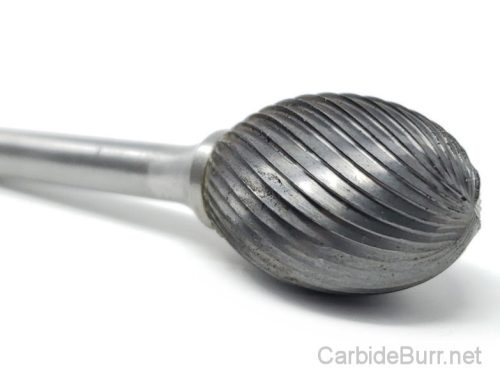
Mastering Metalwork: How to Select the Perfect Shank Size for Your Carbide Burrs
Picking the wrong shank size for your carbide burrs can cost you time and precision on the job. Whether you’re debating between 1/8″ shank burrs or 1/4″ shank burrs, the choice affects how your machining tools perform and what projects you can handle. This tool selection guide breaks down the pros and cons of each size so you can match your burrs for metalworking to your specific needs and get the best results every time. For more insights, check out this guide on choosing the perfect carbide burr size.
Understanding Carbide Burrs
To start your journey in mastering metalwork, it’s crucial to understand what carbide burrs are and how they are used. Their significance in shaping and finishing materials cannot be understated.
What Are Carbide Burrs?
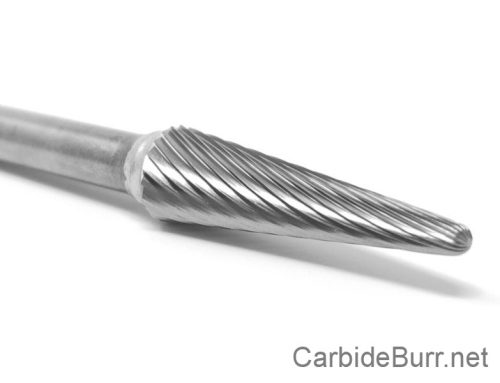
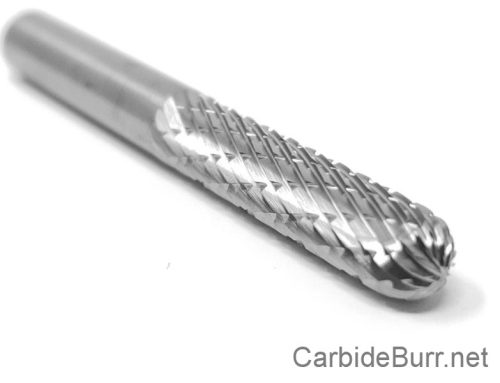
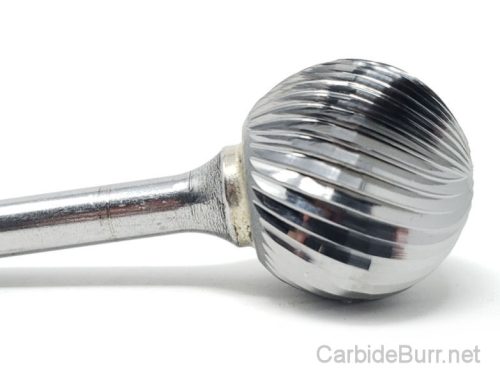
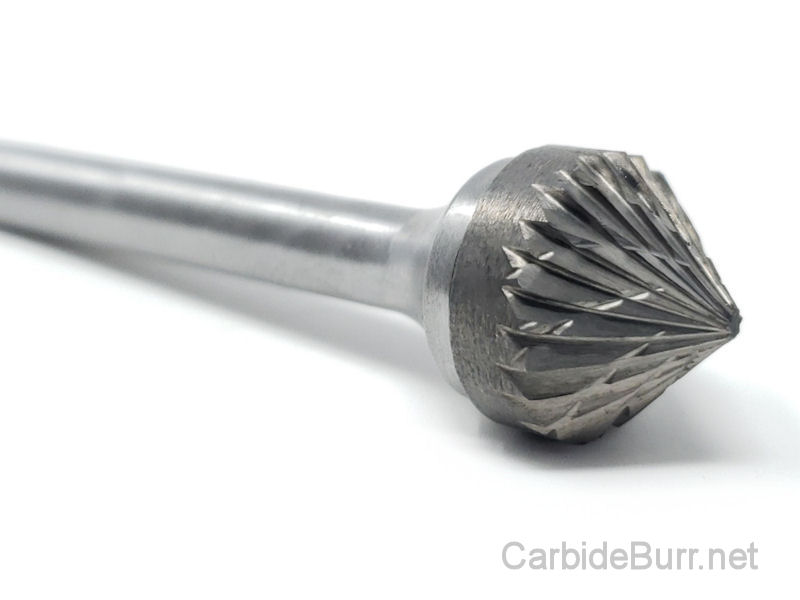
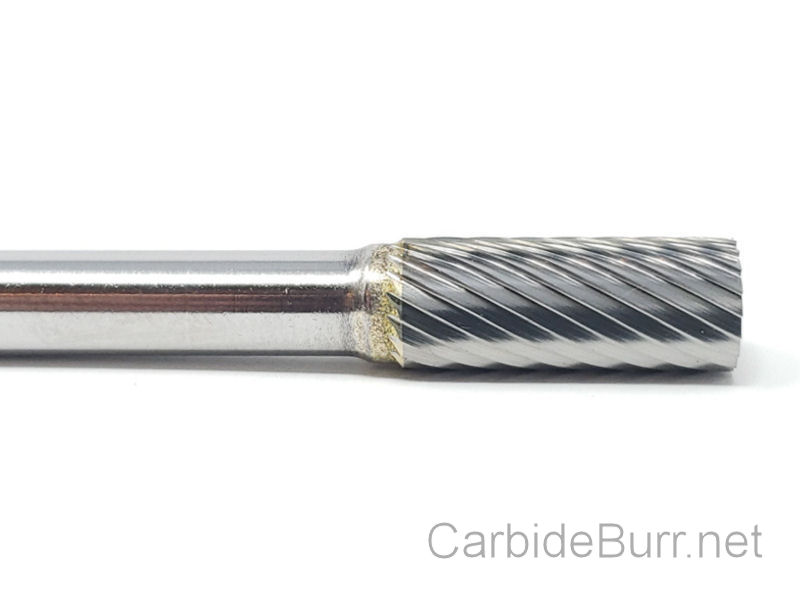
Carbide burrs are small cutting tools used in a range of industries, from automotive to aerospace. They are designed to cut, shape, and grind materials such as metal, wood, and plastic. Made from tungsten carbide, they are known for their durability and precision. Whether you’re smoothing rough edges or carving intricate details, these burrs deliver the control you need.
For machinists and hobbyists, carbide burrs offer versatility. They come in various shapes and sizes to cater to specific tasks. You can rely on their sharpness and toughness to maintain performance over time. Understanding their basic function is the first step in optimizing your tool selection process.
Importance in Metalworking
Carbide burrs play a vital role in metalworking. They help achieve smooth finishes and precise cuts, which are essential for high-quality craftsmanship. In industries like aerospace and automotive, precision is not just preferred but required. Burrs allow for detailed work that meets stringent specifications.
They are also used extensively in surface restoration and material removal. By using the right burr, you can efficiently remove unwanted material while maintaining the integrity of the workpiece. Discover the role of carbide burrs in surface restoration for more insights.
Common Applications for Burrs
Carbide burrs are widely used in various applications. From automotive repairs to artistic metal crafting, their versatility is unmatched. In automotive settings, they are used for tasks like cleaning cylinder heads and porting. Learn more about their role in automotive repairs.
In other fields, they assist in creating intricate designs on metal surfaces. Artists and metalworkers appreciate their precision for detailed craftsmanship. In each case, selecting the right burr type is crucial for achieving the best results.
Shank Size Essentials
Choosing the right shank size is key to optimizing your machining efforts. It influences both the tool’s compatibility and its effectiveness in various applications.
Introduction to Shank Sizes
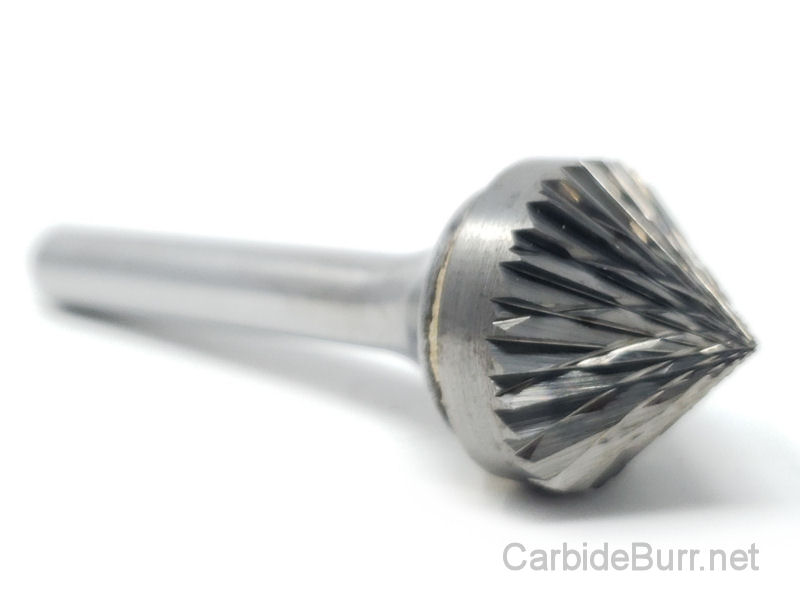
When considering shank sizes, the two most common options are 1/8″ and 1/4″ shank burrs. Each has its own set of advantages and potential drawbacks. Understanding these can help you make a more informed decision.
1/8″ shank burrs are typically used for smaller, more delicate tasks. They provide precision but may lack the power needed for larger tasks. On the other hand, 1/4″ shank burrs are geared towards heavier-duty work, offering greater strength and stability.
Benefits of 1/8″ Shank Burrs
1/8″ shank burrs are perfect for detailed work and fine finishing. Their smaller size allows for greater control, making them ideal for intricate designs. For hobbies or small-scale projects, these burrs are your go-to choice.
Due to their size, they are compatible with smaller power tools, which can be more accessible for hobbyists. They are also easier to handle for extended periods, reducing fatigue during detailed work. This makes them a favorite among those who prioritize precision over power.
Advantages of 1/4″ Shank Burrs
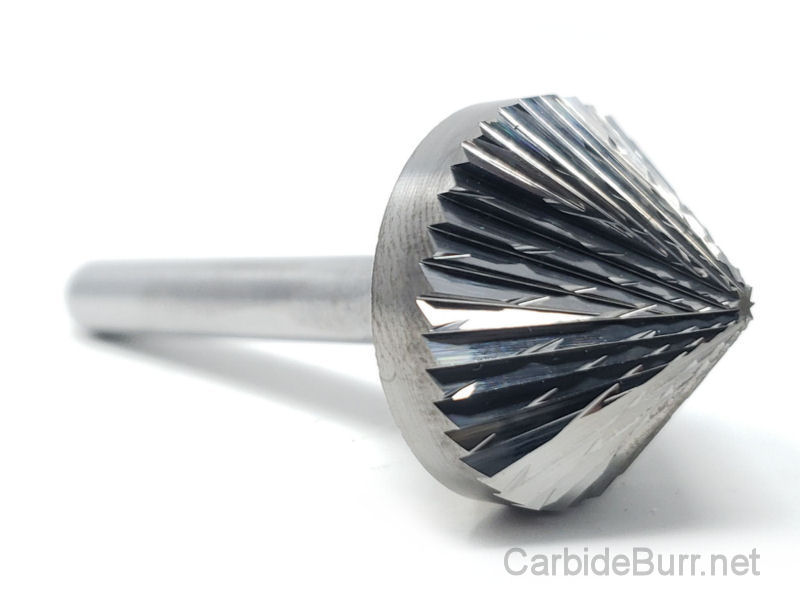
For larger projects, 1/4″ shank burrs provide the robustness needed. They are designed to tackle tougher materials and larger surfaces with ease. If you’re working on something like an automotive project, these burrs can handle the job.
Their larger size means they are used with more powerful tools, providing the torque needed for challenging tasks. This makes them suitable for professionals who require tools that can withstand continuous use. Whether you’re in aerospace or automotive, the essential role of carbide burrs highlights their impact.
Tool Compatibility and Requirements
Matching the right burr with your power tools is essential for achieving efficiency and precision. This section will guide you through the compatibility and selection process.
Matching Burrs with Power Tools
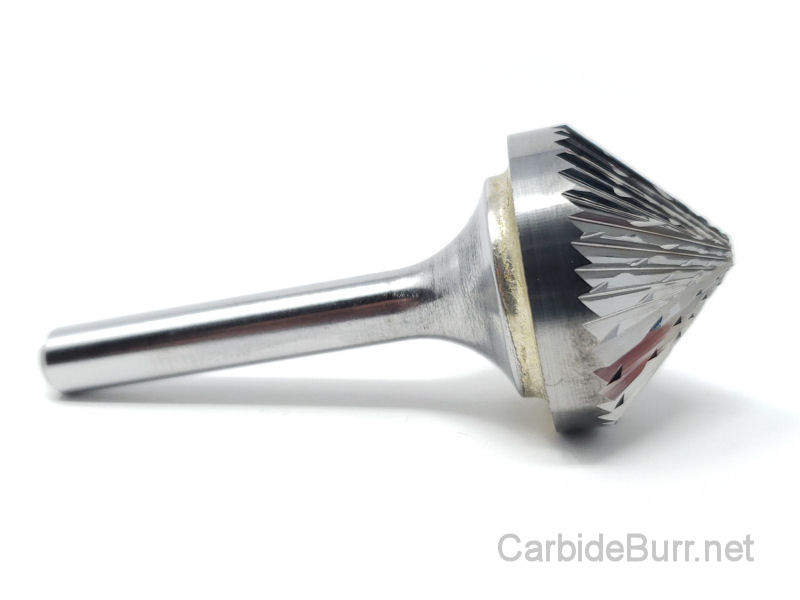
To get the best results, match your burrs to the appropriate power tools. Smaller burrs, like the 1/8″ shank, pair well with rotary tools or small grinders. These tools offer the finesse needed for delicate tasks.
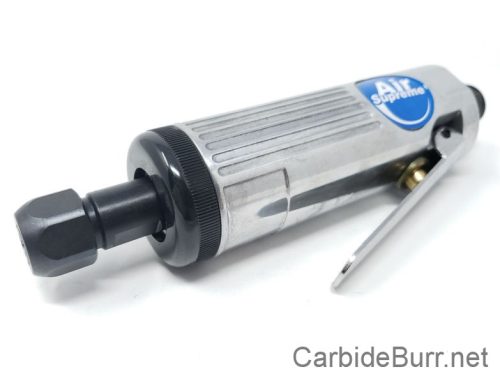
Larger burrs, such as the 1/4″ shank, are better suited for heavy-duty tools. These include larger grinders or die grinders, which provide the power and speed necessary for bigger projects. Ensuring compatibility will enhance your machining efforts and prevent tool damage.
Understanding Tool Compatibility
Understanding tool compatibility is crucial for seamless operations. Not all power tools accommodate every shank size, so check your tool’s specifications before making a decision. This ensures you select a burr that will fit and function effectively.
Selecting incompatible tools can lead to inefficiency and even damage. Always prioritize compatibility to maintain the longevity of both your burrs and power tools. This consideration can save you time and resources in the long run.
Key Considerations for Tool Selection
When selecting tools, consider the scale and nature of your project. Smaller tasks require precision, so opt for smaller burrs and compatible tools. For larger projects, prioritize power and stability, choosing tools that can handle bigger burrs.
Evaluate your tool’s speed and power settings. A tool that offers variable speeds can be more versatile, accommodating different burrs and project needs. This flexibility is valuable for both professional and DIY enthusiasts.
Project Scale and Performance
The scale of your project directly influences the choice of shank size. Understanding how size impacts performance can lead to better results.
Small Scale vs. Large Scale Projects
In small-scale projects, precision is key. 1/8″ shank burrs are ideal for these tasks due to their ability to navigate intricate designs. For large-scale projects, however, power takes precedence. 1/4″ shank burrs, with their added strength, are more suitable.
Consider the project material as well. Softer materials may not require the power of a larger shank, while harder materials benefit from the added force. Matching shank size to the project scope ensures effectiveness.
Performance Impact of Shank Size
Shank size affects performance significantly. A smaller shank offers greater control, while a larger one provides more power. This can influence both the speed and quality of your work.
For detailed work, a 1/8″ shank delivers the precision you need. It allows for careful maneuvering and detail. In contrast, a 1/4″ shank can handle more demanding tasks, offering the force needed for harder materials and larger surfaces.
Tailoring Shank Size to Project Needs
Tailor your shank choice to meet the demands of your project. Evaluate your needs: precision vs. power, small vs. large scale. This assessment will guide you toward the most suitable option.
By choosing the correct shank size, you can optimize your machining process. This leads to better results and greater satisfaction with your work. Always prioritize the specific requirements of each project for optimal performance.
Practical Insights and Recommendations
This section provides practical tips to guide your decision-making and enhance your machining experience.
Factors Influencing Shank Choice
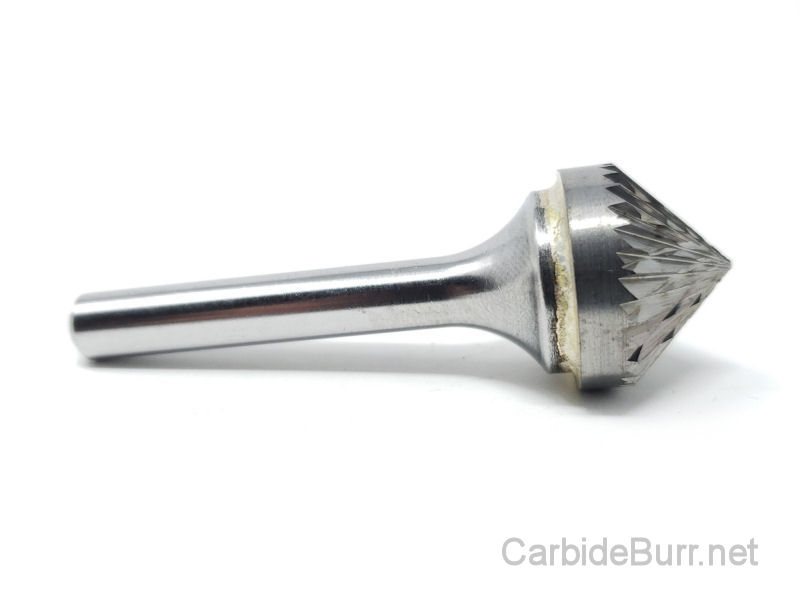
Several factors influence the choice of shank size. Consider the material, project scale, and desired precision. These elements will help you determine which shank offers the best fit.
Your tool’s compatibility is another key factor. Ensure your power tools can accommodate the chosen shank size. This alignment is crucial for achieving efficiency and preventing tool damage.
Tips for Effective Burr Usage
To use burrs effectively, maintain them well. Regular cleaning and proper storage extend their lifespan. Use the right tool speeds to prevent overheating and ensure smooth operations.
Invest in quality burrs for better performance. High-quality options provide sharper cuts and longer durability. This investment pays off in terms of efficiency and quality of work.
Making Informed Machining Decisions
To make informed decisions, assess your needs and the nature of your projects. Align your tools and burrs to meet these requirements effectively. This alignment results in improved performance and satisfaction.
Stay updated with advancements in tool technology. This knowledge can offer new solutions and improve your machining capabilities. Keeping informed ensures your methods and tools remain top-notch.
Frequently Asked Questions
What are carbide burrs used for?
Carbide burrs are used for cutting, shaping, and grinding various materials, including metal, wood, and plastic. They are essential in industries such as automotive and aerospace for tasks requiring precision and detail.
How do I choose between 1/8″ and 1/4″ shank burrs?
Choose based on your project’s scale and material. Use 1/8″ shank burrs for precision and small-scale tasks, and 1/4″ shank burrs for larger, more demanding projects requiring more power.
Why is shank size important in metalworking?
Shank size affects tool compatibility and performance. The right size ensures efficiency and precision, matching the power and speed requirements of your specific metalworking tasks.
Can I use any power tool with carbide burrs?
No, not all power tools are compatible. Check your tool’s specifications to ensure it can accommodate the shank size of the burrs you plan to use. Compatibility is key for effective and safe operations.
How can I maintain my carbide burrs?
Maintain burrs by cleaning them regularly and storing them properly to prevent damage. Use them at the correct speeds to avoid overheating and ensure they perform at their best for longer periods.
Follow Us On Social Media for Special Coupons
Facebook – Twitter – Instagram – Youtube
Carbide Burrs on 1/4″ Shanks – Solid Carbide Burrs – 1/4″ Carbide Burrs on 1/8″ Shanks – Long Shank Carbide Burrs – NF Carbide Burrs – Carbide Burr Sets – End Mills – Accessories
Order Tracking – Dropship Carbide Burr Tools – Contact Us – Cut Options – Coupon Codes – Posts
(513) 899-2610
PO Box 197 – Morrow Ohio 45152