Rotary Files vs Carbide Burrs: A Tool Comparison for Machinists and Hobbyists
Rotary files and carbide burrs often get mixed up, but they tackle metalwork in very different ways. If you’ve ever struggled to pick the right tool for your project, you’re not alone. This tool comparison breaks down the cutting capabilities and best uses for rotary files and carbide burrs, so you can choose exactly what fits your machining tools and fabrication processes. Keep reading to sharpen your toolkit with the right knowledge. Check out this guide for more insights.
Understanding Rotary Files
Rotary files are essential tools in metalwork, often used for specific tasks. Let’s dive into their design and uses to understand why they’re chosen by professionals.
Design and Structure
Rotary files have a unique design. They are cylindrical with sharp edges that help in cutting. Made from hardened steel, these tools are robust and reliable. The design allows them to cut through metal with precision. Their structure is simple, yet effective for detailed tasks. You can find them in various shapes, which offer flexibility for different jobs.
Cutting Capabilities of Rotary Files
Rotary files excel in precision work. They remove material efficiently, ideal for shaping and smoothing surfaces. The sharp edges make it easy to handle tough materials. Whether you’re dealing with stainless steel or softer metals, rotary files provide a clean finish. These tools can also reach into tight spots where other tools might struggle.
Best Uses for Rotary Files
Rotary files are perfect for tasks requiring detail. They’re often used in deburring, giving metal pieces a smooth finish. If you’re working on a project that involves intricate designs, rotary files are your go-to tool. They are also great for enlarging holes and preparing surfaces prior to welding or other treatment.
Exploring Carbide Burrs
Carbide burrs take a different approach to metalworking, offering distinct advantages in certain areas. Let’s explore their characteristics and applications to see why they’re popular.
Design and Structure
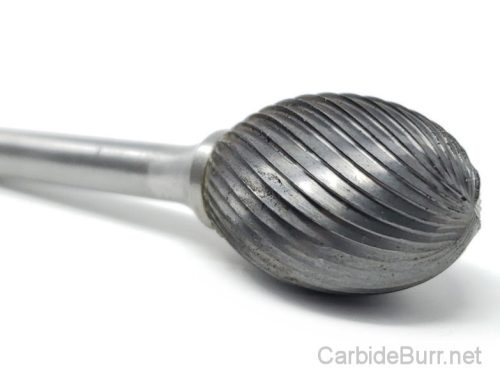
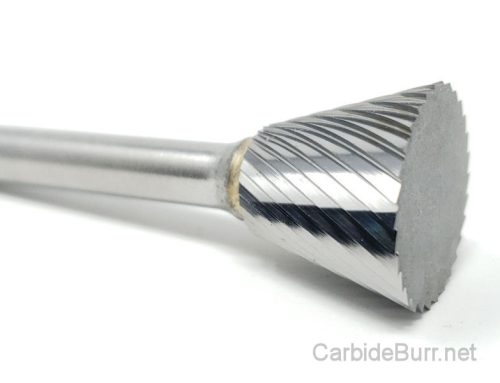
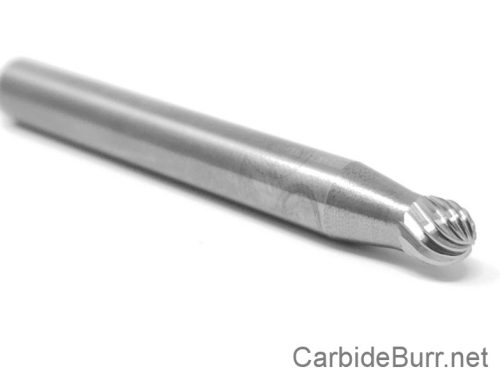
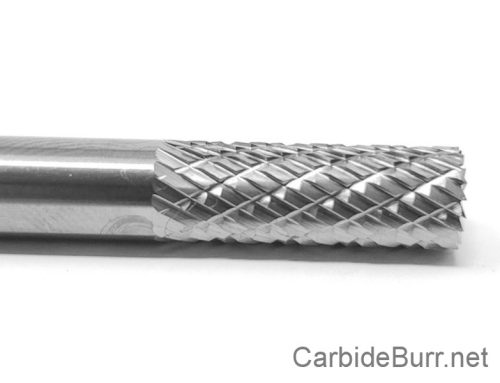
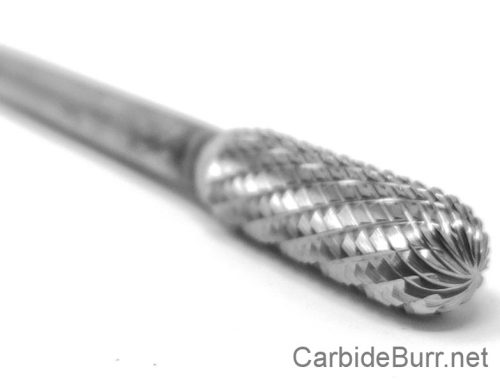
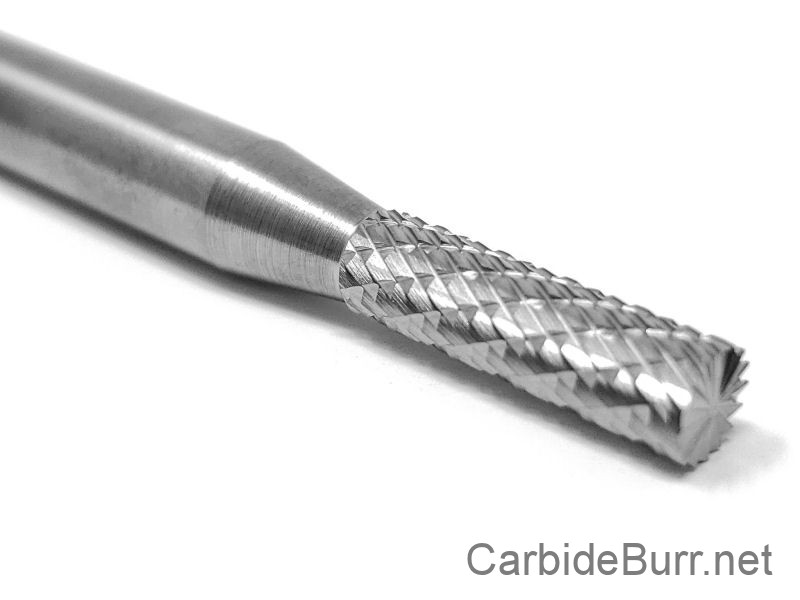
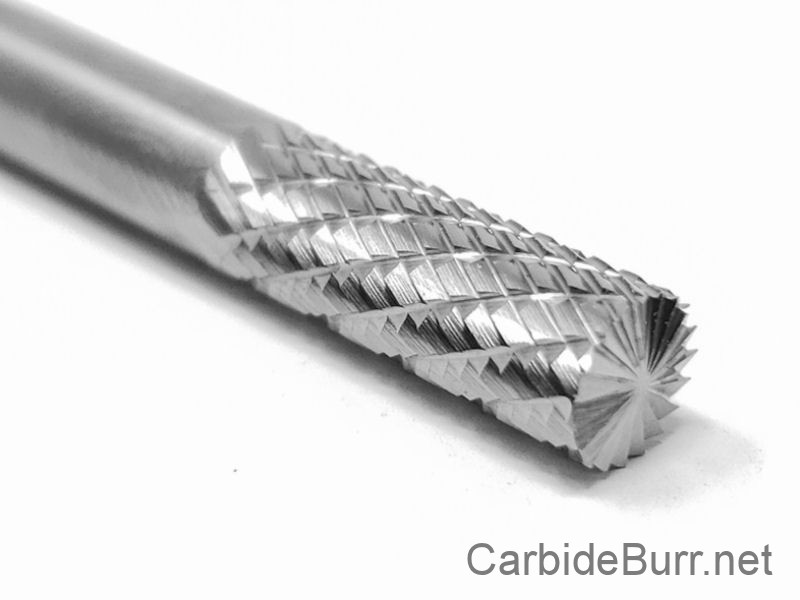
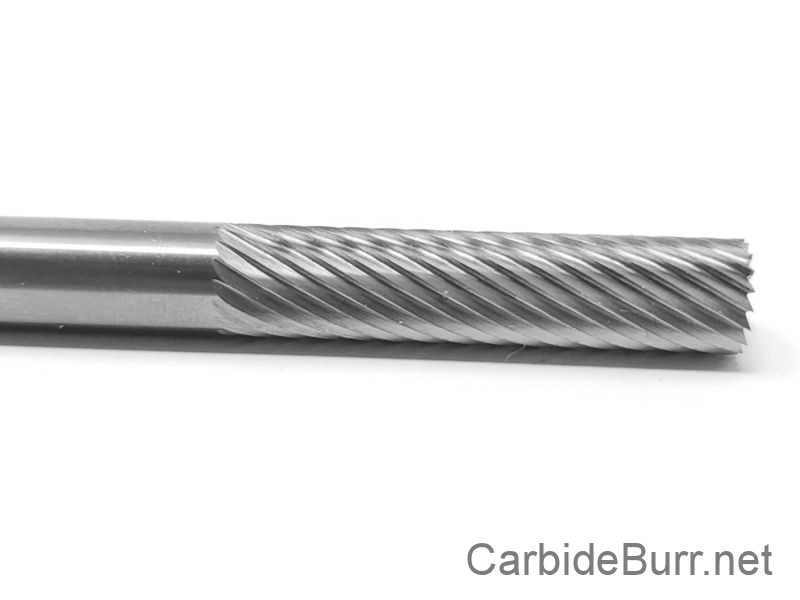
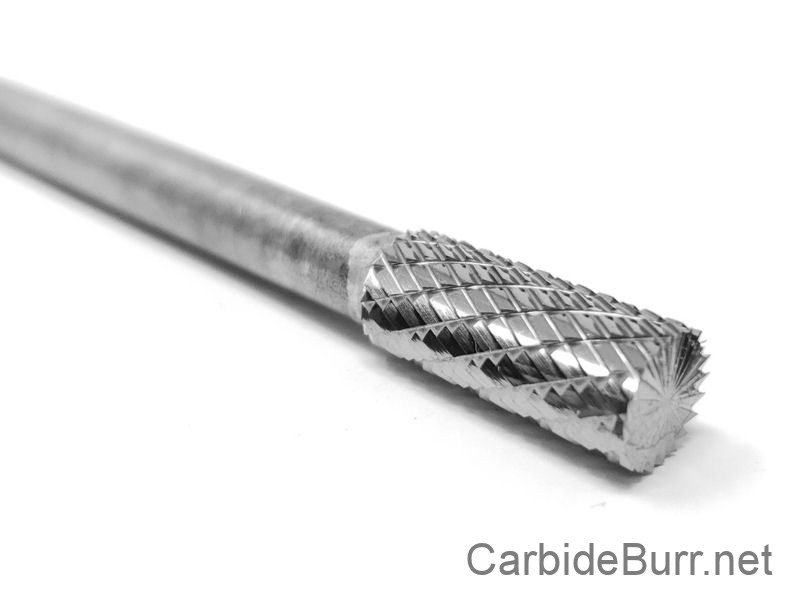
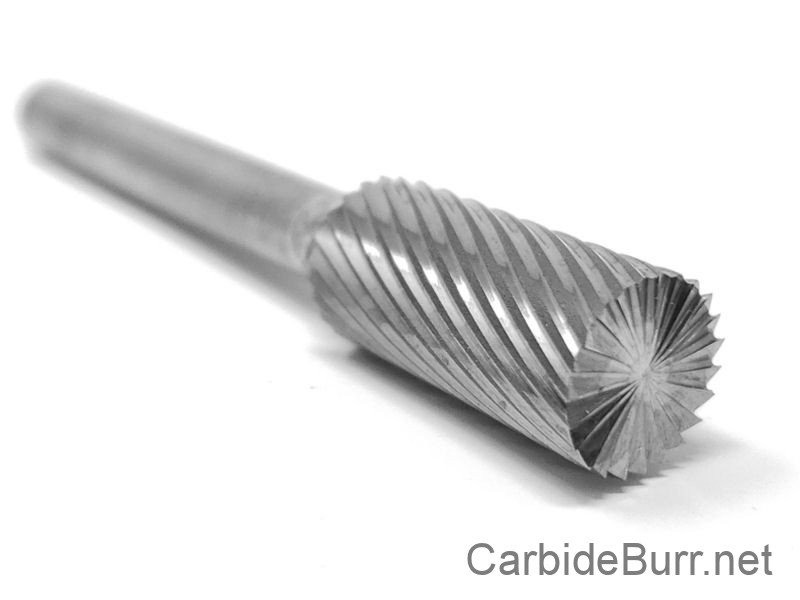
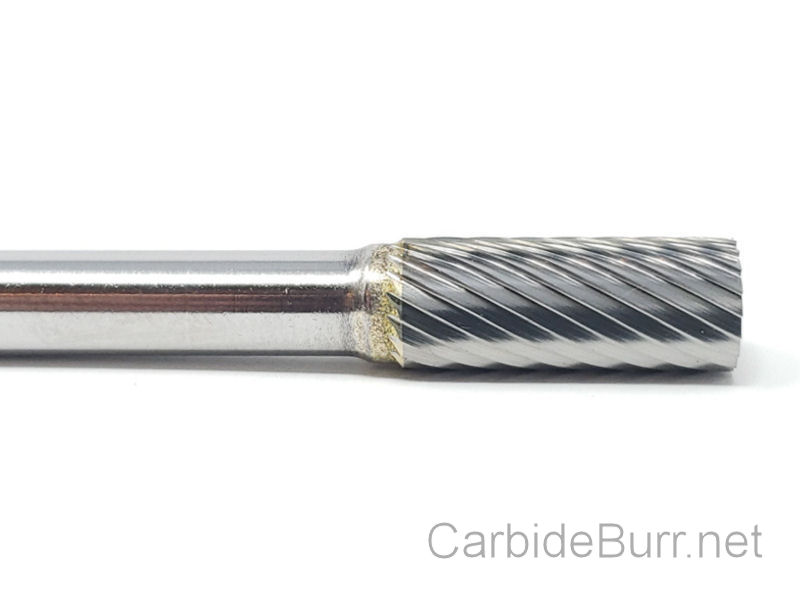
Carbide burrs come with a versatile design. They are crafted from tungsten carbide, making them extremely hard and durable. Their teeth are arranged in patterns that enhance cutting precision. These tools are available in many shapes and sizes, allowing for a variety of uses. The solid build ensures longevity, even with frequent use.
Cutting Capabilities of Carbide Burrs
Carbide burrs are known for their ability to cut through tough materials swiftly. They perform well with metals, and can also handle wood and plastic. The precision of carbide burrs makes them ideal for intricate work. Whether you’re carving or shaping, these tools provide control and accuracy. For more on their capabilities, visit this article.
Best Uses for Carbide Burrs
Carbide burrs are commonly used in industries like automotive and aerospace. They are perfect for detail work and can be used for shaping, carving, and grinding. If you’re tackling delicate work, these tools offer the precision you need. Their versatility extends to various materials, making them a valuable addition to any toolkit. Learn more about their role in different sectors here.
Tool Advantages and Limitations
Every tool has its strengths and weaknesses. Understanding these can help you make informed decisions about which to use in specific scenarios.
Rotary Files: Pros and Cons
Rotary files are favored for their precision and ease of use. They are great for detailed work and can handle various metals. However, they may not be as efficient on harder materials. Their simple design limits them to specific tasks, so they’re not as versatile as some might need.
Carbide Burrs: Pros and Cons
Carbide burrs are incredibly durable and versatile. They can cut through tough materials and offer precision in detailed work. On the downside, they can be more expensive than rotary files. They’re also heavier, which can affect ease of use in prolonged projects. Discover more about their benefits here.
Choosing the Right Tool for Your Project
The choice between rotary files and carbide burrs depends on various factors. Let’s explore how to make the best decision for your needs.
Factors to Consider
When choosing a tool, consider the material you are working with. Rotary files are best for softer metals and detail work, while carbide burrs are ideal for tougher materials. Think about the project’s complexity and choose a tool that matches your precision needs. Also, keep in mind the cost and durability requirements.
Practical Applications for Machinists and Hobbyists
For machinists, carbide burrs are often preferred for heavy-duty tasks. Hobbyists might find rotary files more suitable for smaller projects. Each tool offers unique benefits depending on the job at hand. Understanding their applications can greatly enhance your work efficiency and outcomes.
Enhancing Your Fabrication Processes
Optimizing your tools can significantly impact your productivity. Here are ways to ensure your tools are effectively used and maintained.
Tips for Effective Tool Use
-
Choose the right tool: Match the tool to the task to ensure efficiency.
-
Proper speed settings: Use the correct speed to avoid damage to the tool or workpiece.
-
Maintain a steady hand: For precision work, keep a steady grip on the tool.
Maintenance and Care for Longevity
Maintaining your tools ensures they last longer and perform better:
-
Clean regularly: Remove debris after each use.
-
Check for wear: Inspect tools for signs of wear and replace if necessary.
-
Store properly: Keep tools in a dry, safe place to prevent rust and damage.
Frequently Asked Questions
What are rotary files used for?
Rotary files are primarily used for detailed metalwork. They are excellent for deburring, smoothing, and shaping metal surfaces. These tools are particularly useful for intricate designs and enlarging holes.
Why choose carbide burrs over rotary files?
Carbide burrs are preferred when working with tougher materials. They offer durability and precision, making them ideal for detailed tasks in various industries, including automotive and aerospace.
How do I maintain my rotary files and carbide burrs?
To maintain these tools, clean them after each use, check for wear, and store them in a dry place. Regular maintenance ensures they remain sharp and effective for longer periods.
Follow Us On Social Media for Special Coupons
Facebook – Twitter – Instagram – Youtube
Carbide Burrs on 1/4″ Shanks – Solid Carbide Burrs – 1/4″ Carbide Burrs on 1/8″ Shanks – Long Shank Carbide Burrs – NF Carbide Burrs – Carbide Burr Sets – End Mills – Accessories
Order Tracking – Dropship Carbide Burr Tools – Contact Us – Cut Options – Coupon Codes – Posts
(513) 899-2610
PO Box 197 – Morrow Ohio 45152