Mastering Metalworking Tools: How to Choose the Right Die Grinder Speed
Most people think faster die grinder speed means better results with carbide burrs. That’s not true. Using the wrong RPM can wear out your tools and damage your workpiece fast. This post breaks down how to pick the optimal RPM settings to get the best burr performance and keep your metalworking tools sharp for longer. For more details, check out this resource.
Understanding Die Grinder Basics
Before diving into speeds, it’s crucial to understand what a die grinder is and what it offers. This section will shed light on its key features and types.
Key Features of Die Grinders
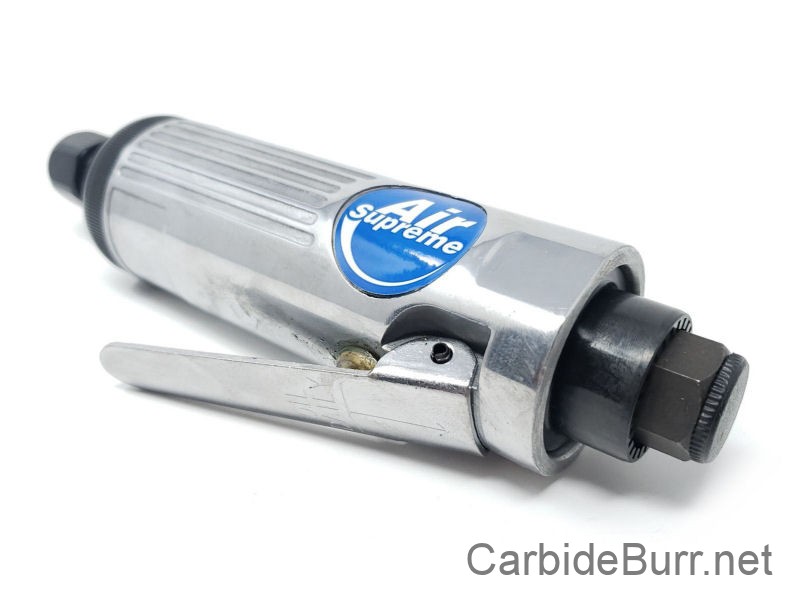
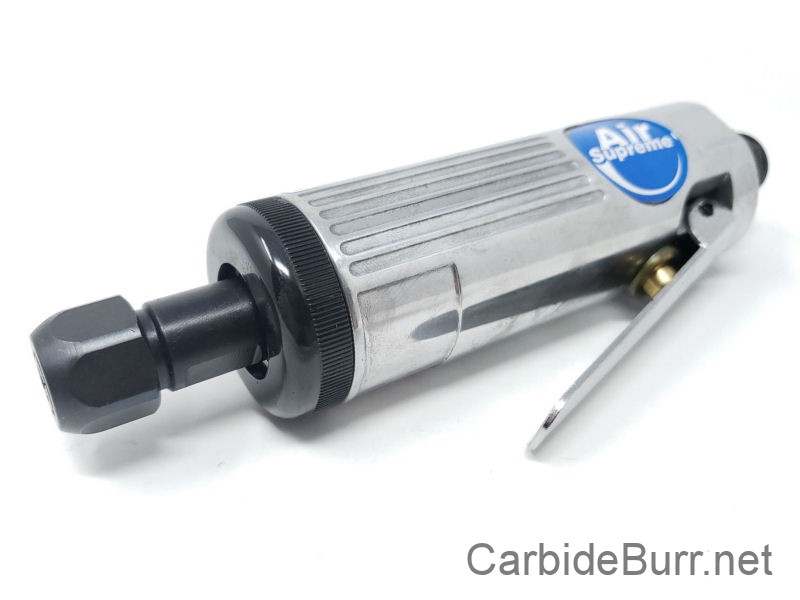
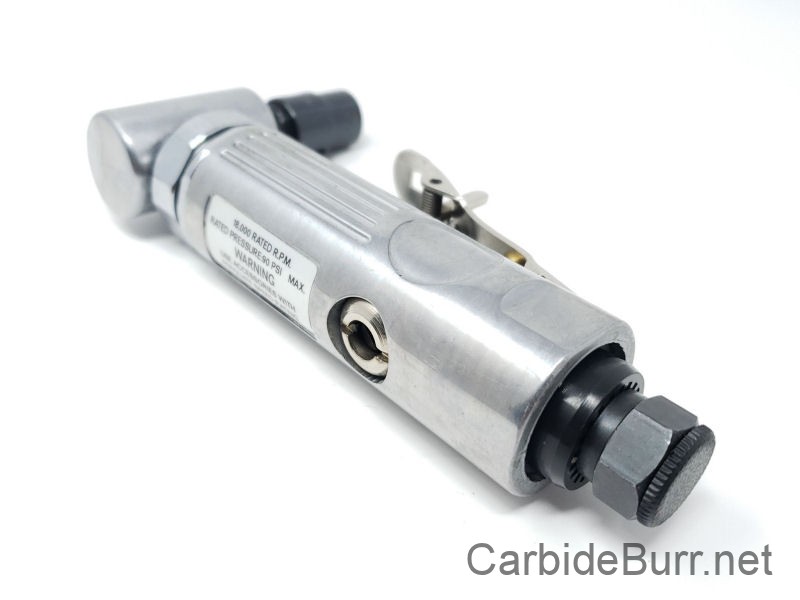
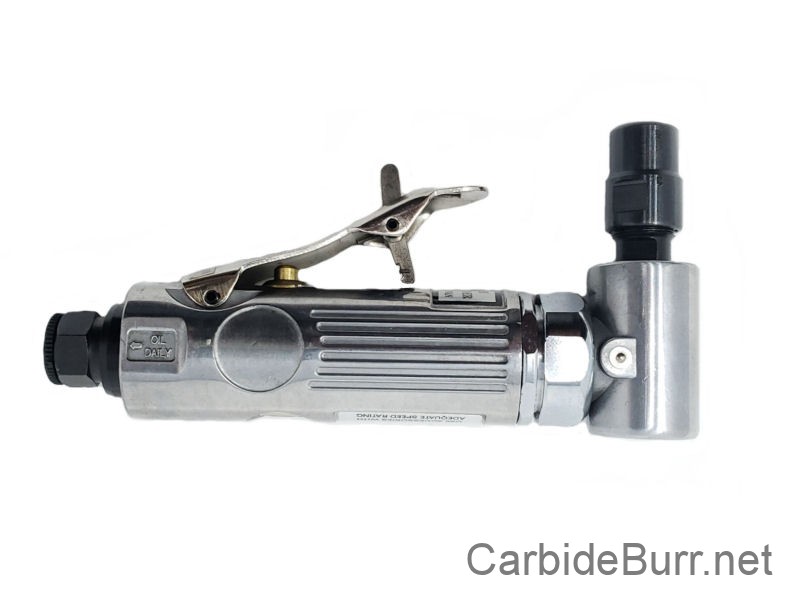
Die grinders are versatile tools that can shape, cut, and polish metal. They standout because of their compact size, allowing you to work in tight spaces. With variable speed options, you gain control over your work. They often come with a powerful motor, enabling you to tackle hard materials. The lightweight design makes them easy to handle, reducing fatigue during longer tasks. Most importantly, die grinders have adjustable collets to fit different tool attachments, offering flexibility for various projects.
Types of Die Grinders
There are primarily two types: electric and pneumatic. Electric grinders are ideal for projects where portability is needed. They plug into an outlet and are ready to go. Pneumatic grinders, on the other hand, require an air compressor. They are known for delivering higher torque, making them perfect for heavy-duty tasks. Choosing the right type depends on your work environment and the nature of the project. If you’re working in a shop with an air supply, pneumatic might be your go-to. For on-the-move tasks, electric is the way.
The Role of Carbide Burrs
Now, let’s explore the integral part carbide burrs play in metalworking. They shape your workpiece and influence the quality of the finish.
Benefits of Carbide Burrs
Carbide burrs are known for their durability. They are capable of withstanding high temperatures, which makes them ideal for heavy-duty tasks. The longevity of carbide burrs means fewer replacements, saving you money in the long run. They also provide precision, allowing for intricate work on metals. This makes them valuable in industries like aerospace and automotive.
Different Burr Shapes
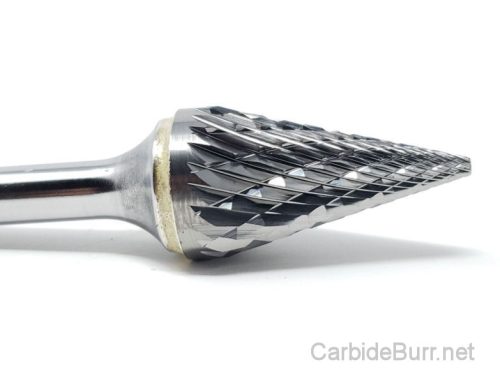
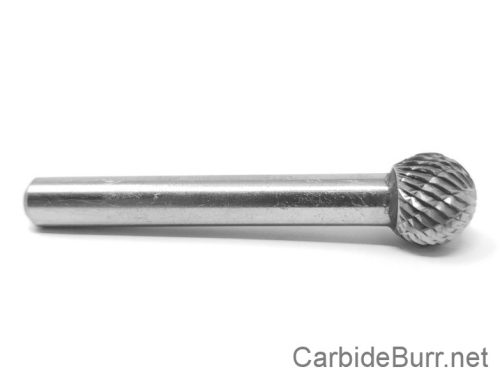
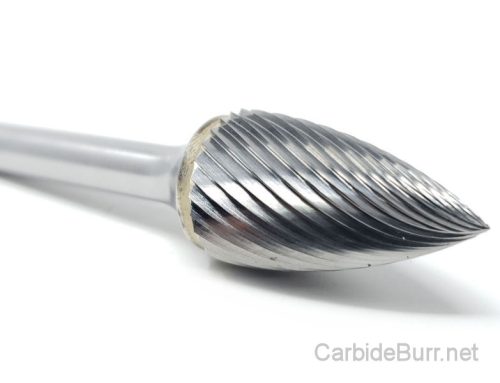
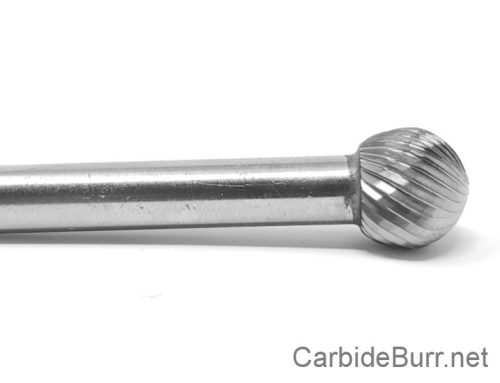
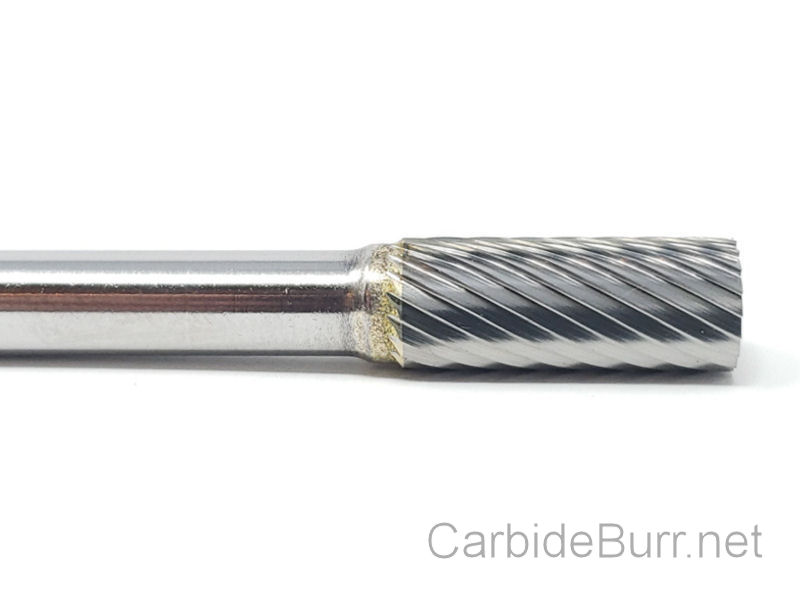
Burrs come in various shapes, each serving a specific function. The popular ones include:
-
Cylinder: Ideal for flat surfaces
-
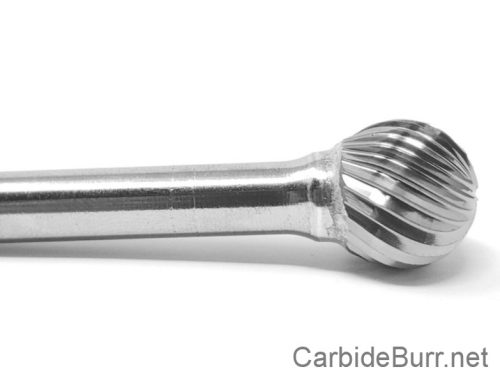
Ball: Perfect for creating concave cuts
-
Tree: Excellent for rounding off edges
Selecting the right shape is crucial for achieving the desired finish. For instance, using a ball shape on a flat surface might not yield the best results. Learn more about burr shapes and their applications in different industries.
Finding Optimal RPM Settings
Determining the right speed for your die grinder isn’t just about turning up the dial. It requires understanding the material and the burr type you are using.
Impact of Material on Speed
Different materials require different speeds. Softer materials, like aluminum, need lower speeds to prevent the burr from clogging. Conversely, harder materials, such as steel, can handle higher speeds. Keep in mind: Using the incorrect speed can lead to inefficient cutting and excessive wear on your burrs. It’s crucial to adjust the RPM based on the material to maintain tool efficiency.
Adjusting Speed for Burr Types
Not all burrs are created equal. Some are designed for high-speed applications, while others work best at lower speeds. For instance, a coarse burr used on high speed might damage the workpiece. Fine burrs often require precision and thus slower speeds. Matching the right burr with the correct RPM ensures optimal performance and prolongs the life of your tools. For more insights, check out this detailed guide.
Enhancing Burr Performance
To get the most out of your burrs, it’s essential to focus on extending tool life and improving the quality of your workpieces.
Extending Tool Life
Proper maintenance plays a big role in extending the life of your burrs. Regular cleaning prevents the build-up of materials that can dull the burr. Storing them in a dry environment also prevents rusting. It’s also important to use the correct speed settings, as discussed earlier. This not only enhances performance but also reduces the risk of breakage.
Improving Workpiece Quality
Quality finish on your workpiece often hinges on the right burr choice and speed. Consistent speed helps in achieving a smooth finish. Any variance might cause uneven cuts. Also, using the right shape ensures the intended form is achieved. For an in-depth look at improving surface quality, refer to this article.
Practical Machining Tips
Finally, let’s cover some practical tips to ensure your machining projects are safe and successful.
Safety Precautions to Follow
Safety should be your priority when using die grinders. Always wear protective gear, including goggles and gloves. Ensure your workspace is clean to avoid any accidents. It’s vital to check the grinder and burrs for any signs of damage before use. Never exceed the recommended RPM settings to prevent tool malfunctions.
Selecting the Right Tools for DIY Projects
For DIY enthusiasts, choosing the right tools can make all the difference. Begin by identifying the material you’ll be working with and the desired finish. Choose die grinders and burrs that suit your project needs. For instance, an electric grinder might be more suitable for home projects due to its portability. Ensure that you are familiar with the tools and their functions before starting any project.
Frequently Asked Questions
What is the best die grinder speed for carbide burrs?
The best speed depends on the material being worked on. For softer materials, use lower speeds to prevent clogging. For harder materials, higher speeds can be used to ensure effective cutting.
How do I maintain carbide burrs for longer use?
To maintain carbide burrs, clean them regularly to avoid build-up. Store them in a dry place to prevent rust, and always use the correct RPM settings for the material and burr type.
Why are carbide burrs preferred in metalworking?
Carbide burrs are preferred due to their durability and ability to withstand high temperatures. They offer precision, making them ideal for intricate metalwork and various industrial applications.
Follow Us On Social Media for Special Coupons
Facebook – Twitter – Instagram – Youtube
Carbide Burrs on 1/4″ Shanks – Solid Carbide Burrs – 1/4″ Carbide Burrs on 1/8″ Shanks – Long Shank Carbide Burrs – NF Carbide Burrs – Carbide Burr Sets – End Mills – Accessories
Order Tracking – Dropship Carbide Burr Tools – Contact Us – Cut Options – Coupon Codes – Posts
(513) 899-2610
PO Box 197 – Morrow Ohio 45152