Carbide Burrs vs. High-Speed Steel: Choosing the Right Tool for Your Project
Carbide burrs and high-speed steel tools both promise strong performance, but which one fits your project best? Choosing the right tool means weighing durability, cutting efficiency, and heat resistance carefully. This tool comparison breaks down what each material offers and when to pick one over the other. Plus, you’ll get practical maintenance tips to keep your woodworking tools and metalworking tools sharp and ready for action.
Understanding Carbide Burrs and High-Speed Steel
Choosing the right tool begins with understanding what these materials are made of and how they’re designed. It sets a foundation for you to make informed decisions.
Material Composition Overview
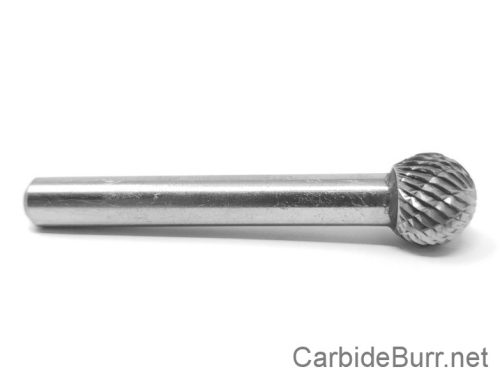
Carbide burrs are crafted from a compound of carbon and tungsten, making them incredibly hard. This structure allows them to perform well under high stress and heat. High-speed steel, on the other hand, is an alloy composed mainly of iron, with added elements like chromium and vanadium. This composition provides good toughness and the ability to be easily ground to a sharp edge. Both materials offer unique benefits, but their differences are crucial when selecting the right tool. This knowledge is key to knowing which will best suit your project needs.
Key Differences in Tool Design
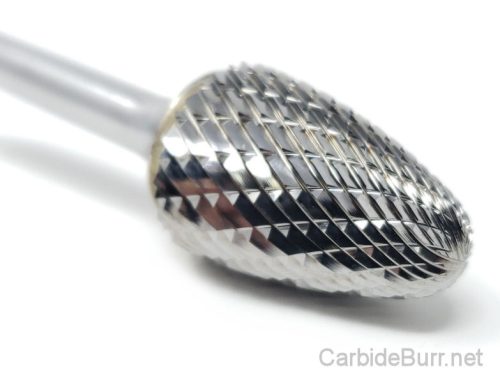
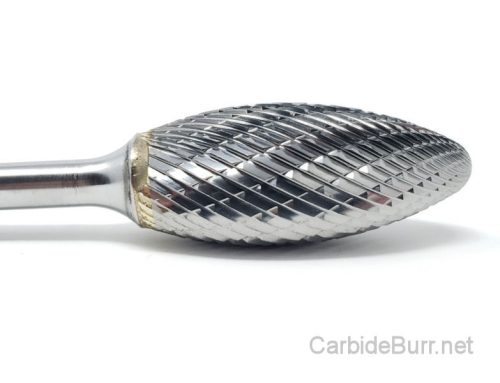
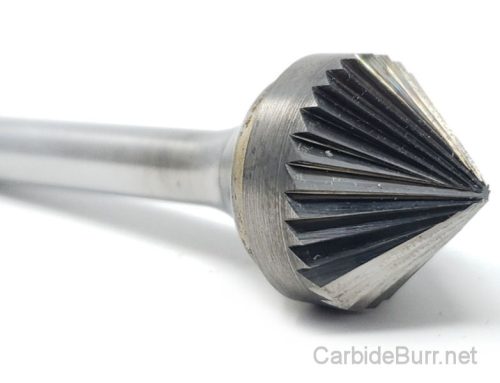
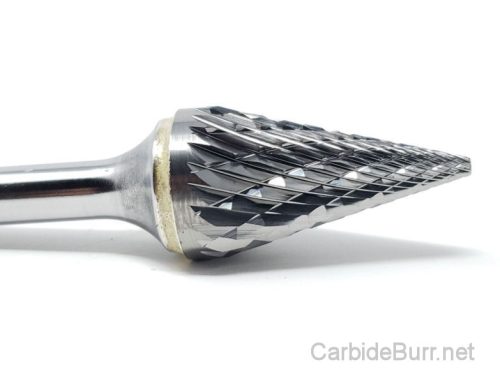
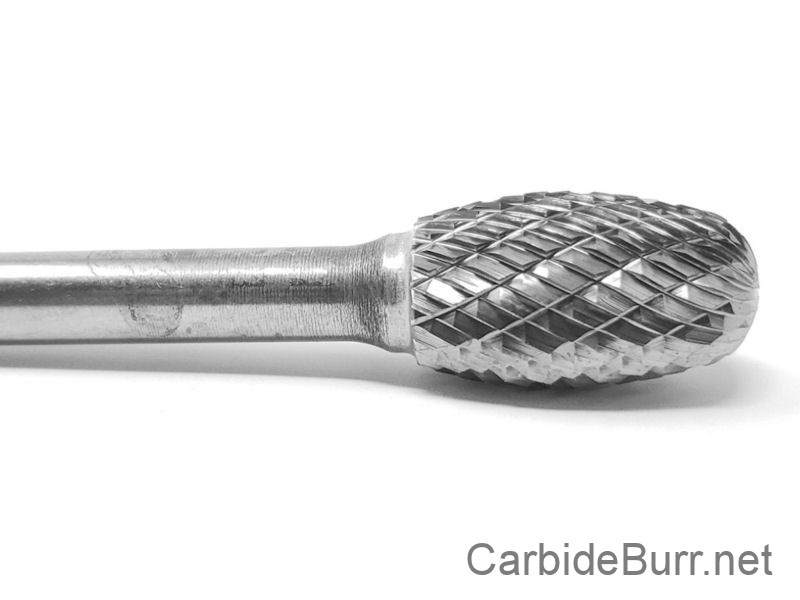
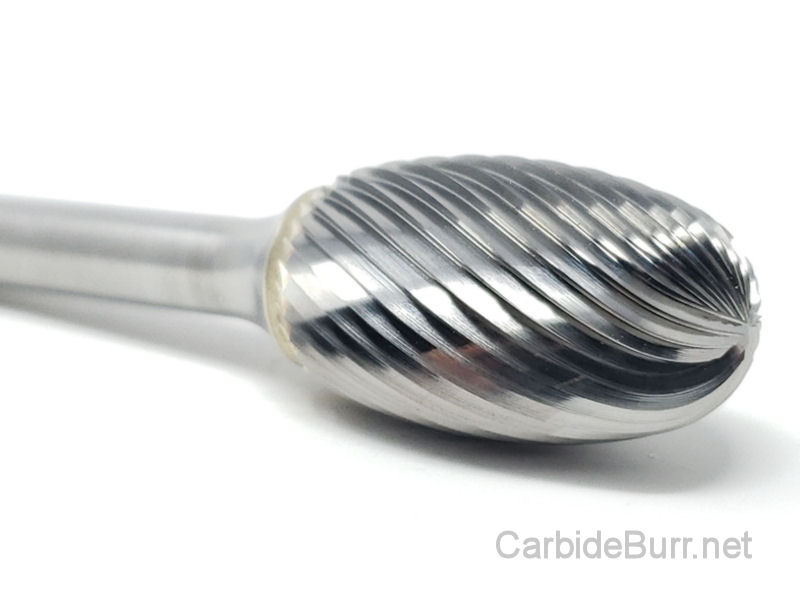
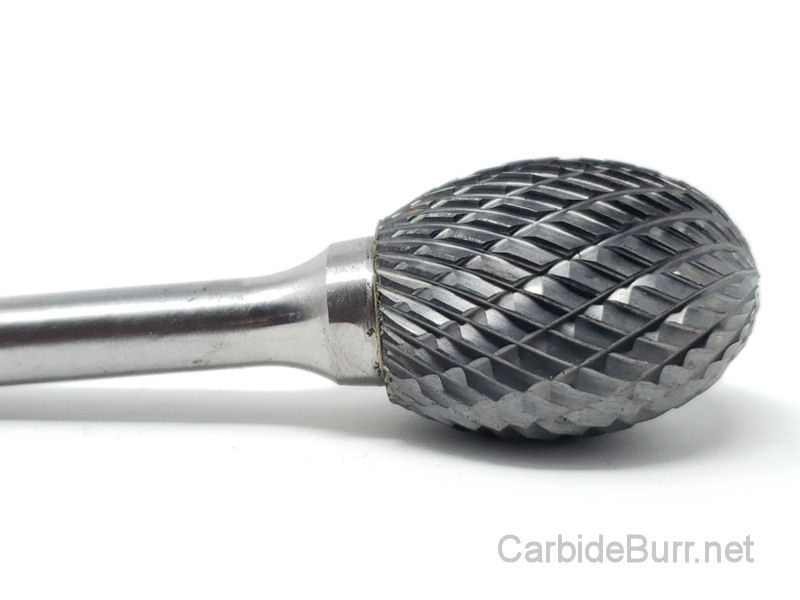
The design of carbide burrs and high-speed steel tools contributes significantly to their performance. Carbide burrs are usually designed with intricate cutting edges, ideal for detailed work. Their robustness allows for precise shaping without dulling quickly. In contrast, high-speed steel tools often have simpler designs but offer flexibility, making them suitable for a variety of tasks. Understanding these design differences helps you anticipate how each tool will perform in practice, leading to better project outcomes.
Common Uses for Each Material
Carbide burrs are typically used in applications requiring fine detail and precision, such as automotive repairs. Their ability to maintain sharpness makes them ideal for delicate tasks. High-speed steel is often employed in situations where versatility and resilience are needed, such as general woodworking. Knowing the common uses of each material helps you match the tool to your specific task, ensuring efficiency and effectiveness.
Assessing Durability and Longevity
Understanding the durability of your tools ensures they can withstand the demands of your projects. Let’s dive into how each material holds up over time.
Durability of Carbide Burrs
Carbide burrs are known for their extreme durability. Made from a tough carbon and tungsten compound, they maintain their shape and cutting edge even under intense use. This makes them ideal for repetitive tasks where maintaining a sharp edge is crucial. For example, in aerospace applications, where precision is key, carbide burrs excel. Their robust nature ensures they can handle high-pressure environments without degrading quickly.
High-Speed Steel Lifespan
High-speed steel, while not as hard as carbide, offers excellent durability through its toughness. This allows it to absorb impacts and resist chipping. In tasks requiring a balance between hardness and flexibility, high-speed steel shines. It can be resharpened easily, extending its lifespan and making it a cost-effective option for many users. Understanding its lifespan advantages can guide you in projects that demand resilience over prolonged periods.
Comparing Wear and Tear
When comparing the wear and tear of carbide burrs and high-speed steel, consider the workload and environment. Carbide burrs resist wear better, maintaining sharpness longer, which is perfect for intensive use. High-speed steel, although it wears faster, can be sharpened repeatedly, offering a longer service life if well-maintained. Knowing these differences helps you select the right tool based on project intensity and the need for durability.
Evaluating Cutting Efficiency
Cutting efficiency can make or break the success of your project. Knowing which tool cuts better under specific conditions is crucial for optimal results.
Cutting Capabilities of Carbide Burrs
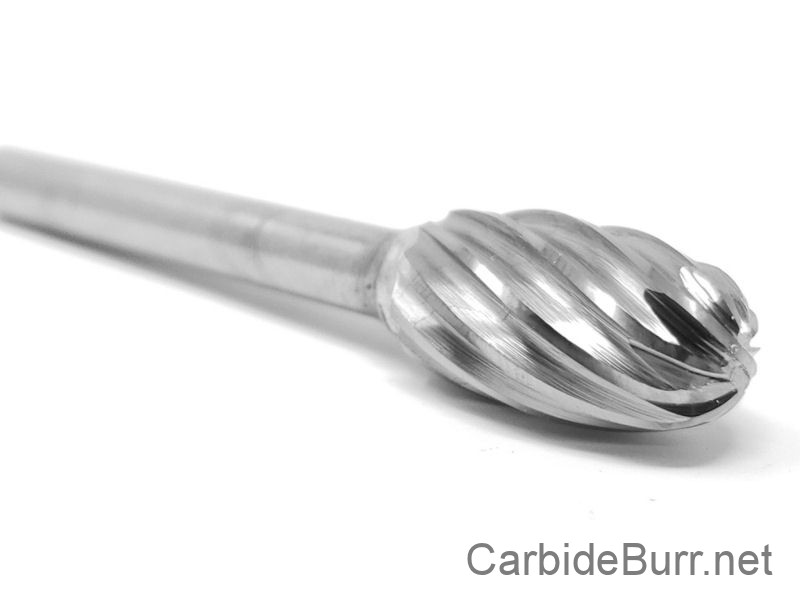
Carbide burrs provide superior cutting efficiency due to their hardness and precision. They’re perfect for tasks that require intricate cuts and fine detail, such as engraving or surface restoration. Their ability to stay sharp longer means less downtime for sharpening, enhancing productivity. For example, bringing fine details to life with carbide burrs ensures crisp, clean results every time.
High-Speed Steel Performance
While not as hard as carbide, high-speed steel offers a balance of sharpness and flexibility, making it suitable for a variety of cutting tasks. Its ability to withstand heat and pressure allows it to perform well in less demanding projects. It’s an excellent choice for general cutting tasks where precision is less critical, providing reliable performance and easy maintenance.
Impact on Project Outcomes
The choice between carbide burrs and high-speed steel can significantly impact project outcomes. Carbide burrs provide superior results in projects requiring fine detail and precision. High-speed steel, however, offers versatility and durability, making it ideal for broader applications. Understanding these impacts helps ensure that the tools you select align with your project goals, maximizing success and efficiency.
Heat Resistance and Handling
Heat resistance is key when selecting tools for high-temperature tasks. Understanding each material’s heat tolerance helps you choose the best tool for your needs.
Heat Tolerance of Carbide Burrs
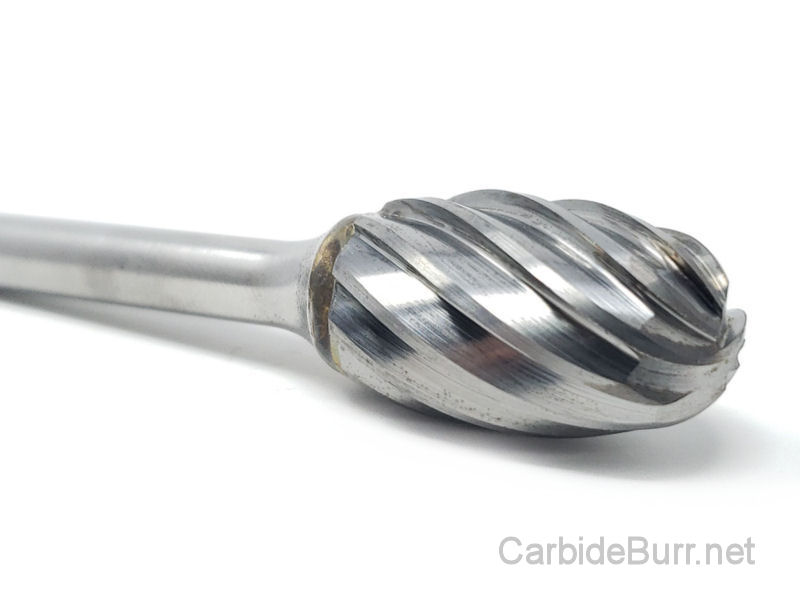
Carbide burrs excel in high-temperature environments due to their heat resistance. This makes them perfect for projects that generate a lot of friction and heat, such as metalworking. Their ability to maintain integrity under heat ensures consistent performance without losing sharpness, which is crucial for maintaining precision throughout a project.
Managing High-Speed Steel Under Heat
High-speed steel can handle moderate heat well, although it doesn’t match the heat tolerance of carbide. It performs adequately in applications with occasional high temperatures. However, prolonged exposure to heat can lead to reduced hardness, impacting cutting performance. Regular cooling and proper handling help maintain its effectiveness, ensuring it remains a reliable tool for various tasks.
Effects on Tool Performance
The heat resistance of each material affects tool performance significantly. Carbide burrs maintain their edge and shape under high heat, offering consistent precision. High-speed steel, while less heat-resistant, can still perform efficiently with proper handling. Recognizing these effects helps you manage your tools effectively, ensuring they deliver optimal results across different projects.
Selecting the Right Tool for Your Needs
Choosing the right tool depends on your project requirements and budget. Let’s explore how to make the best choice for your specific needs.
Considerations for Metalworking Projects
In metalworking, tool choice is crucial for precision and durability. Carbide burrs are often preferred for their ability to maintain performance under high stress. They are ideal for detailed metal projects where sharpness and precision are vital. High-speed steel, while not as hard, offers versatility and is a suitable choice for tasks that require some flexibility. Understanding these considerations helps you select the right tool for your metalworking needs, ensuring high-quality results.
Best Choices for Woodworking Tasks
For woodworking, the choice of tool depends on the type of work. Carbide burrs excel in detailed carving and intricate work, where precision is key. High-speed steel is ideal for general tasks due to its toughness and ease of sharpening. Knowing the strengths of each material allows you to choose the best tool for your woodworking projects, ensuring efficiency and quality.
Budgeting and Cost-Effectiveness
Budget considerations play a significant role in tool selection. While carbide burrs are more expensive, their durability and precision justify the cost for high-demand tasks. High-speed steel, being more affordable, offers great value for general projects with less precision required. Balancing cost with the specific needs of your project ensures you choose the most cost-effective solution without compromising on performance.
Frequently Asked Questions
What are carbide burrs best used for?
Carbide burrs are best used for detailed and precise tasks, such as engraving, shaping, and surface restoration. Their hardness and ability to maintain sharpness make them ideal for high-stress applications, ensuring crisp, clean results.
How does high-speed steel compare to carbide in terms of cost?
High-speed steel is generally more affordable than carbide, making it a cost-effective option for general tasks. While carbide offers superior precision and durability, high-speed steel provides good value for projects where flexibility and budget are priorities.
Can high-speed steel tools be used for metalworking?
Yes, high-speed steel tools can be used for metalworking, particularly in tasks that require some flexibility and toughness. Although they don’t offer the same level of precision as carbide, they perform well in less demanding metalworking applications.
How do I maintain carbide burrs for longer use?
To maintain carbide burrs, keep them clean and store them in a dry place to prevent rust. Regularly inspect for wear and sharpen as needed to ensure they remain effective for high-precision tasks.
What factors should I consider when choosing between carbide burrs and high-speed steel?
Consider the specific demands of your project, such as precision, heat exposure, and budget. Carbide burrs are suited for detailed work requiring durability, while high-speed steel offers versatility for general tasks. Balancing these factors helps you make the best choice for your needs.
Follow Us On Social Media for Special Coupons
Facebook – Twitter – Instagram – Youtube
Carbide Burrs on 1/4″ Shanks – Solid Carbide Burrs – 1/4″ Carbide Burrs on 1/8″ Shanks – Long Shank Carbide Burrs – NF Carbide Burrs – Carbide Burr Sets – End Mills – Accessories
Order Tracking – Dropship Carbide Burr Tools – Contact Us – Cut Options – Coupon Codes – Posts
(513) 899-2610
PO Box 197 – Morrow Ohio 45152