Top Tips to Avoid Common Carbide Burr Mistakes and Boost Your Efficiency
Most people think using carbide burrs is just about picking any tool and going to work. The truth is, common carbide burr mistakes like wrong speed settings or poor burr selection can wreck your tools and slow your progress. This post shares simple carbide burr tips to help you avoid those pitfalls, stay safe with carbide burrs, and get the best results from your projects. Learn more here.
Avoiding Incorrect Speed Settings
Understanding the right speed for your carbide burr can stop unnecessary wear and tear. First, let’s understand why speed matters.
Understanding Speed Importance
Incorrect speed settings can lead to tool damage. Running the burr too fast might cause overheating, which can dull your burr prematurely. On the other hand, a slow speed may not cut efficiently, wasting time. Always check the recommended RPM for your specific tool and material. Common carbide burr mistakes, like ignoring speed guidelines, are easy to avoid with the right knowledge.
Adjusting for Material Type
Different materials require different speeds. For instance, harder materials like steel need a slower speed to avoid overheating. Softer materials can handle faster speeds. Test on scrap material first to find what feels right. This ensures you get a smooth cut without damaging the burr or the workpiece.
Monitoring Speed Consistently
Once you set the correct speed, keep an eye on it. Changes in sound or vibration can indicate speed issues. Use a tachometer if available, or listen to the tool. If the burr struggles, it might need a speed adjustment. Regular speed checks help maintain your tool’s efficiency and prolong its life.
Proper Burr Selection Techniques
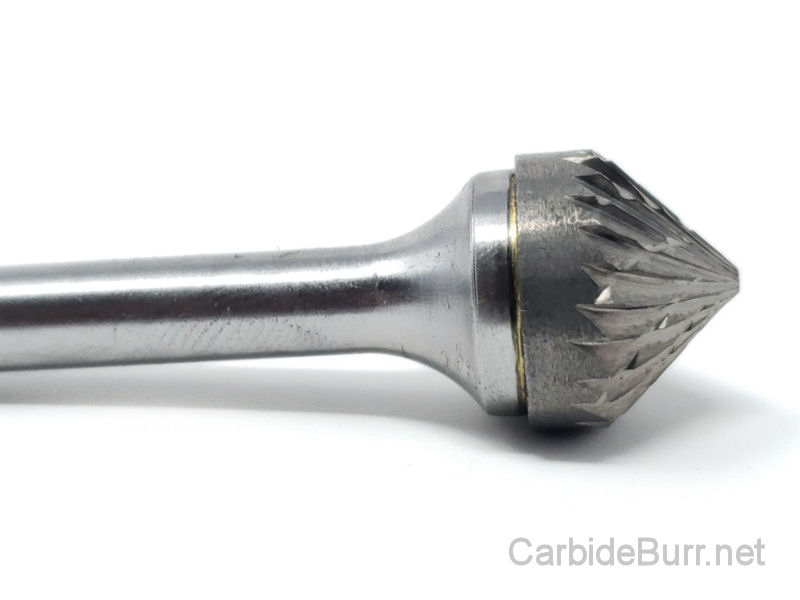
Choosing the right burr is crucial for any project. It’s not just about picking any shape or size; it’s about matching it to your task.
Matching Burr to Material
Ensure that the burr you choose is suitable for your material. Using the wrong burr can ruin your project. For example, a coarse burr is better for wood, while a finer one works well on metal. This choice impacts how cleanly you can work and how long your tool will last.
Selecting the Right Shape
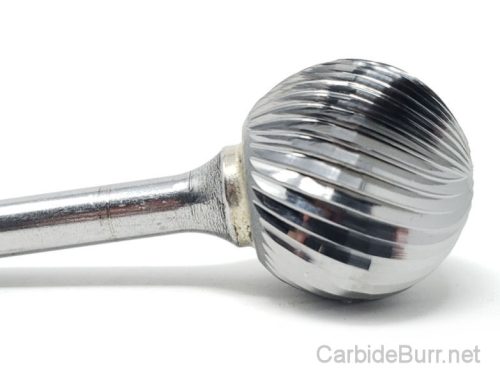
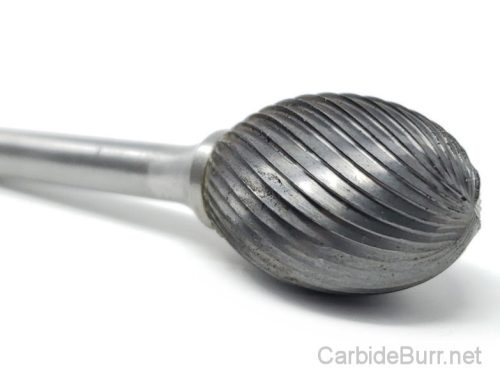
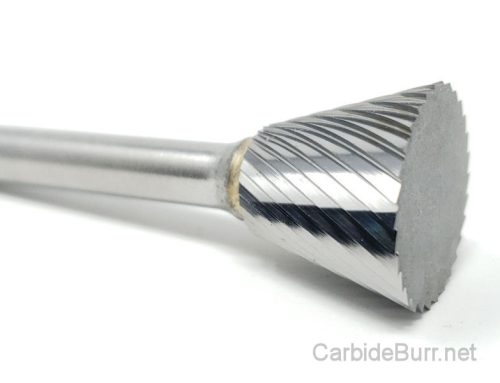
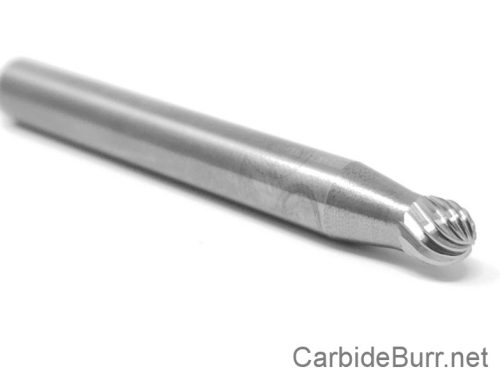
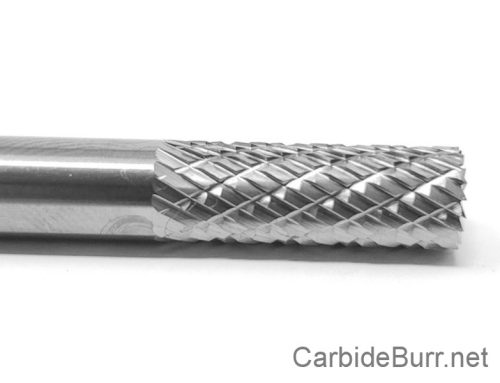
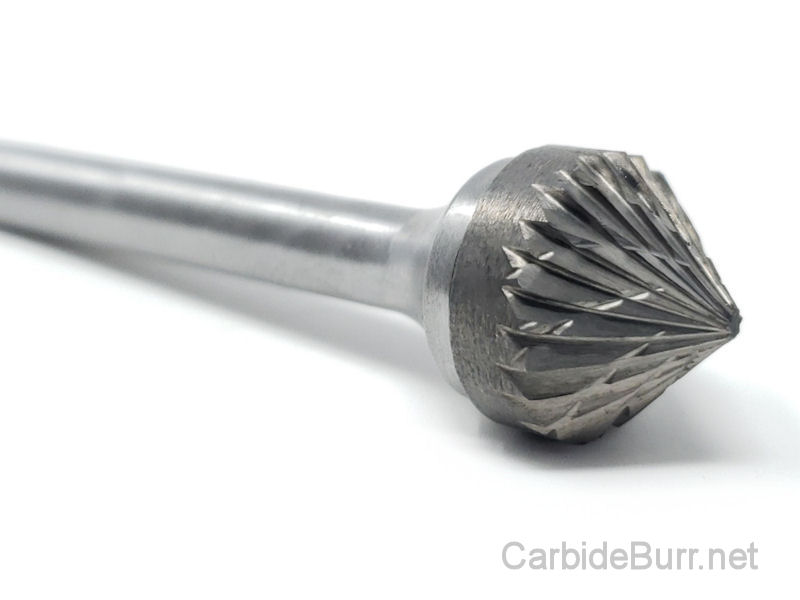
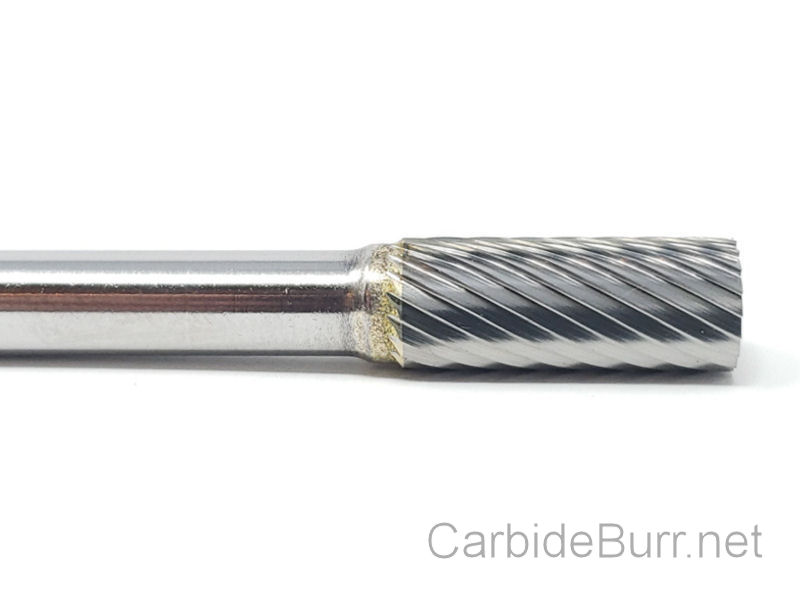
Different shapes serve different purposes. A ball shape might work well for hollowing out areas, while a cylindrical shape is better for flat surfaces. Think about what your project requires before selecting a shape. Remember, the right shape can make a big difference in achieving the desired outcome.
Impact of Size on Performance
Size matters when it comes to burr performance. Larger burrs can remove more material quickly, but they also require more control. Meanwhile, smaller burrs provide precision but might take longer. Consider the scale of your project and the level of detail needed to choose the correct size.
Enhancing Tool Efficiency
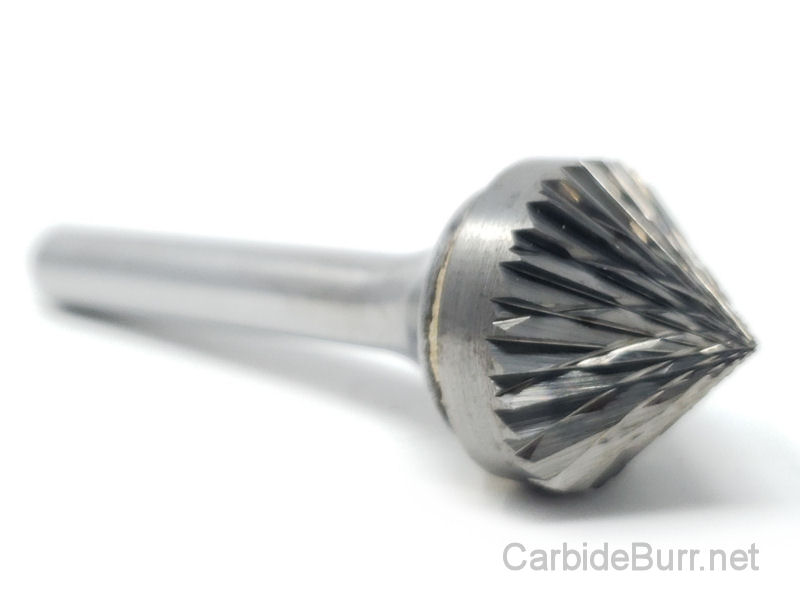
Keeping your tools in top shape ensures they work efficiently and last longer. Simple maintenance practices can make a big difference.
Maintaining Sharpness
A sharp burr is more effective and safer. Dull burrs require more pressure and can slip, leading to accidents. Regularly sharpening your burrs will save you time in the long run and keep your projects looking professional.
Regular Cleaning Practices
Cleaning your burrs prevents debris buildup. After each use, remove any shavings or dust. A quick rinse or an air blast can maintain tool efficiency. Keeping them clean reduces wear and keeps your workspace tidy.
Storage Tips for Longevity
Proper storage prevents damage. Store burrs in a dry place and avoid stacking them, which can dull edges. Use a dedicated toolbox to keep them organized. This ensures that your burrs remain in good condition and ready for your next project.
Ensuring Safety with Carbide Burrs
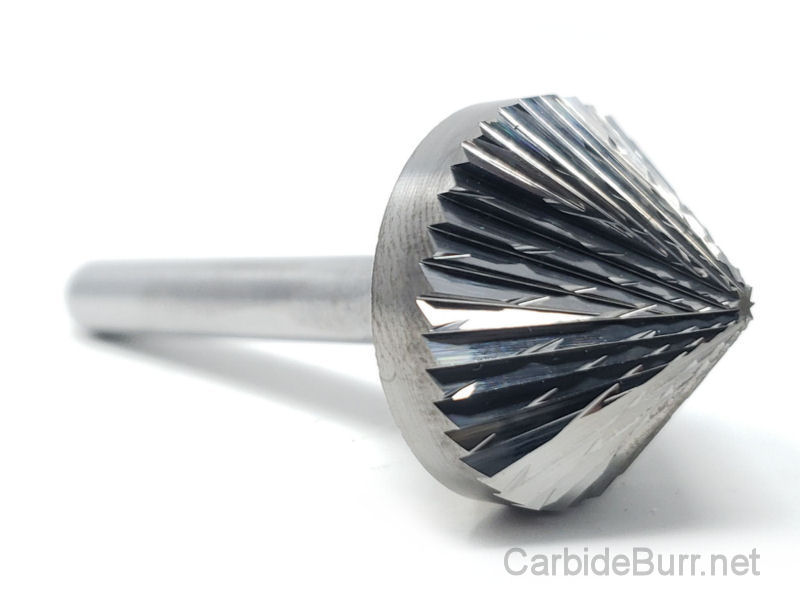
Safety should always come first when working with carbide burrs. Taking a few precautions can prevent accidents.
Essential Safety Gear
Always wear protective gear. Safety glasses, gloves, and a dust mask are crucial. They protect you from flying debris and dust, which are common when using carbide burrs. Safety gear is an easy way to protect yourself while working.
Safe Work Environment Tips
A clean, organized workspace enhances safety. Remove any unnecessary items that could cause distractions or accidents. Ensure your work area is well-lit and ventilated to avoid inhaling dust. A safe environment allows you to focus on the task and reduces the chance of injury.
Handling and Operation Safety
Handle tools with care. Secure your workpiece so it doesn’t move. Use both hands to control the tool, and never force it. Pushing too hard can lead to slips and accidents. Following these simple steps helps you maintain control and safety during your tasks.
Carbide Burr Maintenance Essentials
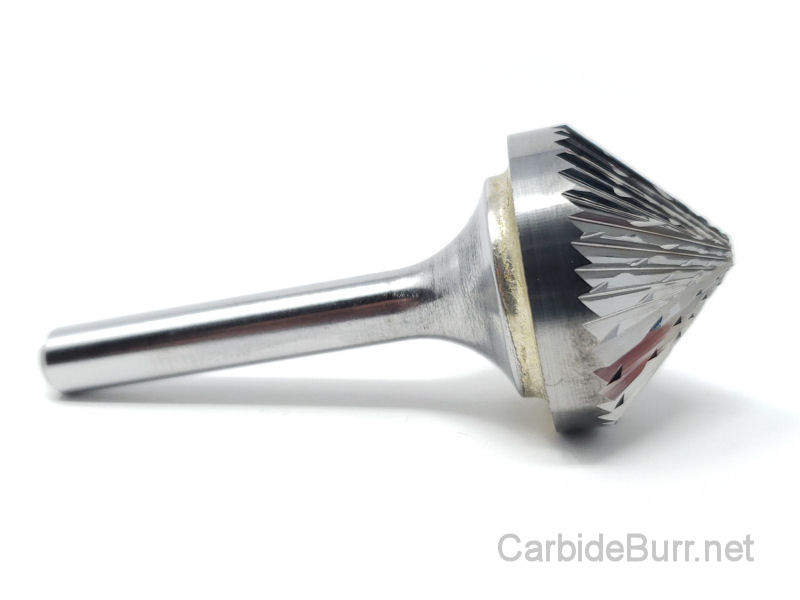
Routine maintenance keeps your tools in top condition and ready for any project. Here’s how to care for your burrs.
Routine Inspection Procedures
Regular inspections help you catch wear and tear early. Look for signs of chipping or dullness. If a burr appears damaged, replace it to avoid poor performance. Routine checks keep your tools reliable and effective.
Repairing Minor Damages
Minor damages can often be fixed. Small nicks can be smoothed out with a grinding stone. However, if the damage is significant, replacing the burr is safer. Repairing minor issues can prolong your burrs’ life and save costs.
Replacement Guidelines
Know when it’s time to replace a burr. If sharpening or repairing doesn’t restore performance, it’s time for a new one. Regular replacements ensure that your tools don’t fail during a project. Always have spare burrs on hand to avoid delays.
Frequently Asked Questions
What speed should I use for carbide burrs?
The optimal speed depends on the material and burr size. Check manufacturer guidelines for specific RPM recommendations.
How do I choose the right burr for my project?
Match the burr type to your material and project needs. Consider the shape and size based on the task, like hollowing or smoothing.
Why is cleaning carbide burrs important?
Cleaning prevents debris buildup, which can dull tools and cause inefficiency. It also prolongs the life of the burr.
What safety gear should I wear when using carbide burrs?
Always use safety glasses, gloves, and a dust mask to protect against dust and debris.
How often should carbide burrs be replaced?
Replace them when they become dull or damaged. Regular checks help determine when a replacement is necessary.
Follow Us On Social Media for Special Coupons
Facebook – Twitter – Instagram – Youtube
Carbide Burrs on 1/4″ Shanks – Solid Carbide Burrs – 1/4″ Carbide Burrs on 1/8″ Shanks – Long Shank Carbide Burrs – NF Carbide Burrs – Carbide Burr Sets – End Mills – Accessories
Order Tracking – Dropship Carbide Burr Tools – Contact Us – Cut Options – Coupon Codes – Posts
(513) 899-2610
PO Box 197 – Morrow Ohio 45152