How to Grind and Smooth Welds: Choosing the Right Carbide Burr
Most welders waste hours sanding and grinding welds with tools that just don’t fit the job. Using the wrong carbide burr for weld grinding can ruin your workpiece or wear out your tools fast. This guide breaks down how to pick the right burr shape, flute style, and diameter for steel, stainless steel, and aluminum welding tasks. You’ll learn which welding tools help you remove excess weld material, smooth weld beads, and blend welds cleanly, while avoiding the common grinding mistakes that slow you down. Learn more about carbide burrs here.

Do you need a longer reach for your die grinder?
Understanding Carbide Burrs
Carbide burrs are essential for welders seeking smooth, seamless finishes. They sculpt metal, remove flaws, and enhance your work’s quality. Let’s explore their purpose and how you can use them effectively.
Purpose and Application
Carbide burrs are small cutting tools used to remove sharp edges, excess weld material, and unwanted metal. You find them in various shapes, each designed for specific tasks, from smoothing uneven surfaces to shaping intricate details. When you select the right burr, you streamline your workflow and improve final results. The versatility of these tools makes them indispensable in any welder’s kit.
Common Burr Shapes and Uses
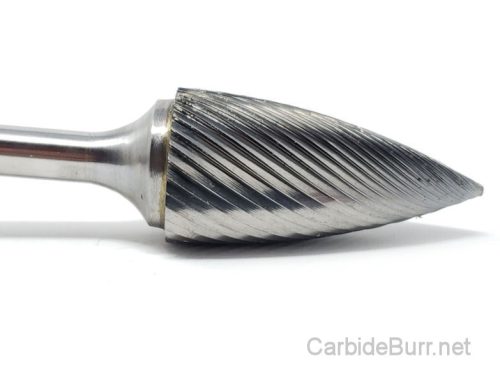
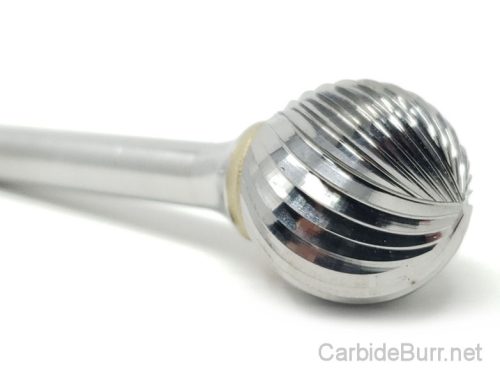
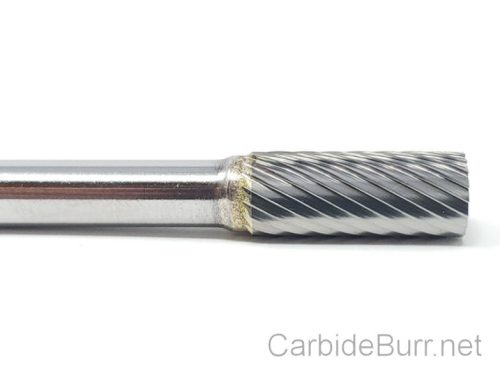
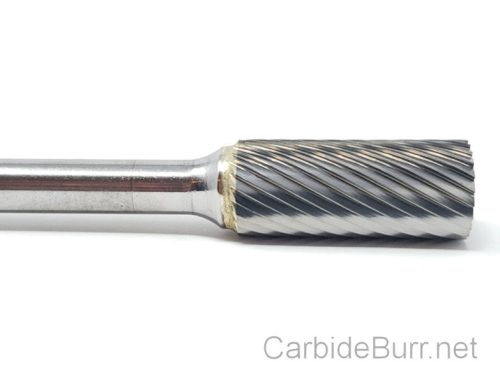
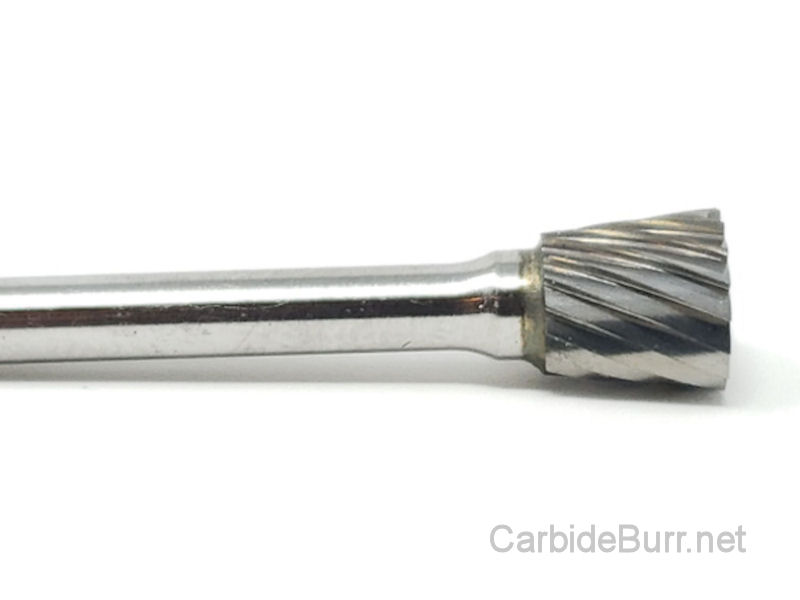
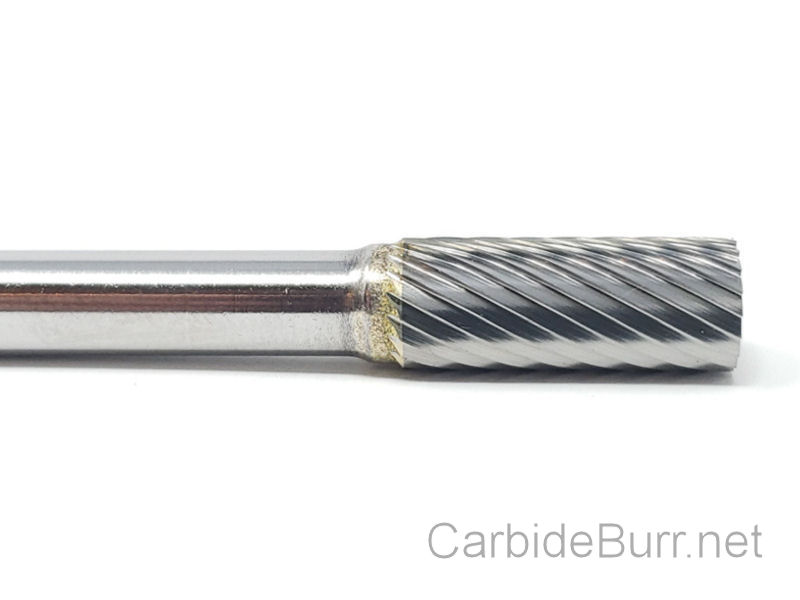
Choosing the right burr shape is crucial. Round or ball burrs are perfect for contouring and finishing. Cylinder burrs work best for flat surfaces and hard-to-reach areas. When you’re working on corners or angles, cone-shaped burrs provide precision. The right shape helps you execute tasks efficiently, saving time and wear on your tools.
Flute Styles Explained
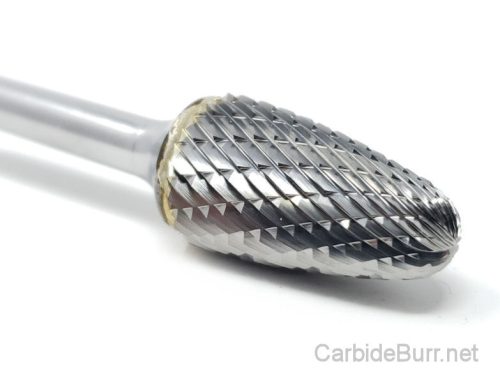
Flute styles determine how the burr cuts. Single-cut burrs offer smooth finishes and are ideal for harder metals. Double-cut burrs remove material quickly, making them suitable for softer metals. When selecting a flute style, consider the metal’s hardness and the finish you desire. This choice impacts both the quality of your work and the lifespan of your burrs.
Choosing the Right Burr
Selecting the right carbide burr involves understanding the shape, flute style, and diameter that best suit your project. This section helps you navigate those choices with confidence.
Selecting the Ideal Shape
Begin by assessing your project’s needs. For general material removal, a cylindrical shape is effective. For intricate details, opt for a flame or taper shape. Your choice should reflect the task at hand, ensuring efficiency and precision. A well-chosen shape simplifies the process and enhances your craftsmanship.
Flute Style Considerations
Flute style affects your burr’s cutting action. Single-cut flutes create a smooth finish, ideal for finishing touches. Double-cut flutes remove material faster, perfect for bulk removal. Match your flute style to your project requirements to achieve the best results. This decision influences both speed and finish quality.
Determining Cutting Diameter
The cutting diameter of your burr impacts its ability to access small or large areas. Smaller diameters suit detailed work, while larger ones are better for extensive surface areas. Choose a diameter that complements the scale of your project, enhancing both efficiency and accuracy. The right diameter ensures you tackle projects with precision.
Effective Techniques for Weld Grinding
Mastering weld grinding techniques ensures smooth, professional results. Let’s break down methods to handle excess weld material effectively and achieve seamless finishes.
Excess Weld Material Removal
To remove excess weld material, start with a coarse, double-cut burr. Glide it over the weld, applying light pressure. Keep the burr moving to avoid overheating. This approach efficiently clears unwanted material without damaging your workpiece. Consistency and control are key to effective material removal.
Smoothing Uneven Weld Beads
For smoothing uneven weld beads, utilize a single-cut burr for a refined finish. Move steadily along the bead, allowing the burr to gently level the surface. Avoid excessive force to maintain control and prevent tool wear. This technique results in a clean, smooth surface ready for finishing touches.
Blending Welds Into Metal
Blending welds seamlessly requires a delicate touch. Use a fine burr to feather edges, creating a transition between weld and metal. Work in small sections, checking your progress frequently. This careful blending enhances the overall appearance and ensures a professional finish.
Practical Tips for Different Metals
Different metals demand specific techniques. Here, we offer advice for working with steel, stainless steel, and aluminum. Tailoring your approach to each metal type improves outcomes.
Steel Welding Techniques
Steel is robust, requiring durable tools and steady hands. Use a double-cut burr for efficient material removal. Maintain consistent pressure to avoid overheating. This method ensures clean cuts and minimizes wear on your tools. Proper technique is essential for managing steel’s strength.
Stainless Steel Welding Tips
Stainless steel demands precision to avoid discoloration. Use a single-cut burr for smooth finishes. Work slowly, applying minimal pressure. This approach preserves the metal’s integrity and appearance. Precision and care are paramount when handling stainless steel.
Aluminum Welding Advice
Aluminum is softer and prone to clogging. Opt for a double-cut burr to manage debris efficiently. Use light, consistent strokes to prevent tool jam. Regularly clear debris to maintain performance. These strategies prevent clogging and extend the life of your burrs.
Avoiding Common Grinding Mistakes
Mistakes can hinder your work and damage your tools. Understanding and avoiding these pitfalls ensures consistent, high-quality results.
Incorrect Burr Selection
Using the wrong burr can compromise your project. Always match the burr shape and flute style to your task. A mismatch leads to inefficient cuts and potential tool damage. Taking the time to choose correctly saves effort and improves outcomes.
Preventing Tool Wear
Excessive force and improper technique lead to premature tool wear. Apply light, consistent pressure and keep tools moving. Allow the burr to do the work, minimizing strain. These practices extend tool lifespan and maintain efficiency.
Proper Pressure Application
Too much pressure can damage both your burr and the workpiece. Maintain a light touch, allowing the burr to glide over the surface. This technique prevents overheating and ensures a smooth finish. Mastering pressure control is vital for effective grinding.
Frequently Asked Questions
How do I choose the right carbide burr shape for my project?
Selecting the right shape depends on your task. Cylindrical burrs work for flat surfaces, while ball burrs are ideal for contours. Choose based on the specific needs of your project.
What’s the difference between single-cut and double-cut burrs?
Single-cut burrs provide smooth finishes, suitable for harder metals. Double-cut burrs remove material faster and are ideal for softer metals. Your choice affects cutting speed and finish quality.
How can I prevent carbide burrs from clogging when working with aluminum?
Use a double-cut burr and apply light, consistent pressure. Regularly clear debris to maintain performance. These steps keep your burrs clean and functional.
What is the best way to blend welds into metal?
Use a fine burr to feather edges and create a smooth transition. Work in small sections, checking progress often. This technique results in a professional finish.
Why is selecting the correct cutting diameter important?
The diameter affects your ability to work in small or large areas. Choose a diameter that matches your project size for precision and efficiency.

Follow Us On Social Media for Special Offers
Facebook – Twitter – Instagram – Youtube
Carbide Burrs on 1/4″ Shanks – Solid Carbide Burrs – 1/4″ Carbide Burrs on 1/8″ Shanks – Long Shank Carbide Burrs – NF Carbide Burrs – Carbide Burr Sets – End Mills – Accessories
Order Tracking – Dropship Carbide Burr Tools – Contact Us – Cut Options – Coupon Codes – Posts
(513) 899-2610
PO Box 197 – Morrow Ohio 45152