Mastering Carbide Burr Maintenance: Essential Tips for Machinists
Carbide burrs clog faster than you expect, grinding your workflow to a halt. You’ve likely dealt with burr loading that ruins cuts and wastes time. Mastering carbide burr maintenance means knowing how to pick the right burr for your material, setting the right cutting speed for burrs, and applying effective lubrication. Keep reading for practical tool cleaning tips and strategies to prevent burr loading, so your tools cut cleaner and last longer. For more insights, check out this guide on avoiding carbide burr clogging.
Selecting the Right Burr
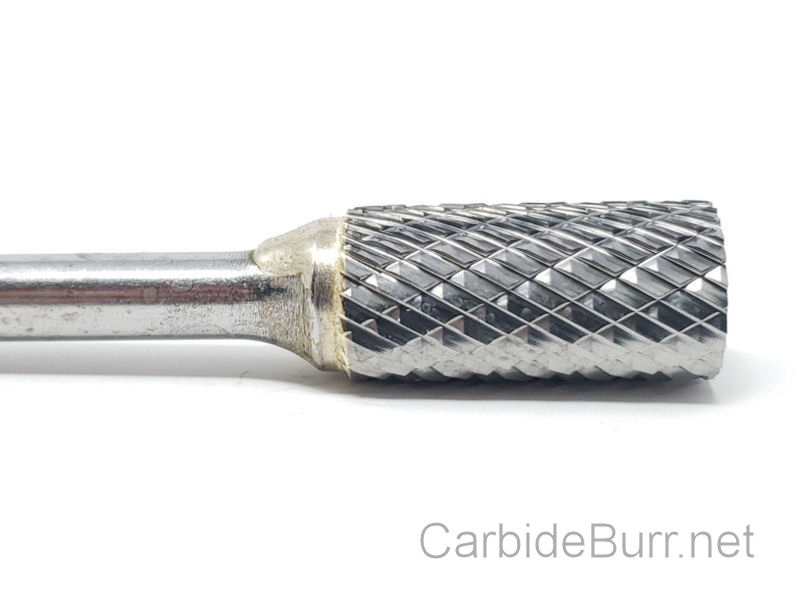
Choosing the perfect burr is essential for success in machining. The right selection helps you avoid loading and ensures smooth operation.
Matching Burr to Material
Your first task is to match the burr to the material you are working with. Different materials require different burrs. For instance, softer materials like wood or plastic require a different approach than hard metals. Use a burr designed for the specific material to prevent quick dulling or clogging. This extends the tool’s life and ensures a clean cut. Remember, using the wrong burr can lead to poor cuts and tool damage.
Choosing Burr Shapes
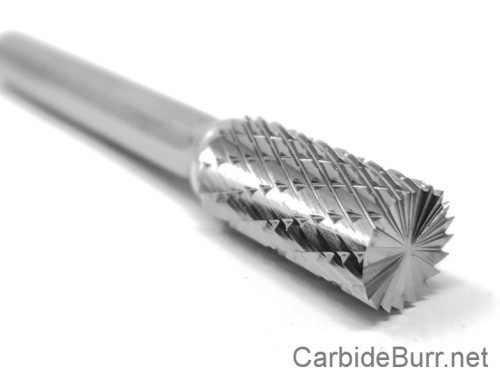
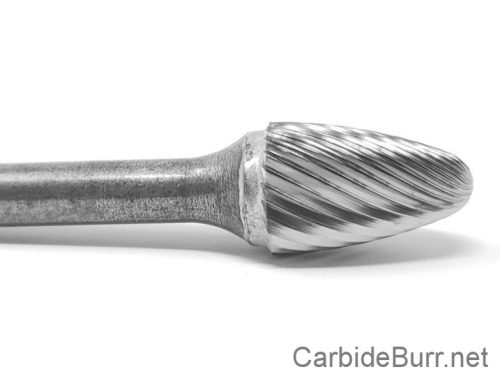
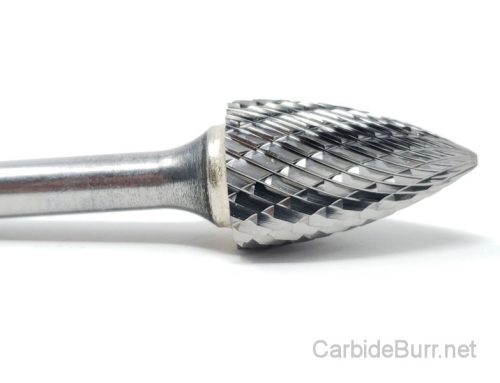
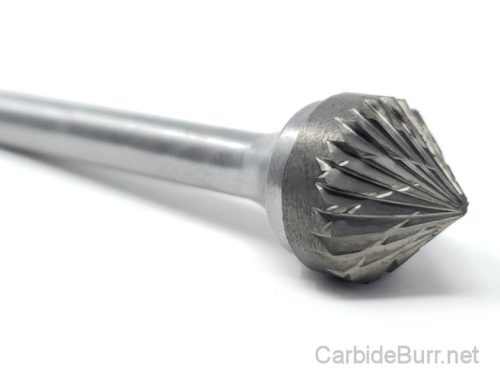
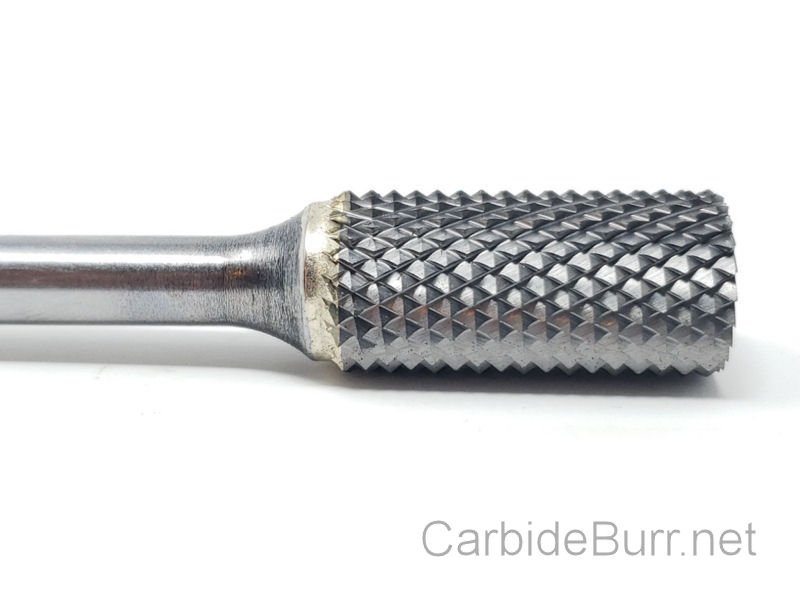
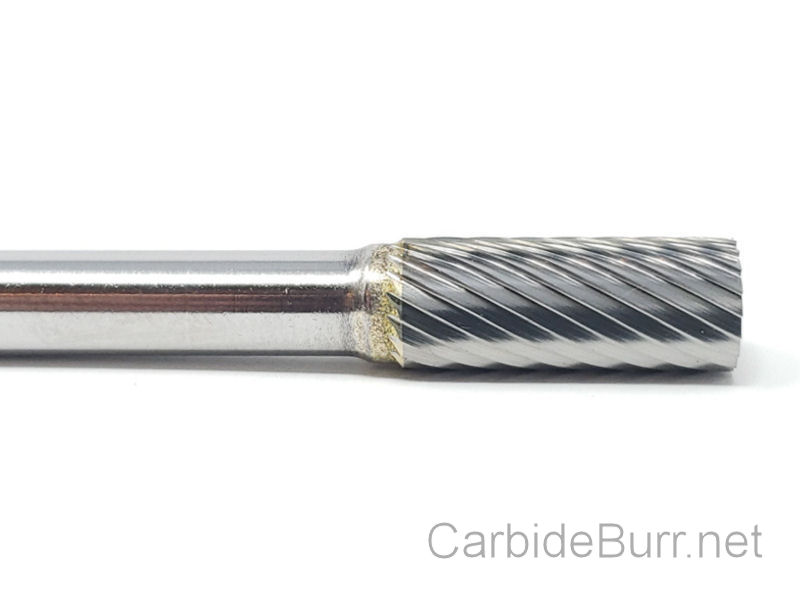
The shape of your burr also plays a vital role. There are several shapes to choose from, each suited for specific tasks. For example, a cylindrical burr works well for surface work, while a ball shape is perfect for concave cuts. Selecting the correct shape means you’ll get the desired result efficiently. Most machinists find success by experimenting with different shapes to see what works best for their projects.
Considering Burr Size
Size is another crucial factor. The size of the burr impacts how it handles the material. Larger burrs can remove more material faster, but they might not be suitable for detailed work. Smaller burrs are great for precision but can take longer for larger areas. Balancing size with your workflow needs is key to optimal performance. Consider the scale of your project as you choose your burr size.
Optimal Cutting Speeds
Once you have the right burr, setting the correct cutting speed is your next step. Proper speed can make or break your machining process.
Determining Cutting Speed for Burrs
Cutting speed is vital for maintaining your burrs. Going too fast or too slow can cause issues. Begin by consulting the manufacturer’s recommendations for speed settings based on the burr type. This will give you a baseline to start with. It’s crucial to adjust speeds as needed based on real-time performance and results.
Adjusting for Material Type
Different materials will require different speeds. Metals typically need slower speeds, while softer materials like wood can handle higher speeds. By adjusting your speed to match the material, you reduce the risk of overheating and tool damage. This consideration is essential for maintaining tool integrity and achieving desired outcomes.
Monitoring Speed Variations
Keep an eye on your machine’s performance. Speed variations can occur due to various factors. Regular monitoring helps you catch any inconsistencies early. If you notice changes, tweak the speed settings accordingly. This proactive approach keeps your tools in top condition and ensures consistent results.
Effective Lubrication Methods
Lubrication is crucial for reducing friction and heat buildup. It keeps your burrs in peak condition and extends their lifespan.
Types of Lubricants
Selecting the right lubricant is the first step. Common options include oils, sprays, and pastes. Each has its own advantages depending on the application. Oils are great for general purposes, while pastes can be more effective for high-temperature situations. Choose a lubricant that suits your needs and the material you’re working with.
Applying Lubricant Correctly
Proper application is just as important as choosing the right type. Apply a thin, even layer to the burr and material surface. This creates a protective barrier that reduces friction. Avoid over-applying, as excess can cause buildup and affect performance. Consistent application ensures smooth operation.
Benefits of Proper Lubrication
The benefits are clear: reduced heat, less friction, and longer tool life. Proper lubrication also helps achieve cleaner cuts, reducing the chance of burr loading. By maintaining a regular lubrication schedule, you enhance the efficiency and reliability of your machining process.
Tool Cleaning and Care
Cleaning and caring for your tools is a must to prevent loading and ensure longevity.
Regular Cleaning Routine
A regular cleaning routine keeps your burrs in prime condition. After each use, remove any debris or buildup. Use a brush or compressed air to clean the burr. This prevents material from hardening on the tool, which can affect performance next time.
Prevent Burr Loading Techniques
Loading occurs when material clogs the burr, leading to inefficiency. To prevent this, use sharp burrs and avoid excessive pressure. Proper lubrication also plays a role in minimizing loading. By adopting these techniques, you maintain optimal tool function.
Storing Burrs Safely
Proper storage is the final step in burr care. Keep your burrs in a dry, secure place. Use containers or stands that prevent them from knocking into each other. This small step helps avoid unnecessary wear and tear.
Enhancing Machining Efficiency
With your burrs well-maintained, focus on enhancing overall machining efficiency.
Maintenance Best Practices
Consistent maintenance is key to efficient operation. Regularly inspect your burrs for wear or damage. Replace them as needed to ensure peak performance. Staying on top of maintenance prevents small issues from becoming costly problems.
Troubleshooting Common Issues
Occasionally, things might go wrong. Familiarize yourself with common issues like vibration or uneven cuts. Understanding how to troubleshoot these problems quickly can save you time and frustration. Addressing issues promptly keeps your workflow smooth.
Extending Burr Longevity
To extend the lifespan of your burrs, practice gentle handling and proper use. Avoid applying excessive force, which can lead to premature wear. By following these tips, you ensure durability and reliable performance.
Frequently Asked Questions
What is the best burr shape for fine details?
For fine details, a small, pointed burr works best. It allows precision and control, essential for intricate work.
How often should I lubricate my carbide burrs?
Lubricate your burrs before starting a job and periodically during use. This reduces friction and extends the life of the tool.
What should I do if my burrs start to vibrate?
If vibration occurs, check for wear or damage. Make sure the burr is securely mounted. Adjust your machine’s speed if needed.
Can I use the same burr on different materials?
While you can, it’s not recommended. Burrs wear differently on different materials. It’s best to use specific burrs for each material type.
How do I know when to replace a carbide burr?
Replace burrs when they show signs of dulling or damage. If cuts are inconsistent or require more effort, it’s time for a new one.
Follow Us On Social Media for Special Coupons
Facebook – Twitter – Instagram – Youtube
Carbide Burrs on 1/4″ Shanks – Solid Carbide Burrs – 1/4″ Carbide Burrs on 1/8″ Shanks – Long Shank Carbide Burrs – NF Carbide Burrs – Carbide Burr Sets – End Mills – Accessories
Order Tracking – Dropship Carbide Burr Tools – Contact Us – Cut Options – Coupon Codes – Posts
(513) 899-2610
PO Box 197 – Morrow Ohio 45152