How Long Do Carbide Burrs Last? A Deep Dive into Their Lifespan and Durability
Carbide burrs don’t last forever, but knowing exactly when they lose their edge can save you time and money. If you’ve ever wondered how long carbide burrs last or why they wear out faster than expected, you’re not alone. This guide breaks down the key factors that affect their lifespan, shows you how to spot signs of wear on carbide burrs, and shares best practices for carbide burr storage and maintenance that keep your tools cutting sharp longer. For more details, check out this resource on extending the life of your carbide burrs.
Understanding Carbide Burrs
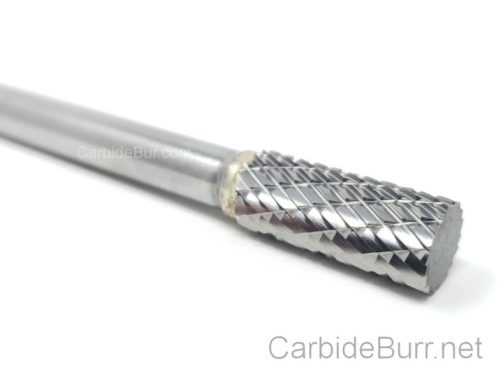
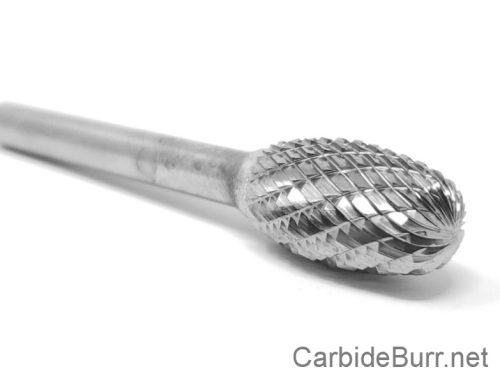
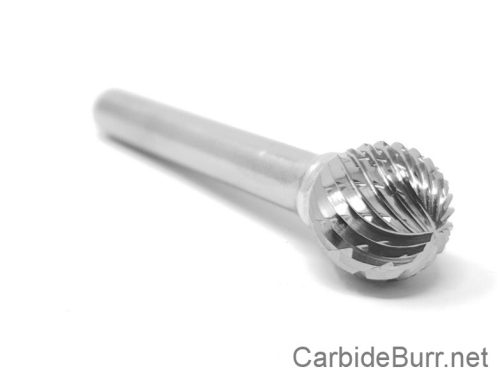
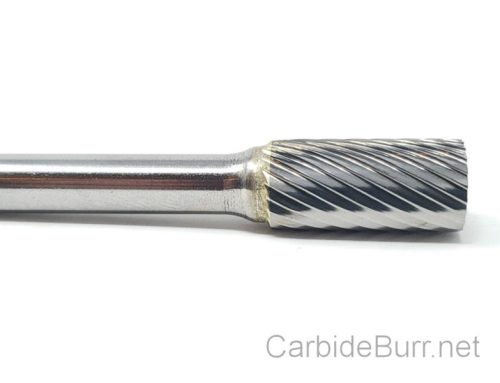
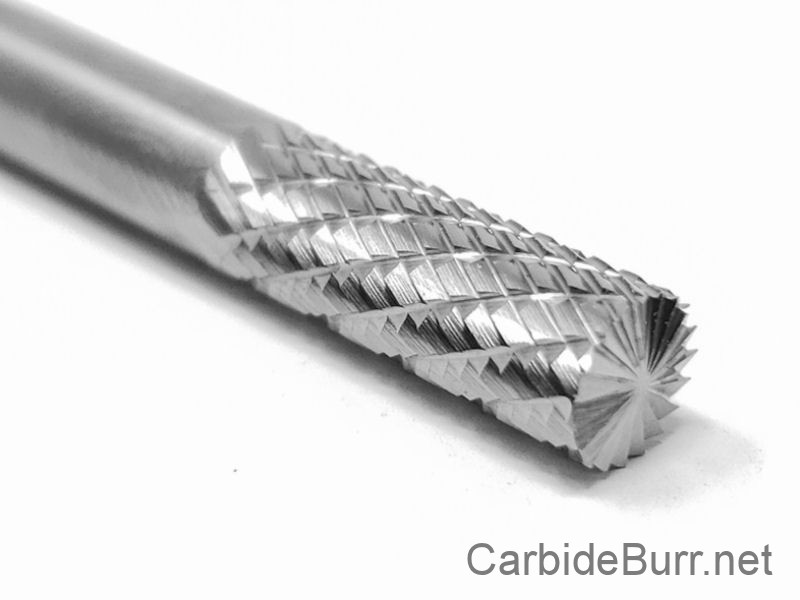
Carbide burrs are essential tools in many industries, known for their precision and durability. To fully grasp their value, let’s explore their key components and applications.
Material Properties of Carbide
Carbide is a compound that combines carbon with a metal, typically tungsten. This creates a material that’s incredibly hard and resistant to wear. Tungsten carbide, in particular, offers superior cutting capabilities, maintaining its edge far longer than most metals. This durability makes it ideal for high-speed applications where precision is crucial. When working with such tough material, you can expect tools that stand the test of time, reducing the frequency of replacements.
Types of Applications
Carbide burrs are versatile and used across various sectors. From shaping metals in manufacturing to fine detailing in woodworking, these tools handle diverse tasks. In automotive repairs, they’re indispensable for removing excess material and smoothing surfaces, as detailed here. In aerospace, their precision contributes to delicate tasks, ensuring components meet exact specifications. Their ability to handle complex jobs makes them a favorite among professionals.
Impact on Metalworking
In metalworking, the precision of carbide burrs changes the game. They allow for accurate cuts, reducing material waste and improving efficiency. Their durability means fewer tool changes, saving time during projects. This reliability boosts productivity, as machinists can trust their tools to perform consistently. The role these burrs play in enhancing workflow cannot be overstated; they are a staple in any metalworker’s toolkit.
Factors Influencing Lifespan
Several factors impact the lifespan of carbide burrs, from the conditions they operate in to the materials they process. Let’s delve into these aspects to help you maximize the use of your tools.
Key Operating Conditions
Operating conditions significantly affect how long your carbide burrs last. Extreme heat and high speeds can wear them down faster. Ensuring optimal conditions can extend their life. Use cooling agents and avoid overheating during intense tasks. Proper alignment and pressure application prevent unnecessary strain on the burrs. By maintaining favorable conditions, you ensure your burrs perform at their best.
Material Being Worked On
The material you work on also plays a crucial role. Harder materials, like stainless steel, wear down burrs more quickly than softer ones. Choose the right burr for your specific task. For softer materials, a less aggressive burr can suffice, while harder materials require robust options. Understanding this balance helps you select the appropriate tool, ensuring efficiency and longevity in your projects.
Usage Frequency
How often you use your carbide burrs impacts their lifespan too. Frequent use naturally leads to quicker wear. However, with proper care, you can mitigate this. Establish a maintenance routine to inspect and clean your burrs regularly. This proactive approach ensures they remain in top condition, ready for every task you undertake.
Maintenance and Care
Proper care and maintenance can significantly extend the life of your carbide burrs, ensuring they remain sharp and efficient.
Carbide Burr Maintenance Tips
Regular maintenance is key. Start by inspecting your burrs after each use, checking for any signs of wear or damage. Clean them thoroughly to remove any debris that might dull their cutting edges. Lubricate moving parts to minimize friction, which can lead to wear. By keeping your tools in top shape, you ensure consistent performance and reduce the risk of unexpected failures.
Best Practices for Carbide Burr Storage
Storing your carbide burrs correctly is just as important as using them properly. Keep them in a dry, secure location to avoid moisture and rust. Use cases or holders that prevent them from knocking against each other, which can cause damage. Proper storage not only protects your investment but also ensures your tools are ready whenever you need them.
Extending Tool Life
To extend the life of your carbide burrs, consider adopting best practices for both use and storage. Use the right burr for each material and task, avoiding unnecessary strain. Regularly inspect and clean your burrs, and store them properly to prevent damage. By following these guidelines, you maximize the lifespan and efficiency of your tools, saving time and money in the long run.
Recognizing Wear and Replacement
Knowing when your tools are wearing out and need replacement is crucial for maintaining optimal performance.
Signs of Wear on Carbide Burrs
Look out for signs that indicate your burrs are wearing out. Dullness, chipping, and decreased performance are key indicators. If you notice your burrs aren’t cutting as cleanly or are struggling with tasks they previously handled with ease, it’s time for a closer inspection. Recognizing these signs early allows you to address issues promptly, preventing further damage.
When to Replace Carbide Burrs
Replacing your carbide burrs at the right time is essential. When they show significant wear or damage, it can affect the quality of your work and efficiency. If cleaning and maintenance don’t restore their performance, it’s time for a replacement. Don’t wait until a burr breaks or causes a mishap. Being proactive ensures your projects continue smoothly without unexpected interruptions.
Ensuring Optimal Cutting Efficiency
To maintain optimal cutting efficiency, keep your tools in check. Regularly assess their condition and replace them when necessary. This proactive approach ensures your work remains at a high standard, and you avoid costly delays. Consistently sharp and well-maintained tools are key to success in any metalworking endeavor.
Making Informed Decisions
Making informed decisions about your tools involves evaluating their performance and balancing cost with benefits.
Evaluating Performance
Evaluate your burrs’ performance regularly. Consider factors like ease of use, cutting speed, and finish quality. If performance declines, investigate the cause and address it promptly. This evaluation helps you decide whether maintenance or replacement is needed, ensuring your tools always deliver the results you expect.
Cost-Benefit Analysis
Conducting a cost-benefit analysis helps you decide when to invest in new burrs. Weigh the cost of replacement against the benefits of improved performance and reduced downtime. By understanding the financial implications, you can make decisions that benefit both your projects and your wallet.
Enhancing Your Metalworking Projects
Enhancing your metalworking projects means using tools that are efficient and reliable. By maintaining your carbide burrs and replacing them when necessary, you ensure the quality and speed of your work. This proactive approach not only saves time and money but also enhances the overall outcome of your projects, making you a more effective and successful machinist.
Frequently Asked Questions
How long do carbide burrs last?
Carbide burrs can last anywhere from several months to years, depending on usage and maintenance. Factors like the materials they work on and the conditions they operate in significantly affect their lifespan.
What are common signs that a carbide burr needs replacement?
Common signs include dullness, chipping, and reduced cutting efficiency. If a burr struggles with tasks it previously handled smoothly, it may be time for a replacement.
How can I extend the life of my carbide burrs?
Regular maintenance, proper storage, and using the right burr for each material and task can extend their life. Avoiding excessive heat and pressure also helps maintain their durability.
What is the best way to store carbide burrs?
Store carbide burrs in a dry, secure location to prevent moisture and rust. Use cases or holders to avoid contact with other tools and minimize the risk of damage.
How do I know if my carbide burrs are performing optimally?
Evaluate their cutting speed, ease of use, and finish quality. If performance declines, inspect for wear and consider maintenance or replacement to restore optimal function.
Follow Us On Social Media for Special Coupons
Facebook – Twitter – Instagram – Youtube
Carbide Burrs on 1/4″ Shanks – Solid Carbide Burrs – 1/4″ Carbide Burrs on 1/8″ Shanks – Long Shank Carbide Burrs – NF Carbide Burrs – Carbide Burr Sets – End Mills – Accessories
Order Tracking – Dropship Carbide Burr Tools – Contact Us – Cut Options – Coupon Codes – Posts
(513) 899-2610
PO Box 197 – Morrow Ohio 45152