Mastering Your 9-Inch Die Grinder Extension: Safety Tips and Essential Practices
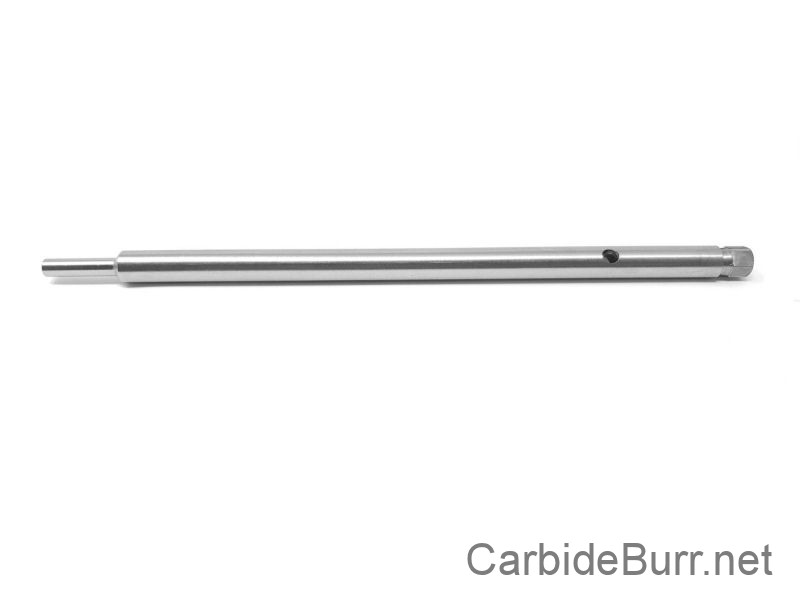
Most people underestimate how risky using a 9-inch die grinder extension can be without the right knowledge. One wrong move or skipped safety step can lead to serious accidents in your workshop. This guide covers safety tips for die grinder use, proper protective gear, and the best grinding techniques to keep you steady and secure while working. For further insights, you can explore more about the 9-inch die grinder extension tool.
Essential Safety Tips
When it comes to using a die grinder, safety is paramount. By equipping yourself with the right knowledge, you can work with confidence and minimize risks. Here’s what you need to know:
Protective Gear for Grinding
Your safety is in your hands, quite literally. Always wear proper protective gear. This includes sturdy gloves, safety goggles, and a mask. Gloves protect your hands from debris, while goggles shield your eyes from flying particles. A mask ensures you won’t inhale dust. Wearing ear protection is also wise as grinders can be noisy. Always double-check that your gear is intact before starting any task.
Stabilizing Techniques for Die Grinders
Keeping the grinder steady is key to accuracy and safety. Start by holding the tool with both hands. Use a firm grip to maintain control. Stand with your feet shoulder-width apart for balance. Remember, a stable stance reduces the likelihood of accidents. It’s also important to work at waist level to avoid straining your back.
Workshop Safety Tips
A safe workspace is a productive one. Ensure that your area is well-lit and free of clutter. Keep flammable materials far from your grinder. It’s crucial to have a fire extinguisher within reach. Regularly check your tools for any signs of wear or damage. These simple steps can prevent accidents and keep your workshop a safe environment.
Operating Die Grinder Safely
Understanding how to handle your die grinder properly ensures you work safely and efficiently. Let’s look at some essential practices:
Proper Handling Practices
Handling a die grinder requires some finesse. Keep both hands on the tool and remain aware of your surroundings. Start by setting the grinder at a low speed. Gradually increase it as you become more comfortable. Avoid applying excessive pressure; let the tool do the work. Overloading can lead to wear and potential injury.
Grinding Techniques for Beginners
If you’re new to grinding, start with simple projects. Begin by practicing on scrap materials. Use smooth, consistent strokes to get a feel for the tool. This will help you develop control over time. As you gain confidence, try more complex tasks. Remember to stay patient and never rush your work.
Common Mistakes with Die Grinders
Even seasoned professionals can slip up. One common mistake is skipping safety checks. Always inspect your tool before use. Another pitfall is incorrect speed settings. High speeds can cause overheating. Finally, never use the grinder without proper training. By avoiding these errors, you’ll enhance your safety and efficiency.
Maintenance and Care
Maintaining your die grinder is crucial for its longevity and performance. Let’s explore how to keep your tool in top shape:
Die Grinder Maintenance Essentials
A little care goes a long way. Regularly clean your grinder to remove dust and debris. Lubricate moving parts to prevent friction. Check for loose screws or parts, tightening them as needed. Routine maintenance ensures your tool remains reliable.
Preventative Measures for Longevity
Preventative care saves money and time. Store your grinder in a clean, dry place. Avoid exposing it to moisture, which can cause rust. Periodically inspect the power cord for any signs of damage. Taking these steps will extend your tool’s lifespan.
Troubleshooting Common Issues
Occasionally, problems arise with die grinders. If your tool won’t start, check the power source. Ensure the cord is plugged in and the outlet is functional. If the grinder is overheating, allow it to cool before proceeding. Addressing these issues promptly prevents further damage.
Advanced Grinding Practices
Once you’ve mastered the basics, you’re ready for advanced techniques. Let’s dive into some expert tips:
Precision Grinding Techniques
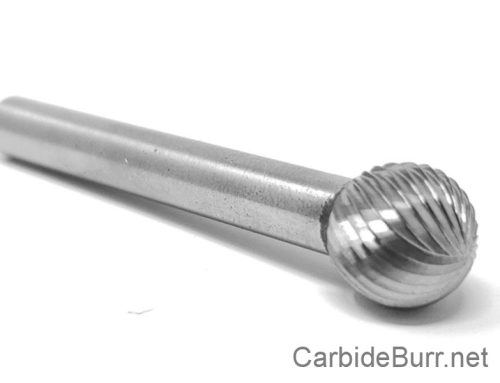
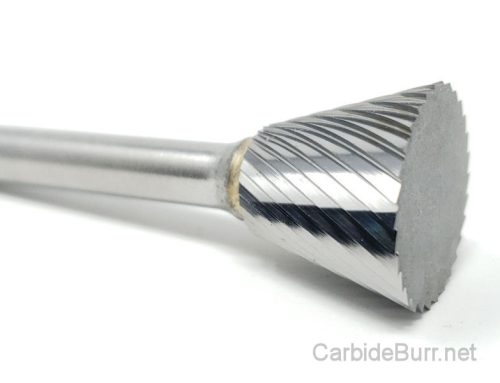
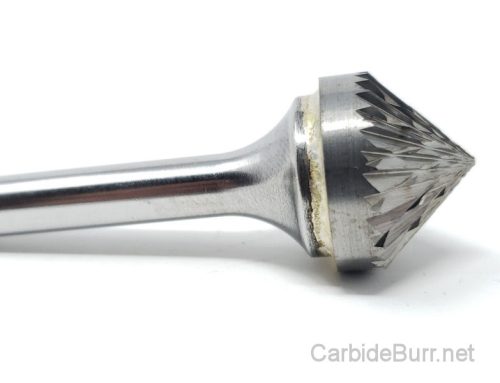
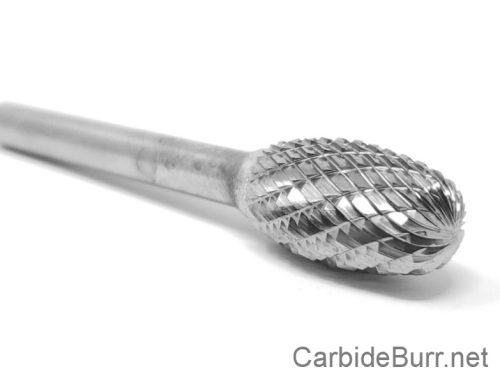
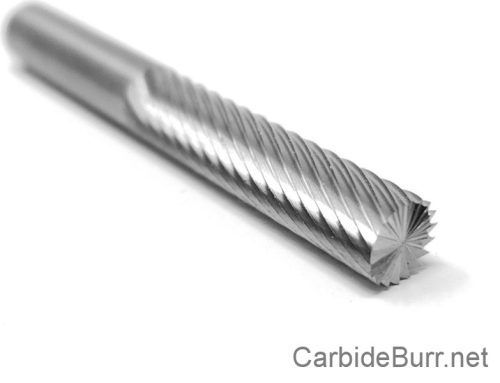
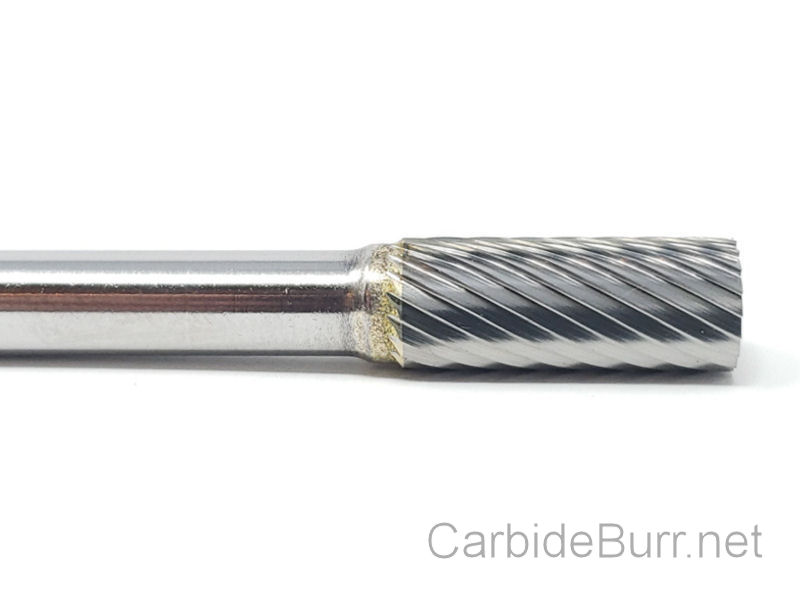
Precision is critical in advanced projects. Use a steady hand and focus on detail. A light touch improves accuracy. For intricate work, consider using carbide burrs to achieve fine details. These steps will enhance your craftsmanship.
Enhancing Efficiency with Extensions
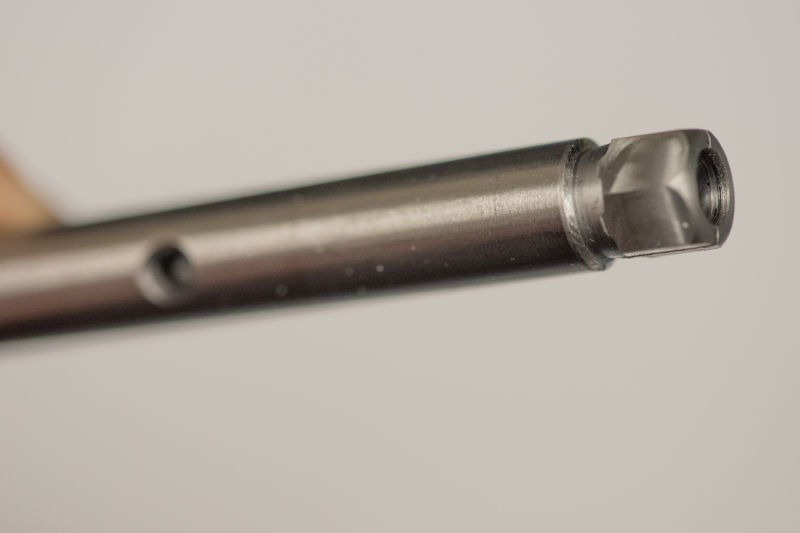
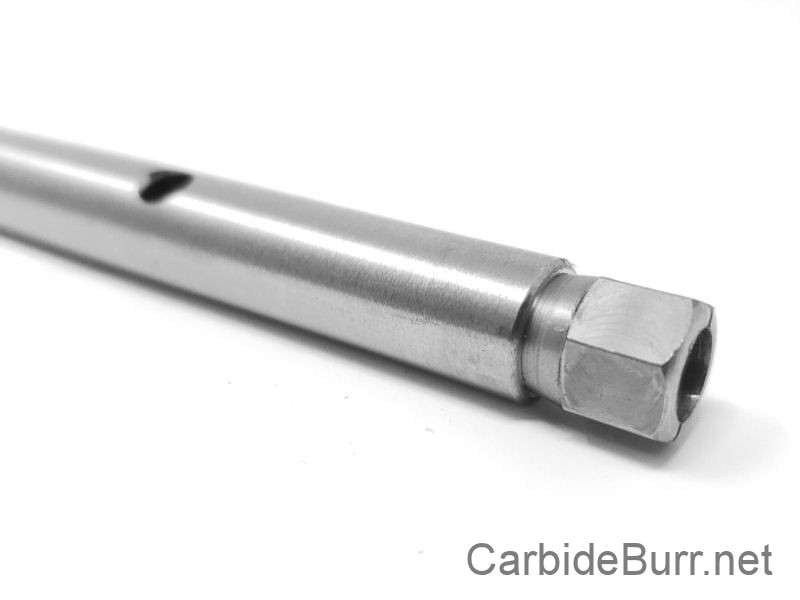
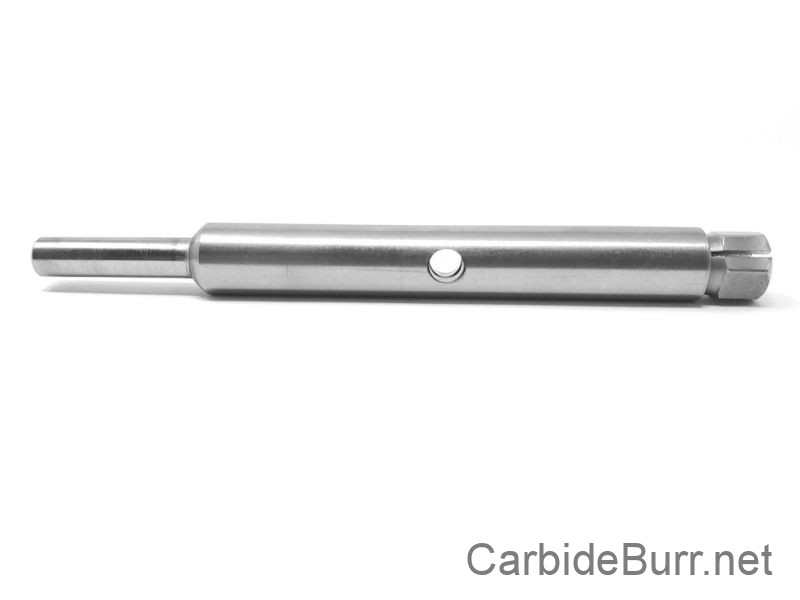
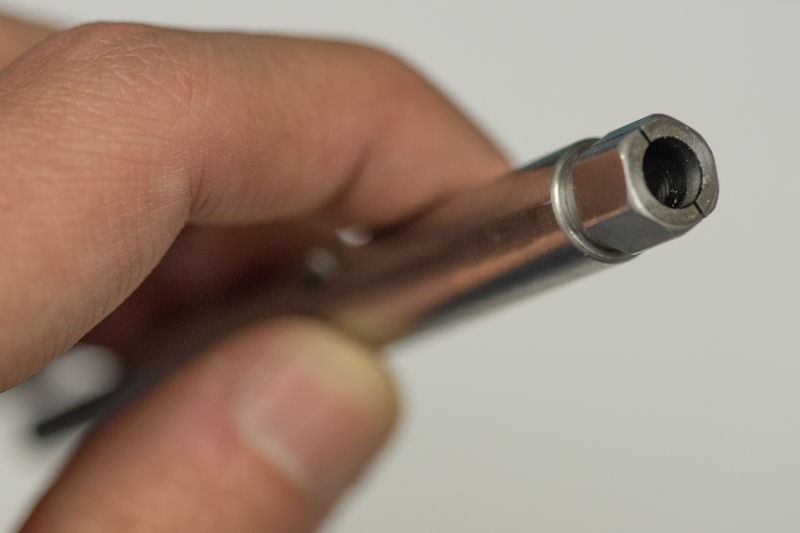
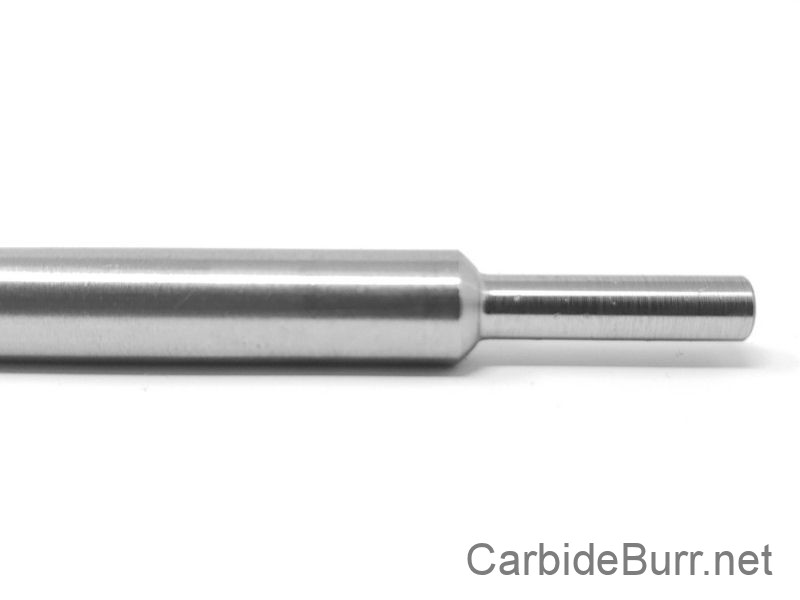
Extensions can boost your grinder’s reach and flexibility. They allow you to access hard-to-reach areas. When using extensions, ensure they’re securely attached. This prevents wobbling and ensures smoother operation.
Expert Tips for Professional Results
To achieve professional results, practice is key. Experiment with different techniques to find what suits you. Invest in quality accessories for better outcomes. Finally, always prioritize safety; it enhances your confidence and performance.
Preparing Your Workspace
Preparation is the first step to success. A well-organized workspace sets the stage for effective grinding:
Setting Up a Safe Environment
Safety begins with your environment. Ensure your space is clean and well-ventilated. This prevents accidents and keeps you comfortable. Arrange your tools within easy reach for convenience. Good lighting is essential for precision work.
Organizing Tools and Equipment
Organization boosts efficiency. Keep your tools neatly arranged. Use labeled containers for small parts. This saves time and prevents frustration. An organized workspace allows you to focus entirely on your task.
Pre-Use Inspection Checklist
Before using your grinder, a quick inspection is wise. Check for any damage or wear. Ensure all parts are secure. Test the tool to confirm it’s functioning correctly. A thorough check prevents surprises and enhances safety.
Frequently Asked Questions
What protective gear should I use with a die grinder?
Always wear gloves, safety goggles, and a mask. This gear protects you from debris and dust. Ear protection is also recommended due to noise levels.
How do I stabilize my die grinder during use?
Hold the grinder with both hands and maintain a firm grip. Stand with feet apart for balance. Working at waist level prevents back strain.
What are common mistakes when using die grinders?
Skipping safety checks and using incorrect speed settings are common. Always inspect your tool before use and select appropriate speeds to avoid overheating.
Follow Us On Social Media for Special Coupons
Facebook – Twitter – Instagram – Youtube
Carbide Burrs on 1/4″ Shanks – Solid Carbide Burrs – 1/4″ Carbide Burrs on 1/8″ Shanks – Long Shank Carbide Burrs – NF Carbide Burrs – Carbide Burr Sets – End Mills – Accessories
Order Tracking – Dropship Carbide Burr Tools – Contact Us – Cut Options – Coupon Codes – Posts
(513) 899-2610
PO Box 197 – Morrow Ohio 45152