
How to Deburr Metal: The Best Tools and Techniques for Removing Sharp Edges
Sharp edges left behind after machining can cause serious safety risks and slow down your assembly line. Metal deburring tackles these problems head-on by removing burrs formed during cutting, drilling, and fabrication. In this guide, you’ll learn why carbide burrs often outperform hand files and sanding discs for smoothing openings and cleaning drilled holes, helping you prepare parts that meet high standards for safety and quality. Learn more about metal deburring here.

Do you need a longer reach for your die grinder?
Understanding Metal Deburring
Metal deburring is crucial for ensuring that your metal parts fit together perfectly and safely. By removing burrs, you prevent potential hazards and improve product quality.
Importance of Metal Deburring
Removing burrs is vital because sharp edges can lead to injuries. Smooth surfaces ensure that parts fit together correctly, enhancing both safety and functionality. Without deburring, parts may not assemble as expected, leading to costly rework or, worse, product failure.
Common Burr Formation Causes
Burrs typically form during cutting, drilling, or machining processes due to the stress and heat applied to the metal. These processes can leave behind unwanted sharp edges or material. Identifying how burrs form helps you choose the right deburring method, minimizing their occurrence from the start.
Safety and Aesthetic Benefits
Deburring not only ensures safety but also improves the look of your final product. Smooth edges give a professional finish, which is crucial for customer satisfaction. Products that are both safe and visually appealing can boost your brand’s reputation.
Exploring Deburring Tools
Choosing the right tools for deburring makes a significant difference in the quality of your work. Let’s break down the options available.
Carbide Burrs: A Closer Look
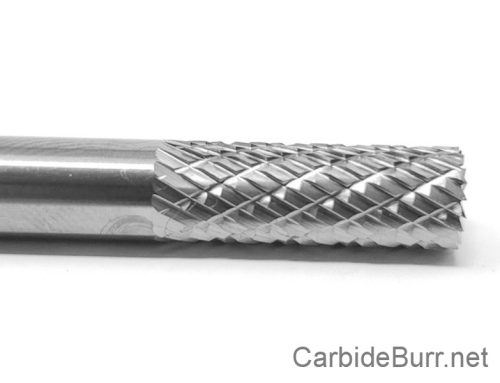
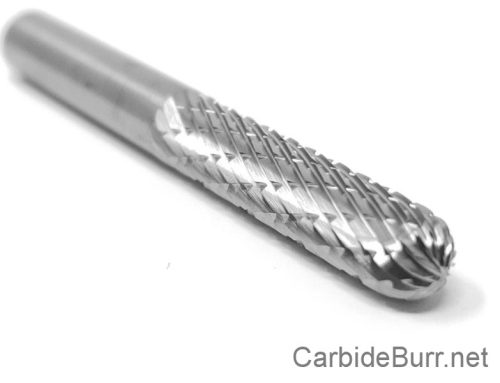
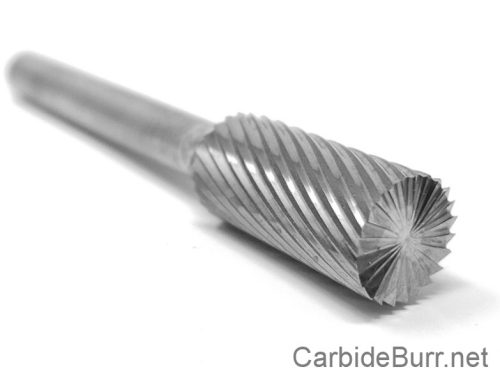
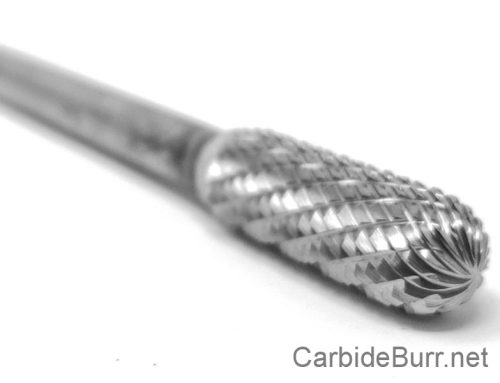
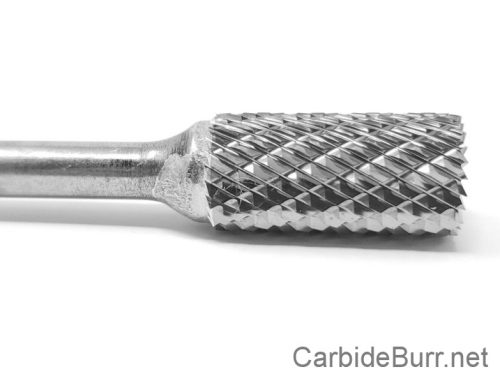
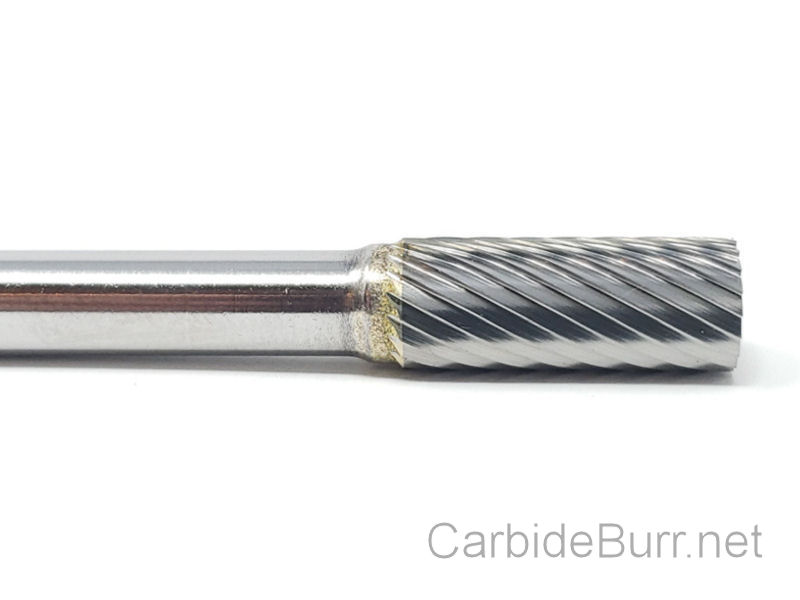
Carbide burrs are popular for their durability and precision. They are designed to handle tough materials and can reach tight spots, making them ideal for detailed work. By using carbide burrs, you achieve a smooth finish quickly, saving time and effort.
Comparing with Hand Files
Hand files are traditional tools used for deburring. They are effective for small projects or when you need to remove minimal material. However, they require more manual effort compared to carbide burrs and may not be suitable for repetitive tasks or larger surfaces.
Sanding Discs and Their Uses
Sanding discs work well for smoothing larger areas. They can remove burrs from flat surfaces efficiently. While they are not as precise as carbide burrs, they are useful for preparing broad sections before fine-tuning with more specialized tools.
Techniques for Effective Burr Removal
Knowing the right techniques can elevate your deburring skills, ensuring that your components are both safe and functional.
Drilling and Machining Techniques
Proper drilling techniques can minimize burr formation. Using the right drill bit and speed reduces the stress on the material, leading to fewer burrs. Consistent maintenance of your tools also plays a role in keeping burrs at bay.
Cutting and Fabrication Methods
Using appropriate cutting techniques can significantly reduce burrs. Sharp blades and controlled cutting speeds help maintain clean edges. Regularly checking and replacing worn-out tools ensures better results and reduces the need for extensive deburring.
Preparing for Assembly
Before assembly, ensure that all parts are deburred to prevent misalignment or damage. A smooth assembly process saves time and prevents potential issues down the line. This preparation phase is crucial for a seamless fit and function.
Choosing the Right Deburring Tools
Selecting the right tools depends on your specific needs and project requirements. Understanding these factors can guide you to make informed decisions.
Factors to Consider
When choosing deburring tools, consider the material you’re working with and the precision required. Harder materials may require more robust tools like carbide burrs, while softer materials might only need simple sanding.
Recommendations for Professionals
For professionals, investing in high-quality tools is essential. Durable tools offer better performance and last longer, reducing overall costs. Consider tools that offer flexibility and precision for various projects.
Tips for Hobbyists
Hobbyists should focus on tools that are easy to use and maintain. Look for affordable options that still deliver quality results. Start with basic tools and upgrade as your skills and needs evolve.
Enhancing Metalworking Efficiency
Improving your metalworking process can lead to better end products and safer work environments.
Improving Machined Components
By refining machining techniques, you enhance the quality of your components. Precision in every step ensures that parts perform as intended, reducing the need for rework.
Ensuring Safety in Manufacturing
Safety is paramount in any manufacturing process. Proper deburring minimizes the risk of injuries and ensures that products meet safety standards. Regularly updating your equipment and training can contribute to a safer work environment.
Achieving Quality Finished Products
Consistently delivering high-quality products can set your brand apart. A focus on detail and refinement in deburring can elevate your products’ appeal and functionality, leading to increased customer satisfaction and loyalty.
Frequently Asked Questions
What is metal deburring?
Metal deburring is the process of removing sharp edges or burrs formed during machining or cutting. This ensures parts are safe to handle and fit together correctly.
Why are carbide burrs preferred for deburring?
Carbide burrs are preferred because they are durable and precise, allowing for efficient removal of burrs in tight spots and on hard materials.
Can sanding discs be used for all deburring tasks?
Sanding discs are suitable for larger, flat surfaces but may lack precision for detailed work. They are best used in combination with other tools like carbide burrs.
How do burrs affect product assembly?
Burrs can cause misalignment or damage during assembly, leading to functional issues. Proper deburring ensures parts fit well and function as intended.
What factors should I consider when choosing a deburring tool?
Consider the material you’re working with, the precision required, and the tool’s durability. Choose tools that match your project’s specific needs for optimal results.

Follow Us On Social Media for Special Offers
Facebook – Twitter – Instagram – Youtube
Carbide Burrs on 1/4″ Shanks – Solid Carbide Burrs – 1/4″ Carbide Burrs on 1/8″ Shanks – Long Shank Carbide Burrs – NF Carbide Burrs – Carbide Burr Sets – End Mills – Accessories
Order Tracking – Dropship Carbide Burr Tools – Contact Us – Cut Options – Coupon Codes – Posts
(513) 899-2610
PO Box 197 – Morrow Ohio 45152