How to Enlarge Holes in Metal Using Carbide Burrs
Many metalworkers struggle with keeping holes clean and precise when making adjustments. Using carbide burrs for enlarging holes offers a practical way to reshape openings, remove uneven edges, and refine metal cutouts with control. Choosing the right burr shape—cylindrical, oval, or flame-shaped—and size plays a key role in achieving smooth, consistent results. This guide will show you how to handle these tools effectively, so your brackets, steel plates, and fabrication projects look sharp and fit perfectly. For more information on carbide burr shapes, visit this resource.

Do you need a longer reach for your die grinder?
Introduction to Carbide Burrs
Carbide burrs are essential tools for anyone looking to enlarge holes or refine metal edges. They offer precision and control that you won’t find with other tools. Here’s what you need to know to get started.
Understanding Carbide Burrs
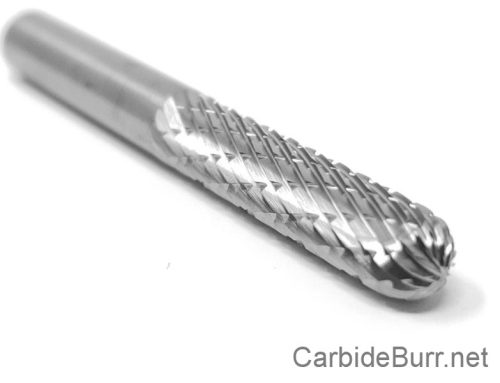
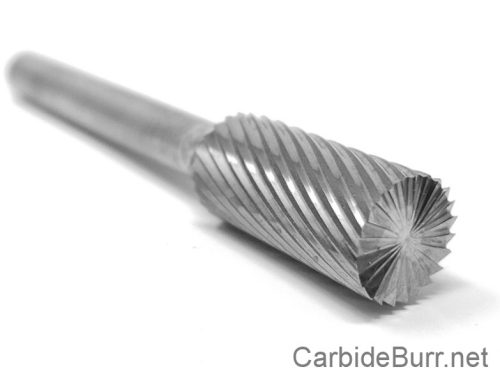
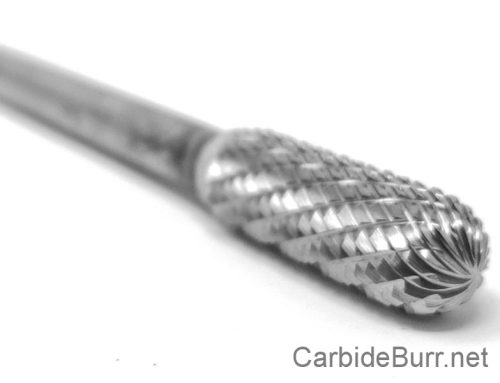
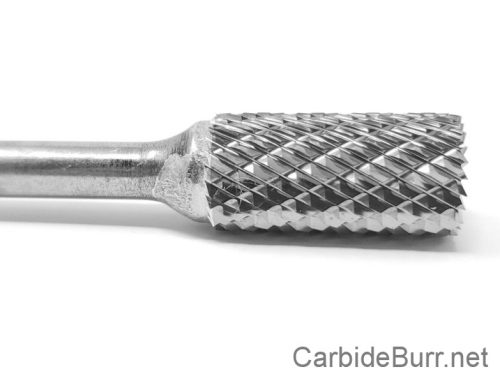
Carbide burrs are small rotary tools used to cut, shape, and grind. They’re made from tungsten carbide, a tough material that can handle high-speed applications without wearing down quickly. These burrs come in various shapes and sizes, each designed for specific tasks. Cylindrical, oval, and flame-shaped burrs are popular choices, helping you achieve different effects when working with metal.
Benefits of Using Carbide Burrs
The main advantage of using carbide burrs is their ability to deliver precise cuts. They allow for smooth reshaping and removal of imperfections in metal. Because they’re so durable, they stay sharp for a long time, which means you can rely on them for multiple projects. Another benefit is their versatility: you can use them on various materials, including steel and aluminum.
Common Applications in Metalworking
Carbide burrs are invaluable in metalworking. Professionals and hobbyists use them for tasks like enlarging holes, shaping edges, and removing excess material. They help create smoother finishes and ensure that metal pieces fit together perfectly. Whether you’re working on brackets, steel plates, or exhaust flanges, these tools make the job easier. For more information on carbide burr applications, explore this guide.
Choosing the Right Burr Shape
Selecting the right burr shape is crucial for achieving the results you want. In this section, we’ll break down the uses of cylindrical, oval, and flame-shaped burrs.
Cylindrical Burrs for Precision
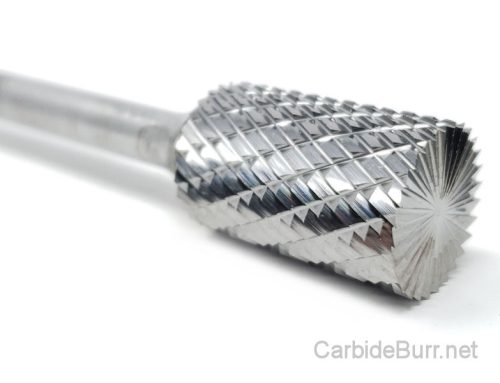
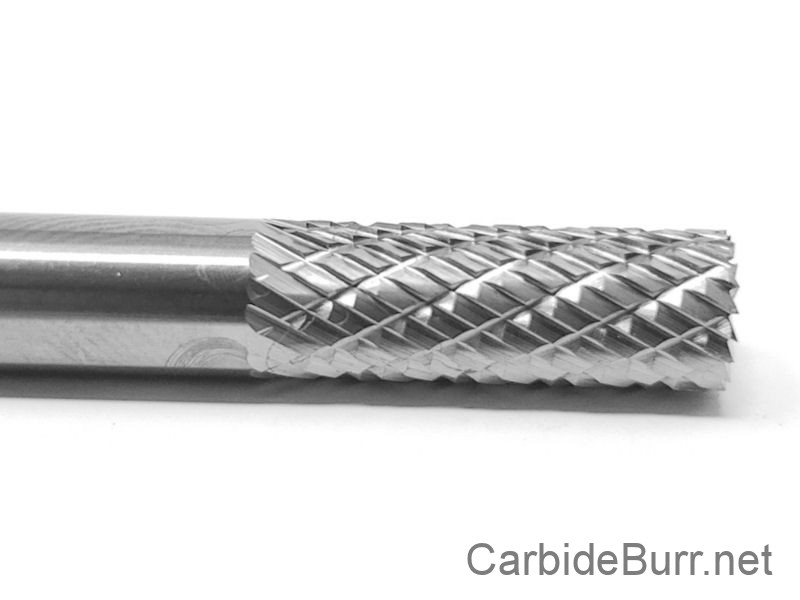
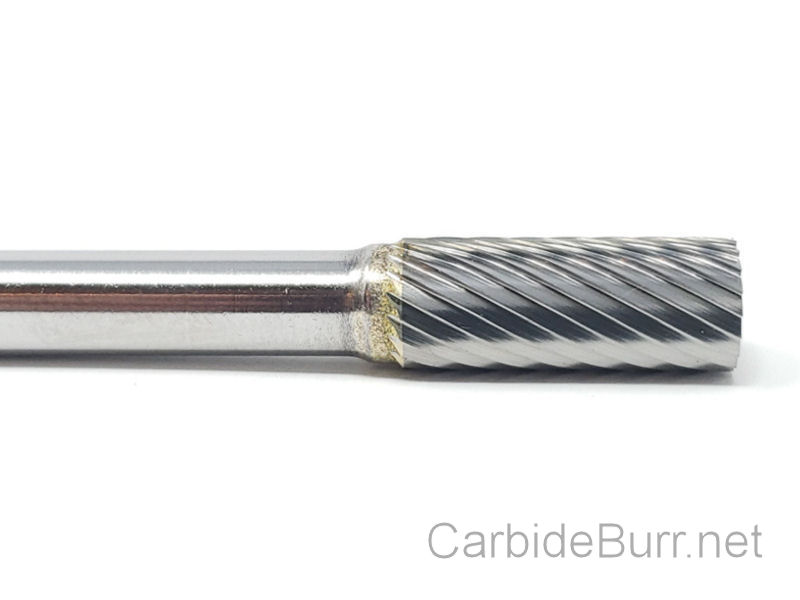
Cylindrical burrs are ideal for creating straight edges and flat surfaces. They excel at enlarging holes with precise dimensions. These burrs are perfect when you need clean cuts and a polished finish. When working on tasks that require accuracy, cylindrical burrs are your go-to choice.
Oval Burrs for Versatile Shaping
Oval burrs offer flexibility for various shaping tasks. They can handle curves and complex contours, making them suitable for projects that require more than just straight lines. If you’re looking to achieve smooth transitions between different surfaces, oval burrs are highly effective. Use them to adapt your metal pieces to fit unique specifications.
Flame-Shaped Burrs for Detailed Work
Flame-shaped burrs are the tool of choice for intricate details. They allow you to work in tight spaces and refine delicate areas. These burrs are perfect when you need to reach into small crevices or create precise cuts. For projects that demand meticulous attention to detail, flame-shaped burrs deliver the control you need.
Techniques for Enlarging Holes
Understanding the right techniques is key to enlarging holes effectively. Let’s explore how to select the correct diameter, maintain consistent openings, and avoid excessive material removal.
Selecting the Correct Diameter
Choosing the right size for your carbide burr ensures that you achieve the desired hole diameter. Start by measuring the existing hole and the size you want to reach. Select a burr that fits within this range, allowing you to gradually enlarge the hole without compromising structural integrity.
Maintaining Consistent Openings
Consistency is crucial when enlarging holes. To achieve uniform results, apply even pressure and maintain a steady speed while using the burr. This technique helps prevent uneven edges and ensures that the hole remains symmetrical.
Avoiding Excess Material Removal
It’s easy to remove too much material when enlarging holes. To prevent this, work slowly and check your progress frequently. Use light pressure and short bursts to avoid overcutting. This approach keeps your metal pieces intact and ensures a perfect fit.
Achieving Smooth Finished Edges
Smooth edges contribute to both functionality and aesthetics. Here’s how you can refine edges effectively and ensure they meet your standards.
Methods for Edge Refinement
To achieve smooth edges, use a carbide burr to gently sand away rough spots. Start with a coarse burr and gradually move to a finer one for a polished finish. This method allows you to control the level of refinement and achieve the desired texture.
Ensuring Functionality and Aesthetics
Smooth edges are not just about looks; they also play a role in the functionality of your components. By refining edges, you reduce the risk of sharp corners that can cause damage or injury. This process enhances both the appearance and performance of your metalwork.
Examples and Practical Applications
Consider a project where you need to enlarge a hole on a steel plate. Using a cylindrical burr, you can achieve the exact diameter needed while maintaining smooth edges. This process ensures that the plate fits perfectly with other components, enhancing the overall functionality of your project.
Project Examples and Tips
Carbide burrs are versatile tools that can tackle various projects. Here are some common applications and tips to get the most out of your tools.
Modifying Brackets and Steel Plates
When modifying brackets, carbide burrs help you create precise holes and edges. Use them to adjust sizes and shapes to match your project requirements. These tools make it easy to ensure that your brackets fit snugly and securely.
Reshaping Exhaust Flanges
Exhaust flanges often require reshaping for a perfect fit. Carbide burrs allow you to remove excess material and refine edges to achieve the desired shape. This process ensures that your exhaust system functions efficiently and looks great.
Enhancing Fabrication Projects
In fabrication projects, carbide burrs offer the flexibility to adjust and refine metal pieces as needed. Whether you’re working on a custom design or making repairs, these tools provide the precision required to achieve professional results.
Frequently Asked Questions
What are carbide burrs made of?
Carbide burrs are made from tungsten carbide, a durable material that withstands high-speed applications. This makes them ideal for cutting and shaping metal.
How do I choose the right burr shape?
Select the burr shape based on your project’s needs. Cylindrical burrs are great for precision, oval burrs for versatility, and flame-shaped burrs for intricate detail work.
Can I use carbide burrs on materials other than metal?
Yes, carbide burrs work on various materials, including wood and plastics. Their versatility makes them valuable for different types of projects.
How do I maintain my carbide burrs?
To keep your burrs in good condition, clean them after each use and store them properly. Avoid using them on materials that can cause wear or damage.
What safety precautions should I take when using carbide burrs?
Always wear protective gear, such as goggles and gloves, when using carbide burrs. Ensure your workspace is well-ventilated to avoid inhaling dust or debris.

Follow Us On Social Media for Special Offers
Facebook – Twitter – Instagram – Youtube
Carbide Burrs on 1/4″ Shanks – Solid Carbide Burrs – 1/4″ Carbide Burrs on 1/8″ Shanks – Long Shank Carbide Burrs – NF Carbide Burrs – Carbide Burr Sets – End Mills – Accessories
Order Tracking – Dropship Carbide Burr Tools – Contact Us – Cut Options – Coupon Codes – Posts
(513) 899-2610
PO Box 197 – Morrow Ohio 45152