Carbide Burr Speed Chart by Material: Steel, Aluminum, Stainless & More
Most machinists guess the right speed for carbide burrs, wasting time and wearing tools faster. Getting the optimal speed settings for steel, aluminum, and stainless steel can cut that guesswork in half. This carbide burr speed chart breaks down exact RPMs for each material, helping you boost cutting efficiency and extend tool longevity. Keep reading to get the clear guide your machining processes need. For beginners, you might find this guide on selecting the perfect carbide burr helpful.
Understanding Carbide Burrs
Carbide burrs are essential tools for machining various materials. Knowing how they work can save you time and money.
What Are Carbide Burrs?
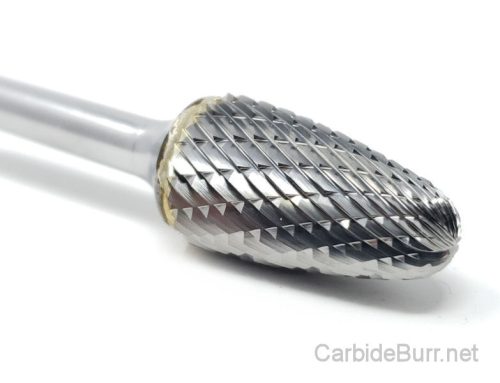
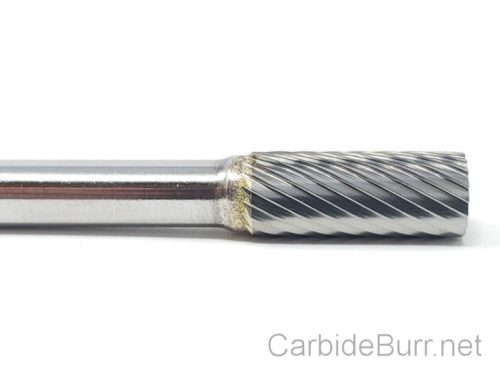
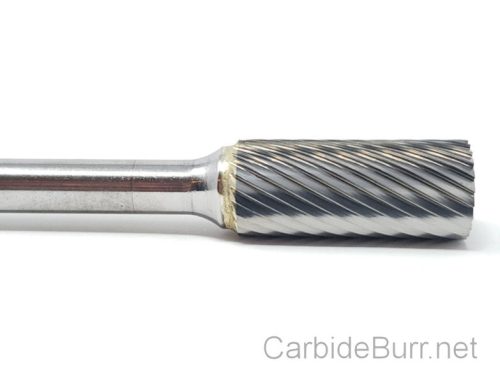
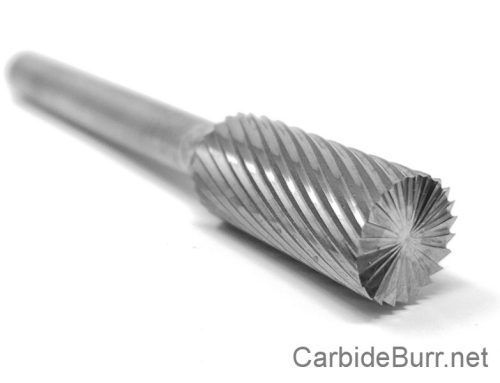
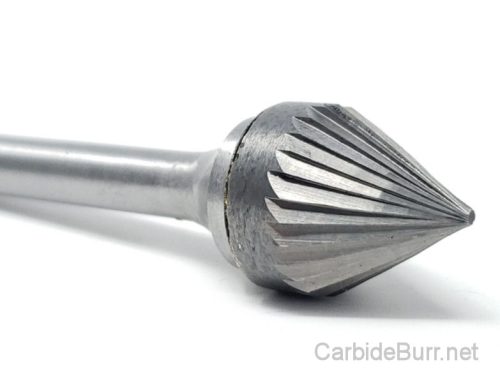
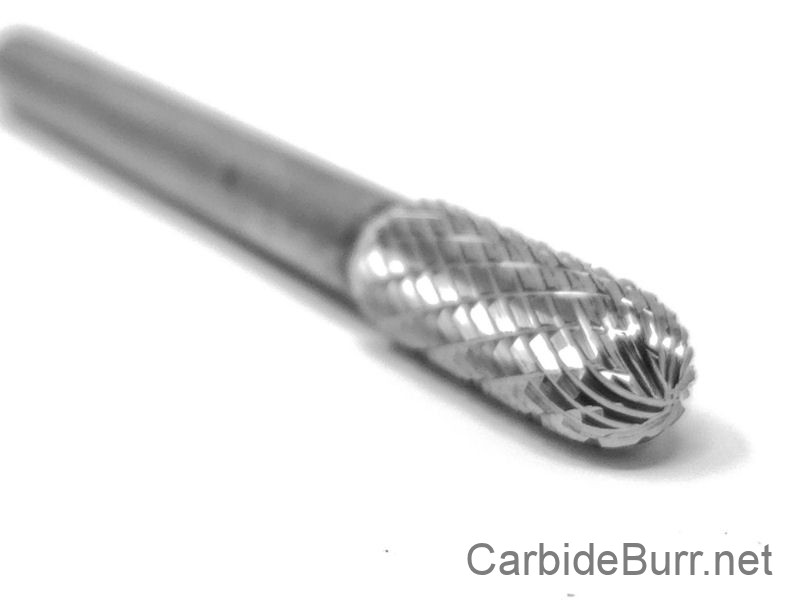
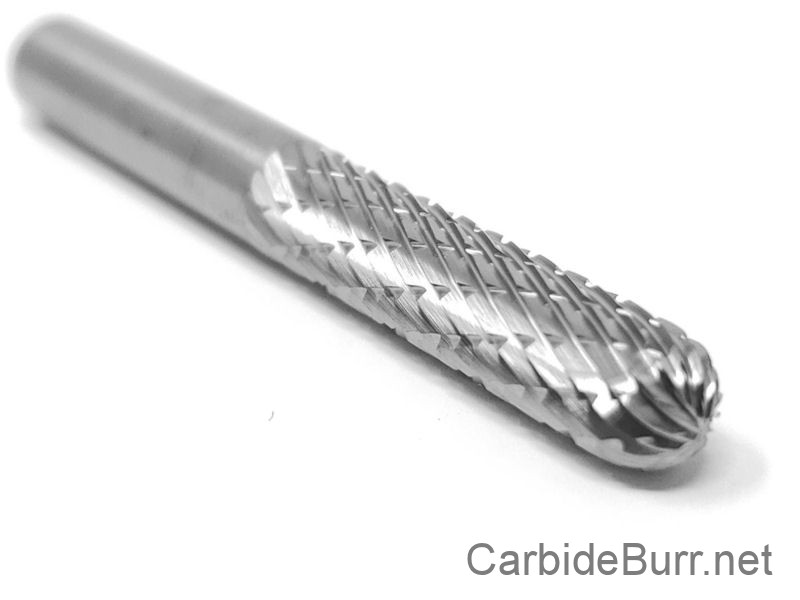
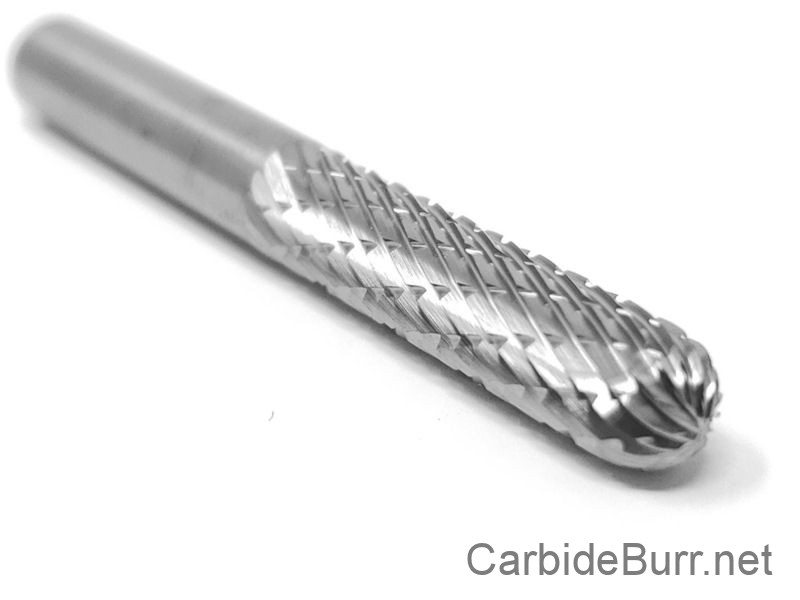
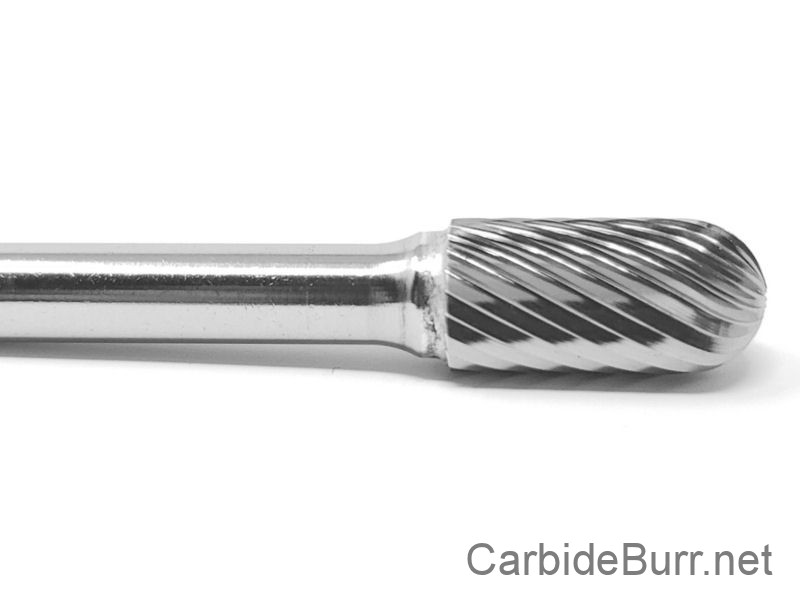
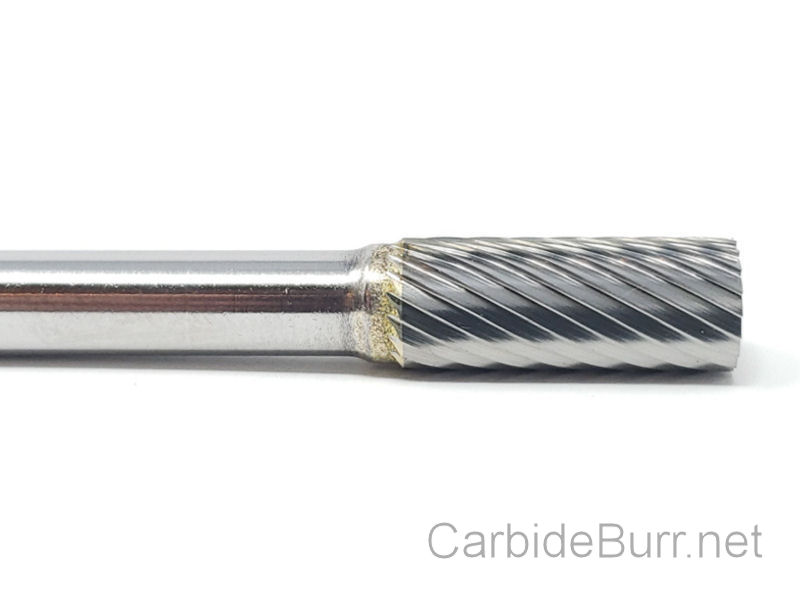
Carbide burrs are cutting tools used in rotary tools. They shape, grind, and remove excess material. Made from tungsten carbide, they are extremely hard and durable. This makes them perfect for machining hard metals. You can find them in different shapes and sizes to suit various applications. If you’re new to using these tools, check out this comprehensive guide.
How Burr Speed Affects Performance
The speed at which you operate your burr greatly impacts its performance. High RPMs can lead to smoother cuts and faster work, but too much speed can wear out the tool quickly. Low speeds might save the burr but can result in poor cut quality and extended work time. Finding the right balance ensures efficient work while maintaining the tool’s integrity.
Importance of Material-Specific Settings
Different materials require different speed settings. Steel, aluminum, and stainless steel each have unique properties that affect how they interact with a carbide burr. Using the right RPM for each material not only ensures better performance but also prolongs the life of your tools. In the sections below, we’ll break down the ideal speed for each type of material, helping you make informed decisions.
Steel Speed Recommendations
Steel is a common material in many machining projects. Using carbide burrs effectively with steel requires specific speed settings.
Optimal Speed for Carbon Steel
When working with carbon steel, aim for RPMs around 25,000 to 35,000. This range allows for smooth cutting and prolongs tool life. It’s important to monitor the tool’s performance and make adjustments as needed. High RPMs can cause overheating, so always keep an eye on the temperature of the burr.
Adjusting for Tool Longevity
To extend the life of your carbide burrs, consider alternating your usage patterns. Periodically change the burr’s position and vary the speed slightly. This reduces heat buildup and wear on any single part of the burr. Regular maintenance, like cleaning and checking for wear, also helps in maintaining tool longevity.
Aluminum Speed Recommendations
Aluminum is softer than steel, requiring different handling. Proper speed settings ensure clean cuts and prevent tool damage.
Best Practices for Soft Metals
For aluminum, using a lower RPM range of 15,000 to 25,000 is often ideal. This prevents the metal from melting and sticking to the burr. A slower speed gives you more control, resulting in smoother finishes. Pay attention to the burr’s movement; if it starts to chatter, adjust the speed accordingly.
Avoiding Common Pitfalls
Common mistakes include using speeds too high for soft metals. This can cause the burr to dig in or skip across the surface. Always start at a lower speed and adjust as needed. Keeping your tool sharp and clean also helps prevent issues like burring or rough edges.
Stainless Steel Speed Recommendations
Stainless steel presents unique challenges due to its hardness. Correct speed settings are crucial for effective machining.
Challenges with Harder Materials
Stainless steel requires a slower speed due to its toughness. Operating at 10,000 to 20,000 RPM is optimal. This minimizes overheating and tool wear. Using lubricant can also aid in reducing friction, ensuring smoother cuts and protecting the tool.
Enhancing Cutting Efficiency
To enhance cutting efficiency, maintain a steady speed and pressure. Avoid forcing the tool; let the burr do the work. Regularly check for signs of wear and replace the burr when necessary. Proper technique and maintenance ensure your tools last longer and perform better.
Comprehensive Burr Speed Chart
A well-organized speed chart is a valuable tool for any machinist. It provides quick reference for optimal speed settings.
How to Use the Burr Speed Chart
The burr speed chart offers a clear guide for different materials. Locate your material type and follow the suggested RPM range. This ensures you’re using the right settings for the task at hand. Keeping the chart handy saves time and helps you avoid unnecessary guesswork.
Tips for Accurate RPM Settings
For accurate RPM settings, consider using a variable speed tool. This allows you to adjust speeds easily and find the perfect setting for each material. Regularly calibrate your tools to ensure they’re working at the correct speed. Consistency in speed settings leads to better results and prolonged tool life.
Frequently Asked Questions
What are carbide burrs used for?
Carbide burrs are used to shape, grind, and remove material from metals and other hard substances. They are often used in rotary tools for detailed work.
How do I choose the right speed for my carbide burr?
Choose the right speed based on the material you’re working on. Steel requires higher RPMs, while aluminum and stainless steel need lower speeds to prevent damage and overheating.
Why is it important to use material-specific speed settings?
Using material-specific speed settings ensures efficient work and extends the life of your tools. Each material reacts differently to tools, so adjusting the speed accordingly prevents wear and maintains quality.
Can I use the same carbide burr on different materials?
Yes, but you need to adjust the speed for each material. Using the same burr at different speeds helps it last longer and provides better results.
How can I maintain my carbide burrs for longer use?
Regular cleaning and inspection help maintain carbide burrs. Adjusting speed settings and using the correct RPM for each material also prolongs their lifespan.
Follow Us On Social Media for Special Coupons
Facebook – Twitter – Instagram – Youtube
Carbide Burrs on 1/4″ Shanks – Solid Carbide Burrs – 1/4″ Carbide Burrs on 1/8″ Shanks – Long Shank Carbide Burrs – NF Carbide Burrs – Carbide Burr Sets – End Mills – Accessories
Order Tracking – Dropship Carbide Burr Tools – Contact Us – Cut Options – Coupon Codes – Posts
(513) 899-2610
PO Box 197 – Morrow Ohio 45152