How Fabricators Use Carbide Burrs in Metal Shops
Carbide burrs are often the unsung heroes in metal shops, yet many metal fabricators miss their full potential. If you’ve ever struggled with rough edges or uneven finishes, you know how frustrating it can be to get those details just right. This post breaks down how fabricators use different burr shapes and deburring techniques to shape metal parts with precision, giving you fresh ideas to improve your metalworking tools and boost fabrication efficiency. Learn more about the role of these tools here.
Introduction to Carbide Burrs
Carbide burrs are pivotal in metal shops for their versatility and precision. They allow metal fabricators to achieve the smoothest finishes and cleanest cuts. Let’s explore how these tools enhance metalworking.
Essential Tools for Fabricators
Carbide burrs are indispensable for any metal shop. Their primary function is to refine edges and surfaces on metal parts. The range of shapes available means you can find a burr suited for every specific task.
You might wonder why these burrs are so crucial. Simply put, they help in reducing manual labor significantly. By choosing the right shape and size, you can make detailed adjustments with ease. This can be a game-changer, especially when working with intricate designs.
Why Carbide Burrs Matter
The quality of your final product often depends on the tools you use. Carbide burrs stand out because of their durability and precision. They are crafted to withstand high speeds and tough materials, making them ideal for metalworkers.
Their ability to create detailed finishes is unmatched. For instance, when smoothing out welds or dealing with angular edges, a carbide burr provides the cleanest results. This means less time spent fixing imperfections, allowing you to focus on creating exceptional metalwork.
Techniques for Deburring
Deburring is a critical process in metal fabrication. Using the right techniques can save you time and effort while ensuring high-quality results. Let’s delve into some effective methods.
Mastering Deburring Techniques
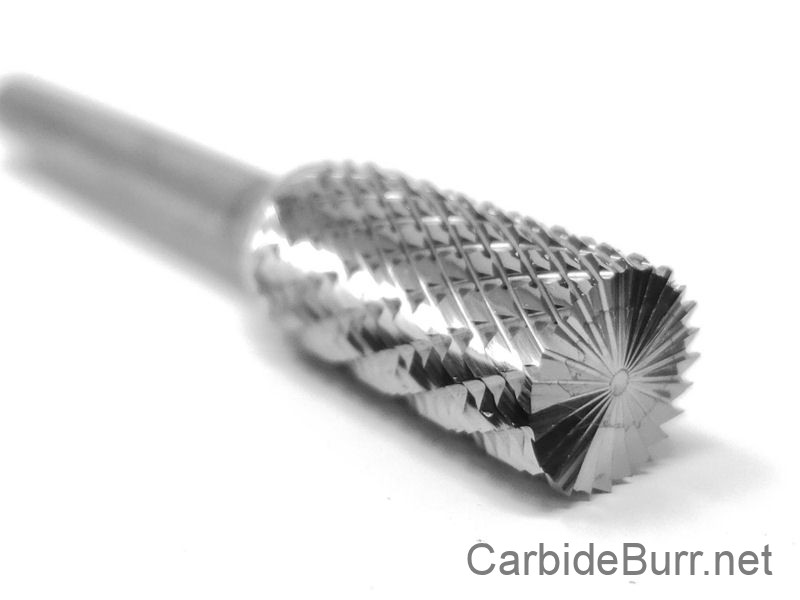
Deburring involves removing sharp edges and excess material from metal parts. Start by selecting a burr with a shape that matches the edge you’re working on. This ensures efficiency and precision.
Rotary tools are commonly used with burrs to achieve smooth finishes. By adjusting the speed and pressure, you can customize the level of detail. It’s essential to practice on scrap pieces to fine-tune your technique before tackling important projects.
Best Burrs for Edge Work
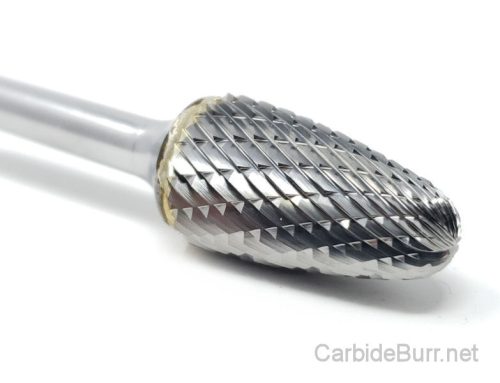
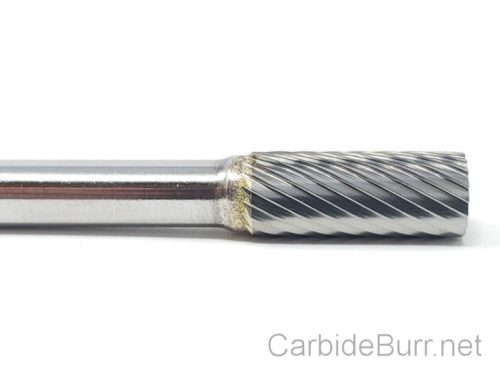
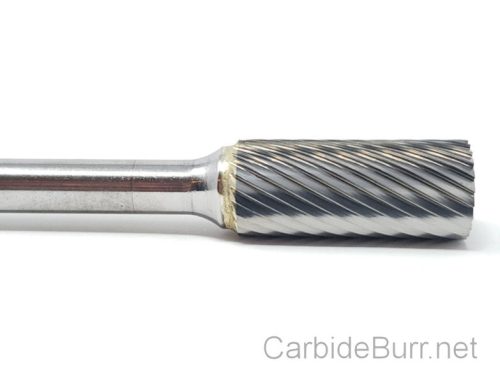
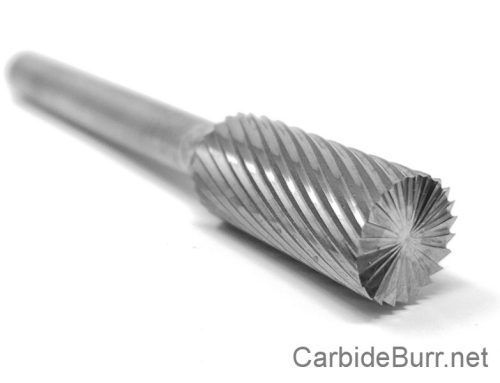
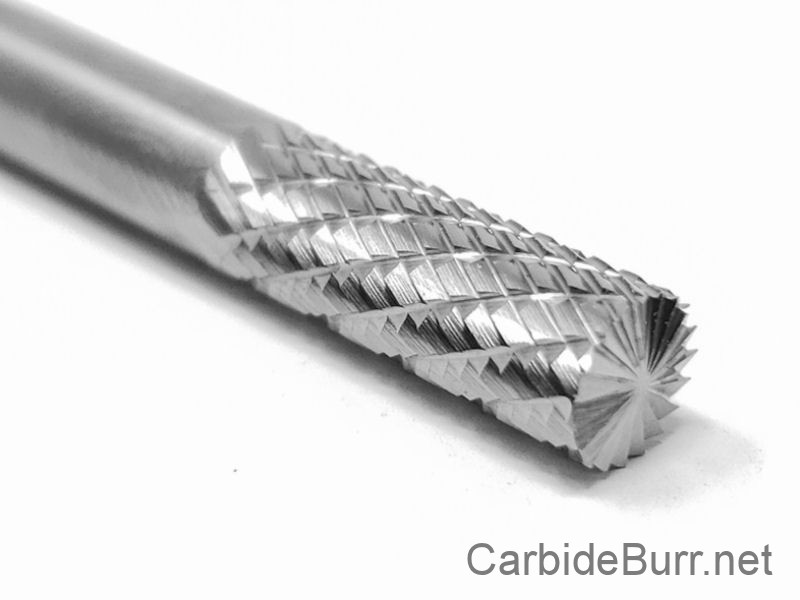
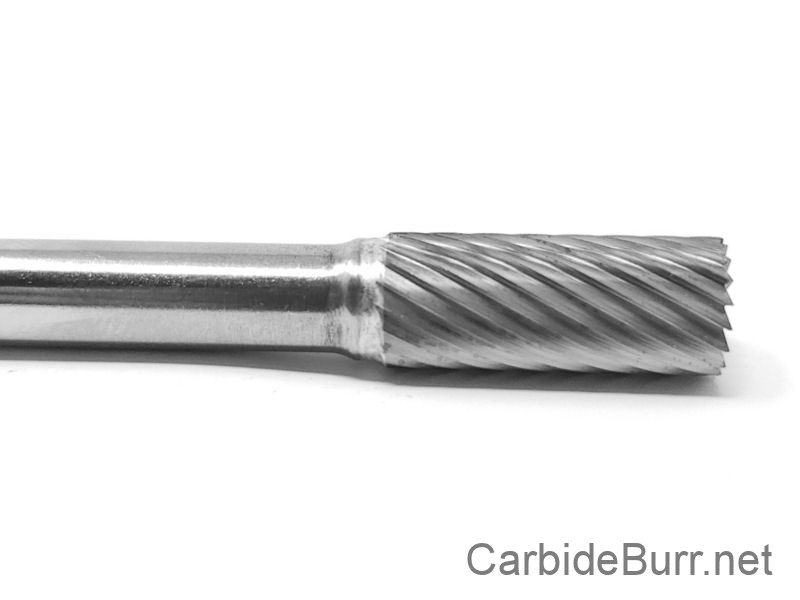
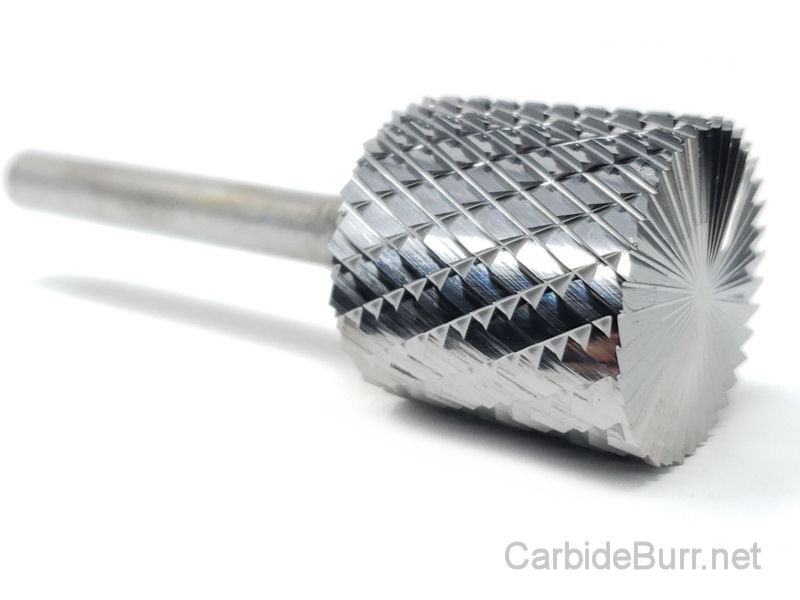
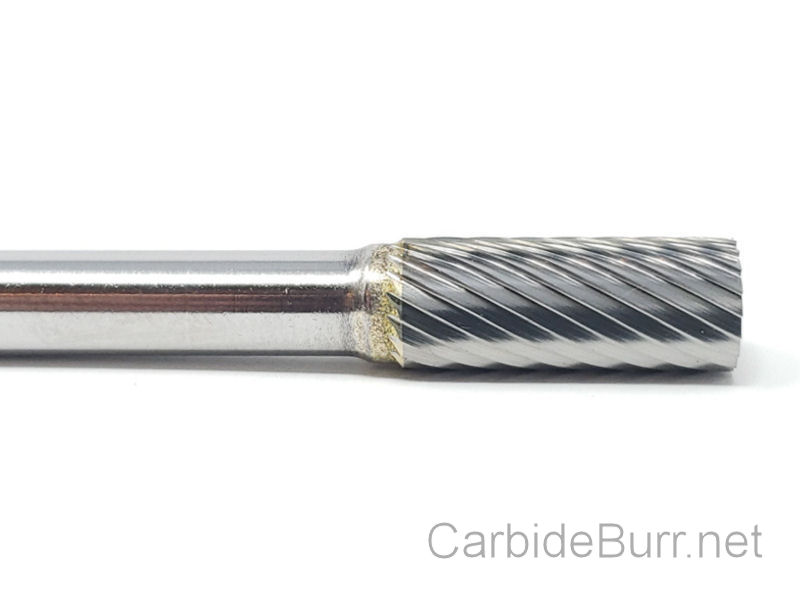
Choosing the right burr for edge work is key to achieving a polished finish. Cylinder-shaped burrs are excellent for flat surfaces, while tapered burrs excel at reaching tight corners.
When working with harder metals, it’s crucial to select a burr made from high-quality carbide to avoid wear. The right burr can make the difference between a smooth edge and one that requires additional sanding or grinding.
Shaping Metal Parts
Shaping metal is both an art and a science. It requires precision tools and the right techniques to bring your vision to life. Here’s how carbide burrs can assist in this process.
Techniques for Shaping
Shaping involves altering the form of metal parts to meet specific design requirements. Carbide burrs are perfect for this due to their precision and variety of shapes.
To begin, use a coarse burr for initial shaping. This helps remove large sections quickly. Follow up with a finer burr to refine the shape and achieve the desired smoothness. Always ensure your piece is securely clamped to prevent movement during shaping.
Selecting the Right Burr Shape
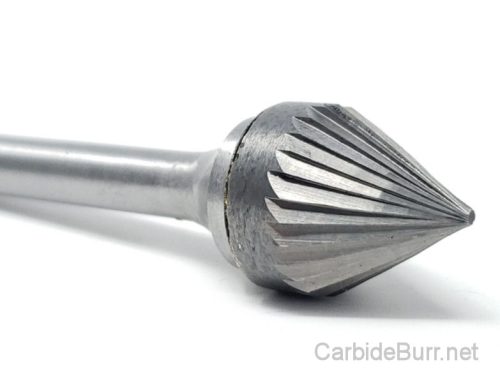
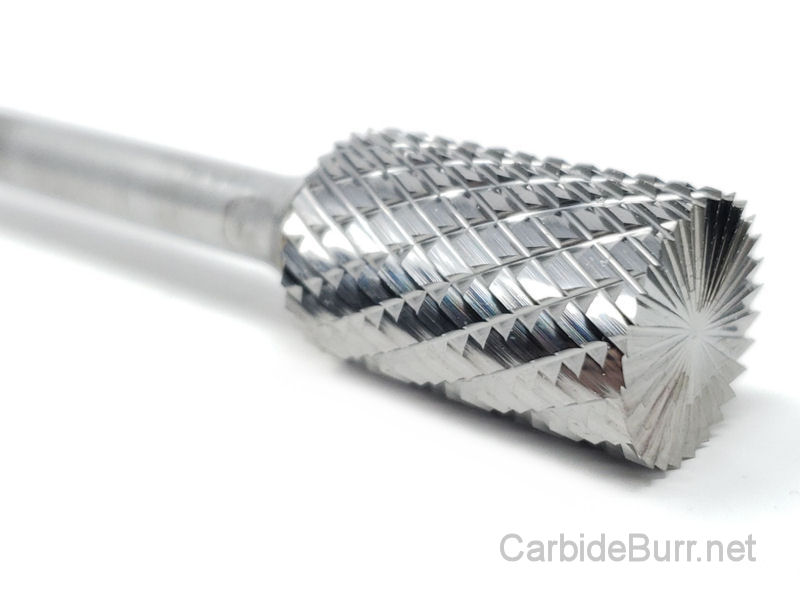
The shape of the burr you choose directly impacts the outcome. For example, ball-shaped burrs are great for contours, while pointed burrs are ideal for detailed work.
When selecting a burr, consider the material and the intricacies of your design. Experimenting with different shapes can lead to discovering new techniques that enhance your craftsmanship.
Achieving Precision Finishing
Precision finishing is the hallmark of high-quality metalwork. It requires attention to detail and the right tools to perfect every inch of your project.
Importance of Precision Finishing
Precision finishing is crucial because it affects the appearance and functionality of the final product. It’s not just about aesthetics; a smooth finish can also impact the piece’s durability and performance.
Using carbide burrs ensures that even the smallest details are polished to perfection. This attention to detail can set your work apart, making it more appealing to clients or end-users.
Tools for Precision and Quality
High-quality tools are essential for achieving precision finishes. Carbide burrs are favored for their ability to withstand rigorous use while maintaining sharpness.
Investing in a comprehensive set of burrs can provide you with the flexibility needed to tackle any project. Each shape serves a unique purpose, ensuring you can handle a wide range of tasks without compromising on quality.
Enhancing Fabrication Efficiency
Efficiency in fabrication is about working smarter, not harder. By optimizing your processes, you can increase productivity without sacrificing quality.
Tips for Efficient Metalworking
Efficient metalworking begins with organization. Keep your tools, including carbide burrs, well-maintained and organized for easy access.
Plan your projects in stages to avoid unnecessary work. Use the right burr for each stage to streamline the process. Regularly assessing your techniques can also lead to discovering more efficient methods.
Burr Shapes for Specific Applications
Different applications require specific burr shapes. For example, using a flame-shaped burr can help with complex curves, while an oval-shaped burr works well for smoothing large surface areas.
Understanding which burr shape to use in various scenarios can drastically improve your workflow. It reduces the need for additional finishing steps, saving both time and resources.
Frequently Asked Questions
What are carbide burrs used for?
Carbide burrs are used for shaping, deburring, and finishing metal parts. They provide precision and efficiency in metalworking tasks, making them essential in fabrication settings.
How do you choose the right burr shape?
Selecting the right burr shape depends on the task. Consider the material, the detail required, and the shape of the surface you’re working on to make the best choice.
Why is deburring important in metal fabrication?
Deburring removes sharp edges and excess material, ensuring safety and a polished finish. It enhances the appearance and functionality of metal parts.
Can carbide burrs be used on any material?
While carbide burrs are ideal for metal, they can also be used on other materials like wood and plastic. However, ensure the burr matches the material’s hardness for optimal results.
What maintenance do carbide burrs require?
Regular cleaning and inspection for wear are essential. Keep them sharp and store them properly to extend their lifespan and maintain performance.
Follow Us On Social Media for Special Coupons
Facebook – Twitter – Instagram – Youtube
Carbide Burrs on 1/4″ Shanks – Solid Carbide Burrs – 1/4″ Carbide Burrs on 1/8″ Shanks – Long Shank Carbide Burrs – NF Carbide Burrs – Carbide Burr Sets – End Mills – Accessories
Order Tracking – Dropship Carbide Burr Tools – Contact Us – Cut Options – Coupon Codes – Posts
(513) 899-2610
PO Box 197 – Morrow Ohio 45152