What Is a Carbide Burr and How Does It Work?
Most metalworking tools wear out faster than you expect, slowing down your projects and costing more. Carbide burrs stand apart with their tough tungsten carbide build, cutting through materials like metal, plastic, and wood without losing grip. Understanding how carbide burrs work and their unique shapes can save you hours and improve your results in machining processes. Let’s break down what makes these carbide cutting tools essential for your next project. For more information, check out this link on what distinguishes a tungsten carbide burr from traditional cutting tools.
Understanding Carbide Burrs
Let’s dive into the essentials of carbide burrs. These tools are known for their durability and precision, making them a staple in various industries. Understanding their composition and unique features can help you choose the right burr for your needs.
Composition and Design Basics
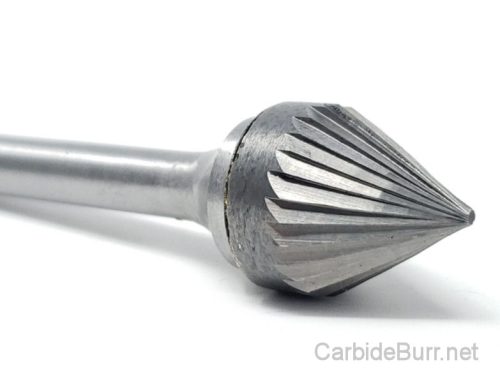
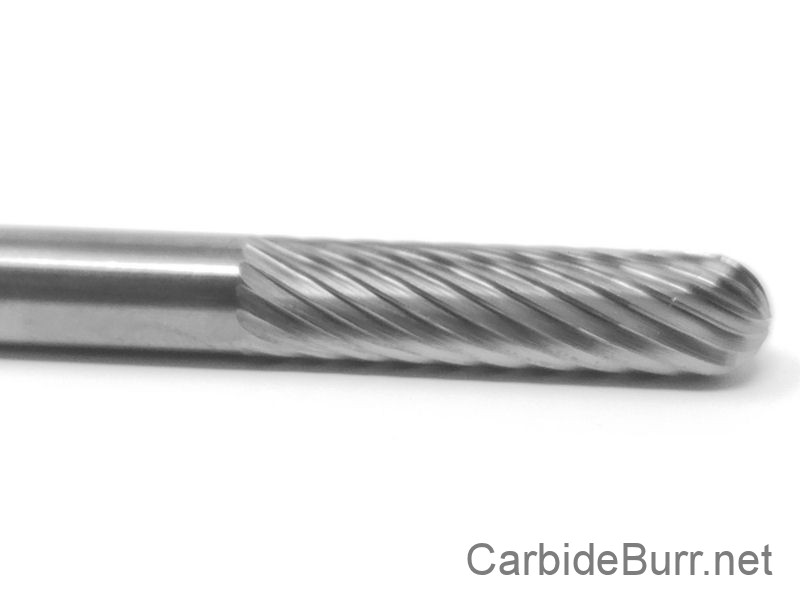
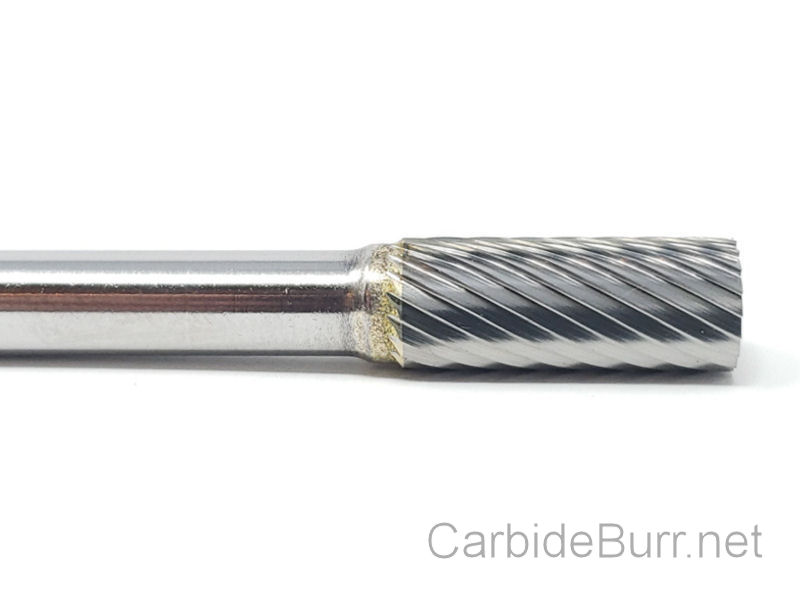
Carbide burrs are made from tungsten carbide, a material that is incredibly hard and wear-resistant. This composition allows them to maintain their sharpness over extended use. The design of these burrs typically features a rotary cutter with multiple teeth, enabling efficient material removal.
-
The tungsten carbide material ensures longevity and minimal wear.
-
The rotary cutter design enhances cutting precision.
Carbide burrs come in different sizes and shapes, each serving a specific purpose. The choice of design depends on the material you are working with and the kind of finish you desire.
Unique Shapes and Hardness
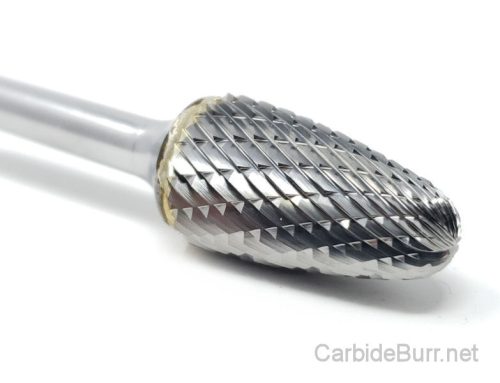
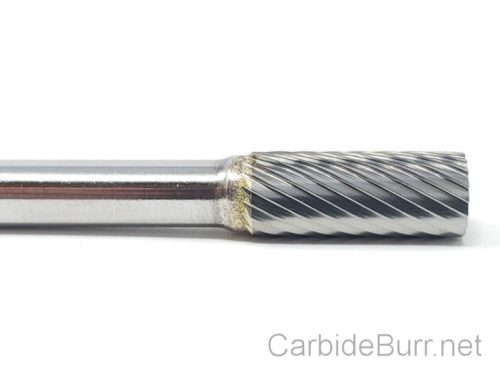
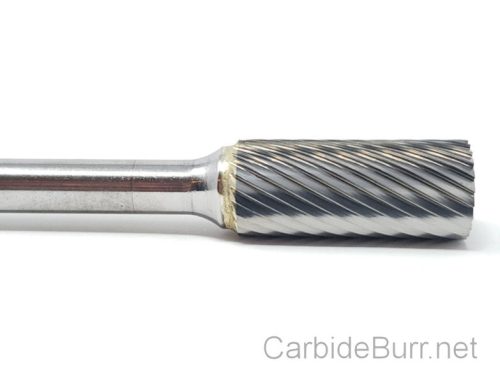
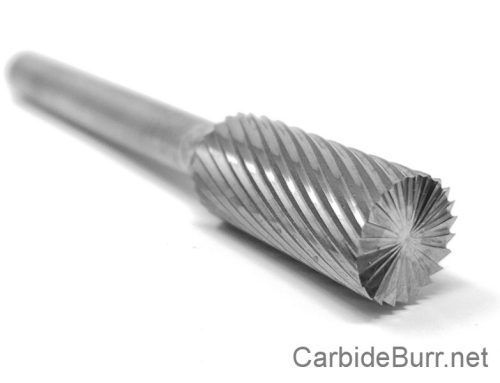
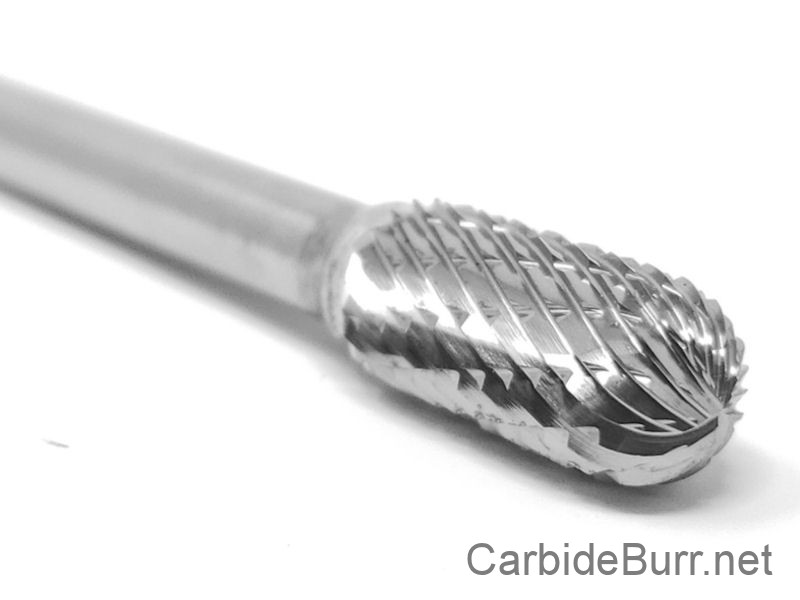
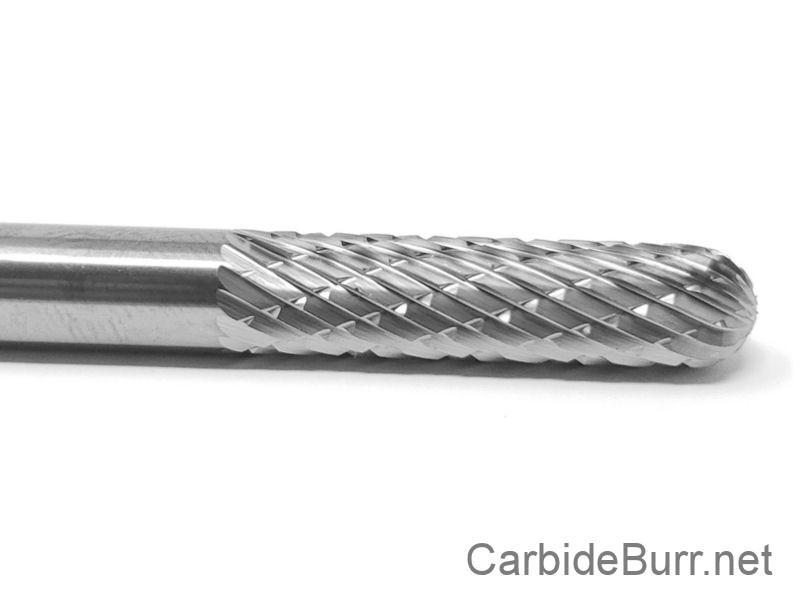
One of the standout features of carbide burrs is their varied shapes. These shapes allow for versatile use in different applications. Common shapes include cylindrical, ball, oval, and tree. Each shape caters to specific tasks, from detailed work to heavy material removal.
-
Cylindrical burrs are ideal for flat surfaces.
-
Ball burrs work well for concave cuts and hollow areas.
The hardness of tungsten carbide ensures that these burrs perform well on hard materials like metals, making them a preferred choice in metalworking.
Key Benefits and Features
Carbide burrs offer several advantages over traditional tools. They provide precision, speed, and efficiency in cutting and shaping materials. Their durability translates to cost savings over time, as they need less frequent replacement.
-
Precision cutting for detailed work.
-
Long lifespan reduces tool replacement costs.
These benefits make carbide burrs a valuable addition to any toolkit, especially for professionals who require consistent and precise results.
How Carbide Burrs Work
Understanding how carbide burrs operate can enhance your machining processes. These tools are not just about cutting; they play a role in shaping, grinding, and ensuring a smooth finish on various materials.
Cutting and Shaping Techniques
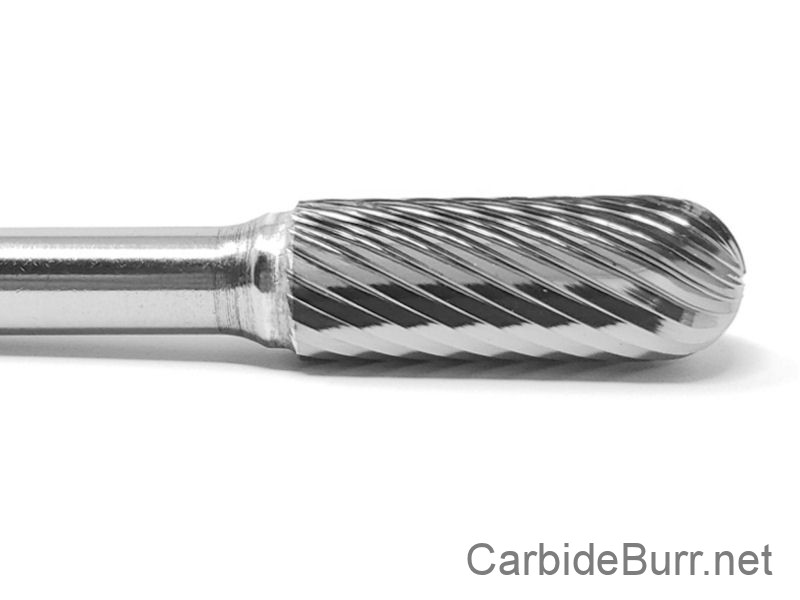
Carbide burrs cut through materials by rotating at high speeds. This rotation, combined with the burr’s sharp teeth, enables it to remove material quickly and efficiently. Depending on the burr’s shape, you can achieve different finishes, from rough cuts to smooth edges.
-
High-speed rotation ensures quick material removal.
-
Different shapes provide varied finish options.
Mastering these techniques can significantly improve your productivity and the quality of your work.
Material Compatibility and Versatility
Carbide burrs are versatile tools that work on multiple materials, including metal, wood, and plastic. This adaptability makes them suitable for a wide range of projects, from industrial applications to DIY tasks.
-
Compatible with metals like steel and aluminum.
-
Suitable for shaping wood and plastics.
Their ability to handle different materials without losing effectiveness makes them indispensable in various fields.
Maintenance and Care Tips
Proper maintenance of carbide burrs extends their life and ensures optimal performance. Regular cleaning and storing them properly can prevent damage and maintain their sharpness.
-
Clean burrs after each use to remove debris.
-
Store in a dry place to prevent rusting.
Simple care routines can keep your tools in top condition, ready for the next project.
Applications of Carbide Burrs
Carbide burrs find applications in numerous industries. Their ability to handle hard materials and create precise cuts makes them valuable in metalworking, woodworking, and beyond.
Metalworking and Fabrication Uses
In metalworking, carbide burrs excel at tasks like deburring, shaping, and finishing. Their durability makes them suitable for heavy-duty applications, where they can efficiently remove excess material and create smooth finishes.
-
Deburring metal edges for safety and aesthetics.
-
Shaping metal components to precise specifications.
These capabilities make them a go-to tool for fabricators and machinists who require reliable performance.
Woodworking and Plastic Shaping
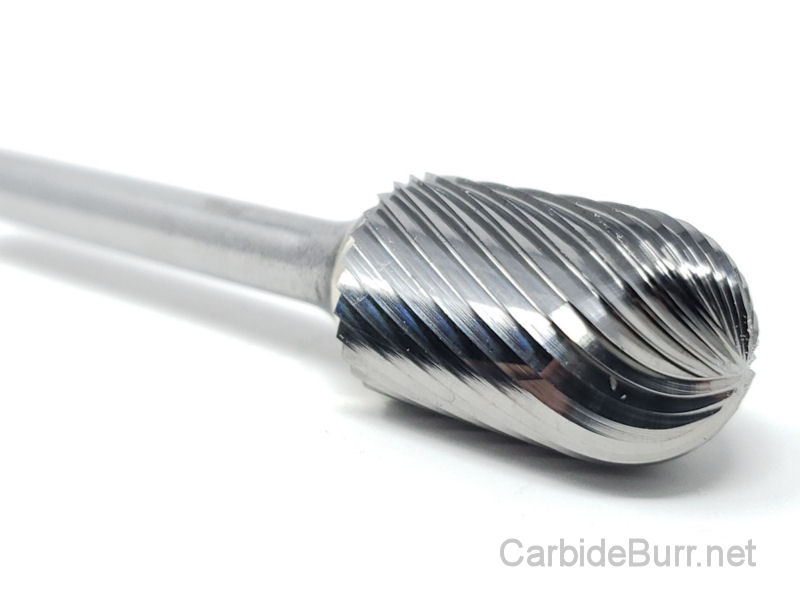
Carbide burrs are not limited to metal. They are also effective in woodworking and plastic shaping. Their precision allows for intricate designs and smooth finishes on softer materials.
-
Ideal for crafting detailed wooden designs.
-
Efficient in shaping and smoothing plastic edges.
This versatility ensures that they are useful tools for artists, craftsmen, and DIY enthusiasts alike.
Specialty Industry Applications
Beyond traditional uses, carbide burrs play a role in specialty industries, such as automotive and aerospace. Their precision and durability make them suitable for demanding applications that require exacting standards.
-
Automotive repairs and modifications benefit from their precision.
-
Aerospace component shaping relies on their reliability.
These applications highlight the broad utility of carbide burrs in specialized fields.
Choosing the Right Carbide Cutting Tools
Selecting the right carbide burr for your project is crucial to achieving the best results. Considering factors like material, shape, and size can guide you to the perfect tool for your needs.
Factors to Consider in Selection
When choosing a carbide burr, consider the material you’ll be working with and the type of cut required. The burr’s material, shape, and size all play a role in its effectiveness.
-
Match the burr material to your project’s material.
-
Choose the appropriate shape for the desired cut.
These considerations ensure that you select a tool that meets your specific requirements.
Comparing Different Types of Burrs
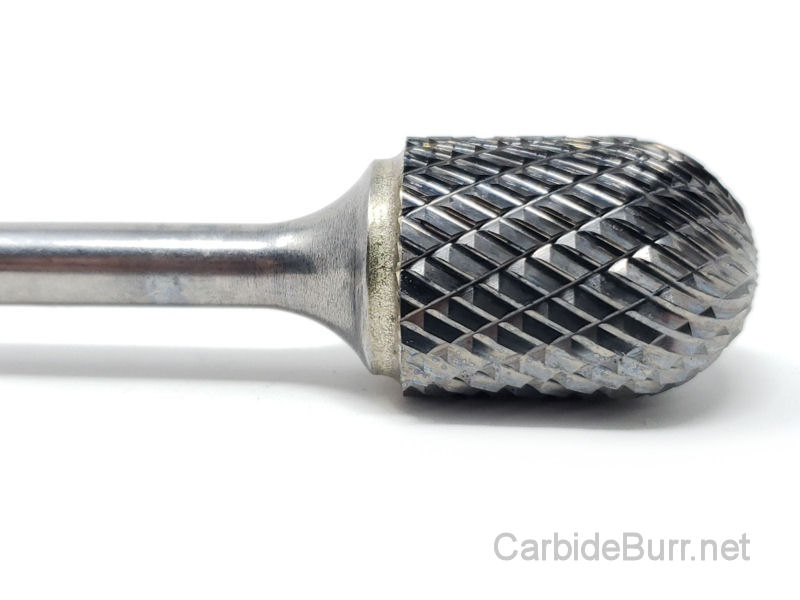
Carbide burrs come in various types, each designed for specific tasks. Comparing these types can help you understand which burr is best suited for your needs.
|
Type |
Use Case |
|---|---|
|
Cylindrical |
Flat surfaces and broad cuts |
|
Ball |
Concave areas and detailed work |
|
Tree |
Contoured surfaces and grooves |
Understanding these differences aids in selecting the right tool for your project.
Tips for Optimal Performance
To get the best out of your carbide burrs, use them correctly and maintain them well. Proper handling and care can lead to improved performance and longer tool life.
-
Use the right speed for the material.
-
Avoid applying too much pressure to prevent damage.
Following these tips ensures that your tools perform optimally and last longer.
Enhancing Machining Processes
Carbide burrs can significantly improve machining processes by enhancing speed, precision, and efficiency. Their use can lead to better results and increased satisfaction in your projects.
Improving Efficiency with Carbide Tools
Using carbide burrs can improve your workflow by reducing the time spent on material removal and finishing. Their efficiency means you can complete projects faster without sacrificing quality.
-
Faster material removal speeds up projects.
-
Consistent results reduce the need for rework.
These improvements lead to more efficient and satisfying machining experiences.
Safety Considerations and Best Practices
While carbide burrs are powerful tools, using them safely is paramount. Following best practices can prevent accidents and ensure a safe working environment.
-
Wear protective gear like goggles and gloves.
-
Ensure the tool is securely mounted before use.
Safety measures protect you and your workspace, allowing for worry-free operation.
Future Trends in Carbide Burr Technology
The future of carbide burr technology looks promising, with advancements aimed at improving performance and expanding applications. Innovations in material science and design are paving the way for more efficient and versatile tools.
-
New materials are being developed for increased durability.
-
Design innovations aim to enhance cutting precision.
These trends suggest a bright future for carbide burrs, offering exciting possibilities for professionals and hobbyists alike.
Frequently Asked Questions
What are carbide burrs made of?
Carbide burrs are made from tungsten carbide, a material known for its hardness and wear resistance. This makes them durable and effective for cutting and shaping various materials.
How do carbide burrs differ from traditional cutting tools?
Carbide burrs differ from traditional cutting tools in their material and design. They are made from tungsten carbide and have a rotary cutter design, allowing for precise and efficient material removal.
Can carbide burrs be used on wood and plastic?
Yes, carbide burrs are versatile and can be used on wood and plastic. Their precision allows for detailed work on softer materials, making them suitable for a range of projects.
How should I maintain my carbide burrs?
Maintaining carbide burrs involves regular cleaning and proper storage. Clean them after each use to remove debris and store them in a dry place to prevent rusting.
What safety precautions should I take when using carbide burrs?
When using carbide burrs, wear protective gear like goggles and gloves. Ensure the tool is securely mounted before use, and follow best practices to avoid accidents.
Follow Us On Social Media for Special Coupons
Facebook – Twitter – Instagram – Youtube
Carbide Burrs on 1/4″ Shanks – Solid Carbide Burrs – 1/4″ Carbide Burrs on 1/8″ Shanks – Long Shank Carbide Burrs – NF Carbide Burrs – Carbide Burr Sets – End Mills – Accessories
Order Tracking – Dropship Carbide Burr Tools – Contact Us – Cut Options – Coupon Codes – Posts
(513) 899-2610
PO Box 197 – Morrow Ohio 45152