Mastering Metal Casting Finishing: The Role of Carbide Burrs in Precision Machining
Metal casting finishing often falls short of meeting strict mechanical tolerances, causing headaches for manufacturers. You need machining tools that do more than just clean up surfaces—they must deliver precision down to the last micron. A carbide burr plays a crucial role in precision machining, helping you achieve tighter fitting components and smoother finishes that boost manufacturing reliability across automotive, aerospace, and industrial applications. For further insights on carbide burrs, you can visit this link.
Check out our entire selection of USA made Carbide Burr tools here
Understanding Metal Casting Finishing
When it comes to metal casting, even small imperfections can lead to significant problems in manufacturing. Let’s explore how precision machining can address these challenges.
The Importance of Precision Machining
Precision machining is crucial for achieving exact dimensions in metal parts. This process ensures that each piece fits perfectly and functions correctly. Imagine building a machine where every part works in harmony. That’s the promise of precision machining: accurate measurements and reliable performance.
More than just a buzzword, precision ensures that components function as intended, reducing wear and tear. When every part fits as it should, machines operate smoother and last longer. This not only saves money but also time on repairs and replacements.
Precision machining also plays a vital role in safety. Well-fitted components reduce the risk of mechanical failures, which can be costly and dangerous. By investing in precision, you invest in the longevity and safety of your products.
Key Techniques in Metal Finishing
Metal finishing goes beyond the surface. It involves techniques that refine and improve the metal’s outer layer. Some of these methods include grinding, sanding, and polishing. Each technique serves a specific purpose, from smoothing rough edges to enhancing the metal’s appearance.
Grinding removes unwanted material, creating a smooth surface ready for further processing. Sanding follows, ensuring every inch of the metal is even and ready for finishing touches. Polishing adds the final shine, making the metal not only functional but also aesthetically pleasing.
These techniques are essential for creating components that meet strict industry standards. They ensure the metal is not only durable but also resistant to corrosion and other environmental factors, providing a long-lasting finish.
Cosmetic and Functional Enhancements
The metal’s appearance matters just as much as its function. Cosmetic enhancements improve the look, while functional enhancements ensure it works as intended. A well-finished piece of metal can transform an ordinary product into something extraordinary.
Cosmetic enhancements involve polishing and coating processes that improve the metal’s appearance. These processes can make a product more appealing to customers, increasing its market value. Functional enhancements, on the other hand, focus on the metal’s durability and performance.
Together, these enhancements create a product that’s both visually appealing and built to last. They ensure that the metal performs its intended function while looking great, making it a win-win for manufacturers and consumers alike.
The Role of Carbide Burrs
Carbide burrs are essential in precision machining. They help achieve the fine details needed for optimal performance. Let’s delve into what makes them so crucial.
Defining Carbide Burrs
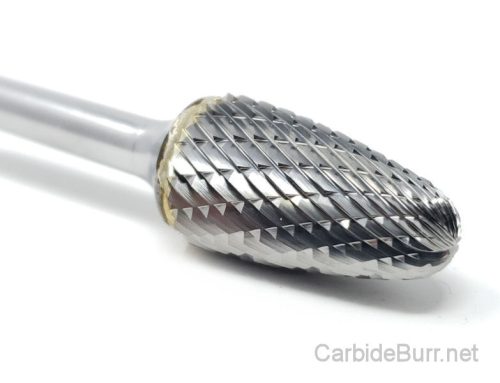
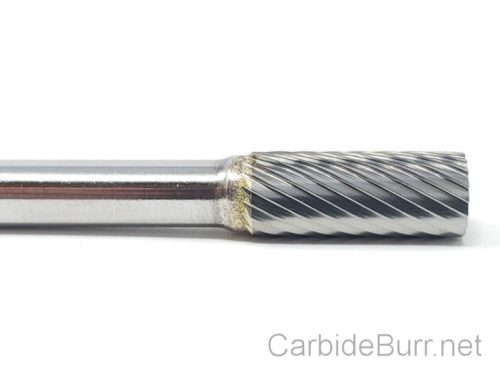
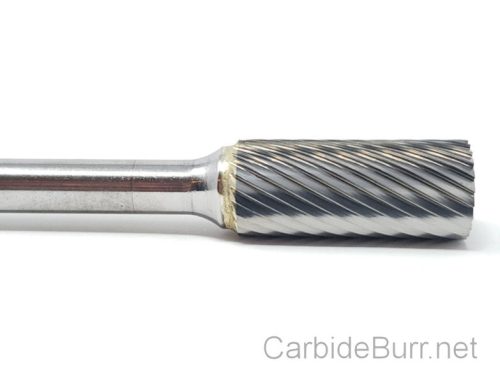
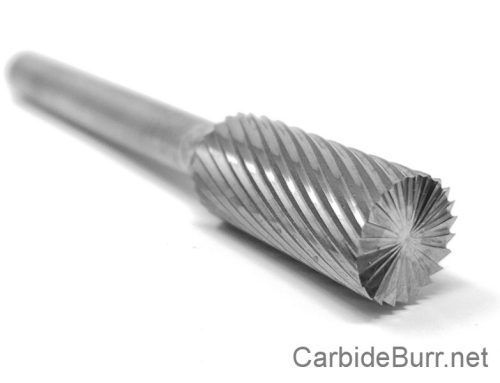
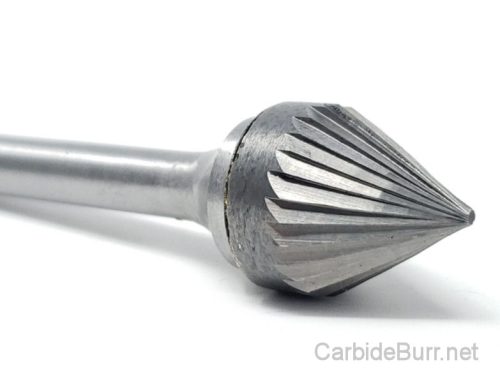
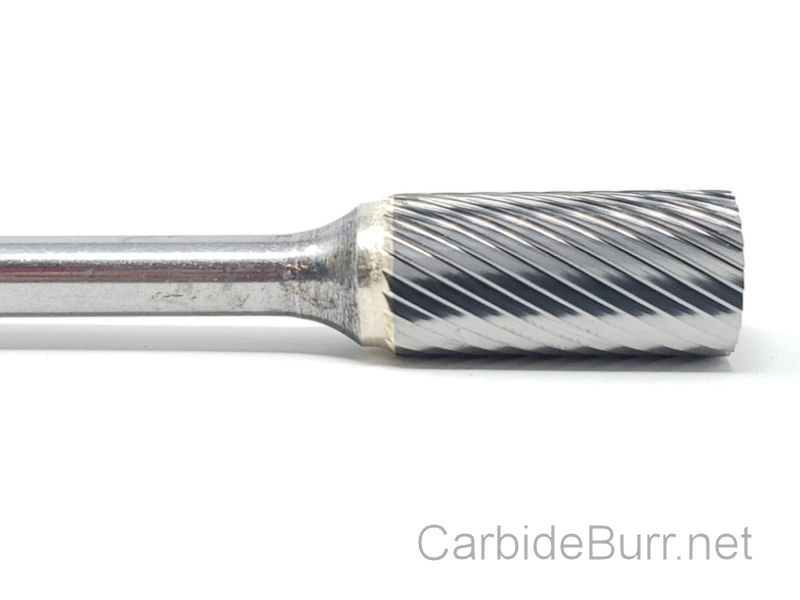
Carbide burrs are cutting tools used in various machining tasks. They come in different shapes and sizes, each designed for specific applications. They are made from tungsten carbide, a material known for its strength and durability.
These tools are essential for cutting, shaping, and removing excess material from metal parts. They work by rotating at high speeds, allowing for precise cuts and finishes. Carbide burrs are versatile and can be used on a wide range of materials, from steel to aluminum.
By using carbide burrs, manufacturers can achieve the exact specifications required for their products. This precision is crucial for creating components that fit perfectly and operate smoothly.
Benefits of Using Carbide Burrs
Carbide burrs offer numerous advantages in metal machining. Their durability and efficiency make them a popular choice for manufacturers. One of the main benefits is their ability to handle high-speed applications without wearing down quickly.
These tools provide clean and precise cuts, reducing the need for additional finishing work. This efficiency saves time and reduces production costs. Moreover, carbide burrs are resistant to heat, making them suitable for use in high-temperature environments.
Their versatility also means they can be used in various applications, from automotive to aerospace. This adaptability makes carbide burrs an invaluable tool in any machinist’s toolkit.
For more on how carbide burrs enhance cutting processes, refer to this article.
Choosing the Right Burr for the Job
Selecting the right carbide burr is crucial for achieving the desired results. Consider the material you’re working with and the finish you need. Different shapes and sizes are available, each suited for specific tasks.
For detailed work, a smaller burr with a fine tip is ideal. For removing large amounts of material, a larger burr with a coarse finish is more suitable. It’s important to match the burr’s specifications with the requirements of your project.
Choosing the right burr ensures that you achieve the best possible finish while maintaining efficiency. It also reduces the risk of damaging your materials, ensuring a high-quality end product.
Achieving Tighter Fitting Components
Tight-fitting components are essential for reliable performance. Let’s explore how precision machining achieves this goal.
Ensuring Manufacturing Reliability
Reliable manufacturing depends on components that fit perfectly. Precision machining ensures that every part meets exact specifications. This accuracy reduces the risk of breakdowns and increases the lifespan of your products.
When components fit together seamlessly, they operate more efficiently. This reduces friction and wear, leading to longer-lasting products. Precision machining is key to achieving this reliability, ensuring that every part works as intended.
By investing in precision, you improve the overall quality of your products. This reliability boosts customer satisfaction and sets your products apart in the market.
Enhancing Automotive Components
In the automotive industry, precision is crucial. Every component must fit perfectly to ensure optimal performance. Carbide burrs play a vital role in achieving the precise dimensions needed for automotive parts.
From engine components to braking systems, precision machining ensures that every part functions as intended. This accuracy improves vehicle performance and safety, providing a smoother and more reliable ride.
By using carbide burrs, manufacturers can achieve the exact specifications required for automotive components. This precision enhances the overall performance of vehicles.
For insights into using carbide burrs for automotive applications, check out this resource.
Advancements in Aerospace Manufacturing
Aerospace manufacturing requires the highest level of precision. Every component must meet strict tolerances to ensure safety and performance. Carbide burrs are essential tools in this industry, providing the precision needed for complex aerospace parts.
From aircraft engines to structural components, precision machining ensures that every piece functions correctly. This accuracy is crucial for maintaining safety and efficiency in aerospace operations.
Carbide burrs help achieve the fine details needed for aerospace components. Their precision and durability make them ideal for use in this demanding industry.
Applications in Various Industries
Carbide burrs are versatile tools with applications across multiple industries. Let’s explore their uses in automotive, aerospace, and beyond.
Automotive and Industrial Uses
In the automotive and industrial sectors, precision is key. Carbide burrs are used to achieve the exact specifications needed for complex components. They provide the clean cuts and smooth finishes required for optimal performance.
These tools are used in various applications, from engine components to machinery parts. Their versatility makes them an essential tool for manufacturers in these industries.
By using carbide burrs, manufacturers can produce high-quality components that meet industry standards. This precision ensures reliable performance and customer satisfaction.
Aerospace Precision Needs
The aerospace industry demands the highest level of precision. Carbide burrs are used to achieve the fine details needed for complex aerospace components. Their durability and efficiency make them ideal for use in this challenging environment.
From aircraft engines to structural components, precision machining ensures that every piece functions correctly. Carbide burrs play a crucial role in achieving these high standards.
By investing in precision tools like carbide burrs, aerospace manufacturers can ensure the safety and performance of their products.
Broader Industrial Applications
Beyond automotive and aerospace, carbide burrs have applications in various other industries. Their versatility makes them suitable for use in metalworking, woodworking, and more.
These tools are used to shape, cut, and finish materials in a wide range of applications. Their precision and efficiency make them a valuable asset in any manufacturing process.
Carbide burrs offer reliable performance and durability, making them an essential tool for manufacturers across multiple industries. For more on the latest advancements in carbide burr technology, visit this link.
Achieving Smoother Finishes
Smooth finishes are important for both appearance and function. Let’s explore techniques for achieving superior finishes in metal components.
Techniques for Superior Finishes
Achieving a smooth finish requires precision and attention to detail. Techniques such as grinding, sanding, and polishing are used to refine the metal’s surface. Each method serves a specific purpose in achieving the desired finish.
Grinding removes excess material, creating a smooth base for further processing. Sanding follows, ensuring an even surface free from imperfections. Polishing adds the final touch, creating a shiny, polished finish.
These techniques are essential for creating high-quality components that meet industry standards. They ensure that the metal is not only functional but also visually appealing.
Impact on Performance and Longevity
A smooth finish is more than just cosmetic. It impacts the performance and longevity of metal components. When surfaces are smooth, they experience less friction and wear, leading to longer-lasting products.
This reduction in friction improves the efficiency of moving parts, enhancing overall performance. It also reduces the risk of component failure, increasing the lifespan of your products.
By investing in techniques that achieve smooth finishes, you improve the quality and durability of your products. This investment pays off in the long run, ensuring customer satisfaction and repeat business.
Future Trends in Precision Machining
The world of precision machining is constantly evolving. New technologies and techniques are emerging, offering new possibilities for manufacturers. Staying ahead of these trends is crucial for maintaining a competitive edge.
One of the key trends is the increasing use of automation in machining processes. Automated systems offer greater precision and efficiency, reducing the risk of human error. This trend is set to revolutionize the industry, offering new opportunities for manufacturers.
Another trend is the development of new materials and tools, such as advanced carbide burrs. These innovations offer improved performance and durability, helping manufacturers achieve even higher standards.
By staying informed about these trends, you can ensure that your manufacturing processes remain at the forefront of precision machining.
Follow Us On Social Media for Special Coupons
Facebook – Twitter – Instagram – Youtube
Carbide Burrs on 1/4″ Shanks – Solid Carbide Burrs – 1/4″ Carbide Burrs on 1/8″ Shanks – Long Shank Carbide Burrs – NF Carbide Burrs – Carbide Burr Sets – End Mills – Accessories
Order Tracking – Dropship Carbide Burr Tools – Contact Us – Cut Options – Coupon Codes – Posts
(513) 899-2610
PO Box 197 – Morrow Ohio 45152
Check out our entire selection of USA made Carbide Burr tools here