Pneumatic vs Electric Die Grinders: Which Is Better for Carbide Burrs?
When it comes to tackling metalwork with carbide burrs, choosing the right die grinder makes all the difference. Pneumatic die grinders and electric die grinders each bring unique strengths and challenges to your workshop. This die grinder comparison breaks down power, portability, maintenance, and performance so you can pick the best die grinder for carbide burrs and your machining and fabrication tasks. Keep reading to find the tool that fits your projects like a glove. For more insights, check out this resource.

Power and Performance
Understanding the power and performance of both pneumatic and electric die grinders helps you choose the best tool for your carbide burrs. Let’s dive into the details of motor strength and its impact on your projects.
Evaluating Motor Strength
Pneumatic die grinders typically rely on compressed air to generate power. This makes them capable of producing high torque and maintaining a consistent speed throughout usage. This continuous power supply is crucial for heavy-duty tasks. Electric die grinders, on the other hand, depend on electrical motors. While they can deliver substantial power, they often fall short of the torque provided by their pneumatic counterparts. This might be a consideration when working on more demanding metalwork.
Impact on Carbide Burrs Efficiency
The efficiency of carbide burrs largely depends on the power output of your die grinder. Pneumatic tools generally ensure smooth performance with fewer interruptions. This consistency allows you to achieve a clean finish more efficiently. Electric die grinders might struggle with tougher materials, causing potential slowdowns and requiring more effort to maintain burr efficiency. Understanding these differences helps in making informed decisions for your projects.
Speed and Precision Considerations
Speed and precision are vital in metalworking. Pneumatic die grinders often offer a higher RPM range, enabling faster material removal and precision shaping. Electric die grinders still provide impressive speed, but they may not match the pneumatic versions in high-demand applications. This could affect the precision in detailed projects, such as those requiring intricate designs or fine detailing. Check out this article for more on achieving fine details with carbide burrs.
Portability and Versatility
Beyond power, the portability and versatility of your die grinder play a crucial role in your work. Evaluating these aspects will help you understand how each type fits into different settings.
Ease of Use in Various Settings
Pneumatic die grinders are commonly used in fixed locations due to the need for an air compressor. This setup can limit portability but offers great power for stationary tasks. Electric die grinders are more versatile, easily used in multiple settings without additional equipment. This mobility is especially useful for projects requiring movement between different workspaces.
Weight and Maneuverability
Another aspect to consider is the weight and maneuverability of the tools. Pneumatic grinders are generally lighter, reducing user fatigue during extended use. This is advantageous for tasks requiring precise control. Electric models tend to be heavier, which might make them less maneuverable over long periods. Balancing weight with usability is key to selecting the right tool for your needs.
Application Flexibility
Application flexibility is essential for diverse project requirements. Pneumatic die grinders excel in industrial settings, while electric versions offer flexibility for DIY and smaller-scale projects. Electric grinders are often favored for their simplicity and ease of setup. Whether you need a tool for small or large tasks, understanding your specific project needs helps guide your choice.
Maintenance and Durability
Considering maintenance and durability ensures your investment in a die grinder lasts. Understanding routine care and cost implications can save you time and money.
Routine Care Requirements
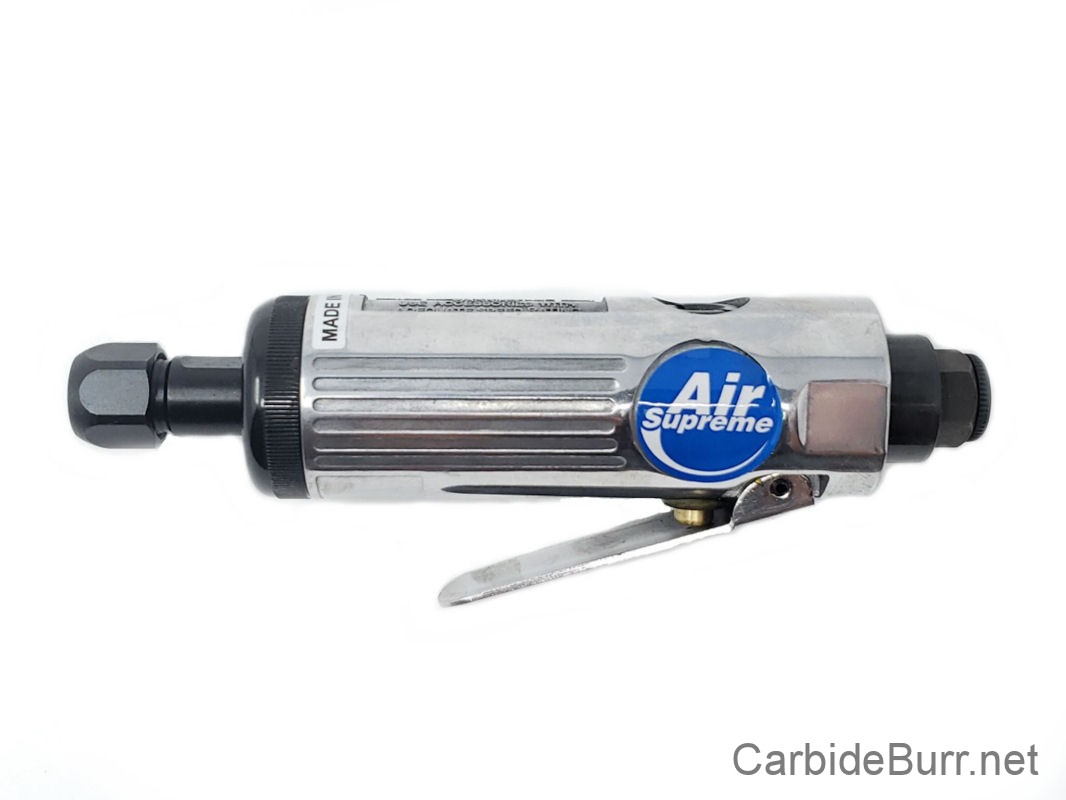
Routine maintenance differs between pneumatic and electric die grinders. Pneumatic tools require regular checks and lubrication to maintain efficient airflow and performance. Electric grinders need periodic inspections to ensure the motor and electrical components function properly. Both require attention, but pneumatic models might demand more frequent upkeep due to their air power source.
Longevity and Wear
Durability is another factor. Pneumatic die grinders are built for industrial applications, offering a longer lifespan in high-demand environments. Electric grinders may wear out faster under similar conditions. However, for less intensive usage, electric models provide adequate durability. Understanding these differences helps you plan for long-term tool performance.
Cost of Ownership
The total cost of ownership includes initial purchase, maintenance, and potential repairs. Pneumatic die grinders may have a higher upfront cost due to the need for an air compressor. However, their durability can lead to lower long-term expenses. Electric models have a lower initial investment but might incur higher maintenance costs over time. Balancing these factors aids in making a financially sound decision.
Overall Performance Comparison
Now that we’ve covered power, portability, and maintenance, let’s compare the overall performance of pneumatic and electric die grinders to help you make an informed choice.
Pros and Cons of Pneumatic Die Grinders
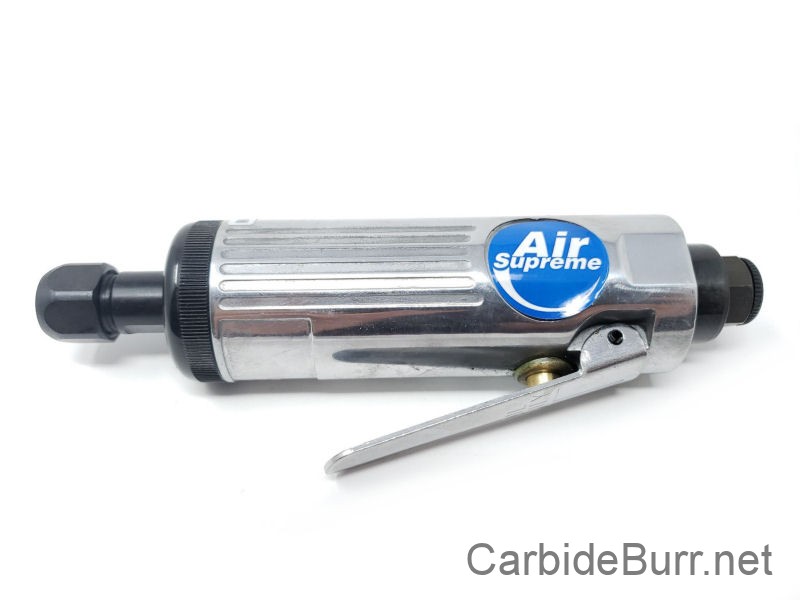
Pneumatic die grinders are known for their high power and consistent performance. They excel in heavy-duty tasks and offer impressive speed. However, they require an air compressor, limiting portability. Regular maintenance is necessary, but their durability can justify the effort. Consider these factors when evaluating their suitability for your needs.
Pros and Cons of Electric Die Grinders
Electric die grinders offer great versatility and ease of use. They are ideal for projects requiring movement between different locations. While they provide substantial power, they might struggle with the most demanding tasks. Maintenance needs are simpler, but they might wear out faster under heavy use. These aspects highlight their strengths and limitations for various applications.
Best Die Grinder for Carbide Burrs
Determining the best die grinder for carbide burrs depends on your specific requirements. If you need consistent power and handle industrial tasks, pneumatic grinders are a solid choice. For portability and versatility in less demanding projects, electric grinders might suit you better. Consider your project’s demands and choose the tool that aligns with your goals. For more guidance, see this guide.
Making the Right Choice
Ultimately, choosing the right die grinder involves assessing your unique needs and understanding the cost implications. Let’s explore these factors to help you make a well-informed decision.
Assessing Your Specific Needs
Start by evaluating the specific needs of your projects. Consider the materials you work with, the level of precision required, and the environments where you’ll use the tool. This understanding guides your choice between the power of pneumatic grinders and the versatility of electric ones.
Considering Cost-Effectiveness
Cost-effectiveness is crucial in decision-making. Weigh the initial investment, maintenance expenses, and potential repair costs. While pneumatic grinders may require a higher initial outlay, their durability could lead to lower long-term costs. Electric models offer a budget-friendly start, but consider their maintenance needs over time.
Conclusion: Optimal Selection for Projects
In conclusion, choosing between pneumatic and electric die grinders involves understanding power, portability, maintenance, and cost. By assessing your specific requirements, you can make a choice that best suits your machining and fabrication tasks, leading to successful project outcomes. For more insights, explore the role of carbide burrs in surface restoration.
Frequently Asked Questions
What is the main difference between pneumatic and electric die grinders?
Pneumatic die grinders rely on compressed air, offering high power and torque for heavy-duty tasks. Electric die grinders use electrical motors, providing versatility and ease of use in various settings.
Which type of die grinder is more suitable for beginners?
Electric die grinders are often more suitable for beginners due to their simplicity and portability. They can be used in multiple locations without the need for additional equipment like an air compressor.
How often should I maintain my die grinder?
Routine maintenance depends on the type of die grinder. Pneumatic models require regular lubrication and checks to ensure efficient airflow. Electric grinders need periodic inspections to ensure electrical components function properly.
Are pneumatic die grinders more expensive in the long run?
While pneumatic die grinders may have a higher initial cost due to the need for an air compressor, their durability can lead to lower long-term expenses. Electric models have a lower initial investment but might incur higher maintenance costs over time.
Can I use carbide burrs with both types of die grinders?
Yes, carbide burrs can be used with both pneumatic and electric die grinders. However, the efficiency of burrs may vary depending on the power output and speed consistency of the grinder used.
Follow Us On Social Media for Special Coupons
Facebook – Twitter – Instagram – Youtube
Carbide Burrs on 1/4″ Shanks – Solid Carbide Burrs – 1/4″ Carbide Burrs on 1/8″ Shanks – Long Shank Carbide Burrs – NF Carbide Burrs – Carbide Burr Sets – End Mills – Accessories
Order Tracking – Dropship Carbide Burr Tools – Contact Us – Cut Options – Coupon Codes – Posts
(513) 899-2610
PO Box 197 – Morrow Ohio 45152