Carbide Burrs for Mold and Die Repair: Professional Techniques
Mold repair often feels like a race against time when wear and damage slow production. Using the right carbide burrs can change the game, tackling imperfections with precision contouring and smooth surface finishing. This post breaks down proven repair techniques to help you extend mold longevity and boost manufacturing quality. Ready to sharpen your approach? Check out The Art of Mold Refinement with Carbide Burrs.
Introduction to Carbide Burrs
Carbide burrs are essential tools in mold and die repair. Their precision and versatility make them an excellent choice for tackling wear and damage in molds. Understanding their importance can transform your repair process.
Importance in Mold Repair
Carbide burrs play a crucial role in fixing mold imperfections. These tools help you remove excess material and smooth out surface flaws. By using carbide burrs, you can achieve precision contouring, which is critical for maintaining the mold’s integrity. When you encounter wear and tear, these burrs allow you to restore molds effectively without compromising their original design. The right application of carbide burrs can significantly extend the life of your molds, saving you time and resources in the long run.
Role in Die Repair
In die repair, carbide burrs are indispensable. They offer precise control, allowing you to handle intricate details with ease. When dealing with complex die designs, carbide burrs provide the finesse needed to maintain accuracy. Their ability to navigate tight spaces and tough materials makes them invaluable in repairing dies. By choosing the correct burr and technique, you can ensure that your dies remain in top condition, minimizing downtime and enhancing production efficiency.
Selecting the Right Burr Shape
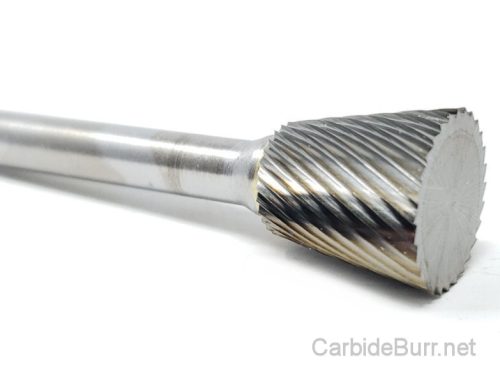
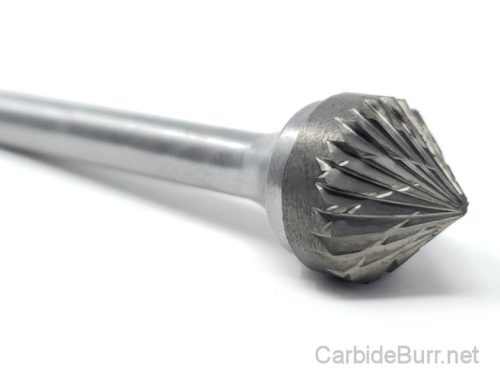
Choosing the right burr shape can make a big difference in your repair work. The shape determines how well you can execute specific tasks, such as precision contouring and surface finishing.
Precision Contouring Techniques
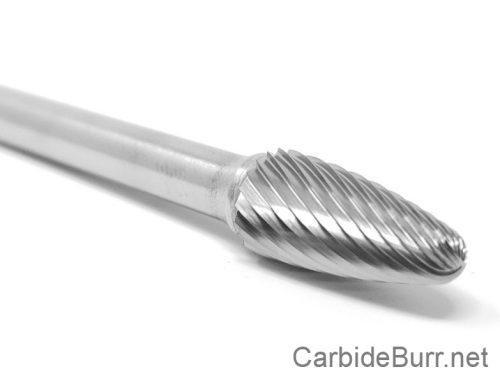
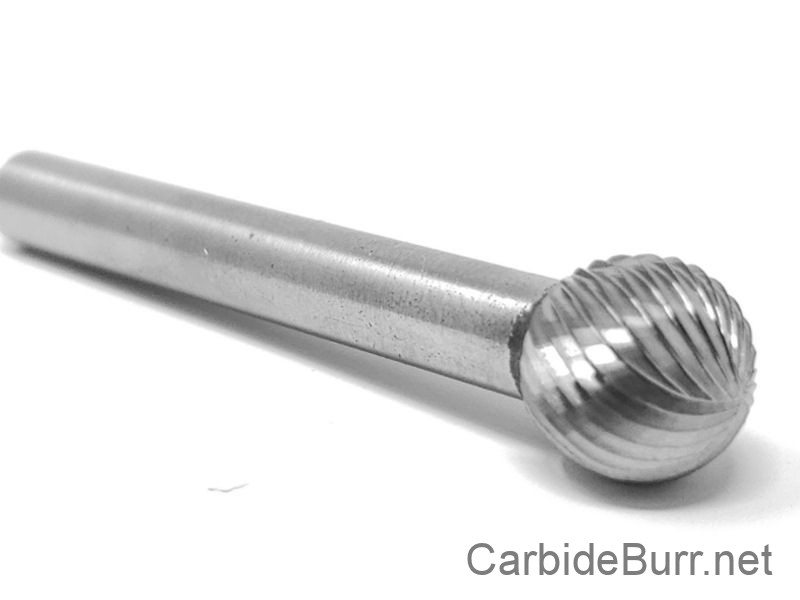
Precision contouring is essential in mold and die repair. Using the right burr shape ensures that you achieve the desired contour without damaging the material. For intricate designs, a pointed or flame-shaped burr might be ideal. These shapes allow you to reach tight corners and intricate details easily. By mastering contouring techniques, you can ensure that your molds and dies maintain their original specifications, resulting in better product quality.
Surface Finishing Options
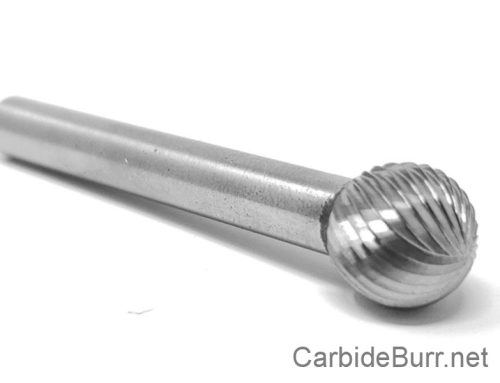
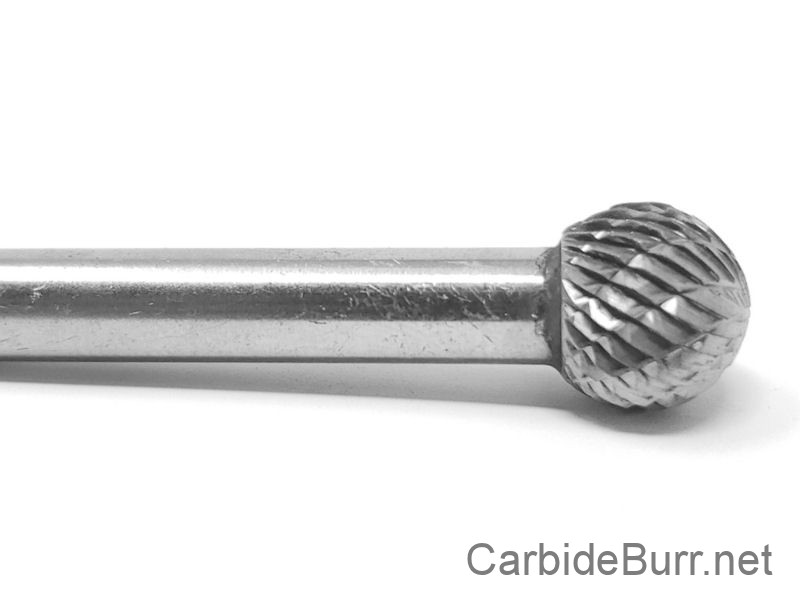
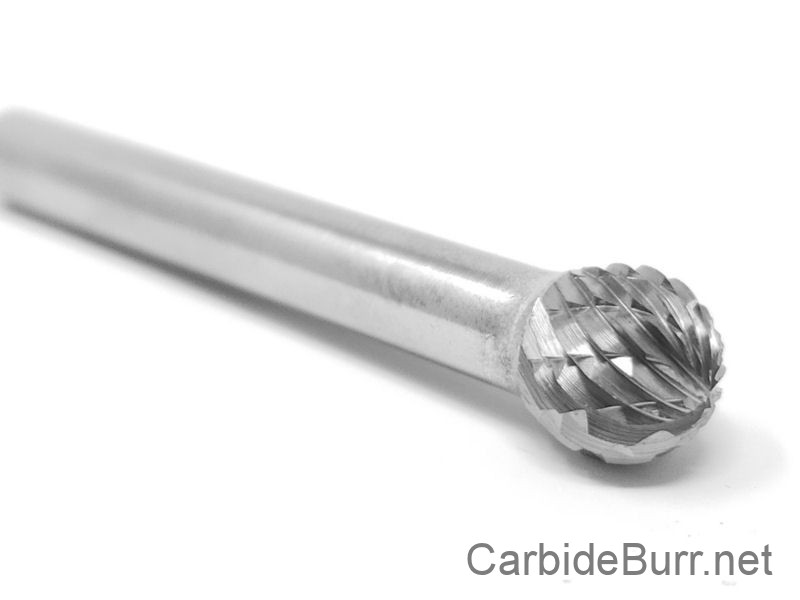
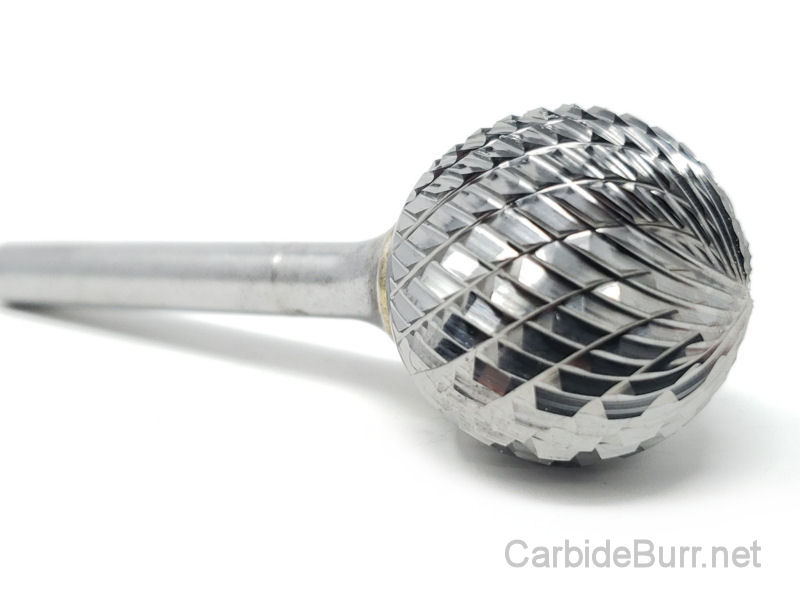
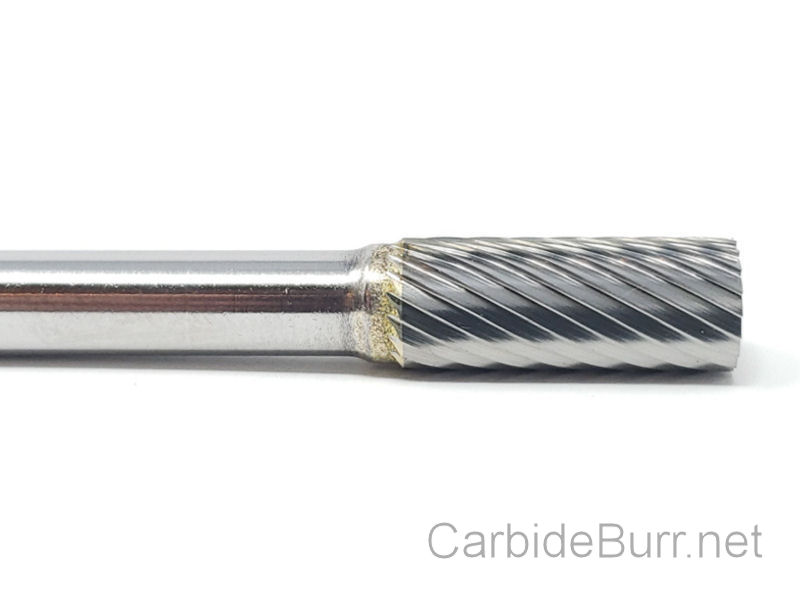
Surface finishing is the final touch in any repair process. The goal is to achieve a smooth, flawless surface. For this, you might consider using a cylindrical or ball-shaped burr. These shapes help you achieve even finishes, removing any remaining imperfections. Proper surface finishing not only enhances the appearance of your molds and dies but also ensures they function optimally. By choosing the right burr for surface finishing, you improve both the aesthetics and performance of your tools.
Professional Repair Techniques
Professional repair techniques are key to addressing wear and damage efficiently. By adopting these methods, you can handle imperfections with confidence.
Addressing Wear and Damage
When molds and dies show signs of wear, it’s vital to address them promptly. Carbide burrs are excellent for removing worn-out sections without harming the rest of the mold. Start by identifying the worn areas, then choose a burr shape that matches the needs of the job. Carefully remove damaged material to prepare the surface for restoration. This approach ensures your molds and dies remain functional and extends their useful life.
Handling Imperfections
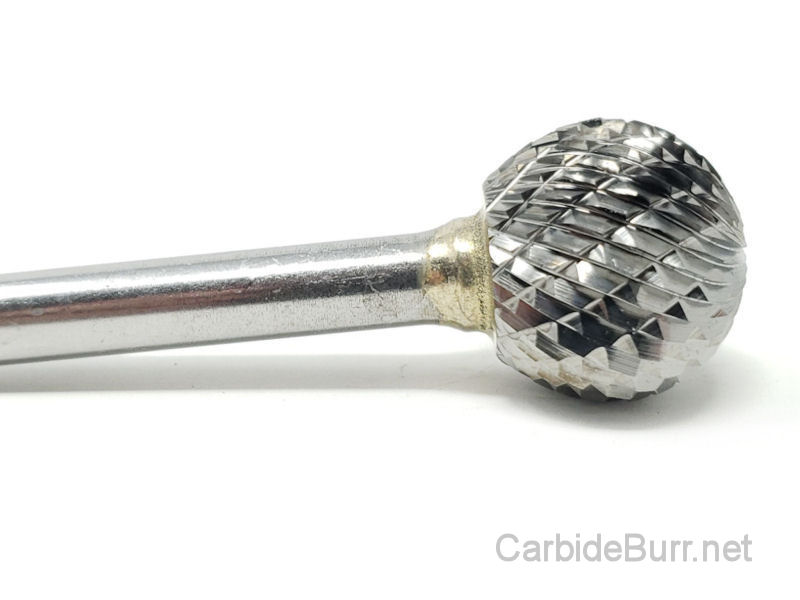
Imperfections can compromise the quality of your molds and dies. Carbide burrs offer a solution by allowing you to precisely target and eliminate flaws. When dealing with surface irregularities, select a burr that provides control and precision. Apply gentle pressure to avoid over-removal, ensuring that the repaired area blends seamlessly with the original surface. This careful handling of imperfections results in higher-quality molds and dies, reducing the likelihood of defects in your production process.
Enhancing Mold Longevity
Enhancing mold longevity is a priority for any manufacturing professional. By improving mold quality and reducing downtime, you can significantly boost production efficiency.
Improving Manufacturing Quality
High manufacturing quality starts with well-maintained molds. Carbide burrs help you achieve this by ensuring that molds are free from imperfections. By regularly addressing wear and damage, you can maintain the exact specifications required for quality products. Consistent use of carbide burrs in mold maintenance leads to better product outcomes, increased customer satisfaction, and a stronger reputation in your industry.
Reducing Downtime in Production
Downtime can be costly, but with proper mold maintenance, you can keep it to a minimum. Carbide burrs make quick work of necessary repairs, allowing you to restore molds promptly. By having the right tools on hand, you can fix issues as they arise, preventing extended production halts. This proactive approach to maintenance reduces downtime and keeps your manufacturing process running smoothly.
Best Practices for Burr Usage
Following best practices for burr usage ensures effective material removal and maintains burr performance. These practices are essential for successful mold and die repair.
Ensuring Effective Material Removal
For effective material removal, it’s important to choose the right burr for the job. Assess the material’s hardness and select a burr that matches its properties. Use steady, controlled movements to remove material without damaging the surrounding area. This precision not only extends the life of your molds and dies but also improves their overall performance.
Maintaining Burr Performance
Maintaining burr performance is crucial for long-term success. Regularly inspect your burrs for wear and replace them as needed. Clean them after each use to prevent residue buildup, which can affect performance. By taking these steps, you ensure that your carbide burrs remain in top condition, ready to tackle any repair task you encounter.
Frequently Asked Questions
What are carbide burrs used for?
Carbide burrs are used in mold and die repair to remove excess material, correct imperfections, and smooth surfaces, ensuring the molds and dies function optimally.
How do you choose the right burr shape?
Choose a burr shape based on the task: pointed or flame shapes for contouring and cylindrical or ball shapes for finishing. Match the burr to the specific needs of your repair work.
Why is precision contouring important?
Precision contouring is important for maintaining the original specifications of molds and dies, which ensures high-quality production and reduces defects.
How can carbide burrs reduce production downtime?
By enabling quick and effective repairs, carbide burrs minimize production halts, keeping manufacturing processes smooth and reducing costly downtime.
What is the best way to maintain carbide burrs?
Regularly inspect carbide burrs for wear, clean them after each use, and replace them when necessary to maintain their performance and extend their lifespan.
Follow Us On Social Media for Special Coupons
Facebook – Twitter – Instagram – Youtube
Carbide Burrs on 1/4″ Shanks – Solid Carbide Burrs – 1/4″ Carbide Burrs on 1/8″ Shanks – Long Shank Carbide Burrs – NF Carbide Burrs – Carbide Burr Sets – End Mills – Accessories
Order Tracking – Dropship Carbide Burr Tools – Contact Us – Cut Options – Coupon Codes – Posts
(513) 899-2610
PO Box 197 – Morrow Ohio 45152