How to Clean Up Damaged Threads and Metal Openings with Rotary Tools
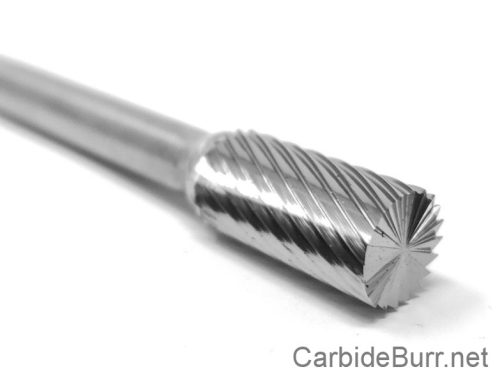
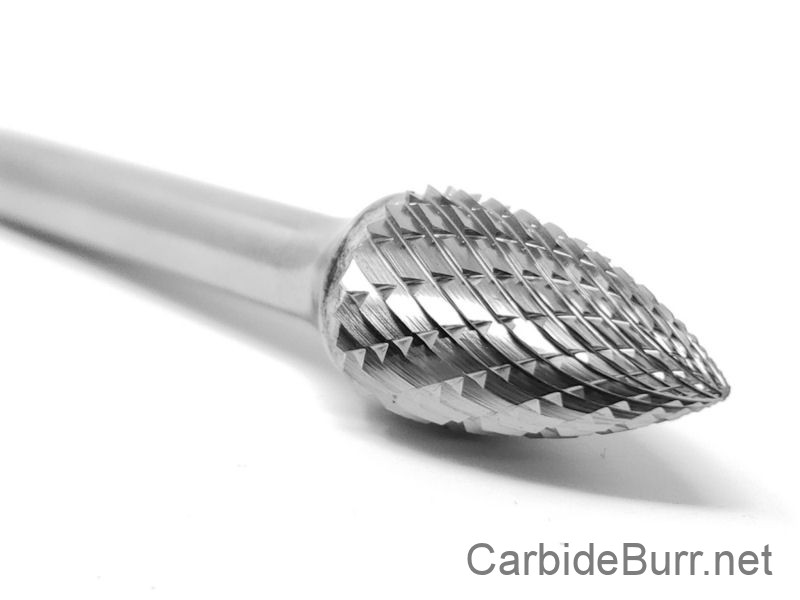
Damaged threaded holes and metal openings can stop your project dead in its tracks. When fasteners don’t fit right, it’s frustrating and time-consuming to fix. Carbide burrs can clear away localized damage and debris, setting the stage for proper thread repair. But they’re just one tool among many, and knowing when to use carbide burrs versus thread chasers, taps, or thread files makes all the difference in restoring thread geometry and keeping your mechanical repairs solid. Learn more about using carbide burrs for smoothing and shaping.

Do you need a longer reach for your die grinder?
Understanding Thread Damage
Thread damage can halt your mechanical projects, leading to frustration. Let’s explore why this happens and how to identify it.
Common Causes of Thread Damage
Threads get damaged for several reasons. Over-tightening is common, causing deformation. Rust and corrosion can weaken thread structure, making them susceptible to damage. Repeated use of incorrect tools also contributes to thread wear. Identifying these causes helps prevent future issues.
Recognizing Signs of Wear
Notice threads not gripping securely? Feel resistance when turning fasteners? These are signs of wear. Look for visible damage like flattened or stripped threads. Catching these early can save time and effort in repairs, ensuring your projects run smoothly.
Impact on Mechanical Repairs
Damaged threads affect repair quality. They can cause misalignment, leading to mechanical failures. Addressing thread damage promptly maintains the integrity of your repairs, preventing bigger issues down the line.
Essential Tools for Repair
Once you identify thread issues, choosing the right tools becomes crucial. Let’s dive into these essential tools.
Comparing Carbide Burrs and Thread Chasers
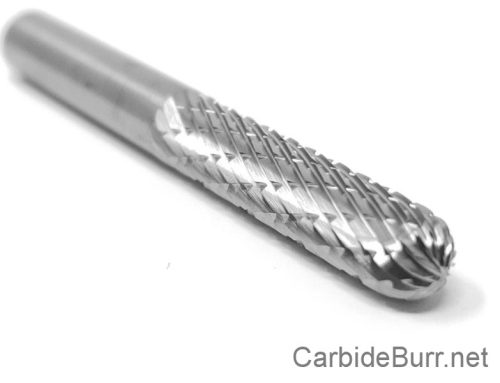
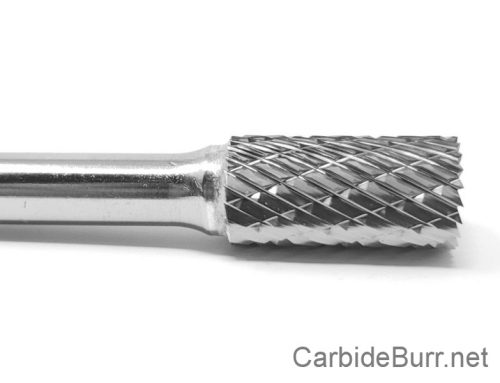
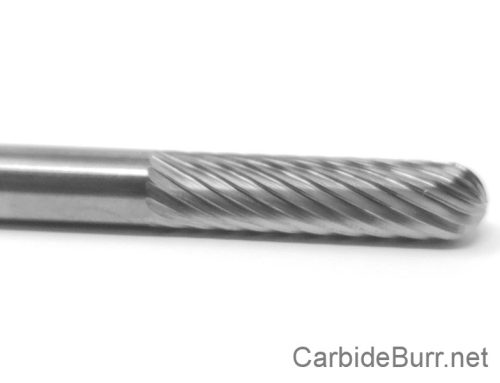
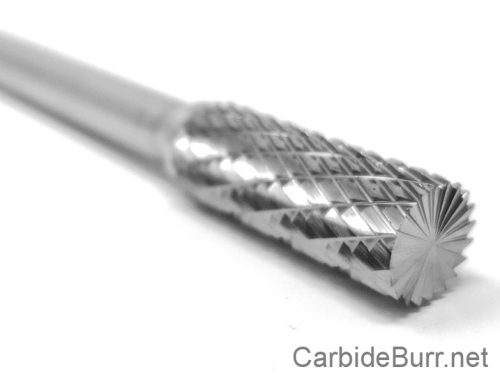
Carbide burrs and thread chasers serve different purposes. Carbide burrs are perfect for removing surface debris and smoothing out imperfections, making them a great choice for initial cleanup. Thread chasers, on the other hand, are ideal for restoring the original thread pattern. Both tools are valuable, but knowing when to use each makes a difference.
The Role of Taps and Dies
Taps and dies are indispensable in thread repair. Taps clean and restore internal threads, while dies focus on external ones. They ensure threads are properly formed, maintaining the integrity of mechanical connections. Using taps and dies correctly avoids further damage, offering a precise solution to thread issues.
When to Use Thread Files
Thread files are handy for spot repairs. They reshape damaged threads without removing too much material. Use them for minor repairs where precision is key. They complement other tools, ensuring comprehensive thread restoration.
Carbide Burrs in Repair Preparation
Carbide burrs play a specific role in repair preparation. Let’s explore their advantages and limitations.
Advantages of Carbide Burrs
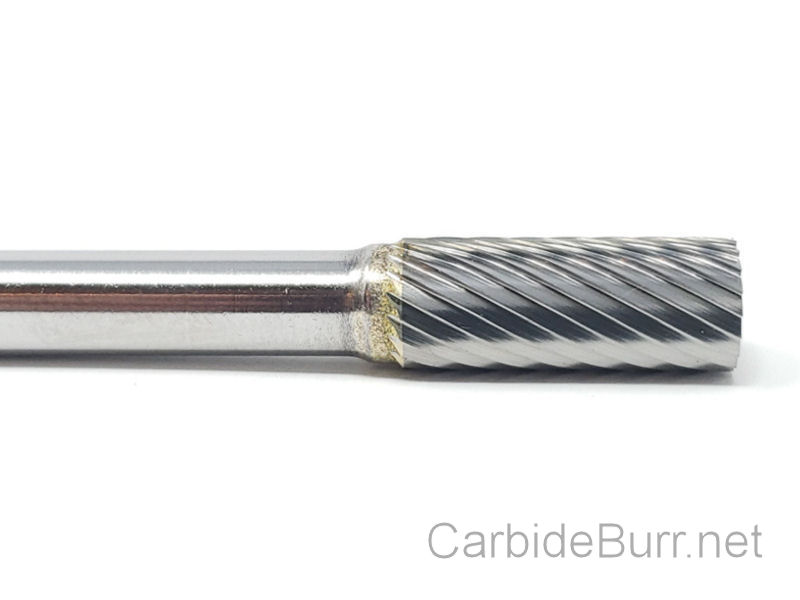
Carbide burrs excel in removing surface damage quickly. Their sharp edges make them effective at cutting through tough materials, helping you prepare surfaces for further repair. They’re versatile, working on various materials, making them a valuable tool in your kit.
Limitations and Precautions
While useful, carbide burrs have limitations. They can’t replace tools designed for thread restoration like taps or dies. Over-reliance on them can lead to excess material removal, affecting thread integrity. Use them cautiously, focusing on surface preparation without compromising the overall repair.
Preparing Metal Openings
Preparing metal openings involves cleaning and smoothing out imperfections. Carbide burrs help achieve this by removing debris and irregularities. This step ensures a better fit for fasteners, leading to successful mechanical repairs and avoiding further complications.
Techniques for Thread Restoration
Now, let’s discuss techniques for restoring damaged threads, ensuring durability.
Repairing Damaged Threaded Holes
Start by assessing the damage. Use carbide burrs to clean away debris, then employ taps to restore internal threads. This combination ensures a solid repair, preventing future issues and maintaining structural integrity.
Fastener Repair Strategies
For fasteners, inspect the threads first. Use dies to reshape external threads, ensuring a perfect fit. Combine this with proper cleaning techniques, and your fasteners will function as intended, avoiding potential failures.
Maintaining Thread Geometry
Thread geometry is crucial for secure connections. Regular maintenance with appropriate tools keeps threads in top shape. Address worn threads promptly, and your projects will benefit from reliable mechanical performance.
Best Practices and Tips
To wrap up, here are some best practices and tips for successful thread repair.
Ensuring Thread Integrity
Ensure thread integrity by choosing the right tools for each task. Pay attention to the condition of threads, addressing issues as they arise. Consistent maintenance goes a long way in preventing damage.
Effective Fabrication Techniques
When fabricating, use quality materials and tools. Proper technique minimizes thread damage, leading to better project outcomes. Stay informed about the best practices in fabrication to enhance your skills.
Professional Repair Techniques
Consider professional repair techniques for complex issues. Learning from experts and adopting industry standards can elevate your repair skills. Continuous learning ensures you stay ahead in maintaining mechanical and fabrication projects.
Frequently Asked Questions
What causes thread damage?
Thread damage often results from over-tightening, corrosion, or using incorrect tools. Identifying these causes helps in preventing future issues.
How can I recognize signs of thread wear?
Signs of thread wear include resistance when turning fasteners and visible damage like flattened or stripped threads. Early detection prevents further complications.
Why should I use carbide burrs in repair preparation?
Carbide burrs effectively remove surface damage and debris, preparing metal surfaces for further repair without compromising thread integrity.
What tools are essential for thread repair?
Essential tools include carbide burrs for cleaning, taps for internal threads, dies for external threads, and thread files for precision repairs.
How do I maintain thread geometry?
Regular maintenance with the right tools, addressing worn threads promptly, ensures thread geometry and secures mechanical connections.

Follow Us On Social Media for Special Offers
Facebook – Twitter – Instagram – Youtube
Carbide Burrs on 1/4″ Shanks – Solid Carbide Burrs – 1/4″ Carbide Burrs on 1/8″ Shanks – Long Shank Carbide Burrs – NF Carbide Burrs – Carbide Burr Sets – End Mills – Accessories
Order Tracking – Dropship Carbide Burr Tools – Contact Us – Cut Options – Coupon Codes – Posts
(513) 899-2610
PO Box 197 – Morrow Ohio 45152