How to Chamfer Metal Edges with Carbide Burrs
Sharp metal edges can cause more than just cuts—they slow down your workflow and complicate assembly. Chamfering with carbide burrs offers a quick way to remove those hazards while prepping parts for welding and finishing. In this post, you’ll learn how to use different burr shapes and cutting angles to create consistent beveled edges that improve both safety and appearance in metal fabrication. Learn more about carbide burr shapes here.

Do you need a longer reach for your die grinder?
Understanding Chamfering
Chamfering is a vital process in metal fabrication, ensuring safety and a polished finish. Let’s explore what chamfering means and why it is crucial.
What is Chamfering?
Chamfering involves cutting a beveled edge on metal parts. This process smooths sharp edges, making parts safer to handle. By using tools like carbide burrs, you can achieve precise angles for a clean finish. Chamfering prepares metal for further assembly or finishing, enhancing the overall quality of the final product.
Importance of Beveled Edges
Beveled edges aren’t just about aesthetics. They play a critical role in safety and functionality. A metal piece with sharp edges poses injury risks and can hinder assembly processes. Beveling helps prevent these issues. It also ensures that parts fit together seamlessly in assemblies and aids in creating a smoother surface for finishing treatments.
Benefits in Metal Fabrication
In metal fabrication, chamfering offers numerous benefits. It helps in improving the adhesion of coatings and reduces the risk of corrosion. By eliminating sharp edges, it prevents damage to other components and enhances the longevity of the metal parts. Chamfering also speeds up the assembly process, saving time and increasing productivity.
Carbide Burrs for Chamfering
Carbide burrs are essential tools for chamfering. They come in various shapes and sizes, each suited for different tasks. Understanding their types and how to choose the right one is key.
Types of Carbide Burrs
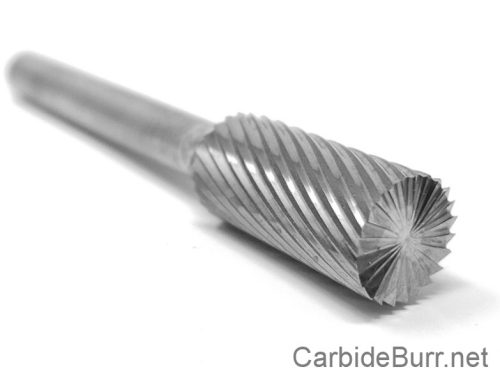
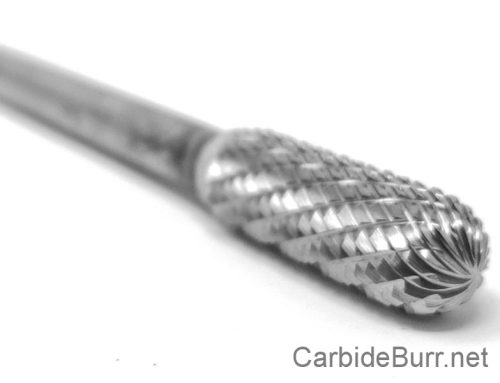
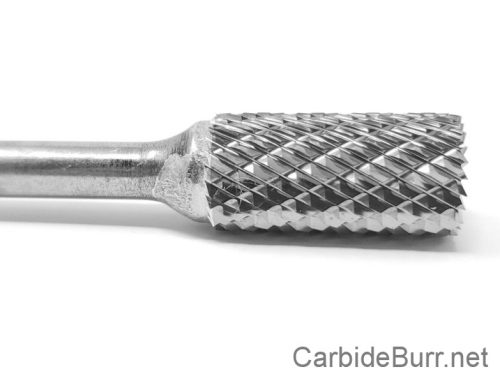
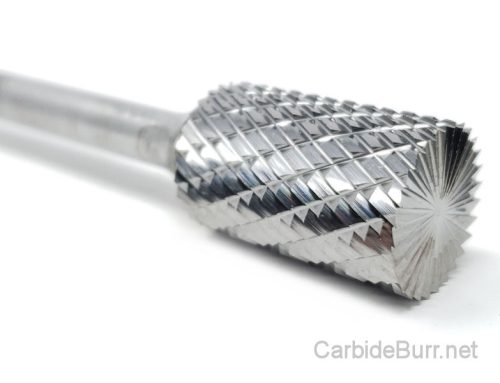
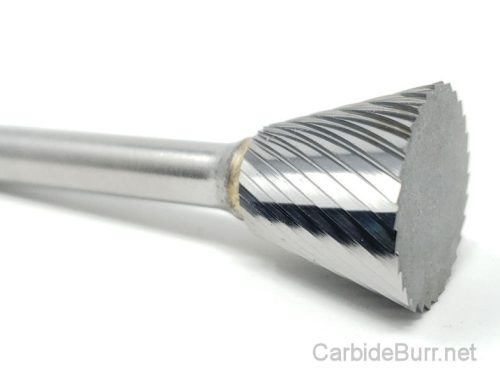
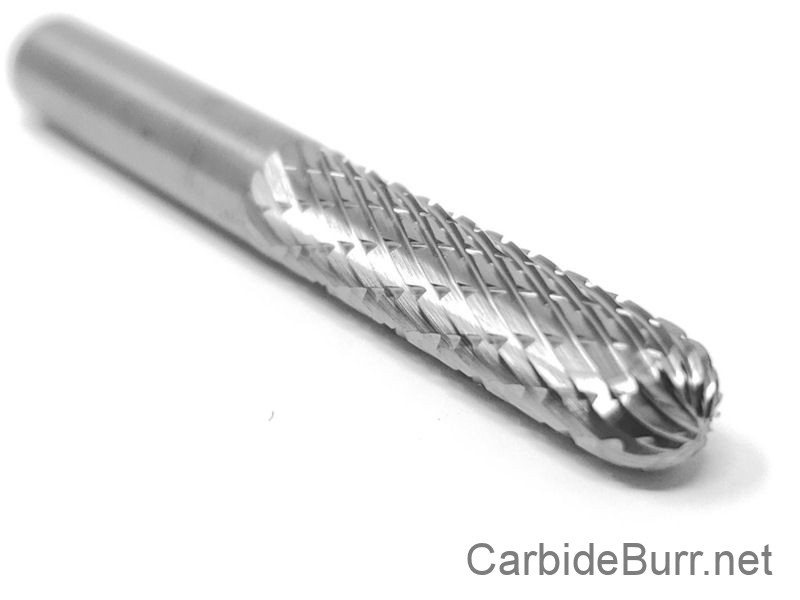
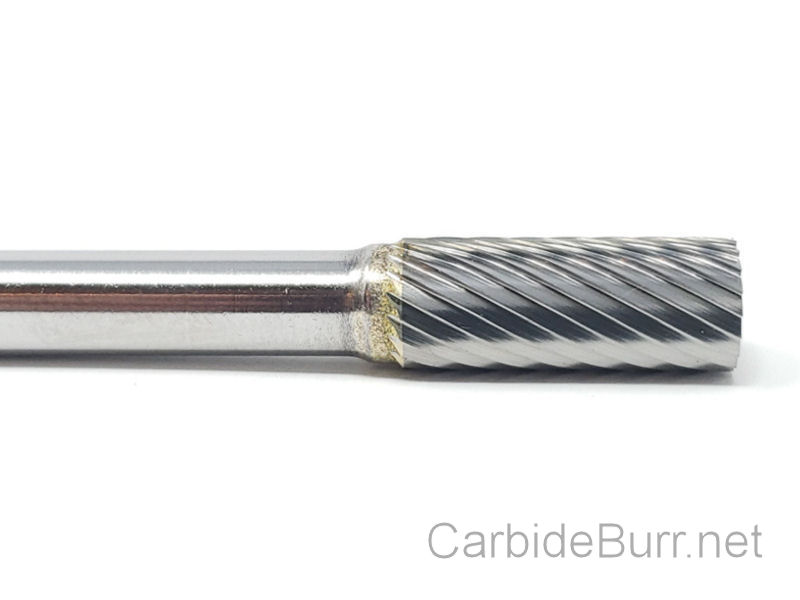
Carbide burrs are versatile tools used in metalworking. They come in different shapes, including ball, cylindrical, and pointed. Each shape serves a specific purpose. For instance, cylindrical burrs are great for flat surfaces, while ball-shaped ones are ideal for rounded edges. Selecting the right burr shape depends on the task at hand and the desired finish.
Choosing the Right Burr Shape
Picking the right burr shape is crucial for achieving the best results. Consider the metal’s thickness and the type of edge you need. For example, thicker metals may require a sturdier burr to handle the task efficiently. Understanding the needs of your project will guide you in choosing the correct tool, ensuring optimal performance and finish.
Cutting Angles Explained
Cutting angles are fundamental in chamfering. They determine the beveled edge’s precision and smoothness. A proper angle ensures the burr cuts cleanly, reducing the need for additional finishing. Experiment with different angles to find the one that works best for your material and project requirements. Adjusting cutting angles can significantly impact the final appearance and quality of your work.
Techniques and Applications
Chamfering techniques vary depending on the application. Let’s look at some common techniques and their applications in metalworking.
Machining Techniques for Chamfering
Machining techniques for chamfering focus on precision and efficiency. Utilize carbide burrs to make clean cuts and smooth edges. Keep a steady hand and maintain consistent pressure while working. Practice makes perfect, so start with practice pieces before moving on to critical projects. Mastering these techniques will enhance your metalworking skills.
Welding Applications and Preparation
Chamfering is crucial in preparing metal for welding. Beveled edges allow for better weld penetration and strength. Before welding, ensure edges are clean and smooth to prevent any weaknesses in the weld. Chamfering with carbide burrs ensures a perfect fit and a strong, lasting weld.
Consistent Edge Preparation
Consistent edge preparation is key to successful metal fabrication. Regular chamfering practices help maintain uniformity across all parts. Use the same techniques and tools to ensure every edge matches the intended specifications. Consistency in edge preparation leads to smoother assembly and improved final products.
Surface Finishing with Carbide Burrs
Using carbide burrs for surface finishing adds a polished touch to your metal parts. Let’s examine how they enhance appearances and prepare metals for assembly.
Enhancing Finished Appearances
Surface finishing with carbide burrs provides a sleek and professional look. The burrs remove imperfections and create a smooth, even surface. This enhances the appearance and quality of metal parts, making them more appealing and durable. A well-finished metal part speaks volumes about the craftsmanship involved.
Removing Sharp Corners
Sharp corners can be hazardous and unsightly. Carbide burrs effectively remove these edges, creating safe, rounded corners. This not only improves safety but also gives the metal a refined appearance. Removing sharp corners is an essential step in preparing metal for both functional and aesthetic purposes.
Preparing Metal for Assembly
Before assembly, metal parts need to be perfectly prepared. Carbide burrs help achieve the necessary precision by smoothing and shaping edges. This ensures parts fit together seamlessly, facilitating easier and faster assembly. Properly prepared metal parts reduce the risk of assembly errors and enhance the overall quality of the final product.
Practical Tips for Machinists
For machinists, achieving precision and safety during chamfering is paramount. Here are some tips to help you get it right.
Achieving Precision and Consistency
Precision is key in chamfering. Take your time and focus on the details. Consistency comes from practice and using the right tools. Ensure your carbide burrs are sharp and well-maintained. Consistent techniques lead to predictable results. This consistency is crucial for maintaining quality across multiple parts or projects.
Safety Tips During Chamfering
Safety should always be a top priority. Wear protective gear, like gloves and goggles, to shield yourself from metal shavings. Keep your workspace tidy and well-lit. Never rush the process; patience ensures both safety and quality. Following these safety tips helps prevent accidents and ensures a smooth workflow.
Common Mistakes to Avoid
Avoiding common mistakes can improve your chamfering results significantly. Don’t apply too much pressure, as this can damage the metal or the burr. Ensure your burrs are suitable for the material you’re working with. Taking shortcuts may save time initially, but could lead to costly errors down the line. Careful attention to detail prevents these issues.
Frequently Asked Questions
What is chamfering in metalworking?
Chamfering in metalworking involves creating a beveled edge on metal parts to remove sharpness and improve safety and appearance. It is essential for preparing metal for welding and assembly.
Why are beveled edges important?
Beveled edges are crucial for safety, preventing injuries from sharp metal edges. They also enhance the fit and finish of assembled parts, ensuring seamless integration.
How do carbide burrs work in chamfering?
Carbide burrs are tools used to cut and shape metal edges during chamfering. They help create smooth, precise bevels, preparing metal parts for further processing or assembly.
What should I consider when choosing carbide burrs?
When choosing carbide burrs, consider the metal’s thickness and the type of edge needed. Different shapes and sizes of burrs suit various tasks, so select the appropriate one for your project.
How can I ensure safety during chamfering?
Ensure safety during chamfering by wearing protective gear, maintaining a clean workspace, and using the right tools for the job. Avoid rushing the process to prevent accidents and ensure quality results.

Follow Us On Social Media for Special Offers
Facebook – Twitter – Instagram – Youtube
Carbide Burrs on 1/4″ Shanks – Solid Carbide Burrs – 1/4″ Carbide Burrs on 1/8″ Shanks – Long Shank Carbide Burrs – NF Carbide Burrs – Carbide Burr Sets – End Mills – Accessories
Order Tracking – Dropship Carbide Burr Tools – Contact Us – Cut Options – Coupon Codes – Posts
(513) 899-2610
PO Box 197 – Morrow Ohio 45152