Carbide Burrs for Exhaust Fabrication: Cutting and Porting Tips
Carbide burrs can make or break your exhaust fabrication project. Using the wrong shapes or cutting techniques wastes time and hurts your automotive performance. This post breaks down how to pick the right burrs and master porting tips that improve airflow and power. Plus, you’ll learn safety precautions that protect both you and your tools while working on exhaust modifications. For more information, check out this resource.
Understanding Carbide Burrs
Carbide burrs are essential in exhaust work, providing precision and control. Choosing the right shapes and materials is key to optimizing your tools’ effectiveness. Let’s explore how to select the best burrs for your project.
Choosing the Right Burr Shapes
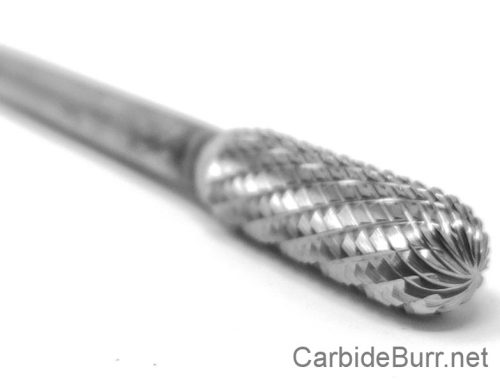
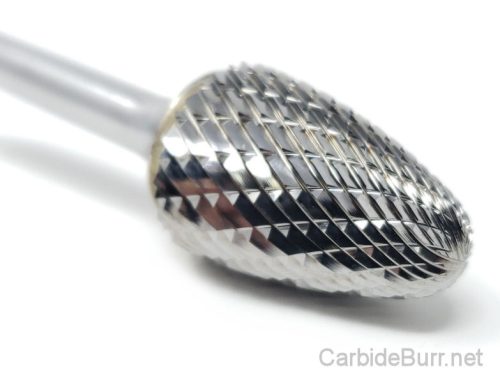
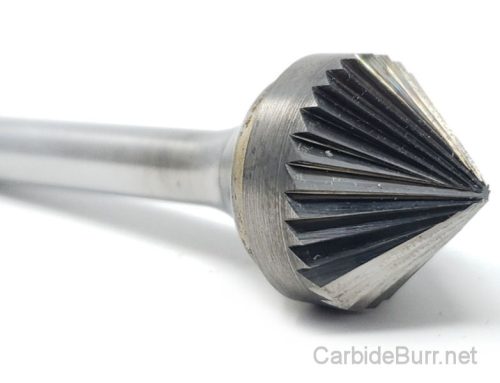
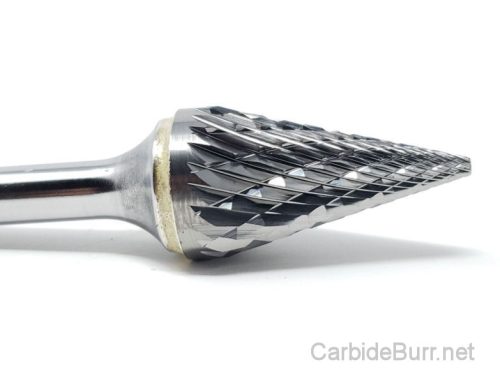
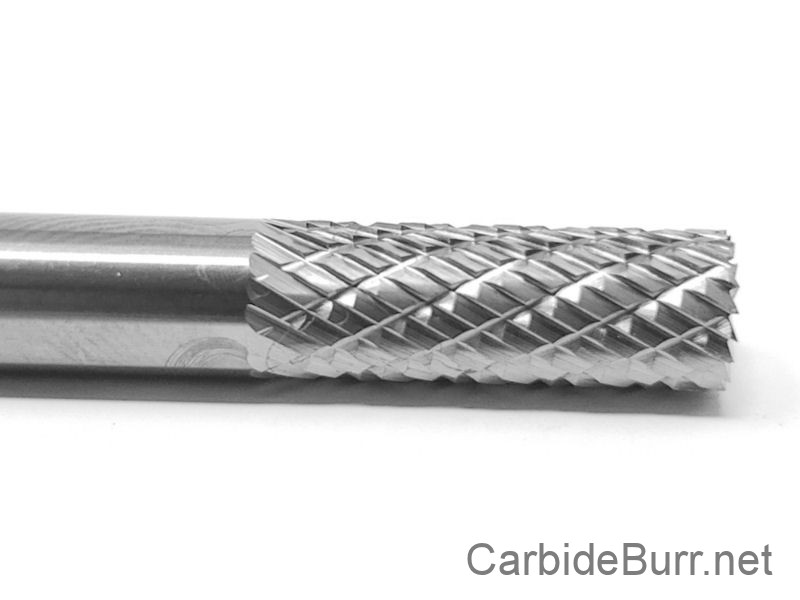
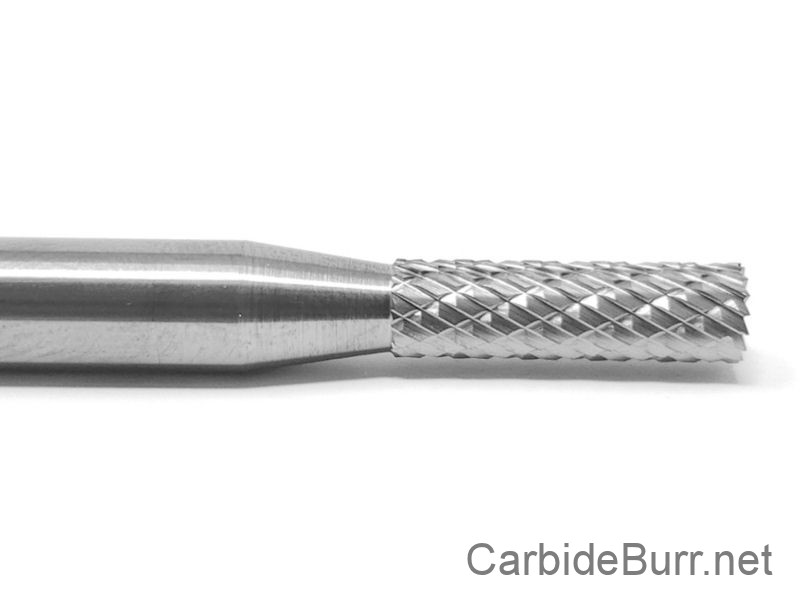
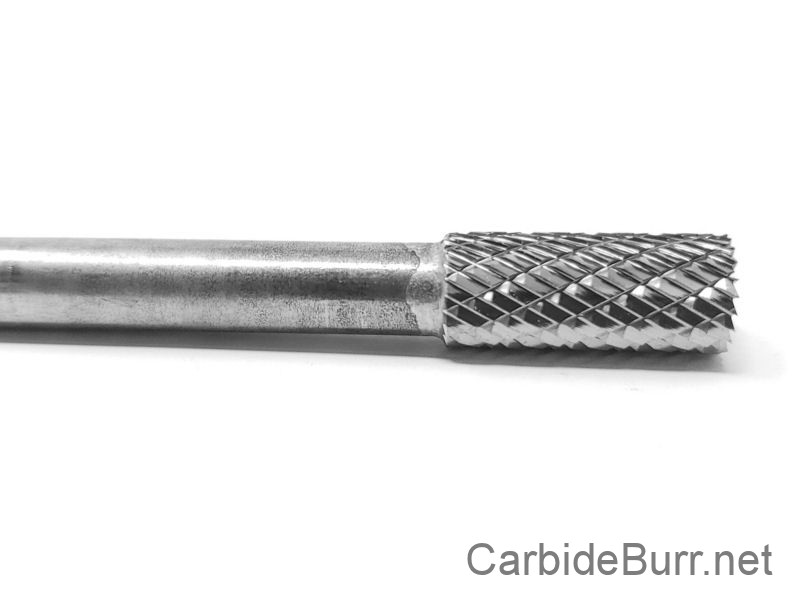
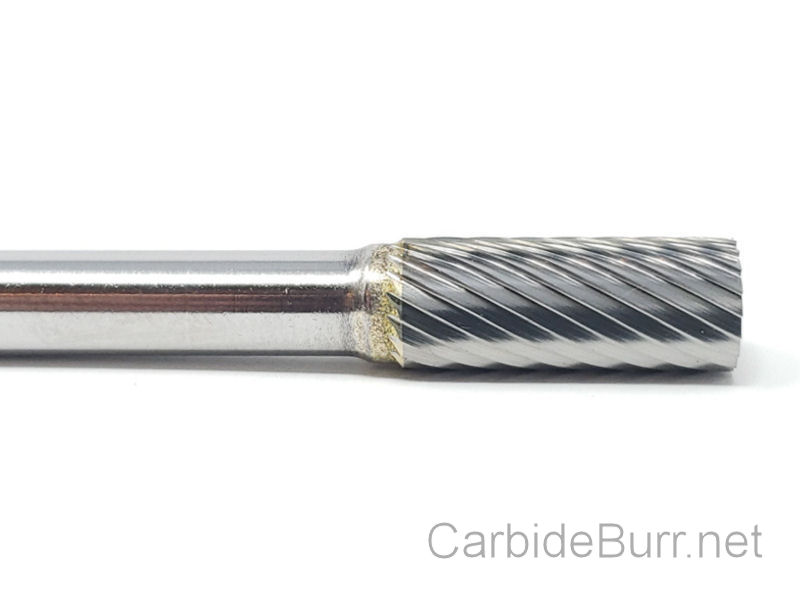
The shape of your burr affects its cutting ability. For detailed work, use a cone-shaped burr. It reaches tight spaces, perfect for intricate cuts. A cylindrical shape is ideal for larger areas, smoothing and leveling surfaces efficiently. Remember, choosing the appropriate shape saves time and effort in exhaust modifications.
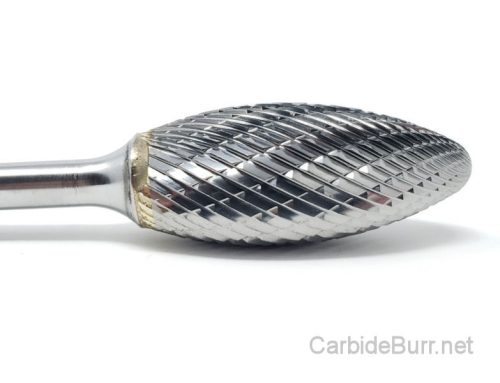
For exhaust fabrication, the flame burr is another valuable option. It’s versatile, handling both detailed and broader work with ease. Prioritize shapes that match your project’s specific needs to achieve the best results.
Material-Specific Burr Selection
Different materials require specific burrs to ensure precision. Aluminum and soft metals need burrs with fewer flutes to prevent clogging. For harder metals like steel, select burrs with more flutes for a smoother finish. This ensures durability and quality in your exhaust system improvements.
Choosing the right burr for your material type enhances performance and extends tool life. Always consider the material’s toughness and texture when selecting your burrs.
Benefits of Carbide Burrs in Exhaust Work
Carbide burrs offer numerous advantages in exhaust projects. Their sharpness ensures clean cuts, enhancing the airflow within the exhaust system. This, in turn, boosts your vehicle’s performance by increasing engine efficiency.
Using carbide burrs in exhaust work also reduces the time spent on modifications. Their durability means they require less frequent replacement, saving you money in the long run. These benefits make them a valuable tool for any automotive enthusiast or professional.
Essential Cutting Techniques
Understanding cutting techniques is crucial for achieving precision in exhaust modifications. From smooth edges to enhancing cut quality, these methods ensure your modifications are efficient and effective.
Precision Cutting for Exhaust Modifications
Precision is key in exhaust modifications. Use a steady hand and maintain consistent pressure to achieve accurate cuts. This minimizes errors and ensures each cut enhances the exhaust system’s performance.
Focus on maintaining control over your tools. Practice cutting on scrap materials to refine your technique before working on the actual exhaust system. This prepares you for any challenges you might encounter.
Techniques for Smooth Edges
Smooth edges are crucial for optimal airflow. Use a finishing burr to polish any rough cuts. Move the burr in a consistent direction, applying gentle pressure to achieve a clean finish. This prevents turbulence within the exhaust system, improving efficiency.
For best results, inspect your work regularly. Feel for any rough spots and smooth them out as needed. This attention to detail makes a significant difference in performance.
Enhancing Cut Quality with Carbide Burrs
Quality cuts require the right tools. Carbide burrs are designed to deliver precise, clean cuts. Ensure your burrs are sharp and well-maintained to maximize their effectiveness.
Regularly check your burrs for wear and replace them if necessary. A sharp burr provides cleaner cuts, enhancing the overall quality of your exhaust modifications.
Porting Tips for Automotive Performance
Porting is essential for enhancing automotive performance. Proper techniques improve airflow and power, making a noticeable difference in your vehicle’s efficiency.
Importance of Porting for Optimal Airflow
Porting improves airflow, which is crucial for engine performance. By smoothing and enlarging passageways, you enhance the engine’s ability to breathe, leading to increased power output.
Prioritize porting as part of your exhaust modifications. This simple step can transform your vehicle’s efficiency and performance.
Techniques for Effective Porting
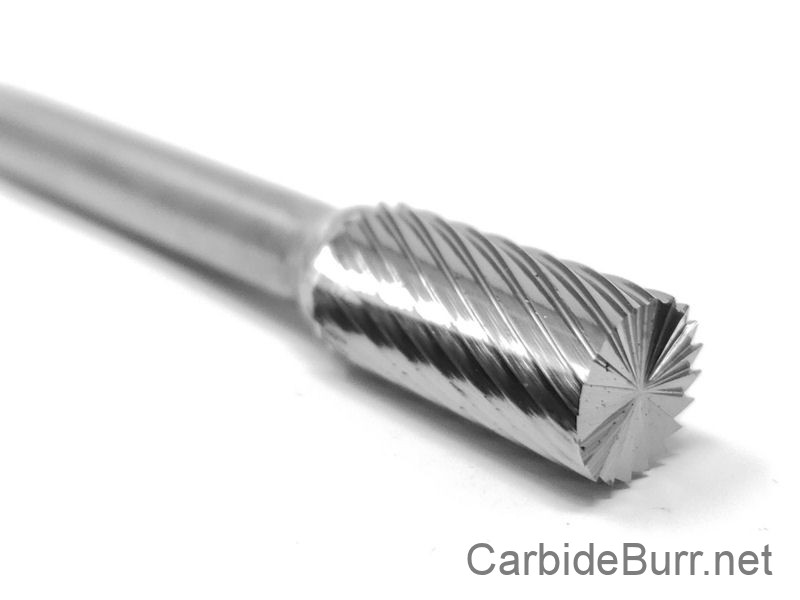
Effective porting requires precision and patience. Use a rotary tool with carbide burrs for detailed work. Focus on removing imperfections and enlarging passages without compromising the structure’s integrity.
Work in small sections, inspecting each area as you go. This ensures consistent results throughout the exhaust system, enhancing performance and efficiency.
Achieving Performance Gains with Porting
Porting offers significant performance gains. By optimizing airflow, your engine operates more efficiently, increasing horsepower and torque. These improvements result in a more responsive and powerful vehicle.
Regularly assess your porting work. Ensure all passages are smooth and free of obstructions to maintain optimal performance.
Safety and Tool Longevity
Safety and tool care are vital when working with carbide burrs. Proper precautions and maintenance extend tool life and ensure your safety during modifications.
Essential Safety Precautions
Safety is paramount in exhaust fabrication. Always wear protective gear, including gloves and goggles, to protect against debris and sparks. Ensure your workspace is well-ventilated to avoid inhaling harmful fumes.
Follow safety guidelines for each tool you use. Proper handling minimizes accidents and ensures a safe working environment.
Maintaining Tool Integrity
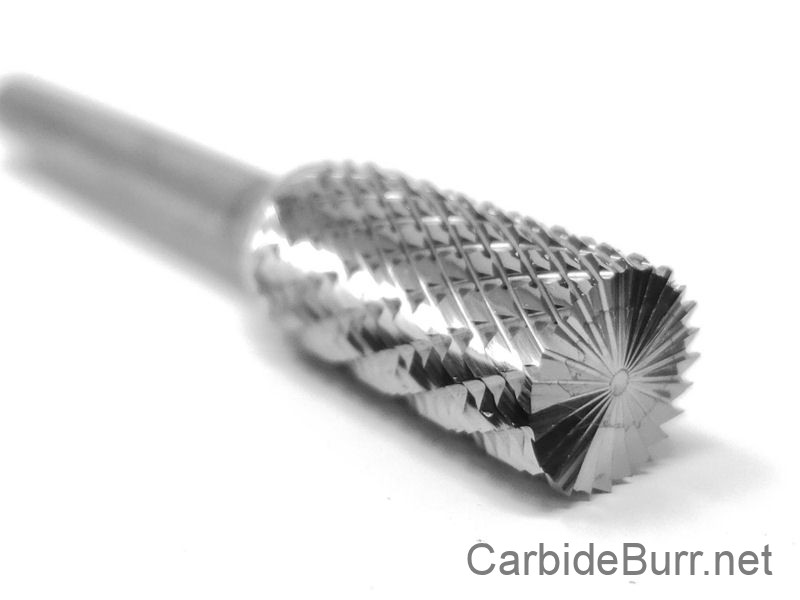
Tool integrity affects performance and lifespan. Regularly clean your carbide burrs to remove debris and prevent buildup. This maintains their sharpness and effectiveness.
Inspect your tools for wear and damage before each use. Replace any compromised components to ensure safe and efficient modifications.
Best Practices for Tool Care
Caring for your tools extends their lifespan. Store your carbide burrs in a dry, secure place to prevent damage. Regularly lubricate moving parts to ensure smooth operation.
These simple practices protect your investment and maintain tool performance. Well-cared-for tools are more reliable and efficient in exhaust work.
Enhancing Exhaust Fabrication Skills
Improving your skills in exhaust fabrication is a continuous process. Practice and advanced techniques build confidence and expertise in modifications.
Practice Techniques for Consistency
Consistency is key in exhaust fabrication. Practice regularly to refine your techniques and build muscle memory. Start with simple tasks and gradually take on more complex modifications.
Document your progress and identify areas for improvement. This structured approach helps track your development and enhance your skills over time.
Advanced Tips for Experienced Fabricators
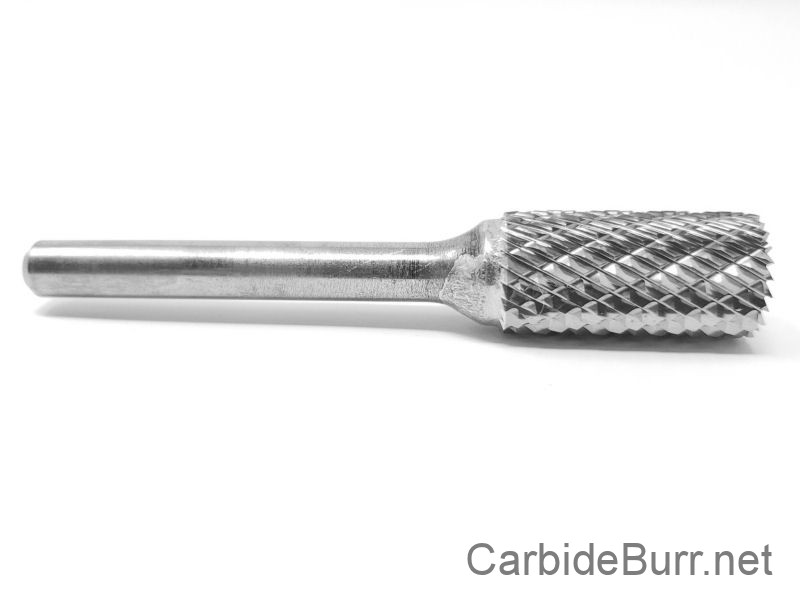
Experienced fabricators can push their skills further with advanced techniques. Experiment with different burr shapes and cutting methods to find what works best for you.
Stay updated on industry trends and technology. Continuous learning keeps you at the forefront of exhaust fabrication, allowing you to tackle any challenge with confidence.
Building Confidence in Exhaust Modifications
Confidence comes with experience and knowledge. Engage with a community of enthusiasts and professionals for support and advice. Sharing experiences boosts confidence and inspires new ideas.
Remember, practice makes perfect. The more you work on exhaust modifications, the more confident you will become in your abilities.
Frequently Asked Questions
What are carbide burrs used for in exhaust fabrication?
Carbide burrs are used for cutting, shaping, and removing material in exhaust fabrication. They enhance precision and efficiency in modifications, leading to improved airflow and performance.
How do I choose the right burr shape for my project?
Select a burr shape based on your specific needs. Cone shapes are ideal for detailed work, while cylindrical shapes handle larger areas. Consider the type of material you’re working with for optimal results.
Why is porting important in exhaust modifications?
Porting improves airflow by enlarging and smoothing passageways. This enhances engine efficiency, resulting in increased power output and overall vehicle performance.
What safety precautions should I take when using carbide burrs?
Always wear protective gear, including gloves and goggles. Ensure your workspace is well-ventilated and follow safety guidelines for each tool to prevent accidents.
How can I maintain my carbide burrs for longevity?
Regularly clean your burrs to remove debris and inspect them for wear. Store them in a dry, secure place and lubricate moving parts to ensure they remain sharp and effective.

Follow Us On Social Media for Special Offers
Facebook – Twitter – Instagram – Youtube
Carbide Burrs on 1/4″ Shanks – Solid Carbide Burrs – 1/4″ Carbide Burrs on 1/8″ Shanks – Long Shank Carbide Burrs – NF Carbide Burrs – Carbide Burr Sets – End Mills – Accessories
Order Tracking – Dropship Carbide Burr Tools – Contact Us – Cut Options – Coupon Codes – Posts
(513) 899-2610
PO Box 197 – Morrow Ohio 45152