How to Choose Carbide Burrs for Cast Iron
Most machinists waste hours with the wrong carbide burrs on cast iron, leading to rough finishes and worn tools. If you want smoother cuts and longer-lasting burrs, paying attention to burr shape, size, and tooth design is key. In this post, you’ll learn which burrs work best for cast iron machining and how to keep them sharp and safe for every project. For more insights, check out this guide on carbide burrs.
Understanding Carbide Burrs
Choosing the right carbide burrs is crucial for working effectively with cast iron. Let’s explore the types, designs, and sizes that make a difference.
Types of Carbide Burrs
Carbide burrs come in various styles, but not all are ideal for cast iron. You have options like single-cut and double-cut burrs. Single-cut burrs are useful for hard material removal, while double-cut burrs offer smoother finishes for softer metals. For cast iron, double-cut burrs work best due to their ability to produce a smoother finish. They also help reduce tool chatter, an important factor for precision work.
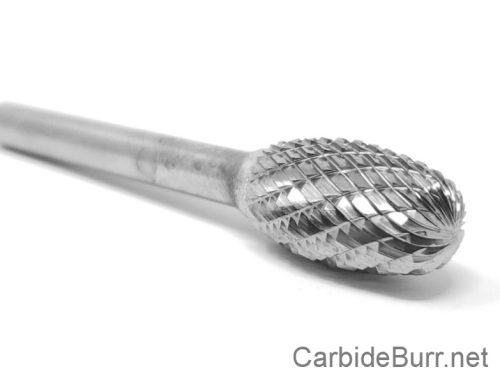
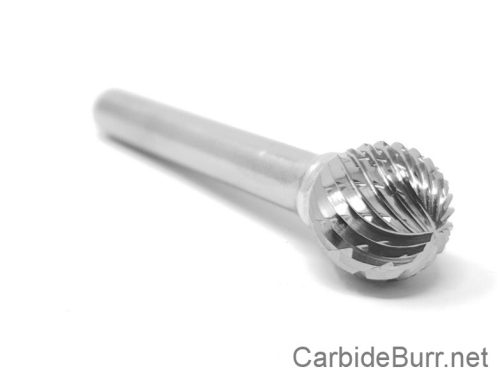
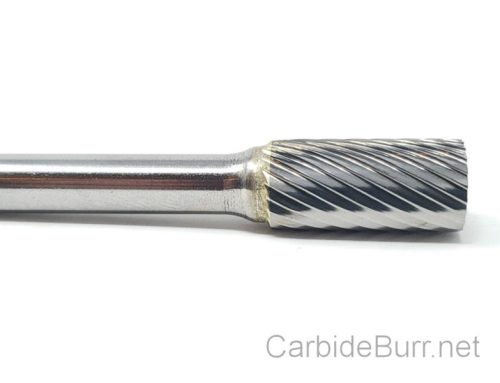
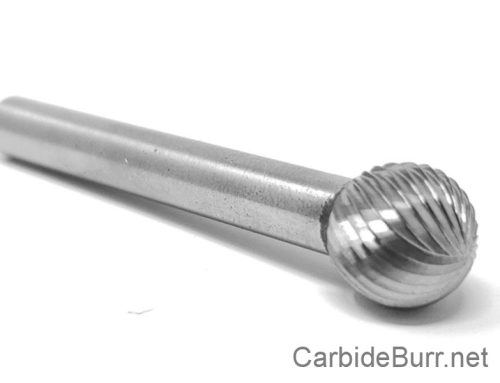
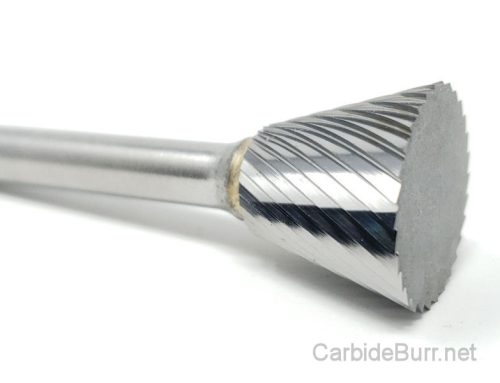
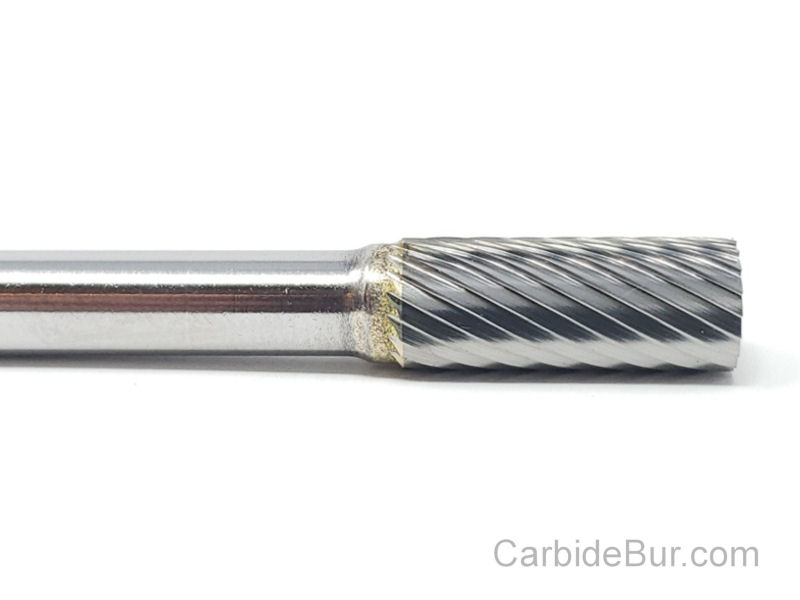
Different burr shapes serve different purposes. Cylindrical burrs are great for surface leveling, while ball-shaped burrs handle detailed contouring. When working with cast iron, selecting the appropriate shape helps you achieve the desired finish more efficiently. Each shape has its role, so knowing your project needs ensures better results.
Importance of Tooth Design
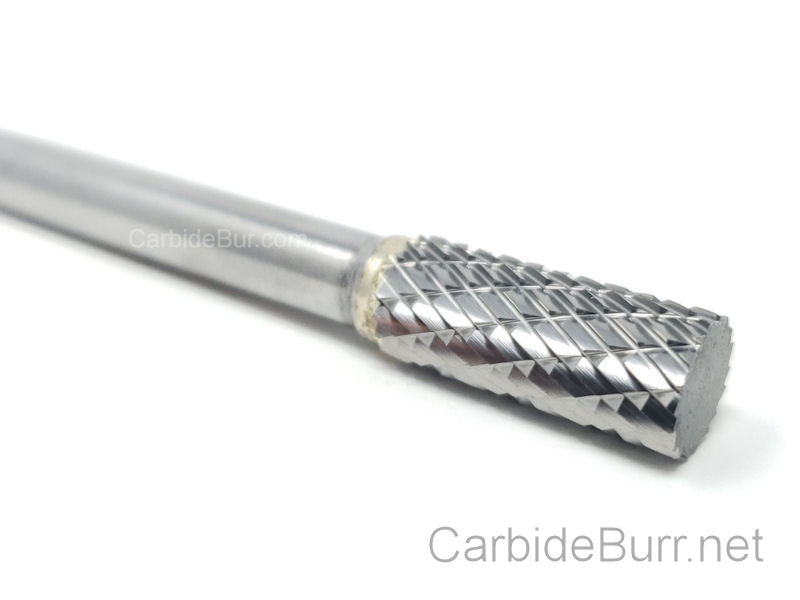
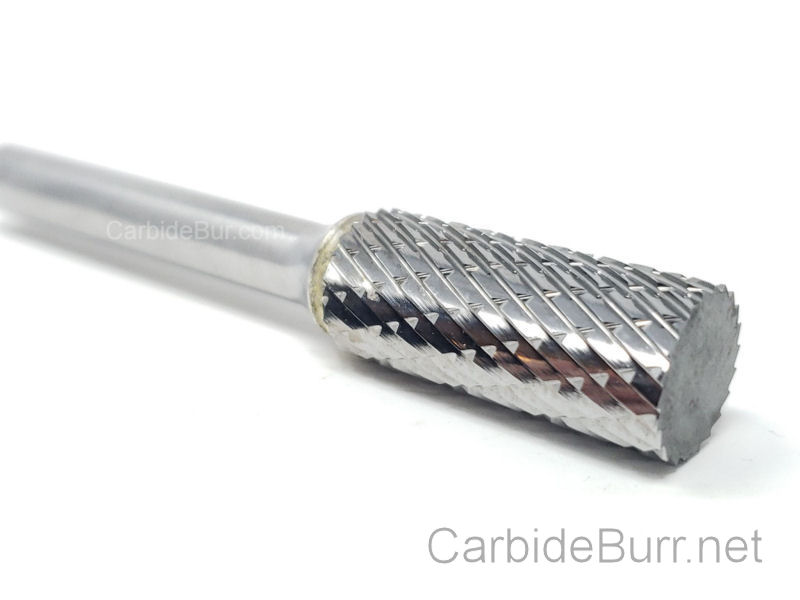
Tooth design affects how well a burr can cut through material. For cast iron, a more aggressive tooth pattern is beneficial. This design allows for faster material removal. It reduces the risk of clogging, which can cause overheating and damage. An open-tooth pattern is another feature to look for. It helps in managing heat better and extends the life of your tool.
Different tooth designs also impact the finish quality. A cross-cut pattern, for example, provides a smoother finish. The choice of design depends on the finish you want. Consider what works best for your specific cast iron project to achieve optimal results.
Burr Shape and Size Considerations
The shape and size of your burr influence the efficiency of your work. Larger burrs remove more material quickly, but they can be harder to control for fine details. Smaller burrs provide precision but take longer for large-scale material removal. When working with cast iron, balance is key. Choose a size that offers control without sacrificing efficiency. This ensures that your work is both precise and timely.
The shape of the burr also matters. Cone-shaped burrs, for instance, are ideal for getting into tight spaces. This versatility allows for better maneuverability while working on complex cast iron pieces. Selecting the right shape aids in achieving both speed and accuracy. For a deeper dive into this topic, visit bringing fine details to life with carbide burrs.

Best Burrs for Cast Iron
Focusing on the right burrs for cast iron can significantly improve your machining outcomes. Here’s what you should consider.
Recommended Burr Shapes
The shape of your burr influences how effectively you can work on cast iron. Cylindrical burrs are excellent for flat surfaces and areas requiring even texture. For more intricate work, ball-shaped burrs allow you to create precise contours and details. When choosing a burr shape, think about the specific needs of your project. The right shape will make your work smoother and more efficient.
Cone and flame-shaped burrs are also useful for reaching tight spaces where precision is crucial. These shapes are versatile, making them ideal for various applications. Selecting the correct shape ensures that you can achieve the desired results regardless of the complexity of the job.
Optimal Burr Sizes
Burr size impacts your control and the speed of material removal. A larger burr is better for removing more material quickly, but smaller burrs offer better precision. When working with cast iron, it’s essential to strike the right balance. Use larger burrs for bulk removal and smaller ones for detailing. This approach ensures that you maintain control while optimizing time and effort.
Selecting the proper size also reduces wear on your tools. It prevents overloading, which can cause premature dulling. Choosing the right size for the task at hand ensures longevity and efficiency in your work.
Key Tooth Designs for Cast Iron
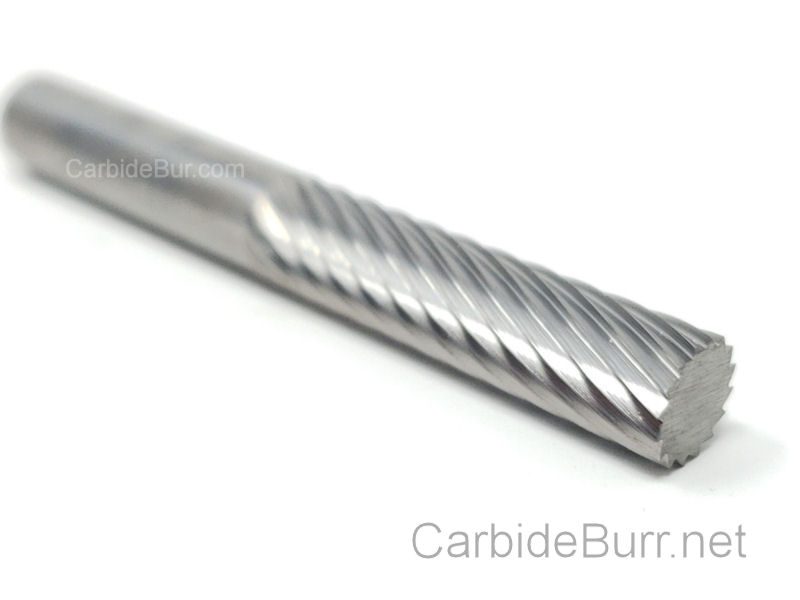
The tooth design of a burr is crucial for effective cast iron machining. A cross-cut pattern works well, providing a smooth finish and reducing vibration. This pattern optimizes material removal without compromising the surface quality. Open-tooth designs are also beneficial as they manage heat better, extending tool life.
Aggressive tooth patterns allow for quicker cuts and less clogging. This design minimizes wear and tear on your tools. By choosing the right tooth pattern, you improve both the efficiency and the finish quality of your work on cast iron.
Material Removal Techniques
Achieving a smooth finish and reducing tool wear requires the right techniques. Here’s how to get the best results.
Efficient Cutting Methods
Efficient cutting is vital for working with cast iron. Start by using a stable platform to avoid unnecessary vibrations. Select a speed that matches the material hardness; slower speeds work better for precision. This approach ensures that you maintain control and prevent overheating. For additional techniques, see the role of carbide burrs in surface restoration.
Make sure to use light pressure. It reduces the risk of chipping and extends the life of your burrs. Light, consistent pressure results in a clean cut without overworking the tool. This method not only saves time but also keeps your tools in good shape.
Achieving a Smooth Finish
A smooth finish on cast iron requires more than just the right burr. Consistent speed and pressure are key. Use overlapping strokes to avoid uneven surfaces. This technique ensures that each area is covered evenly. It helps in achieving a uniform, polished look.
Choose a burr with a fine tooth design for the final pass. This choice enhances the finish quality and reduces the need for additional polishing. The right combination of technique and tool choice yields the best finish with minimal effort.
Preventing Tool Wear
Tool wear can be minimized by selecting the right burr and using proper techniques. Always start with a sharp burr, as a dull tool requires more force and generates more heat. Heat is a primary cause of premature wear. Keeping your burr sharp decreases the risk of overheating.
Regular maintenance is also crucial. Inspect your tools regularly for signs of wear and replace them as necessary. Proper care extends the lifespan of your tools and ensures optimal performance. For more tips, check out mastering your die grinder extension.
Safety and Maintenance
Safety and maintenance are critical for effective and long-lasting use of carbide burrs. Here are key practices to follow.
Safety Guidelines for Carbide Burrs
Working with carbide burrs requires strict safety measures. Always wear protective eyewear to guard against flying debris. Keep your hands and clothing clear of rotating parts. This practice reduces the risk of accidents. Safety is paramount, and these precautions are essential for preventing injuries.
Ensure your work area is well-lit and free of clutter. A clean workspace allows for better control and focus. It also reduces the chance of accidents caused by tripping or distractions. Following these guidelines promotes a safer working environment.
Regular Burr Maintenance
Routine maintenance keeps your burrs in top condition. Clean them after each use to remove debris and prevent rust. A regular cleaning routine extends the life of your tools. It ensures they remain sharp and effective over time.
Inspect your burrs for signs of wear. Replace them if you notice damage or reduced performance. Regular checks help maintain efficiency and prevent tool failure. This proactive approach saves time and money in the long run.
Extending Burr Lifespan
Proper care extends the lifespan of your carbide burrs. Store them in a dry, safe place to prevent environmental damage. Avoiding moisture and extreme temperatures ensures your tools remain in good shape. By taking these simple steps, you protect your investment and enhance tool longevity.
Using the right techniques and maintaining your tools well allows for more precise work. It also ensures that you get the most out of your carbide burrs, saving you time and money.
Frequently Asked Questions
What are carbide burrs used for?
Carbide burrs are used for shaping, cutting, and removing material from hard surfaces like metal. They are essential in metalworking and machining, offering precision and efficiency in various tasks.
How do you choose the right burr for cast iron?
Choose burrs with a double-cut tooth design and shapes like cylindrical or ball for cast iron. These features provide efficient material removal and a smooth finish, matching cast iron’s characteristics.
Why is tooth design important for carbide burrs?
Tooth design impacts how quickly and smoothly a burr can cut through material. A cross-cut pattern offers smoother finishes, while an aggressive design enhances material removal speed, reducing tool wear.
What are the safety precautions for using carbide burrs?
Wear protective eyewear and keep hands clear of moving parts. Ensure your workspace is well-lit and free of clutter to prevent accidents and keep focus on the task at hand.
How can you extend the life of carbide burrs?
Regular maintenance, such as cleaning and inspection after each use, extends the life of carbide burrs. Storing them properly in a dry, safe place also helps in preserving their condition.
By following these guidelines and techniques, you can enhance your metalworking skills and achieve the best results with your carbide burrs.
Follow Us On Social Media for Special Coupons
Facebook – Twitter – Instagram – Youtube
Carbide Burrs on 1/4″ Shanks – Solid Carbide Burrs – 1/4″ Carbide Burrs on 1/8″ Shanks – Long Shank Carbide Burrs – NF Carbide Burrs – Carbide Burr Sets – End Mills – Accessories
Order Tracking – Dropship Carbide Burr Tools – Contact Us – Cut Options – Coupon Codes – Posts
(513) 899-2610
PO Box 197 – Morrow Ohio 45152