Carbide Burrs for TIG Welding: Removing Tungsten and Cleaning Welds
Tungsten contamination can silently sabotage your TIG welding results without you even noticing. Removing it and cleaning weld joints the right way makes all the difference between a rough patch and a polished weld finish. This post breaks down how carbide burrs become your best tool for welding performance improvement, with tips on choosing the best burr shapes and sizes to keep your workspace clean and your welds flawless. Check out this guide for more insights on preparing your welding surface with carbide burs.
Understanding Carbide Burrs
Carbide burrs play a pivotal role in TIG welding, ensuring that your welds reach the highest standards. These versatile tools are a welder’s best friend when it comes to removing tungsten contamination and cleaning weld joints.
Essential Role in TIG Welding
Carbide burrs serve as the backbone of TIG welding, tackling tungsten contamination with ease. When tungsten builds up, it can compromise the quality of your welds. Using carbide burrs, you can swiftly remove unwanted tungsten, guaranteeing smooth welds. A clean weld surface is more than just aesthetic; it ensures strong and durable joints.
These tools are not only useful for cleaning but also for shaping and finishing welds. With the right burr, you can achieve precision work, which is crucial in TIG welding. The carbide burrs help in creating the perfect finish, which can often mean the difference between a good weld and a great one.
Types of Carbide Burrs
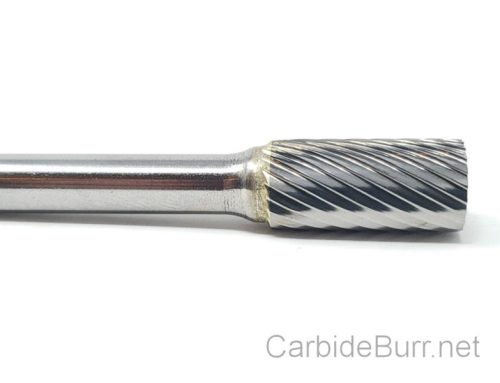
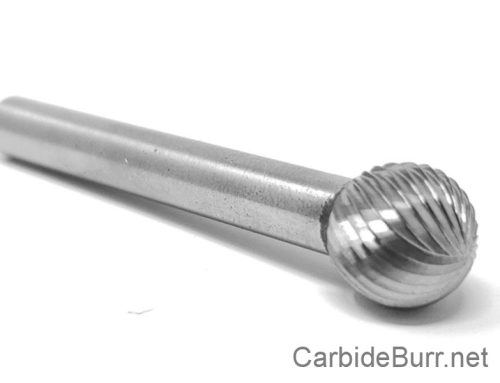
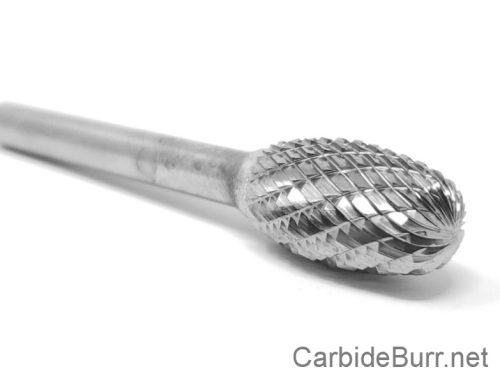
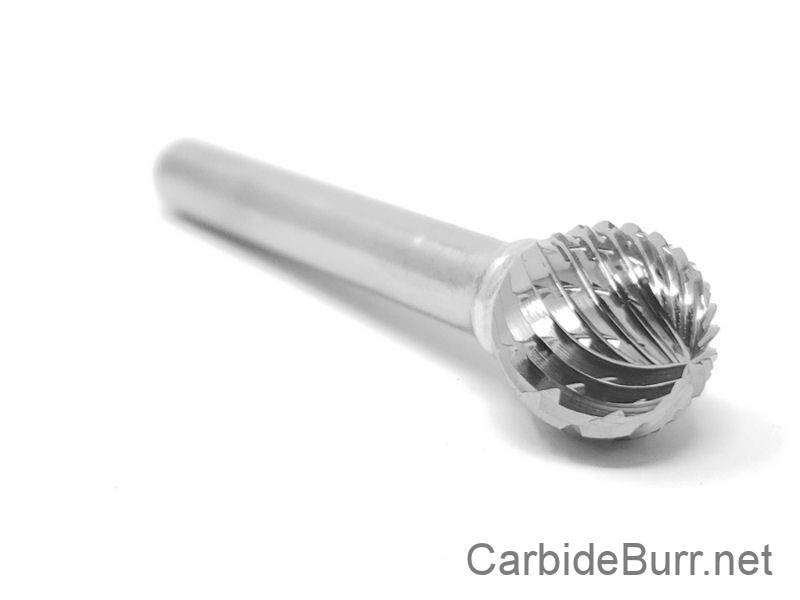
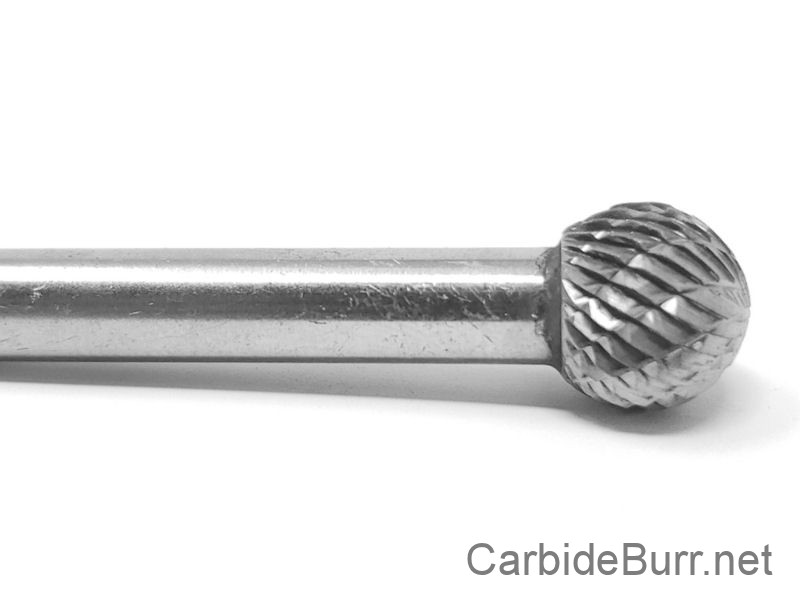
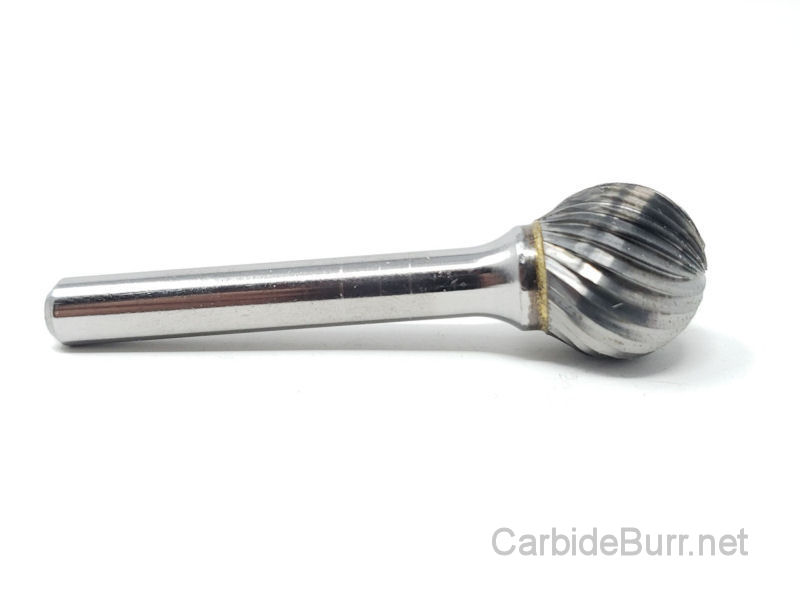
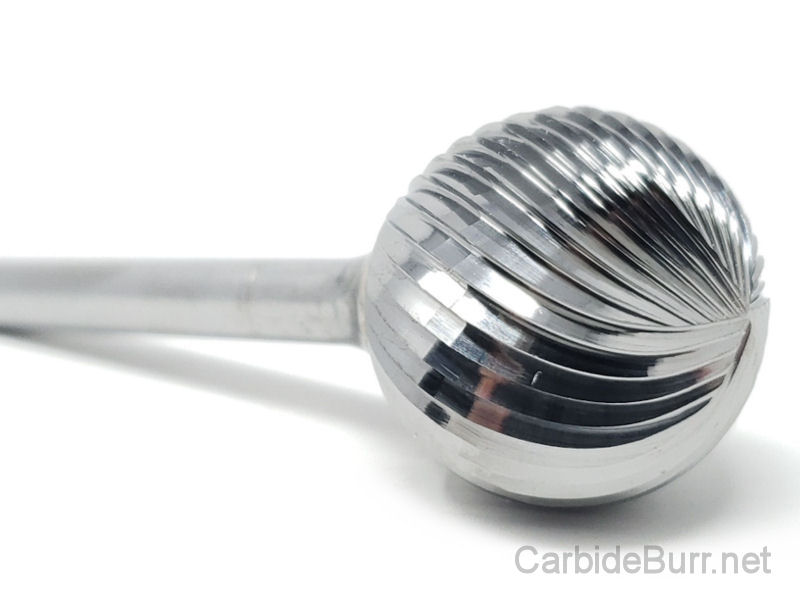
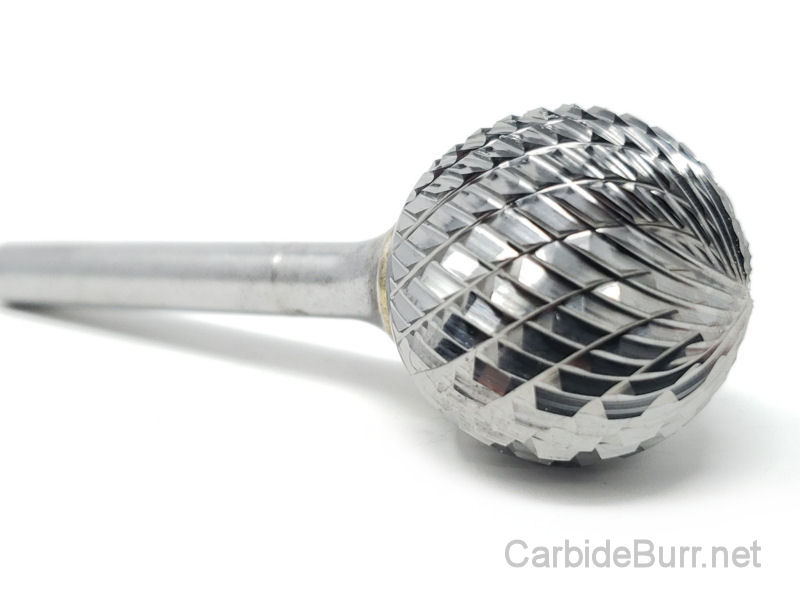
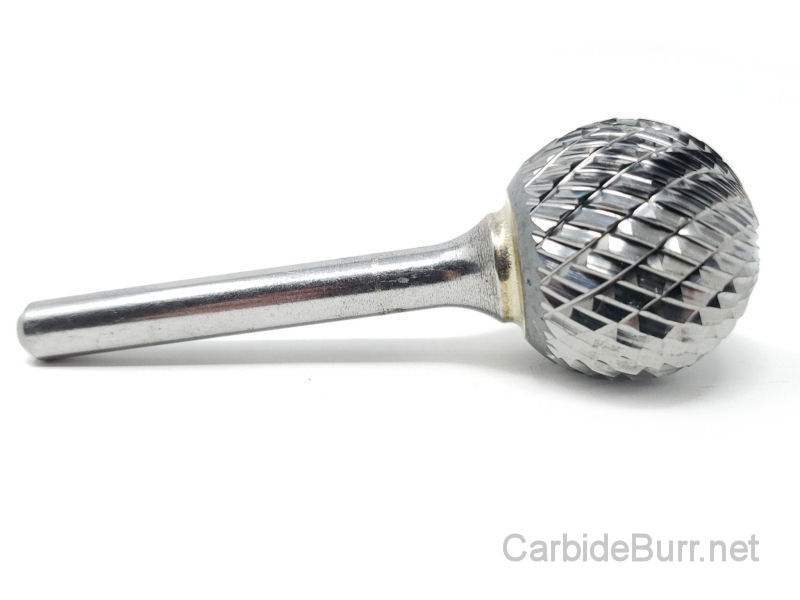
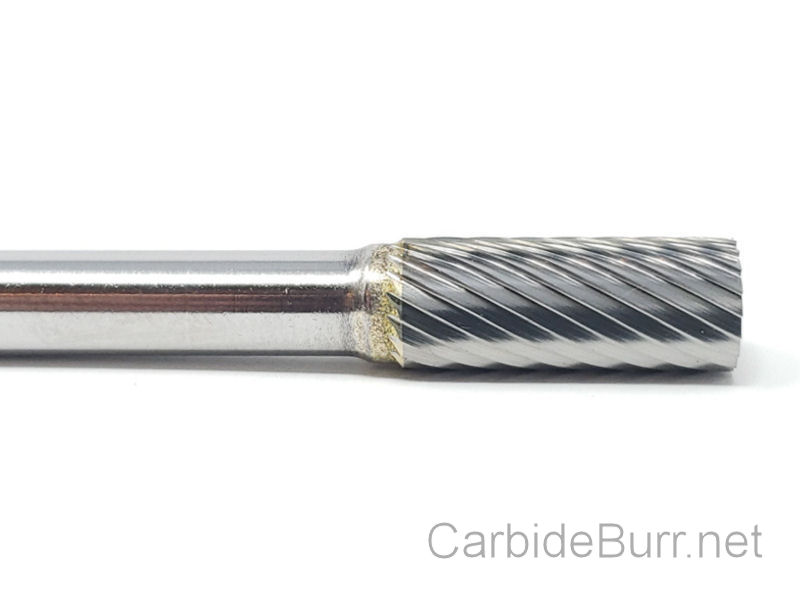
Different tasks require different tools. Carbide burrs come in a variety of shapes and sizes to cater to specific welding needs. For instance, cylindrical burrs are ideal for flat surfaces, while ball-shaped burrs work well for detailing and carving. For welders, knowing which burr to use can significantly impact the quality of their work.
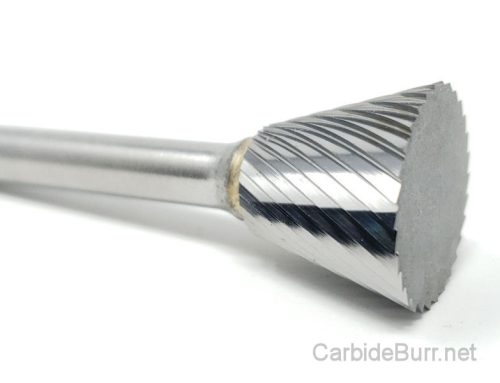
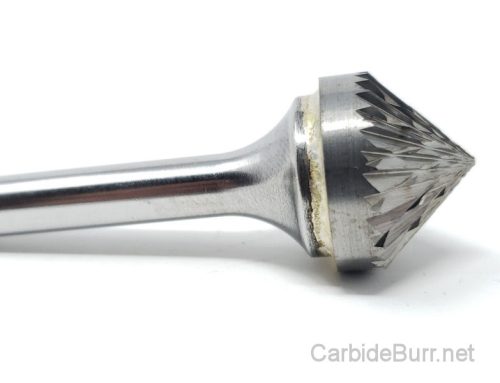
Selecting the right type means understanding the material you’re working with and the finish you desire. Each shape offers unique benefits, from removing rough edges to polishing surfaces. This variety ensures that no matter the task, there’s a burr that fits perfectly. Learn more about the variety of carbide burrs.
Choosing the Right Burr
Choosing the right burr is essential for achieving the perfect weld. Start by assessing the material and the weld finish you aim to achieve. For hard metals, a more robust burr is needed, while softer materials might require a finer touch. The size of the burr is equally important: larger burrs for significant material removal and smaller ones for detailed work.
It’s important to consider the speed and power of your tool. High-speed grinders work well with carbide burrs, allowing for precision and control. When selecting, prioritize quality over cost, ensuring that the burrs can withstand extensive use without wearing out quickly.
Techniques for Tungsten Removal
Once you’ve understood the role of carbide burrs, it’s time to dive into techniques for effective tungsten removal. This step is crucial for weld quality and longevity, ensuring that contamination doesn’t compromise your work.
Effective Tungsten Contamination Removal
To effectively remove tungsten contamination, start with the right burr and tool. Position the burr at the correct angle, applying gentle pressure. This ensures the tungsten is removed without damaging the surrounding material. Consistency is key: work slowly and steadily for a clean finish.
Using a TIG welding carbide burr, you can efficiently tackle contamination. This method not only cleans the weld but also prepares the surface for subsequent welding processes. A clean surface is essential for strong weld joints, reducing the risk of future failures.
Best Burr Shapes for Tungsten
Selecting the best burr shapes for tungsten removal can streamline the process. Cylindrical burrs work well for flat surfaces, while pointed burrs reach tight spots. For intricate welds, a combination of shapes might be necessary to achieve the desired finish.
Different shapes offer different functionalities. A cylindrical shape might be ideal for bulk removal, while a tapered shape could be better suited for precision work. Understanding these differences can help you choose the right tool for your specific task, improving efficiency and results.
Practical Tips for Success
Success in tungsten removal relies on technique as much as tool choice. Here are some practical tips:
-
Consistent Pressure: Apply steady pressure to avoid uneven surfaces.
-
Correct Speed: Use the appropriate speed for the material and burr.
-
Proper Maintenance: Regularly clean and maintain your burrs for optimal performance.
Mastering these techniques ensures that your welds remain clean and strong, leading to superior results. For more tips on using carbide burrs, check this resource.
Cleaning and Polishing Welds
Once tungsten removal is complete, it’s time to focus on cleaning and polishing welds. This step enhances the appearance and strength of your welds.
Achieving a Polished Weld Finish
Achieving a polished weld finish requires patience and precision. Start by selecting the appropriate burr for the task. A fine-grit burr can smooth out the weld surface, creating a polished look. Work methodically, ensuring that each pass is even and consistent.
A polished finish not only looks good but also enhances the structural integrity of the weld. It reduces the likelihood of cracks and weaknesses, contributing to the longevity of the weld. Remember, a clean weld is a strong weld.
Cleaning Weld Joints Efficiently
Efficiently cleaning weld joints involves removing any contaminants or residues left after welding. This can be achieved using specific burrs designed for cleaning. Position the burr correctly and work slowly, ensuring that all unwanted materials are removed.
Effective cleaning ensures that weld joints are not only aesthetically pleasing but also free from potential defects. This step is crucial in maintaining the strength of the weld and preventing future issues.
Maintaining a Clean Workspace
A clean workspace contributes significantly to weld quality. Regularly remove debris and dust from your working area. This not only keeps the space tidy but also reduces the risk of contamination in your welds.
Invest in proper storage for your tools, ensuring they’re kept clean and ready for use. A well-organized workspace enhances efficiency and productivity, allowing you to focus on your work without distractions.
Enhancing Welding Performance
Improving your welding skills involves both practice and the right tools. Here, we explore how to enhance your welding performance using carbide burrs.
Improving Your Welding Skills
Improving your welding skills is an ongoing process. Regular practice, combined with the right tools, can make a significant difference. Use carbide burrs to refine your techniques, focusing on precision and consistency.
Engage in regular training or workshops to keep your skills sharp. Embrace feedback and continually strive to improve your craft. Remember, the right tools can only take you so far; practice is key to mastery.
Selecting the Best Burr Sizes
Selecting the best burr sizes is crucial for various welding tasks. Larger burrs are ideal for significant material removal, while smaller burrs work well for detailed tasks. Match the burr size to the specific needs of your project for optimal results.
Understanding the scale of your project and the materials involved can guide your selection. Experiment with different sizes to find what works best for you, and don’t be afraid to adjust as needed.
Top Welding Tips for Professionals
For professional welders, continual improvement is essential. Here are some top tips:
-
Stay Updated: Keep abreast of industry trends and new tools.
-
Continuous Learning: Attend workshops and courses to enhance your skills.
-
Tool Maintenance: Regularly maintain your tools for peak performance.
By following these tips, you can ensure that your welding remains of the highest quality.
Benefits of Carbide Tools for Welding
Carbide tools offer numerous benefits for welding, from improving weld integrity to enhancing aesthetic appeal.
Maximizing Weld Integrity
Maximizing weld integrity is crucial for the longevity and strength of your projects. Carbide tools help achieve this by ensuring clean and precise welds. The precision offered by these tools reduces the risk of defects and weaknesses in the welds.
Regular use of carbide tools contributes to consistent quality, a critical factor in professional welding. For more on the role of carbide tools in welding, visit this article.
Aesthetic Appeal of Clean Welds
Aesthetic appeal is just as important as structural integrity. Clean, polished welds are visually appealing and reflect craftsmanship. Using the right carbide tools, you can achieve smooth, blemish-free finishes that impress clients and colleagues alike.
Attention to detail in your welding projects reflects your professionalism and dedication to quality. A well-executed weld speaks volumes about your skills and commitment.
Investing in Quality TIG Welding Tools
Investing in quality TIG welding tools is a wise decision for any professional welder. High-quality tools not only enhance performance but also provide durability and reliability. While the initial investment might be higher, the long-term benefits far outweigh the costs.
Quality tools ensure that your work meets the highest standards, leading to client satisfaction and repeat business. Consider your tools as an investment in your career and your craft. For more insights on carbide cutting tools used in welding, visit this link.
Frequently Asked Questions
How do carbide burrs improve TIG welding?
Carbide burrs improve TIG welding by removing tungsten contamination and cleaning weld joints. This ensures a smooth, clean surface, essential for high-quality welds.
What types of carbide burrs are best for TIG welding?
For TIG welding, cylindrical burrs are ideal for flat surfaces, while ball-shaped burrs work well for detailing. Selecting the right type depends on the specific task and material.
How can I maintain my carbide burrs?
Regular cleaning and proper storage are key to maintaining carbide burrs. Ensure that they are free from debris and inspect them regularly for wear and damage.
Why is a polished weld finish important?
A polished weld finish not only enhances aesthetic appeal but also contributes to the structural integrity of the weld. It reduces the risk of defects and ensures long-lasting results.
What should I consider when choosing carbide tools for welding?
When choosing carbide tools, consider the type of material, the finish you desire, and the specific task at hand. Quality and durability should be prioritized to ensure optimal performance.
Follow Us On Social Media for Special Coupons
Facebook – Twitter – Instagram – Youtube
Carbide Burrs on 1/4″ Shanks – Solid Carbide Burrs – 1/4″ Carbide Burrs on 1/8″ Shanks – Long Shank Carbide Burrs – NF Carbide Burrs – Carbide Burr Sets – End Mills – Accessories
Order Tracking – Dropship Carbide Burr Tools – Contact Us – Cut Options – Coupon Codes – Posts
(513) 899-2610
PO Box 197 – Morrow Ohio 45152