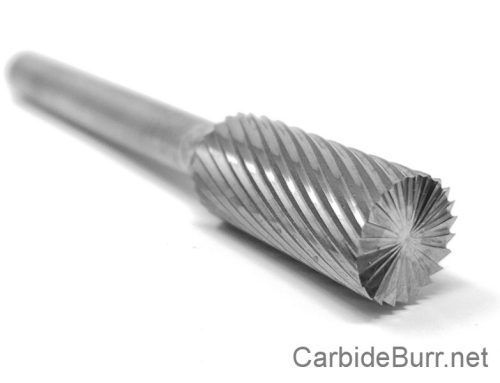
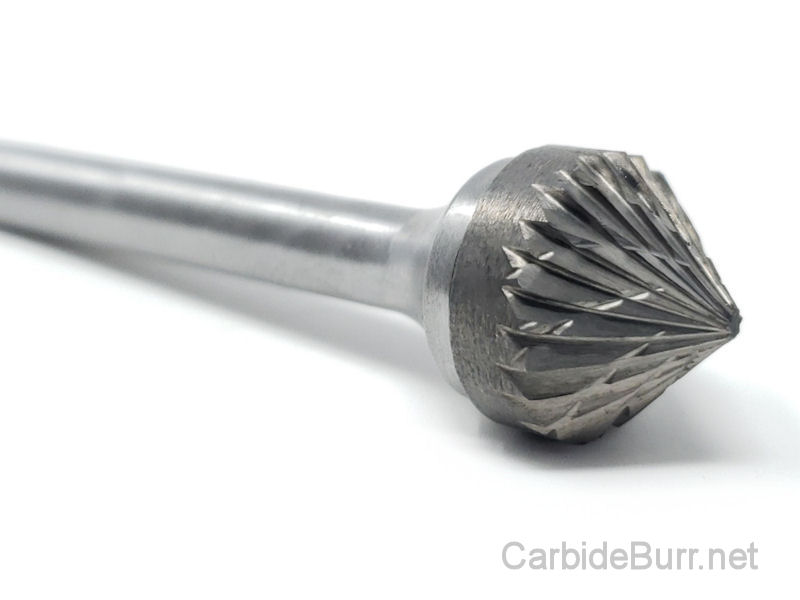
The Best Carbide Burrs for Engine Builders
Choosing the right carbide burrs can make or break your engine building project. Many mechanics struggle to find tools that deliver the precision needed for porting, polishing combustion chambers, and shaping manifolds. In this post, you’ll get clear advice on the best carbide burr shapes and sizes, along with expert tips to boost your engine performance improvement and extend engine life. For more on this, check out this guide.
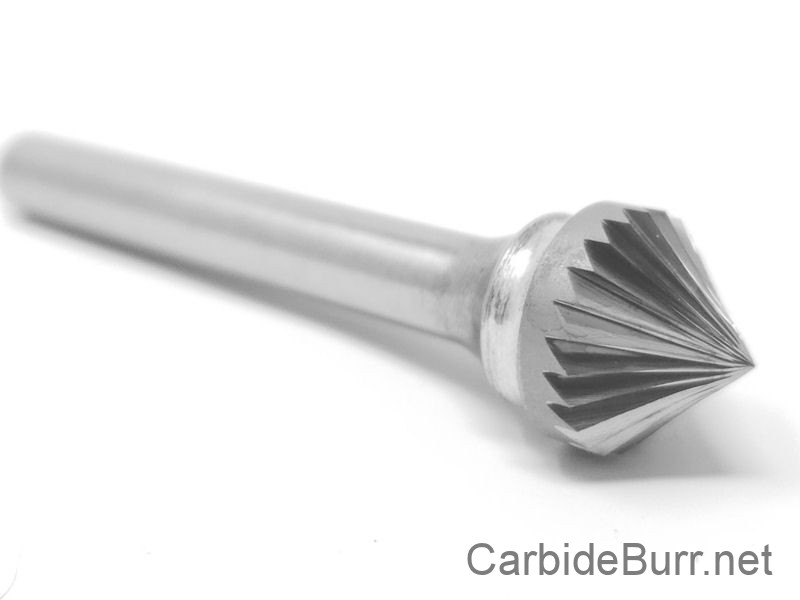
Essential Role of Carbide Burrs
Carbide burrs play a crucial part in engine building, serving as indispensable tools for mechanics and automotive enthusiasts.
Precision and Efficiency in Engine Building
Precision is key when working on engines. Using the right carbide burrs can lead to significant improvements in both performance and lifespan. These tools allow for exact shaping and smoothing of engine parts, ensuring each component fits perfectly. When burrs are used correctly, they can prevent future engine breakdowns by maintaining consistency and accuracy in shaping and smoothing tasks. Whether you’re a professional mechanic or a hobbyist, understanding how to select and use these tools effectively will make a noticeable difference in your projects.
Key Applications in Automotive Work
Carbide burrs are versatile, with applications spanning various automotive tasks. They are essential for porting and polishing combustion chambers, which directly affects engine efficiency. By smoothing out these chambers, you can improve airflow and power output. Additionally, shaping manifolds with burrs ensures that air and exhaust move smoothly through the system, optimizing engine performance. Mechanics rely on these tools to maintain the quality and function of critical engine components. For a deeper understanding, visit this detailed article.
Types of Carbide Burrs Explained
Understanding the different types of carbide burrs will help you choose the right tools for your engine building tasks.
Best Burrs for Porting and Polishing
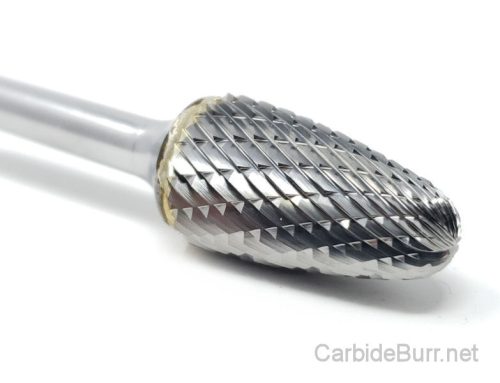
Porting and polishing require specific burr types for the best results. Generally, oval and tree-shaped burrs are ideal for these tasks. Oval burrs are excellent for creating smooth transitions and contours, while tree-shaped burrs are great for reaching into tight spaces. These shapes allow for precision in airflow improvement within combustion chambers, which is crucial for enhancing engine efficiency. Using the right burrs can turn a good project into a great one by ensuring that the engine runs smoothly and efficiently.
Effective Burrs for Manifold Shaping
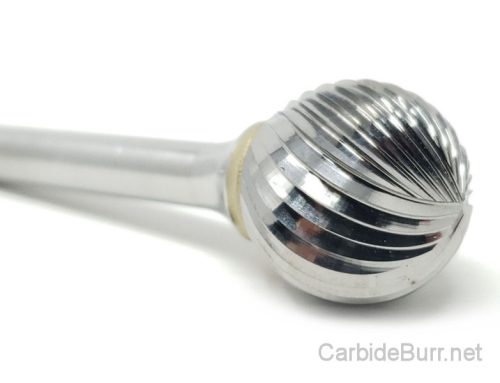
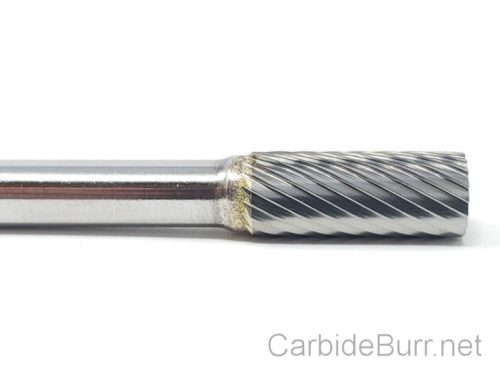
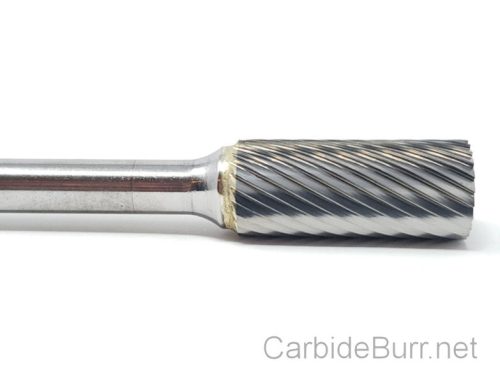
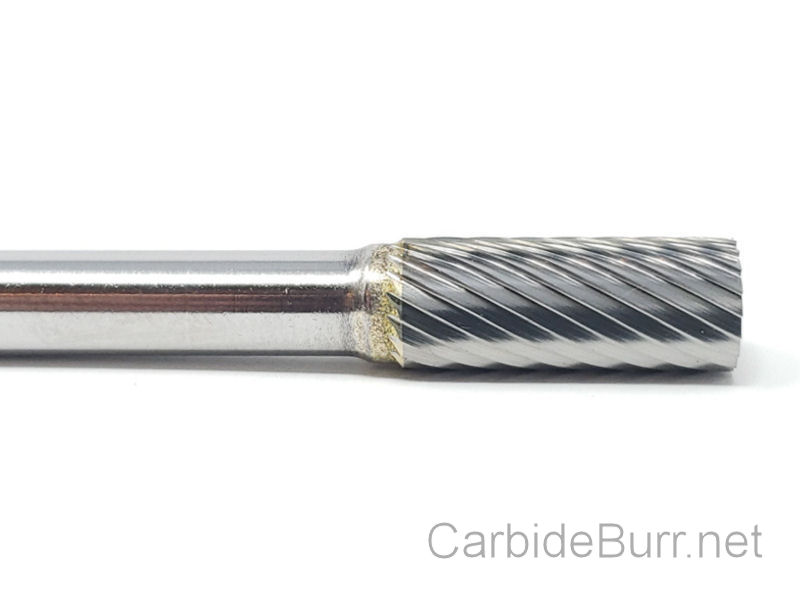
When shaping manifolds, cylindrical and ball-shaped burrs are often the best choices. Cylindrical burrs help in straightening and smoothing out surfaces, ensuring a proper fit and seal. Meanwhile, ball-shaped burrs are perfect for creating rounded edges and corners, which is vital for maintaining consistent airflow. Selecting the right burr for the task can drastically reduce your workload and lead to better engine performance. For more tips, refer to this beginner’s guide.
Recommended Burr Shapes and Sizes
Selecting the appropriate burr shape and size is crucial for achieving desired results in engine building.
Choosing the Right Shape for the Job
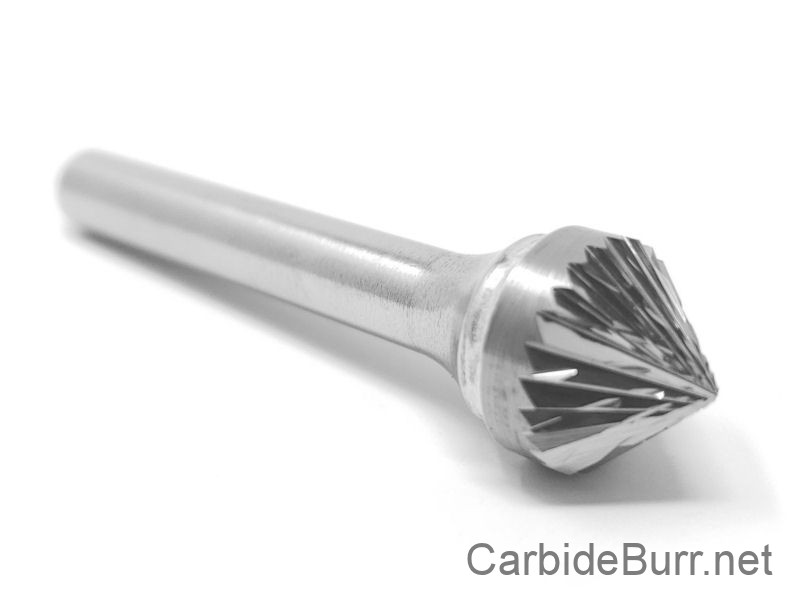
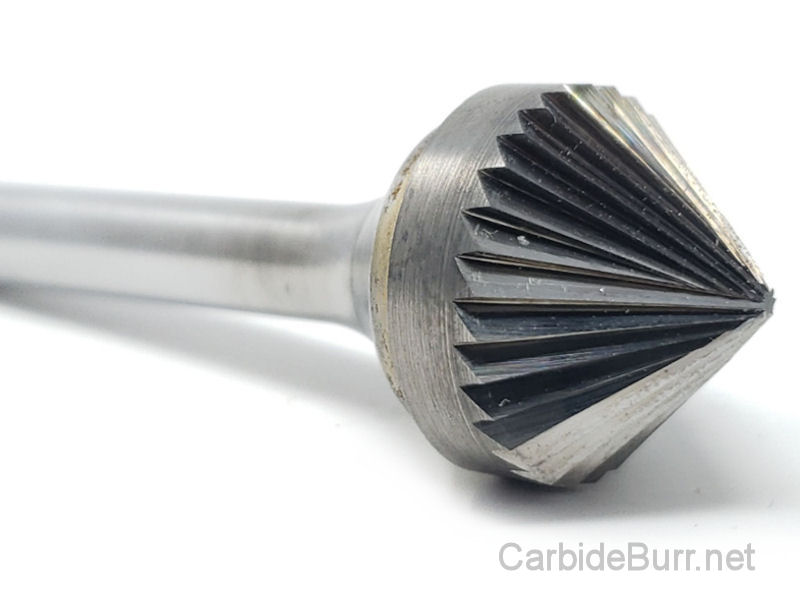
The shape of your burr should match the task you are performing. For example, a flame-shaped burr is excellent for detailed work, while a cone-shaped burr works well for larger surface areas. By matching the burr shape to the job, you ensure efficiency and precision. This choice affects how easily you can maneuver the tool and how well you can achieve the desired finish.
Ideal Sizes for Various Engine Tasks
The size of the burr also plays a critical role. Smaller burrs are perfect for intricate work and tight spaces, while larger burrs are suitable for broad, sweeping tasks. Choosing the correct size can make your work more efficient and reduce the time spent on each project. Consider the specific needs of each task to select the best size for optimal results. You can learn more about proper cylinder head porting by visiting this resource.
Expert Tips for Engine Builders
Utilizing these tools effectively can elevate your engine assembly projects.
Practical Engine Assembly Tips
When assembling engines, always start with a clean workspace and organized tools. This helps prevent mistakes and ensures you have everything you need at hand. Using the correct burr shapes and sizes reduces errors and enhances your control over the work. Keep your tools sharp and well-maintained to achieve the best results, as dull tools can lead to subpar performance.
Enhancing Engine Performance with Burrs
To boost engine performance, focus on airflow within the engine. Using carbide burrs to polish and smooth engine parts can significantly reduce friction and improve efficiency. This not only enhances performance but also increases the lifespan of the engine components. Remember, consistent maintenance of both the engine and your tools leads to long-term benefits.
Enhancing Your Engine Building Toolkit
Building a comprehensive toolkit is essential for any successful engine builder.
Selecting Top Engine Building Tools
A well-rounded toolkit includes a variety of engine building tools, from basic hand tools to specialized burrs. Investing in high-quality burrs saves time and improves outcomes. Consider tools that offer versatility and durability, ensuring they can handle the demands of complex projects.
Precision Tools for Mechanics
Precision is key in automotive work. High-quality tools that offer precise measurements and control can make all the difference. Selecting tools that fit comfortably in your hand and are easy to maneuver will enhance your work quality. Aim for tools that provide accuracy and reliability to consistently achieve the best results. For more insights, check out this article on bringing fine details to life.
Frequently Asked Questions
What are carbide burrs used for in engine building?
Carbide burrs are used for tasks like porting and polishing combustion chambers, shaping intake and exhaust manifolds, and other precision machining jobs. They help improve airflow and engine efficiency.
Which burr shapes are best for porting and polishing?
Oval and tree-shaped burrs are commonly used for porting and polishing due to their ability to create smooth transitions and reach tight spaces.
Why is the size of the burr important?
The size of the burr impacts how well you can perform specific tasks. Smaller burrs are ideal for intricate work, while larger burrs are better for broad, sweeping tasks.
How can using carbide burrs improve engine performance?
Carbide burrs improve engine performance by smoothing and polishing engine components, reducing friction, and enhancing airflow. This leads to better efficiency and longer engine life.
What should I consider when building an engine toolkit?
When building an engine toolkit, focus on selecting high-quality, durable tools that offer versatility. Ensure you have various burr shapes and sizes to cover different tasks efficiently.
Follow Us On Social Media for Special Coupons
Facebook – Twitter – Instagram – Youtube
Carbide Burrs on 1/4″ Shanks – Solid Carbide Burrs – 1/4″ Carbide Burrs on 1/8″ Shanks – Long Shank Carbide Burrs – NF Carbide Burrs – Carbide Burr Sets – End Mills – Accessories
Order Tracking – Dropship Carbide Burr Tools – Contact Us – Cut Options – Coupon Codes – Posts
(513) 899-2610
PO Box 197 – Morrow Ohio 45152