

Carbide Burr Cutting Techniques Every Beginner Should Learn
Most beginners jump into carbide burr cutting without knowing which tools or angles work best. That leads to rough edges and wasted materials. This guide breaks down the key cutting techniques for beginners, covering tool selection, speed settings, and hand movements that help you get clean cuts every time. Whether you’re working with metal, wood, or crafts, mastering these basics will build your skill and confidence from the start. For more details, visit this resource.

Essential Tool Selection
Choosing the right tools is crucial for any cutting project. You need to start with the best burrs to ensure a smooth process.
Choosing the Right Burrs
To get clean cuts, you should pick burrs that match your project’s needs. For wood or metal, each type has its go-to options. Carbide burr cutting works best with high-quality burrs that can handle tough tasks. Think about what you’re cutting and select burrs known for durability. This decision impacts your results more than you might expect.
Check the label on burr packages. They often indicate the materials they’re best for. This saves you from trial and error. If you’re working on crafts, a general-purpose burr might suffice. But for detailed work, special burrs bring out the best in your projects. For more tips, read here.
Understanding Burr Shapes
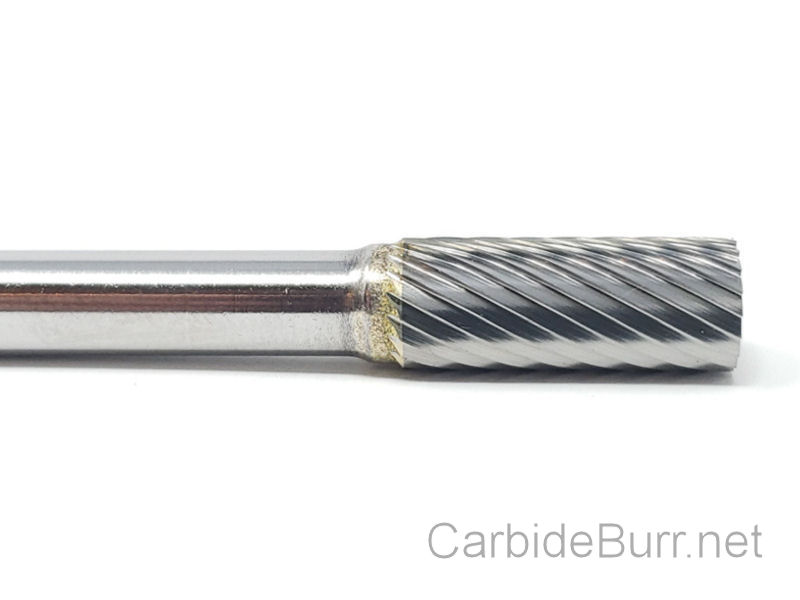
Each burr shape has its purpose. Cylindrical burrs, for example, help with flat surfaces, while conical ones assist in detailed work. Knowing the shape helps you work efficiently. Consider how each could help with your specific project needs.
Before you start, sketch your project. Visualizing the result helps you select the right shape. You will see how different burr shapes fit into your plan. This foresight can save time and material, giving you a head start in your cutting journey.
Material Compatibility
Different materials require different approaches. What works for wood may not suit metal. To avoid mishaps, match your burrs with the materials you’re working on.
Consider the hardness and thickness of your material. A mismatch here can lead to broken burrs or damaged workpieces. This understanding ensures your cutting techniques for beginners are effective and safe. For more insights, explore this guide.

Proper Cutting Angles
Once your tools are set, the next step is mastering angles. Correct angles make all the difference in achieving clean cuts.
Basics of Angle Alignment
Start by holding your tool at the correct angle. A firm grip helps maintain control. You should aim for consistent angles throughout the cut. This consistency prevents rough edges and wasted material.
Practice makes perfect. Begin with simple cuts to get a feel for the tool. This way, you can refine your angles over time, making each cut cleaner than the last.
Adjusting for Material Type
Different materials need different angles. Softer materials might allow for steeper angles, while harder ones require a gentler touch. Adjusting your angle based on material is a step often overlooked but crucial for precision.
Experiment with scrap pieces first. This gives you a no-pressure environment to find what works. Over time, you’ll develop an instinct for the right angle for any material you encounter.
Ensuring Precision
Precision is key. Keep your hand steady and focus on the path of the burr. Wobbles can lead to mistakes, so maintain a steady hand and clear vision of your work area.
Use guides or templates if necessary. These tools help maintain precision, especially on intricate cuts. As your skills improve, your need for guides will decrease, but they’re invaluable for beginners.
Speed Settings for Beginners
Speed settings can make or break your cutting experience. Finding the right speed ensures smooth operation and extends tool life.

Determining Optimal Speeds
Different materials respond differently to speed. Too fast, and you risk overheating; too slow, and the process drags on. Start with a medium speed, then adjust based on performance.
Monitor your progress. If you see signs of burning or chipping, tweak the speed. With practice, you’ll learn the perfect speed for various materials, ensuring your carbide burr techniques are always on point.
Impact of Speed on Materials
Speed directly affects material outcomes. High speeds cut faster but may cause overheating. Low speeds are gentler but can slow you down. Balance is crucial.
Consider the material’s sensitivity to heat. Harder materials might handle higher speeds, while softer ones may not. This balance is essential for preserving both your material and tool.
Fine-Tuning for Precision
Fine-tuning speed helps avoid mistakes. Once you hit the sweet spot, cuts become smoother, and you waste less material. Precision cutting is achievable with the right speed setting.
Test different settings on scrap materials. This practice helps you understand how slight adjustments impact the final product, allowing you to refine your technique over time.
Safety Considerations in Cutting
Safety is paramount when using cutting tools. Protective gear and safe practices are essential for a worry-free experience.
Importance of Protective Gear
Protective gear shields you from harm. Essential items include gloves, goggles, and masks to prevent dust inhalation. Never underestimate the value of these basics.
Wearing protective gear not only keeps you safe but also boosts your confidence. When you’re not worried about injuries, you can focus entirely on your craft.
Safe Handling Practices
Proper handling prevents accidents. Keep your tools in good condition and ensure your work area is organized. A clean space reduces risks and improves focus.
Always unplug tools before making adjustments. This simple step can prevent many accidents. Develop a habit of checking your workspace before you begin, ensuring everything is in order.

Recognizing Common Hazards
Awareness of hazards reduces risks. Things like loose clothing or distractions can lead to accidents. Stay vigilant and aware of your surroundings.
Regularly inspect your tools for wear and tear. A damaged tool can be hazardous, so keeping them in good shape is vital. This routine inspection can prevent accidents and prolong tool life.
Mastering Hand Movements
Hand movements play a vital role in achieving clean cuts. The right techniques save time and improve results.
Techniques for Clean Cuts
Clean cuts require controlled movements. Keep a steady hand and guide the burr smoothly across the surface. This control minimizes mistakes and enhances the final product.
Practice on small projects first. By doing so, you build muscle memory and confidence. Over time, these skills will become second nature, making complex cuts easier.
Avoiding Common Mistakes
Mistakes happen, but many are preventable. Rushing causes errors, so take your time. Plan each cut carefully and double-check your setup.
Learn from each mistake. Every error is an opportunity to improve. By analyzing what went wrong, you can avoid repeating it in future projects.
Developing Consistent Motion
Consistency is key to professional results. Practice maintaining a steady pace and pressure. This consistency improves both quality and efficiency.
Set small goals for each session. These targets keep you focused and motivated. With time, your hand movements will become fluid and instinctual, elevating your craftsmanship.
Frequently Asked Questions
What is the best burr shape for beginners?
Cylindrical burrs are versatile and great for beginners. They handle flat surfaces well and are easier to control, making them an excellent starting point.
How do I determine the right cutting angle?
Start with simple cuts on scrap material. Adjust the angle slightly until you find what works best for your specific material and tool combination.
Why is speed important in cutting?
Speed affects the quality and safety of your cuts. Correct speed settings prevent overheating and ensure smooth operation, extending the lifespan of your tools.
What protective gear is necessary for cutting?
At a minimum, you should wear gloves, goggles, and a mask. This gear protects you from dust and debris, reducing the risk of injury.
How can I improve my hand movements for cutting?
Practice consistently on small projects. This builds muscle memory and confidence, leading to smoother and more precise cuts over time.

Follow Us On Social Media for Special Offers
Facebook – Twitter – Instagram – Youtube
Carbide Burrs on 1/4″ Shanks – Solid Carbide Burrs – 1/4″ Carbide Burrs on 1/8″ Shanks – Long Shank Carbide Burrs – NF Carbide Burrs – Carbide Burr Sets – End Mills – Accessories
Order Tracking – Dropship Carbide Burr Tools – Contact Us – Cut Options – Coupon Codes – Posts
(513) 899-2610
PO Box 197 – Morrow Ohio 45152
