Understanding Carbide Burr Failure: Common Causes and Prevention Tips
Carbide burr failure wastes your time and money more often than it should. Many break early because of simple mistakes like poor tool maintenance or using the wrong burr for the job. Knowing the right carbide burr tips and how to handle them can save you headaches and boost your machining efficiency. Keep reading to learn what causes breakage and how to prevent carbide burr breakage for good. For expert tips, check out this guide.
Causes of Carbide Burr Failure
Understanding why carbide burrs break is the first step to preventing it. Let’s explore the common causes: improper usage, material compatibility issues, and tool maintenance challenges.
Improper Burr Usage
Using carbide burrs incorrectly is a frequent issue. Applying too much pressure or using the wrong speed can lead to breakage. When you push too hard, the burr may become stressed and snap. Similarly, using speeds that are too high or low can reduce the tool’s effectiveness and lifespan. Remember, gentle and steady wins the race.
Another common mistake is using the burr on the wrong material. Each burr is designed for specific tasks. If you use a burr meant for soft wood on metal, it might not last long. Knowing your burr’s purpose can save time and money.
Material Compatibility Issues
Choosing the right burr for the material is crucial. Not all burrs work on every material. For instance, a burr intended for aluminum might not work well on steel. This mismatch can cause the burr to wear out quickly and break.
Different materials cause different levels of wear. Harder materials can dull the burr faster. Always match the burr to the material. This approach reduces wear and increases the tool’s lifespan. You can find more on material-specific burrs here.
Tool Maintenance Challenges
Poor maintenance is a silent killer of carbide burrs. Not cleaning the burr after use can cause debris buildup, which leads to wear. Regular cleaning removes metal shavings and extends the tool’s life.
Storage also plays a role. Leaving burrs in damp or dirty conditions can lead to rust or other damage. Proper storage keeps your tools in top shape. Check out this article for maintenance tips.
Preventing Carbide Burr Breakage
Preventing breakage begins with choosing the right tools and techniques. Here’s how you can keep your burrs in top condition.
Selecting the Right Burrs
Choosing the correct burr is crucial. Consider the material and the job at hand. A burr designed for wood won’t work well on metal. Selecting the right tool ensures longevity and effectiveness.
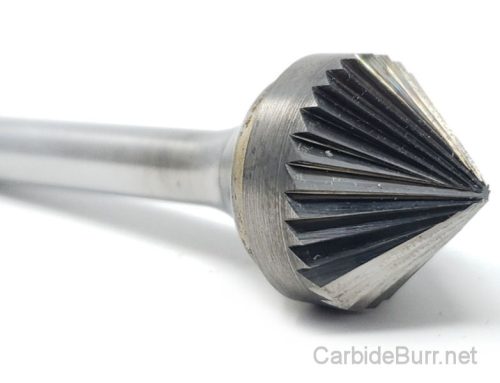
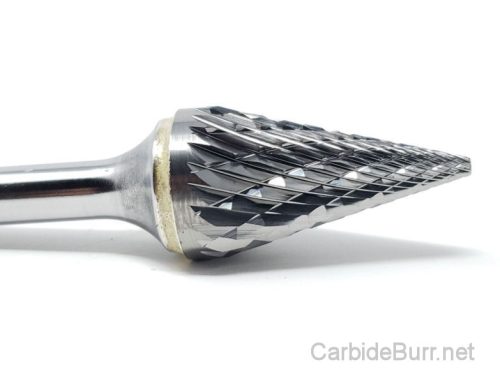
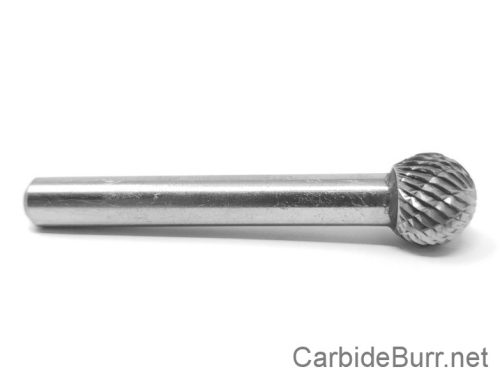
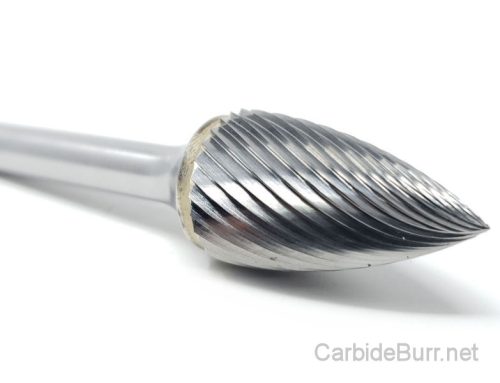
Look at the burr’s shape and size too. A small burr may work for detailed work, while a larger one is better for large areas. The right choice leads to better results and fewer replacements.
Techniques for Proper Handling
Proper handling is key to preventing burr damage. Use steady, controlled movements. Avoid excessive pressure, as this can lead to breakage. Let the tool do the work for you.
Maintain a consistent speed. Varying speeds can affect the burr’s performance and cause premature wear. Keep the speed steady for the best results.
Regular Tool Maintenance
Regular maintenance keeps your burrs sharp and effective. Clean the burrs after each use to remove debris. This prevents buildup and maintains the tool’s sharpness.
Store your burrs properly. Keep them dry and in a safe place to avoid rust and damage. Proper storage extends their life and keeps them ready for the next job.
Understanding Burr Material Compatibility
Material compatibility affects burr performance. Knowing which materials work with your burrs ensures optimal use.
Identifying Compatible Materials
Each burr is designed for certain materials. Check the manufacturer’s guidelines for compatibility. This ensures you use the burr on suitable materials, reducing wear and tear.
Incompatible materials can damage the burr. Use the right burr for the right material. This practice saves you from frequent replacements and improves efficiency.
Avoiding Incompatible Pairings
Avoid pairing burrs with unsuitable materials. Doing so can lead to damage and reduced performance. Stick to recommended pairings to ensure optimal results.
Incompatible pairings also increase the risk of breakage. Using the correct burr for each task prevents unnecessary tool failure.
Enhancing Machining Efficiency
Efficiency in machining saves time and resources. Let’s explore how to get the best performance from your burrs.
Tips for Optimal Burr Performance
For optimal performance, ensure proper use and maintenance. Select the right burr and use it as intended. This approach maximizes efficiency and extends tool life.
Regular inspection for wear and tear is also vital. Replace burrs that are worn out to maintain high performance. Keeping your tools in good condition ensures they work effectively.
Strategies for Efficient Usage
Efficient usage involves consistent practice. Use steady movements and maintain speed. These strategies reduce wear and improve results.
Avoid unnecessary pressure. Let the burr do the work, and don’t force it. This practice keeps the tool sharp and ready for any task. For more efficiency tips, visit this link.
Frequently Asked Questions
What causes carbide burrs to break?
Carbide burrs break due to improper usage, material compatibility issues, and poor tool maintenance. Applying too much pressure or using the wrong settings can stress the burr, leading to breakage.
How can I prevent burr breakage?
Select the right burr for the material, use proper handling techniques, and maintain the tools regularly. Clean and store them properly to extend their lifespan.
What materials are compatible with carbide burrs?
Carbide burrs are designed for specific materials. Check the manufacturer’s guidelines for compatibility to ensure optimal performance and reduce wear.
Why is tool maintenance important?
Proper maintenance extends the life of carbide burrs. It prevents debris buildup and reduces wear, keeping the tools sharp and effective.
How do I choose the right burr for a job?
Consider the material and the task. Select a burr designed for the specific material and job type to ensure efficiency and longevity.
By understanding these key factors, you can improve your machining processes and extend the life of your tools.
Follow Us On Social Media for Special Coupons
Facebook – Twitter – Instagram – Youtube
Carbide Burrs on 1/4″ Shanks – Solid Carbide Burrs – 1/4″ Carbide Burrs on 1/8″ Shanks – Long Shank Carbide Burrs – NF Carbide Burrs – Carbide Burr Sets – End Mills – Accessories
Order Tracking – Dropship Carbide Burr Tools – Contact Us – Cut Options – Coupon Codes – Posts
(513) 899-2610
PO Box 197 – Morrow Ohio 45152