Master the Art of Tool Restoration: Using Carbide Burrs for Reshaping
Worn edges slow you down and risk your safety every time you work. Using a carbide burr for edge reshaping keeps your tools sharp and ready, cutting clean with precision every time. In this guide, you’ll learn how simple sharpening tools can lead to longer tool life and better performance, letting you get the most from your tradesperson equipment. For more insights, you can check out this guide on tungsten carbide burrs.
Check out our entire selection of USA made Carbide Burr tools here
Understanding Carbide Burrs
Getting to know the tools you use is crucial for any craftsman. Let’s begin by exploring what a carbide burr is and how it can boost your work efficiency.
What Are Carbide Burrs?
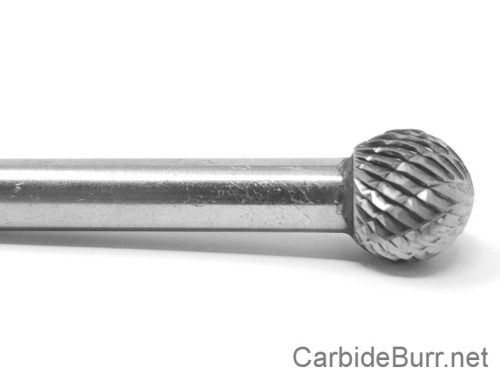
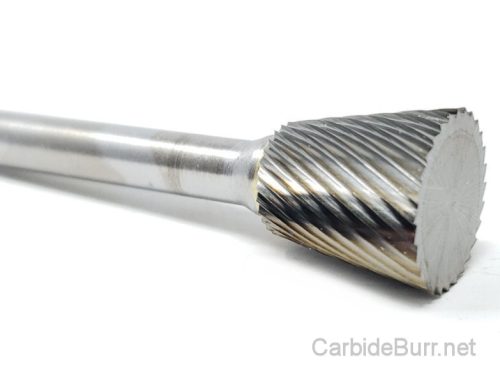
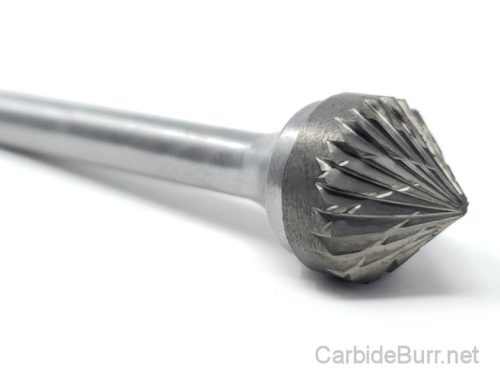
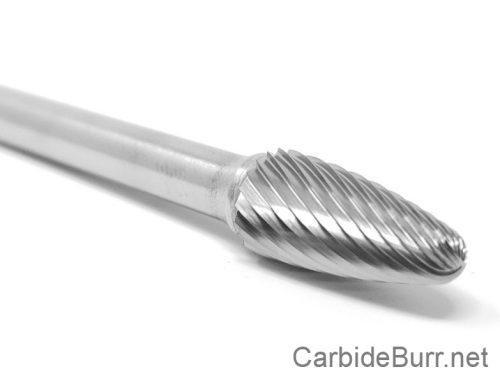
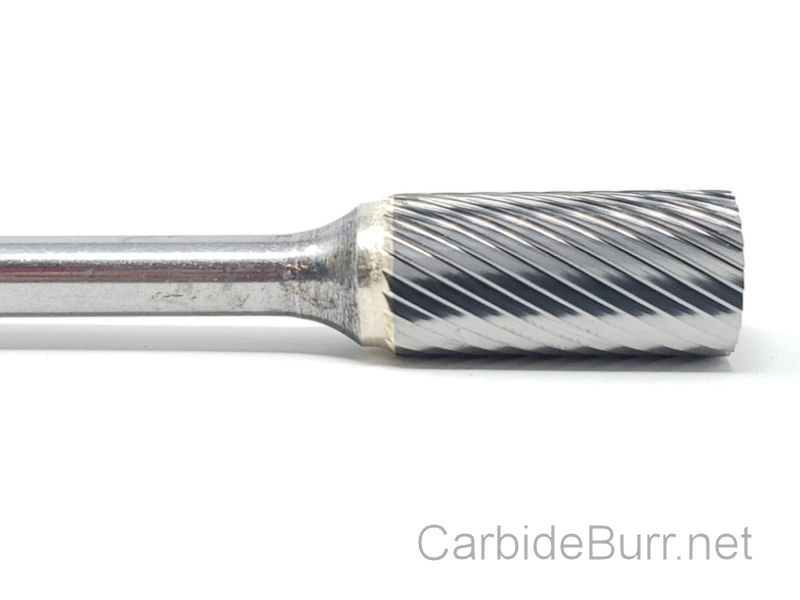
Carbide burrs are small, rotating tools used for cutting, shaping, and grinding. They’re made from tungsten carbide, a tough material that outlasts steel. These burrs are mainly used in metalworking, but their versatility makes them handy in various trades.
-
Durability: They last longer than high-speed steel bits.
-
Versatility: Suitable for materials like wood, plastic, and metal.
-
Precision: Allows for fine detailing and intricate designs.
Using a carbide burr means fewer replacements and more precise results, saving both time and money in your projects.
Benefits of Using Carbide Burrs
Why should you opt for these handy tools? The benefits are clear:
-
Extended Tool Life: They withstand high temperatures and friction, ensuring longevity.
-
Consistent Performance: Provides smooth finishes without chipping the material.
-
Cost-Effective: Though pricier initially, their durability reduces long-term costs.
By investing in carbide burrs, you’re investing in quality and efficiency. This choice leads to superior craftsmanship and satisfied clients.
Choosing the Right Carbide Burr
Selecting the right burr can enhance your projects significantly. Consider these factors:
-
Size and Shape: Match the burr to the task, whether it’s grinding, cutting, or shaping.
-
Material Compatibility: Ensure the burr suits the material you’re working on.
-
Shank Size: Choose the right fit for your tool to avoid accidents and ensure precise work.
For further guidance, check out this guide on selecting the best carbide burr.
Tool Restoration Basics
Now that you understand carbide burrs, let’s dive into maintaining your tools. Proper tool care not only extends their life but also enhances their performance.
Importance of Tool Maintenance
Routine maintenance is vital for any tradesperson. Why? It prevents unexpected breakdowns and ensures safety.
-
Safety First: Well-maintained tools reduce the risk of accidents.
-
Efficiency Boost: Sharp, well-kept tools perform better and faster.
-
Cost Savings: Regular upkeep avoids costly repairs or replacements.
Maintaining tools isn’t just about upkeep; it’s about maximizing efficiency and ensuring your safety on the job.
Common Tools for Restoration
Restoring tools requires the right equipment. Here’s what you’ll need:
-
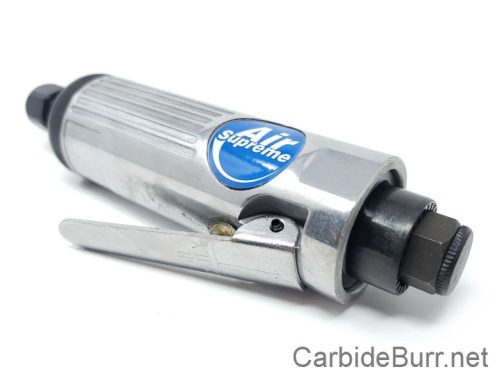
Grinders: Essential for reshaping and sharpening edges.
-
Files and Sandpaper: Ideal for smoothing and finishing touches.
-
Lubricants: Crucial for reducing friction and prolonging tool life.
Having these tools on hand ensures you’re prepared for any restoration task, keeping your equipment in top shape.
Signs Your Tools Need Reshaping
How do you know when it’s time for reshaping? Watch out for:
-
Dull Edges: Tools struggling to cut or carve cleanly.
-
Uneven Surfaces: Ragged cuts or rough finishes.
-
Increased Effort: More force needed to achieve results.
Recognizing these signs early can prevent further damage and extend the lifespan of your tools.
Edge Reshaping Techniques
Equipped with the basics, let’s move on to reshaping techniques. Proper technique ensures precise and safe results.
Preparing Your Tools for Reshaping
Before you start reshaping, preparation is key. Here’s how:
-
Clean the Tool: Remove any dirt or debris to ensure a smooth process.
-
Secure the Tool: Use a vice or clamp to keep the tool steady.
-
Check for Damage: Inspect for cracks or defects that may worsen during reshaping.
Preparation ensures safety and precision, allowing for effective reshaping.
Step-by-Step Edge Reshaping
Ready to reshape? Follow these steps for best results:
-
Select the Right Burr: Choose based on the material and task.
-
Position the Tool: Secure it for stability.
-
Start Slow: Begin at low speed to maintain control.
-
Apply Even Pressure: Avoid exerting too much force.
-
Check Progress: Stop occasionally to inspect the edge.
These steps ensure a smooth, precise reshaping process. For more detailed techniques, visit this resource on sharpening with carbide burrs.
Safety Tips for Sharpening Tools
Safety can’t be overlooked. Here’s how to stay safe:
-
Wear Protective Gear: Always use gloves and goggles.
-
Maintain a Clean Workspace: A clutter-free area prevents accidents.
-
Stay Focused: Avoid distractions to prevent slips or mishaps.
Prioritizing safety ensures a smooth reshaping process and protects you from harm.
Enhancing Tool Performance
With freshly reshaped tools, let’s focus on boosting performance. Proper use and care make all the difference.
Achieving Precision Cutting
Precision cutting is all about technique and tool choice:
-
Sharpness Counts: Keep edges sharp for clean cuts.
-
Consistent Pressure: Apply even force for uniform results.
-
Use the Right Tool: Match tools with tasks for optimal performance.
Precision cuts not only improve work quality but also speed up processes.
Tips for Improved Tool Functionality
Want your tools to function better? Here are some tips:
-
Regular Cleaning: Prevents buildup that can dull edges.
-
Proper Storage: Keep tools dry and away from corrosive elements.
-
Timely Maintenance: Address issues before they escalate.
These practices enhance functionality, ensuring your tools are always ready for action.
Routine Maintenance Practices
Routine care is vital for tool longevity. Here’s what to do:
-
Inspect Regularly: Look for wear and tear.
-
Lubricate Moving Parts: Prevents rust and ensures smooth operation.
-
Sharpen Blades: Maintain sharpness to extend life.
Consistent maintenance keeps tools in peak condition, ready for any task.
Craftsman Tips for Success
Finally, let’s explore some tips for tradespeople. These best practices ensure long-term success in your craft.
Best Practices for Tradespeople
Succeeding in your trade requires more than skill. Consider these tips:
-
Keep Learning: Stay updated with the latest tools and techniques.
-
Network with Peers: Share insights and learn from others.
-
Invest in Quality Tools: Reliable tools make all the difference.
By adopting these practices, you’ll improve your craft and build a solid reputation.
Maintaining Equipment Longevity
To extend equipment life, follow these guidelines:
-
Regular Maintenance: Keeps tools in working order.
-
Avoid Overuse: Give tools breaks to prevent wear.
-
Store Properly: Protects against damage and corrosion.
Longevity means fewer replacements and better performance, saving you money in the long run.
Building Your Tool Maintenance Kit
Having a dedicated kit simplifies maintenance tasks. Consider including:
-
Various Files and Burrs: For different sharpening needs.
-
Lubricants and Cleaners: Essential for upkeep.
-
Safety Gear: Protects during maintenance tasks.
A well-stocked kit ensures you’re always prepared for any tool-related task. For additional tips on maintaining carbide burrs, check this maintenance guide.
Conclusion
By mastering the art of tool restoration, you elevate your skills and ensure your tools remain in prime condition. Investing time in maintenance and learning proper techniques pays off in quality work and extended tool life. Keep your edge sharp, and success will follow.
Follow Us On Social Media for Special Coupons
Facebook – Twitter – Instagram – Youtube
Carbide Burrs on 1/4″ Shanks – Solid Carbide Burrs – 1/4″ Carbide Burrs on 1/8″ Shanks – Long Shank Carbide Burrs – NF Carbide Burrs – Carbide Burr Sets – End Mills – Accessories
Order Tracking – Dropship Carbide Burr Tools – Contact Us – Cut Options – Coupon Codes – Posts
(513) 899-2610
PO Box 197 – Morrow Ohio 45152
Check out our entire selection of USA made Carbide Burr tools here