
How to Grind Aluminum Without Clogging Your Tools: Carbide Burr Tips
Aluminum grinding can quickly turn frustrating when your tools clog and slow down work on engine components or custom aluminum parts. The root cause often lies in using the wrong carbide burr designs that let aluminum stick and build up on flutes. Choosing cutting geometries for aluminum that control speed and reduce heat helps clear material smoothly. This guide breaks down how anti-loading designs and aluminum-specific carbide burrs keep your workflow steady and your parts precise. For more insight, check out this guide on choosing the right carbide burr for aluminum.

Do you need a longer reach for your die grinder?
Challenges of Grinding Aluminum
Aluminum’s unique properties often create challenges during machining. Understanding why it clogs tools is crucial.
Why Aluminum Clogs Tools
Aluminum is known for its malleability, which makes it prone to sticking to conventional grinding tools. This happens because aluminum is soft, leading to material buildup on tool surfaces. Such accumulation, often called “loading,” disrupts your workflow by slowing down operations. The more the material loads, the less effective your tool becomes, resulting in frequent clean-ups and wasted time.
Common Issues in Machining Aluminum
When machining aluminum, you might face several common issues. Overheating is one major concern. As tools heat up, aluminum becomes stickier, exacerbating the loading problem. Additionally, using the wrong tool designs can result in rough finishes and imprecise cuts. This not only affects productivity but also the quality of the final product. It’s essential to address these issues by selecting the right tools and techniques.
Understanding Aluminum’s Properties
Aluminum’s properties can be both advantageous and challenging. Its lightweight nature makes it popular in industries like aerospace and automotive. However, its softness means it can easily deform under high pressure. Additionally, aluminum’s heat conductivity can lead to rapid tool wear if not properly managed. Knowing these characteristics helps you choose the best approaches for effective machining.
Carbide Burrs: A Game Changer
Switching to carbide burrs specifically designed for aluminum can revolutionize your machining process.
Carbide Burr Designs for Aluminum
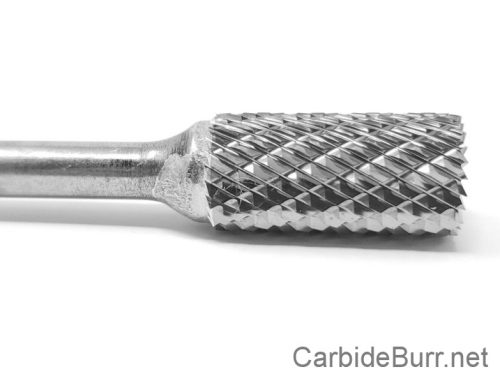
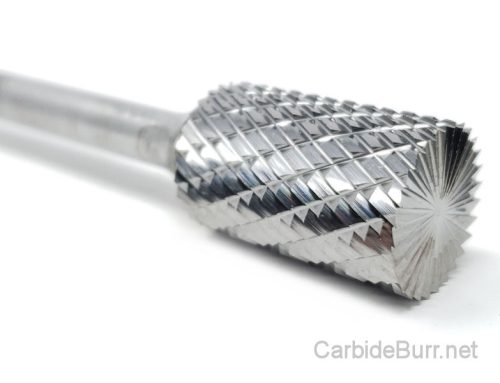
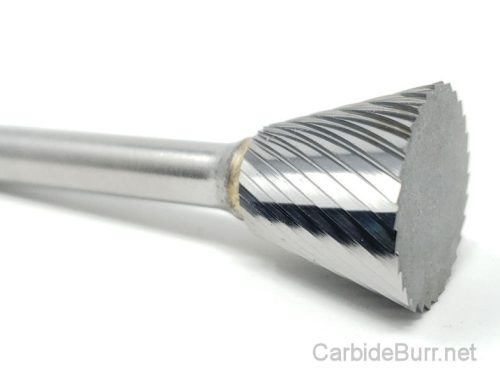
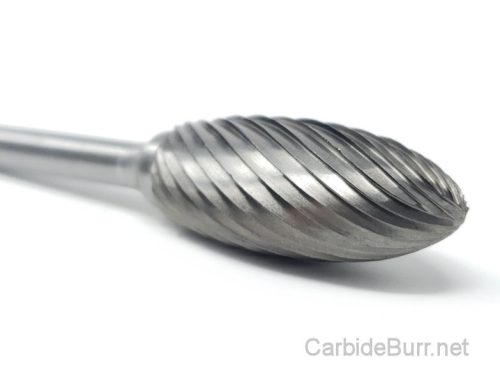
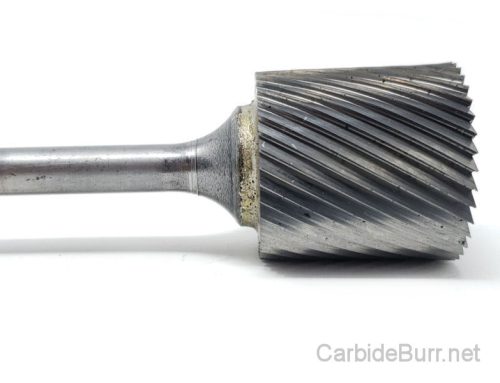
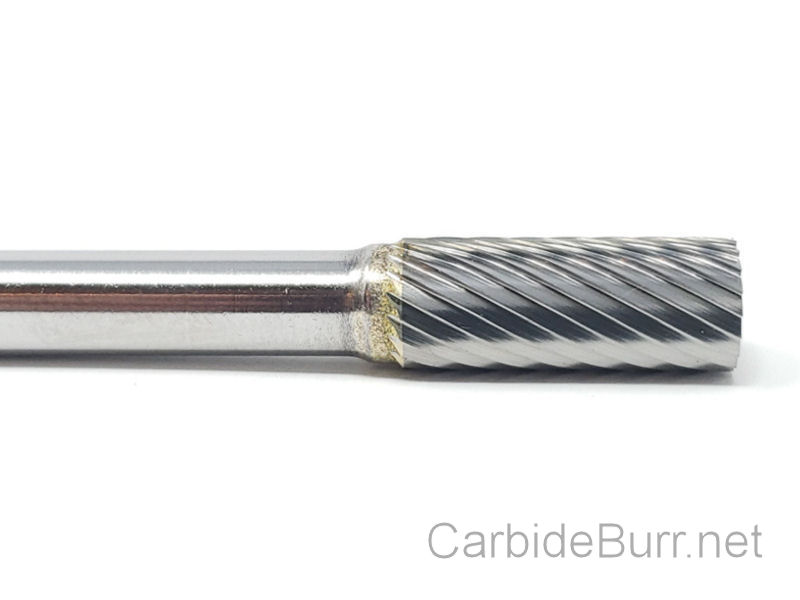
Carbide burrs come in various designs tailored for different materials. For aluminum, selecting the right burr shape is key. These burrs are crafted to minimize loading by having wider flutes and fewer teeth. This design allows for efficient material removal and reduces the chances of clogging. With the right burr, you can maintain a smooth, steady workflow.
Benefits of Anti-Loading Designs
Anti-loading designs are a boon for those working with aluminum. These designs feature unique geometries that prevent material from sticking to the tool. By keeping the tool clean, anti-loading designs enhance performance and extend tool life. This means less downtime for cleaning and more time for productive machining. For more on the benefits of these designs, visit this resource.
Selecting the Right Flute Geometry
Choosing the appropriate flute geometry is vital in aluminum machining. Flutes that are too narrow can lead to quick loading and inefficiency. Instead, opt for flutes that are wide and deep, which facilitate better chip clearance. This not only improves cutting efficiency but also ensures a cleaner finish on the workpiece. The right flute geometry can make a significant difference in your machining results.
Best Practices for Aluminum Machining
Implementing best practices can enhance your aluminum machining process, making it more efficient and productive.
Speed and Heat Management
Controlling speed and heat is crucial when machining aluminum. High speeds can generate excessive heat, leading to tool wear and material deformation. To mitigate this, use moderate speeds and apply coolant if necessary. This helps maintain the integrity of both the tool and the workpiece, ensuring consistent results.
Importance of Cutting Geometries
Cutting geometries tailored for aluminum are essential for achieving precision. Such geometries are designed to handle the softness of the material while maintaining sharpness. By using these specialized geometries, you can achieve clean cuts without the risk of deformation or rough finishes. This is particularly important in industries demanding high-quality outputs.
Tips for Efficient Material Removal
Material removal should be swift yet controlled. Use carbide burrs with fewer, wider flutes for quick and efficient cutting. Maintain a consistent pressure and keep the tool moving to prevent localized heat buildup. Regularly check your tools for wear and replace them as needed. Efficient material removal not only saves time but also improves the overall quality of your work.
Applications in Industry
Aluminum’s versatility makes it a preferred choice across various industries, each with specific machining needs.
Engine Components and Intake Manifolds
In the automotive sector, aluminum is widely used for engine components and intake manifolds. These parts require precision and durability, which can be achieved through the right machining techniques. Using carbide burrs designed for aluminum ensures that these components are crafted to exact specifications, enhancing vehicle performance.
Crafting Brackets and Custom Parts
Custom parts, including brackets, often require intricate designs and precise measurements. Aluminum’s lightweight nature makes it ideal for such applications. By employing tools with anti-loading designs, you can produce custom parts efficiently, ensuring they meet the required standards and specifications.
Enhancing Productivity in Aerospace
The aerospace industry demands high performance from its materials, and aluminum fits the bill. Machining aluminum parts for aerospace applications calls for meticulous attention to detail. Using the right tools and techniques can significantly boost productivity, ensuring that each component meets stringent industry standards.
Enhancing Your Machining Process
Optimizing your machining process can lead to better outcomes and increased efficiency.
Choosing the Right Tools
Selecting the right tools is the first step in enhancing your machining process. For aluminum, this means opting for tools with anti-loading designs and appropriate flute geometries. These tools not only improve efficiency but also ensure a higher quality of work. By investing in the right tools, you can prevent common issues like clogging and overheating.
Improving Finished Product Quality
The quality of the finished product is a direct reflection of the tools and techniques used. By using carbide burrs specifically designed for aluminum, you can achieve smooth, precise finishes. This is crucial in industries where product quality cannot be compromised. Consistently high-quality results can enhance your reputation and open doors to new opportunities.
Reducing Downtime and Increasing Efficiency
Reducing downtime is vital for maintaining a steady workflow. By choosing the right tools and implementing best practices, you can minimize the need for frequent tool changes and cleanups. This not only increases efficiency but also allows you to focus more on production and less on maintenance.
Frequently Asked Questions
What causes aluminum to clog grinding tools?
Aluminum’s soft and malleable nature leads to material sticking to tool surfaces, causing clogging. This phenomenon, known as loading, disrupts tool efficiency and workflow.
How do carbide burr designs help in machining aluminum?
Carbide burrs with wider flutes and fewer teeth are designed to minimize loading, allowing for efficient material removal and reducing tool clogging.
Why is speed and heat management important in aluminum machining?
Managing speed and heat prevents tool wear and material deformation. Using moderate speeds and applying coolant helps maintain the tool’s integrity and ensures consistent results.
What are the benefits of using anti-loading designs?
Anti-loading designs prevent material from sticking to tools, enhancing performance and extending tool life. This results in less downtime and more productive machining.
How can I improve the quality of the finished product?
Using carbide burrs tailored for aluminum ensures smooth, precise finishes. This, coupled with proper machining techniques, results in consistently high-quality products.

Follow Us On Social Media for Special Offers
Facebook – Twitter – Instagram – Youtube
Carbide Burrs on 1/4″ Shanks – Solid Carbide Burrs – 1/4″ Carbide Burrs on 1/8″ Shanks – Long Shank Carbide Burrs – NF Carbide Burrs – Carbide Burr Sets – End Mills – Accessories
Order Tracking – Dropship Carbide Burr Tools – Contact Us – Cut Options – Coupon Codes – Posts
(513) 899-2610
PO Box 197 – Morrow Ohio 45152