
Grinding Stainless Steel with Carbide Burrs: Techniques, Tips and Tool Selection
Grinding stainless steel with carbide burrs isn’t as straightforward as it looks. Stainless steel’s tendency to work harden and generate heat can wear down tools and ruin finishes if you’re not careful. Knowing how to pick the right burr, set the right speed, and maintain steady pressure makes all the difference. In this post, you’ll find practical tips and examples from automotive fabrication to food equipment manufacturing that help you get the best results every time. For more information, visit this link.

Do you need a longer reach for your die grinder?
Understanding Stainless Steel Machining
Stainless steel poses unique challenges that require tailored solutions. The key lies in understanding its properties and adapting your approach to machining.
Unique Properties and Challenges
Stainless steel is known for its strength and resistance to corrosion. These advantages can create challenges during machining. The material’s hardness can quickly wear down tools if not handled correctly. You need to choose the right techniques and tools to overcome these issues.
Carbide burrs play a crucial role in managing these challenges. They help you shape and finish the steel effectively. By selecting the right burr, you can manage the material’s toughness and achieve smooth finishes without excessive wear on your tools.
Heat Buildup and Work Hardening
Heat buildup is a common issue when working with stainless steel. This can lead to work hardening, making the material even more difficult to machine. It’s essential to manage heat to prevent this problem.
Using the right carbide burrs helps in managing heat. By maintaining proper speeds and pressure, you can minimize heat generation. This approach reduces the risk of work hardening and ensures a smoother machining process.
Overcoming Machining Challenges
Overcoming these challenges requires a strategic approach. You can start by selecting high-quality carbide burrs. These tools are designed to handle the toughness of stainless steel effectively.
Focus on using the right techniques to manage heat and pressure. This helps prevent tool wear and ensures efficient machining. With the right strategy, you can achieve high-quality results every time.
Carbide Burr Selection
Choosing the right carbide burrs is vital for effective stainless steel machining. The selection process impacts the entire operation.
Choosing the Right Burr
Selecting the right burr begins with understanding your specific needs. Consider the type of work you’re doing and the finish you desire. This helps in narrowing down the options to find the best fit.
There are many types of burrs available, each designed for specific tasks. By matching the burr to your project, you can improve efficiency and achieve better results.
Burr Shapes and Sizes
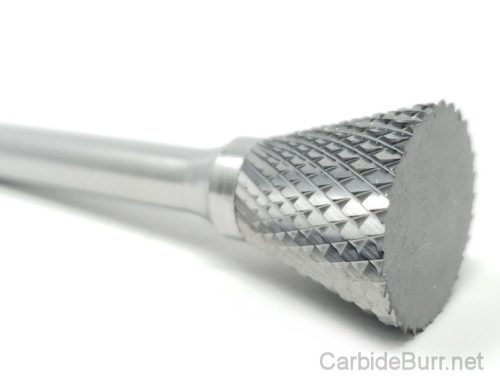
The shape and size of the burrs play a big role in their performance. Different shapes are suited for different tasks, such as cutting, shaping, or smoothing.
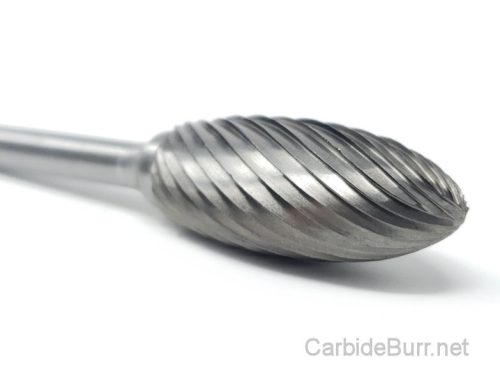
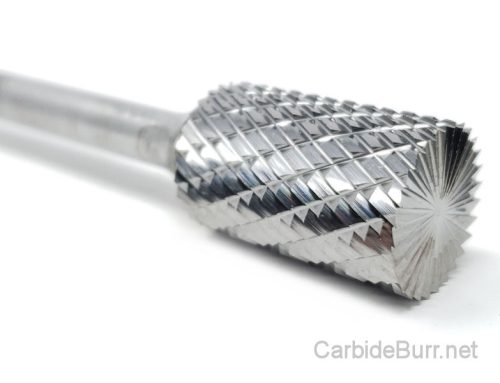
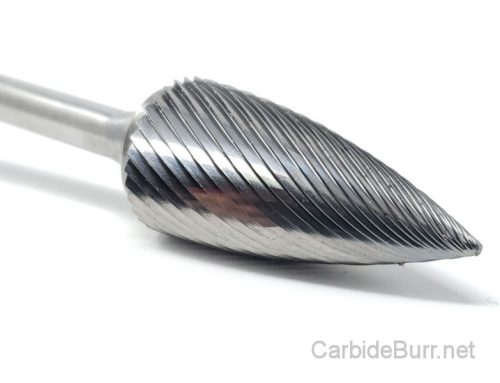
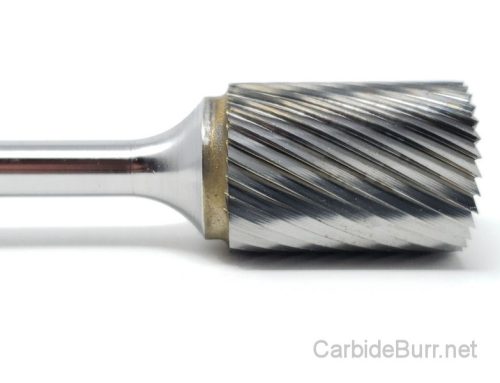
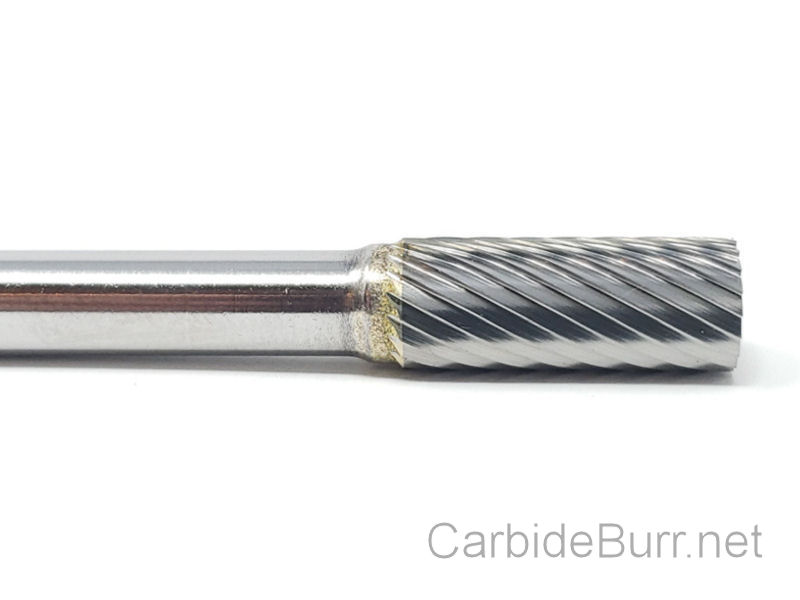
Choose the right shape based on your project needs. For instance, a flame-shaped burr can be ideal for detailed work, while a cylinder shape is better for flat surfaces. Size also matters; larger burrs can cover more area but may lack precision.
Ideal Burr Materials for Stainless Steel
Carbide burrs are the preferred choice for stainless steel due to their durability. They can withstand the demands of machining without wearing down quickly.
When selecting burr materials, ensure they are specifically designed for stainless steel. This ensures they can handle the material’s hardness and maintain their cutting ability over time.
Effective Deburring Techniques
Deburring is crucial in achieving a smooth finish on stainless steel. The right techniques can make the process efficient and effective.
Proper Operating Speeds
Operating speed is critical when using carbide burrs. Too fast, and you risk overheating; too slow, and the process becomes inefficient.
Find the optimal speed for your burr and material. This helps in reducing heat and maintaining control over the machining process. By operating within the right speed range, you achieve better results.
Pressure Application Tips
Applying the right pressure is essential in machining stainless steel. Too much pressure can lead to tool wear, while too little may not achieve the desired finish.
Maintain steady, moderate pressure for best results. This helps in controlling the tool and ensuring even material removal. Practicing consistent pressure application prevents damage and achieves smoother finishes.
Preventing Discoloration
Discoloration can be a common problem with stainless steel machining. It often results from excessive heat during the process.
To prevent this, focus on managing heat through proper speed and pressure. Additionally, choose burrs that are designed to minimize heat generation. This approach helps maintain the material’s natural appearance without unintended color changes.
Industry Applications and Examples
Understanding how carbide burrs apply across various industries provides practical insights. Let’s explore some common applications.
Food Equipment Manufacturing Insights
In food equipment manufacturing, hygiene and precision are vital. Stainless steel is a popular choice for its cleanliness and durability.
Carbide burrs play a key role in shaping and finishing stainless steel components. They help achieve smooth surfaces, essential for food safety. By using the right tools, manufacturers ensure their equipment meets industry standards.
Automotive Fabrication Techniques
The automotive industry relies heavily on stainless steel for its strength and resistance to wear. Carbide burrs assist in shaping and smoothing components.
In this industry, precision is crucial. Burrs help achieve intricate designs and details needed for high-performance parts. By selecting the right burrs, automotive fabricators enhance their production quality and efficiency.
Industrial Maintenance Best Practices
Industrial maintenance often involves repairing and maintaining stainless steel machinery. Here, carbide burrs are invaluable for their versatility and strength.
They assist in removing burrs, smoothing surfaces, and ensuring machinery operates efficiently. By using burrs specifically designed for maintenance, professionals can extend the life of their equipment and improve overall performance.
Frequently Asked Questions
What are the best burr shapes for stainless steel?
Flame and cone shapes are great for detailed work, while cylindrical shapes are ideal for flat surfaces. Choosing the right shape depends on your specific task.
How do I prevent heat buildup when machining stainless steel?
Maintain proper operating speeds and apply steady pressure. This helps manage heat and reduce the risk of work hardening.
Why is carbide the preferred material for burrs?
Carbide is durable and can withstand the toughness of stainless steel. It maintains its cutting ability over time, making it ideal for machining.
What role do burr sizes play in machining?
Burr sizes determine the area covered and the level of detail you can achieve. Larger burrs cover more area, while smaller sizes offer precision.
How can discoloration be avoided during machining?
Control heat buildup by maintaining optimal speeds and pressure. Use burrs designed to minimize heat generation to prevent discoloration.

Follow Us On Social Media for Special Offers
Facebook – Twitter – Instagram – Youtube
Carbide Burrs on 1/4″ Shanks – Solid Carbide Burrs – 1/4″ Carbide Burrs on 1/8″ Shanks – Long Shank Carbide Burrs – NF Carbide Burrs – Carbide Burr Sets – End Mills – Accessories
Order Tracking – Dropship Carbide Burr Tools – Contact Us – Cut Options – Coupon Codes – Posts
(513) 899-2610
PO Box 197 – Morrow Ohio 45152