Can Carbide Burrs Handle Hardened Steel? A Guide for Machinists and DIY Enthusiasts
Cutting hardened steel has a reputation for wearing out tools fast and slowing your workflow. If you’ve struggled to find machining tools that hold up, carbide burrs might be the answer you need. This guide breaks down how carbide burrs work with tough steel, what burr types suit your project, and the best practices to keep your cuts precise without damaging your tools. Keep reading to sharpen your skills and get the job done right. For more insights, check out this link.
Understanding Carbide Burrs
Carbide burrs are game-changers when it comes to machining tough materials. But what makes them so special? Let’s dive into their characteristics and durability.
Characteristics and Composition
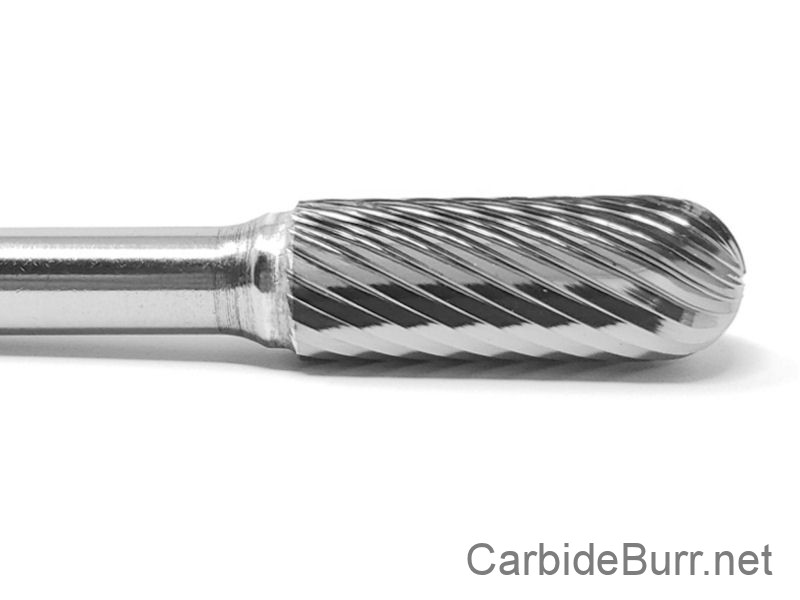
Carbide burrs are made from tungsten carbide, a material known for its hardness and heat resistance. This composition allows them to withstand the rigors of cutting hardened steel. Unlike traditional steel tools, carbide burrs maintain their sharp edge longer, making them ideal for repetitive tasks. You can trust them to handle intricate details in your projects, making your work not just easier but also more precise.
Another advantage is their versatility. Whether you’re working on metal, stone, or wood, carbide burrs can tackle various materials with ease. Their ability to create fine details is unmatched. For more on fine detailing, you can explore this resource.
Durability and Cutting Efficiency
Durability is the hallmark of carbide burrs. Their ability to retain sharpness means fewer tool changes, saving you time and money. The cutting efficiency of carbide burrs is remarkable, allowing you to make smooth and precise cuts without excessive force. This efficiency translates into less wear on your equipment and smoother finishes on your workpieces.
Carbide burrs are not just about durability; they offer excellent control, which is crucial when working with hard materials. With the right technique, you can achieve professional results, enhancing your project’s overall quality.
Cutting Hardened Steel
Cutting through hardened steel poses challenges. Yet, with carbide burrs, you can overcome these hurdles. Let’s explore the considerations and applications in various industries.
Challenges and Considerations
Hardened steel is notorious for its toughness. It resists wear and tear but can be a nightmare to cut without the right tools. Carbide burrs make this task feasible. They minimize heat build-up, reducing the risk of damaging the material. Remember to choose the correct burr shape and size for optimal performance.
Another consideration is speed. Maintaining the correct speed is crucial for efficient cutting. Too fast, and you risk overheating; too slow, and the process becomes inefficient. Balancing these factors ensures better outcomes, prolonging the tool’s life.
Industrial Applications and Uses
Carbide burrs are indispensable in many industries. In automotive repairs, they refine parts and ensure precision in assembly. In aerospace, their precision is crucial for safety standards. Their role in surface restoration is also significant, as they remove imperfections efficiently. For a deeper understanding, read about their role in automotive repairs.
These tools are versatile, handling everything from small DIY projects to large-scale industrial applications. Their reliability makes them a favorite among professionals, ensuring tasks are completed to the highest standards.
Best Practices for Tool Selection
Choosing the right tool is essential for success. Let’s delve into selecting the right burr type and matching operating parameters for your needs.
Choosing the Right Burr Type
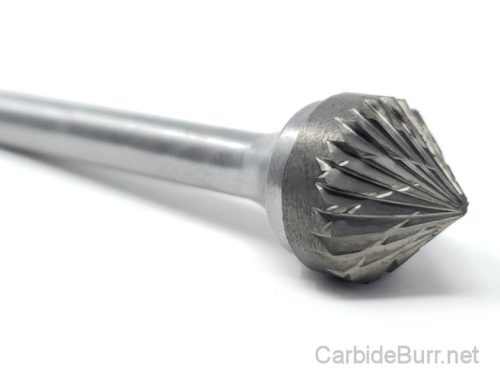
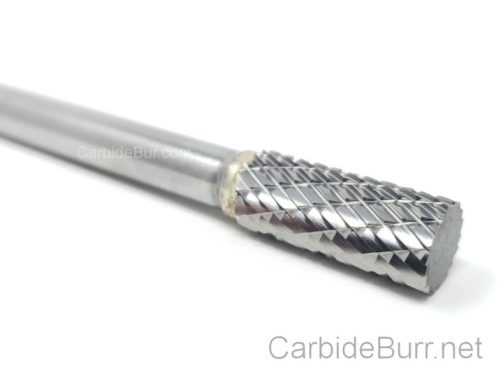
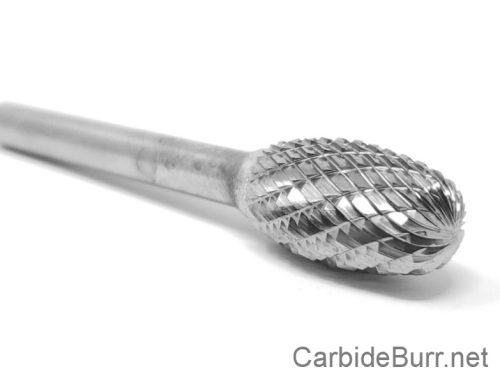
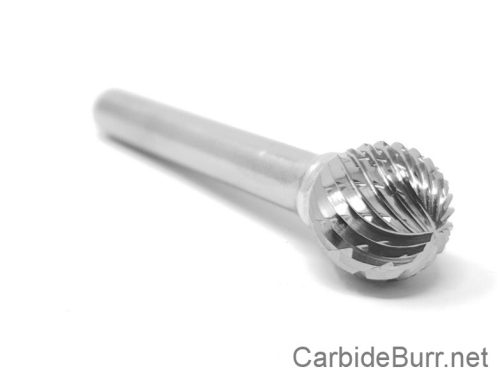
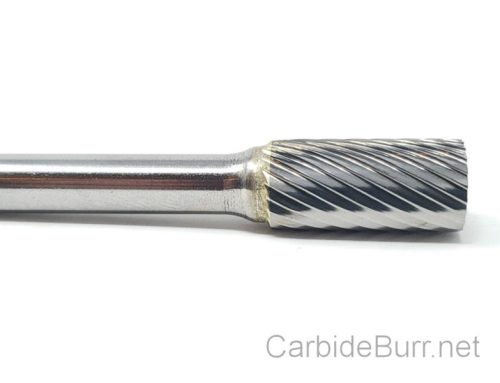
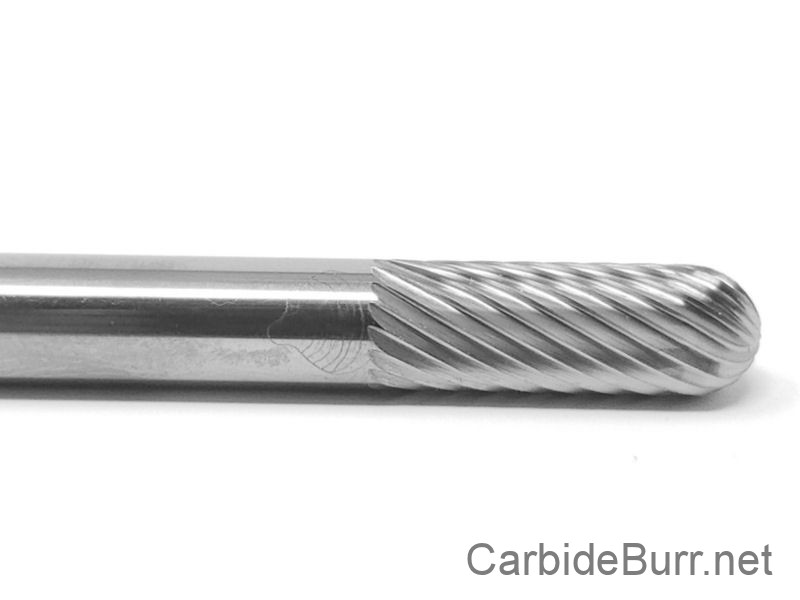
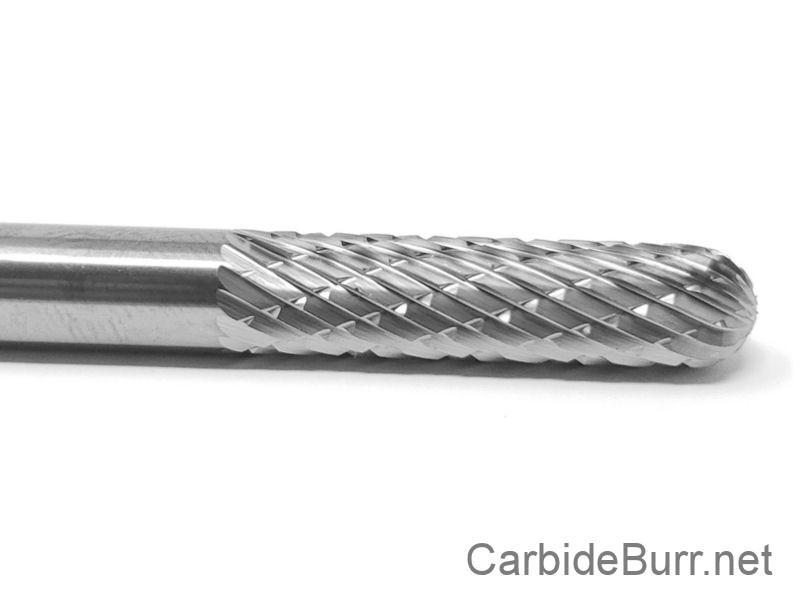
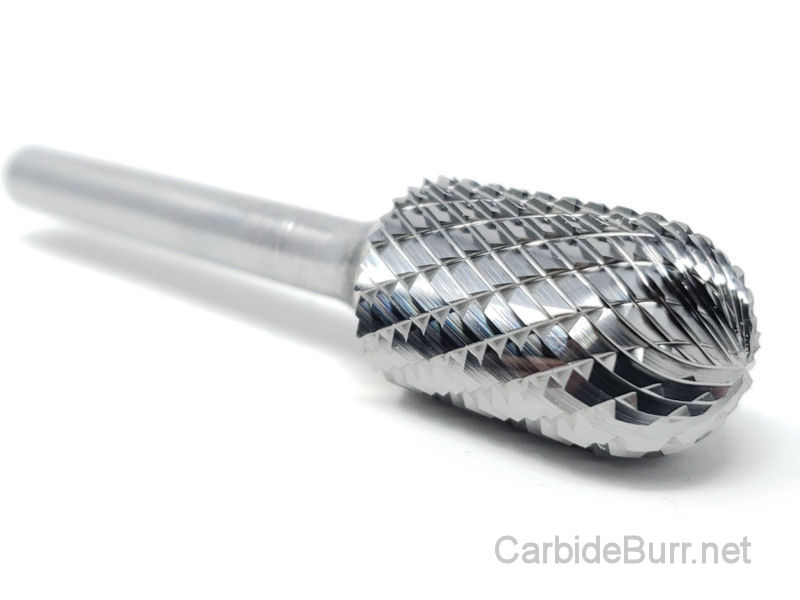
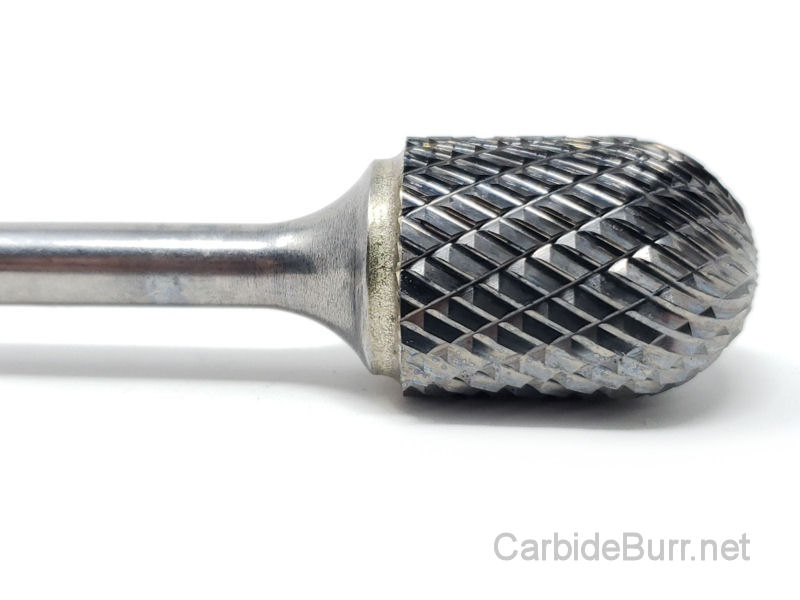
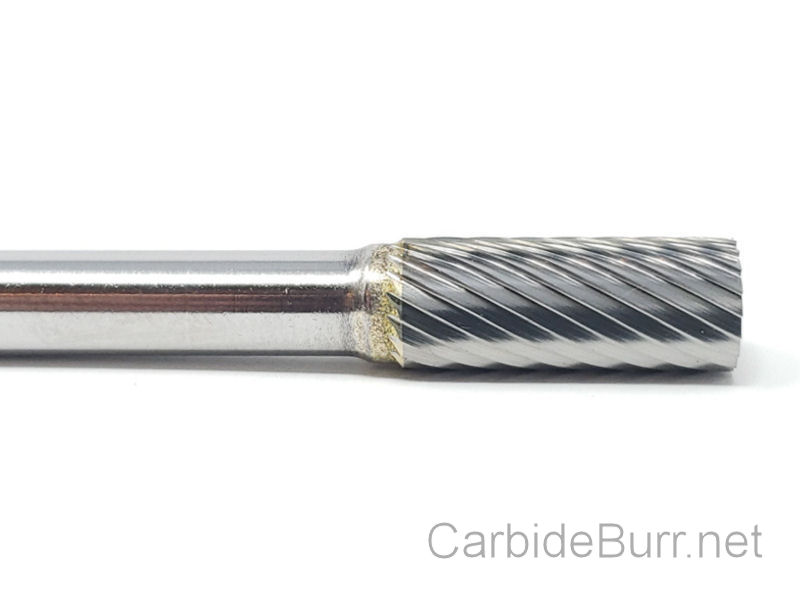
Selecting the right burr type can make a significant difference. Consider the material you’re working with and the desired finish. For hardened steel, you require a burr that can withstand intense pressure and maintain precision. Cylindrical burrs are great for flat surfaces, while ball-shaped ones are perfect for contouring.
Each project may demand a different burr type. Assess your needs carefully; this choice impacts the quality of your results and the longevity of your tools. For further guidance, explore the essential role of these tools in aerospace and automotive industries.
Matching Operating Parameters
Operating parameters, such as speed and pressure, must align with your tool choice. Too much pressure can wear out your burr prematurely, while insufficient speed can hinder progress. Find a balance that suits your project’s demands.
Adjusting the parameters for different tasks ensures smooth operation and preserves your tools. With practice, you’ll develop an intuitive understanding of what works best for each scenario.
Techniques for Precision Machining
Precision is key in machining. Let’s explore techniques to refine your control and maintain tool integrity.
Ensuring Precision and Control
Precision machining requires a steady hand and strategic approach. Use carbide burrs to finesse details, ensuring clean edges and smooth surfaces. Practice makes perfect; start with smaller tasks to build confidence.
Control is enhanced by choosing the right equipment. Comfortable grips and stable machines contribute significantly to your results. By focusing on precision, you elevate the quality of your work, making each piece a testament to your skill.
Maintaining Tool Integrity
Tool maintenance is crucial for longevity. Regular cleaning and proper storage prevent damage and ensure peak performance. Inspect your burrs for wear and replace them as needed to avoid compromising your project.
Proper technique plays a role in tool integrity. Avoid forcing cuts; let the burr do the work. This approach not only preserves your tools but also leads to better results.
Tips for Machinists and DIY Enthusiasts
Both professionals and hobbyists can benefit from these tips. Let’s ensure your projects succeed with practical advice and cautionary tales.
Practical Tips for Success
-
Start slow: Begin with lower speeds to establish control.
-
Stay cool: Use cutting fluids to manage heat.
-
Consistent checks: Regularly inspect your tools for wear.
Applying these tips enhances your efficiency and outcomes, making each project a rewarding experience.
Common Mistakes to Avoid
-
Overheating: Avoid excessive speed, which leads to heat damage.
-
Wrong burr choice: Match the burr to the material and task.
-
Neglecting maintenance: Clean and store tools properly to extend their life.
Avoiding these pitfalls ensures smoother operations and better results, reinforcing your skills and confidence.
Frequently Asked Questions
What are carbide burrs made of?
Carbide burrs are crafted from tungsten carbide, known for its hardness and heat resistance. This makes them ideal for cutting tough materials like hardened steel.
How do I choose the right burr for my project?
Consider the material and desired finish. Different shapes suit different tasks: cylindrical for flat surfaces, ball-shaped for contours.
Why are carbide burrs better than traditional steel tools?
Carbide burrs retain sharpness longer and require fewer changes, offering better durability and cutting precision.
What industries commonly use carbide burrs?
Industries like automotive, aerospace, and restoration frequently use carbide burrs for their precision and durability.
How can I maintain my carbide burrs?
Regular cleaning, proper storage, and avoiding excessive force during use help maintain the integrity and longevity of your carbide burrs.

Follow Us On Social Media for Special Offers
Facebook – Twitter – Instagram – Youtube
Carbide Burrs on 1/4″ Shanks – Solid Carbide Burrs – 1/4″ Carbide Burrs on 1/8″ Shanks – Long Shank Carbide Burrs – NF Carbide Burrs – Carbide Burr Sets – End Mills – Accessories
Order Tracking – Dropship Carbide Burr Tools – Contact Us – Cut Options – Coupon Codes – Posts
(513) 899-2610
PO Box 197 – Morrow Ohio 45152