How to Remove Rust and Corrosion from Metal with Rotary Grinding Tools
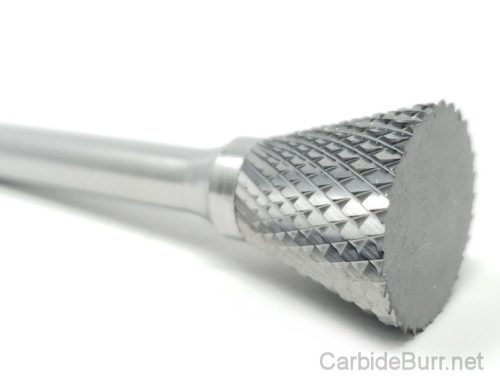
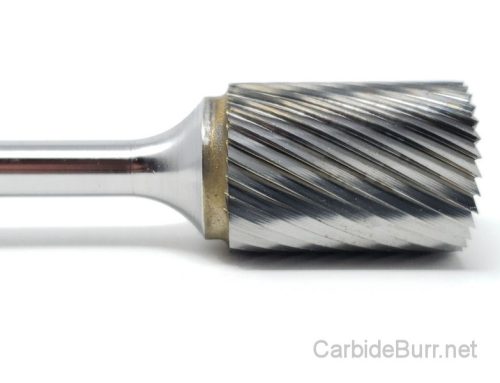
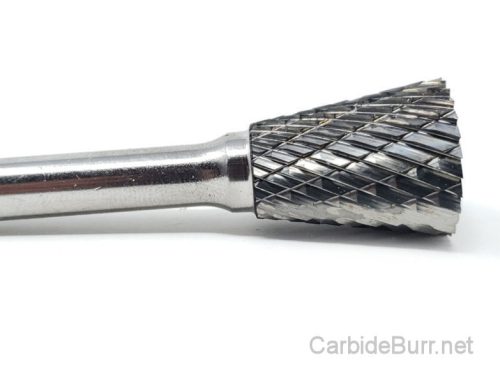
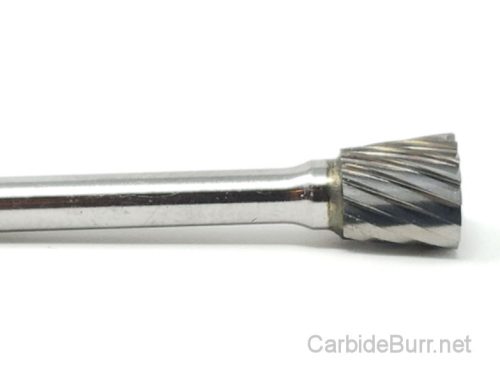
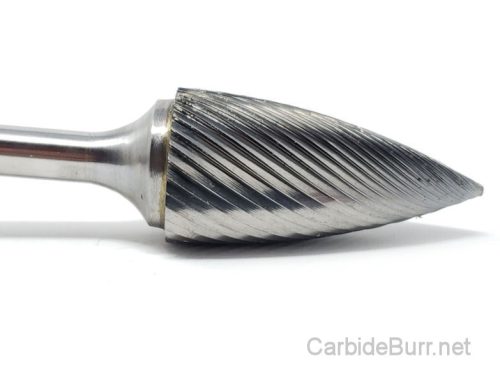
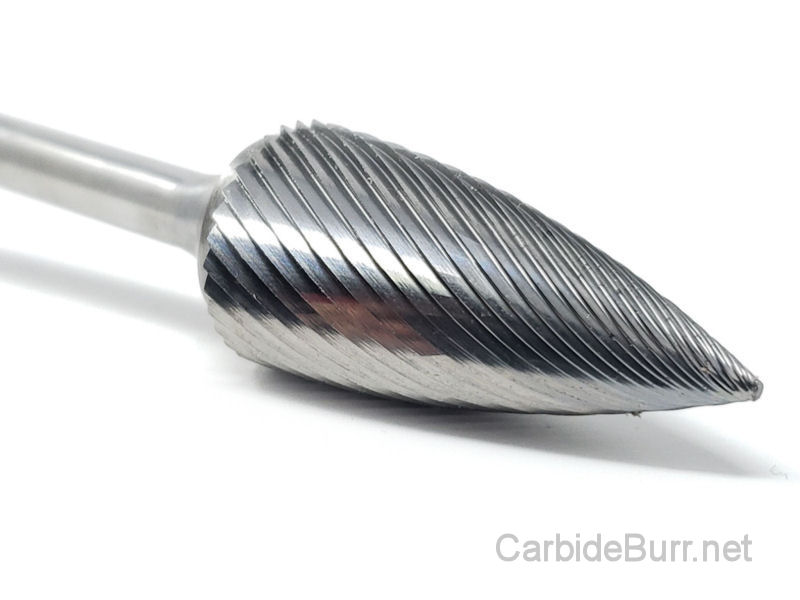
Rust and corrosion can quietly destroy your automotive and industrial parts before you even notice. When localized rust removal becomes urgent, picking the right tool makes all the difference. Carbide burrs offer precise control for corrosion damage repair, but how do they stack up against wire brushes and sanding discs? This guide breaks down the best tools for rust removal and shows when metal is beyond saving, so you can tackle automotive component restoration and industrial metal repair with confidence. For more insights, check out this guide on essential carbide burr shapes.

Do you need a longer reach for your die grinder?
Understanding Rust and Corrosion
Rust and corrosion are silent destroyers of metal components. They often go unnoticed until significant damage has occurred. Understanding their causes can prevent such degradation.
Causes of Metal Degradation
Metal degradation occurs due to a few primary factors. Moisture and oxygen are the main culprits in rust formation. When metal is exposed to air and water, a chemical reaction happens, leading to rust. Salt accelerates this process, making it especially problematic in coastal areas. Chemicals and pollutants in industrial settings can also corrode metal surfaces, weakening the structure over time.
Impact on Automotive and Industrial Parts
Rust and corrosion have a severe impact on automotive and industrial parts. They can weaken structural integrity and cause parts to fail prematurely. This not only increases maintenance costs but also risks safety. For instance, rusted brake lines in a vehicle can lead to brake failure. In factories, corroded machines may halt production, leading to expensive downtime. Keeping metal components in top condition is vital for safety and efficiency.
Choosing the Right Tools
Selecting the right tool for removing rust is crucial. Different tools offer varied benefits depending on the condition and type of metal involved.
Comparing Carbide Burrs and Wire Brushes
Carbide burrs and wire brushes are both popular choices for rust removal. Carbide burrs provide precision and are ideal for detailed work. They are excellent for localized rust removal, as they can target specific areas without damaging the surrounding metal. They’re also durable and last longer than other tools. Conversely, wire brushes are better for larger surfaces. They can quickly remove loose rust and paint, making them effective for less detailed work. Each tool serves a unique purpose, and understanding their differences helps you choose the right one.
The Role of Sanding Discs and Abrasive Wheels
Sanding discs and abrasive wheels also play a role in rust removal. Sanding discs are versatile and can smooth surfaces after rust removal. They are useful for preparing metal for painting or coating. Abrasive wheels, on the other hand, are great for heavy-duty rust removal. They can grind down thick layers of rust and reshape metal when necessary. Combining these tools with carbide burrs can achieve a comprehensive rust removal process.
Carbide Burrs for Effective Restoration
For effective restoration of metal parts, carbide burrs offer unique advantages. They are a go-to choice for many professionals.
Benefits of Carbide Burrs
Carbide burrs offer several benefits in rust and corrosion damage repair. First, they provide precision, allowing you to work on small, detailed areas without affecting the surrounding metal. Second, they are extremely durable, often outlasting other tools. This durability means fewer replacements and lower costs over time. Lastly, they can handle a variety of materials, from mild steel to tougher alloys. This versatility makes them invaluable in both automotive and industrial settings.
Techniques for Localized Rust Removal
Using carbide burrs requires technique. Start by securing the metal component to avoid movement. Hold the burr at a consistent angle to the metal surface. Light pressure is key; let the burr do the work. Move the burr in a controlled pattern to evenly remove rust. Patience is important, as rushing can damage the metal. With practice, you’ll achieve a smooth, rust-free surface ready for further treatment.
When Metal Is Beyond Repair
While many metal components can be restored, some are too damaged to save. Knowing when to repair or replace is crucial.
Identifying Irreparable Corrosion
Recognizing when corrosion is beyond repair involves careful inspection. Look for deep pitting or rust that penetrates through the metal. If the metal crumbles under pressure or has holes, it’s likely beyond repair. The structural integrity of the metal is compromised, making it unsafe for use. In such cases, replacement is the best option to ensure safety and functionality.
Deciding Between Repair and Replacement
Deciding whether to repair or replace depends on several factors. Consider the extent of the damage: if the cost of repair exceeds that of a replacement, opting for a new part is wiser. Also, assess the part’s role. Critical components, like brake systems, should always be replaced if there’s any doubt about their reliability. Balancing cost, safety, and functionality will guide you in making the best decision.
Frequently Asked Questions
What are the main causes of rust and corrosion?
Rust and corrosion primarily occur due to exposure to moisture and oxygen. In industrial environments, chemicals and pollutants can also accelerate metal degradation.
How do carbide burrs compare to wire brushes for rust removal?
Carbide burrs offer precision and are ideal for small, detailed areas. Wire brushes, however, are better suited for larger surfaces and quicker rust removal.
When is it better to replace a metal component instead of repairing it?
Replace a component if the damage is extensive, the repair costs exceed replacement, or if the part is crucial to safety, like a brake system.

Follow Us On Social Media for Special Offers
Facebook – Twitter – Instagram – Youtube
Carbide Burrs on 1/4″ Shanks – Solid Carbide Burrs – 1/4″ Carbide Burrs on 1/8″ Shanks – Long Shank Carbide Burrs – NF Carbide Burrs – Carbide Burr Sets – End Mills – Accessories
Order Tracking – Dropship Carbide Burr Tools – Contact Us – Cut Options – Coupon Codes – Posts
(513) 899-2610
PO Box 197 – Morrow Ohio 45152