
Carbide Burrs for Exhaust Porting: Improving Airflow and Performance
Many engine builders struggle to get the most out of their exhaust systems because they rely on rough or generic tools. Carbide burrs change that by offering precise control when reshaping exhaust ports. This guide walks you through choosing the right exhaust porting tools and techniques to improve airflow, boost horsepower, and fine-tune your engine’s performance with confidence. For more information, visit this guide on carbide burrs for beginners.

Understanding Carbide Burrs
Carbide burrs are the unsung heroes of engine building, particularly in exhaust porting. Let’s explore what makes them essential tools.
What Are Carbide Burrs?
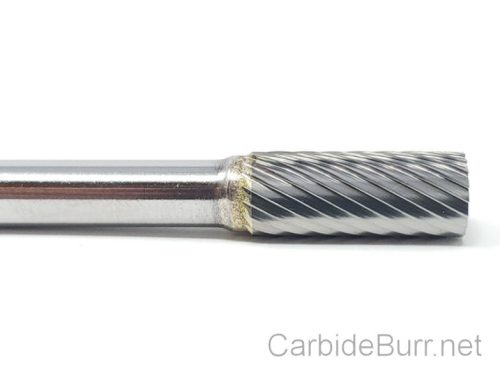
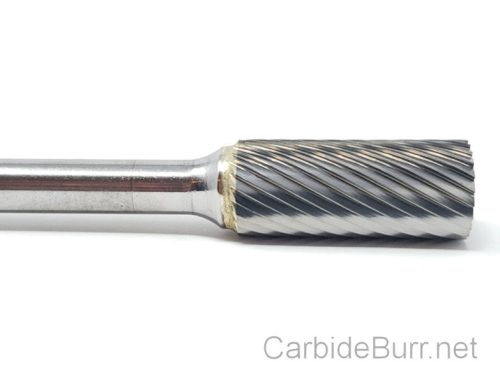
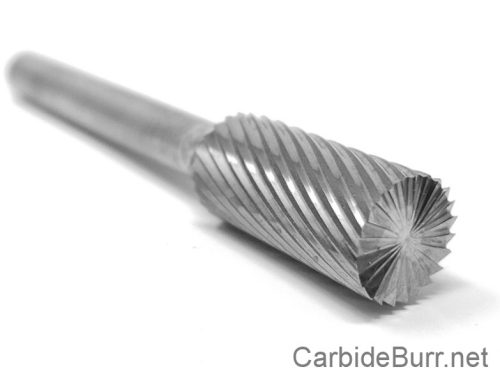
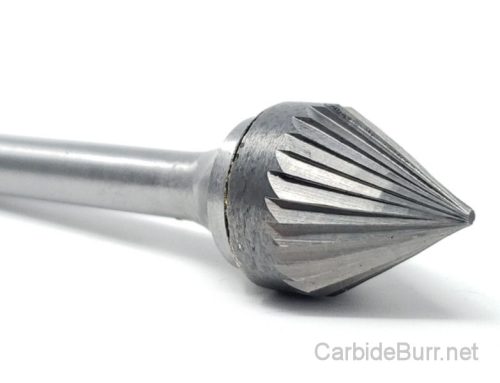
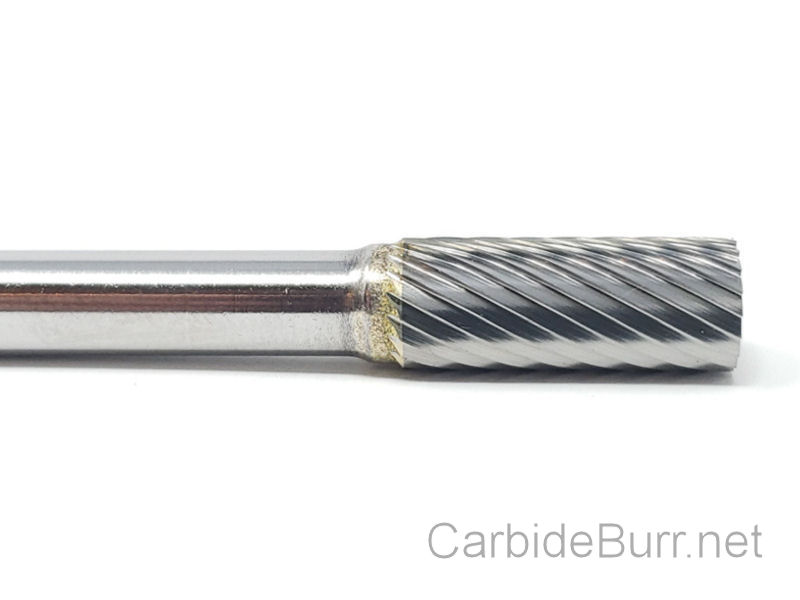
Carbide burrs are small but powerful tools used to cut, shape, and grind. They are made of tungsten carbide, a material known for its durability and hardness. These burrs are commonly used in metalworking and woodworking, offering versatility for detailed work. Their primary function is to remove excess material from surfaces, making them ideal for precision tasks. You can learn more about carbide burrs and their applications across various industries.
Role in Exhaust Porting
In exhaust porting, carbide burrs provide the precision needed to reshape and refine exhaust passages. They help in smoothing out irregularities and improving the flow of exhaust gases. This process significantly enhances engine performance, allowing for better horsepower and efficiency. Most people think that only major modifications improve performance, but using the right burrs can make a substantial difference.
Selecting the Right Burr
Choosing the right carbide burr involves considering the material you’re working with and the desired outcome. Different burr shapes and sizes are suited to various tasks, such as cutting, deburring, or finishing. When selecting a burr, think about the material’s hardness and your project’s specific needs. For insights on selecting the right cut type for your task, check out this guide.
Techniques for Exhaust Porting
Now that you understand the importance of carbide burrs, let’s delve into some techniques for exhaust porting that will refine your engine’s performance.
Material Removal Methods
Material removal is the first step in exhaust porting. It involves using carbide burrs to eliminate excess material and smooth out surfaces. This step prepares the exhaust ports for reshaping. Use consistent pressure and a steady hand to ensure even material removal. Remember, patience is key; rushing can lead to mistakes.

Reshaping Exhaust Passages
Reshaping is where you give the exhaust ports their new form. Carbide burrs allow you to precisely control the shape and flow of the ports. This step is crucial for optimizing how gases exit the engine. Focus on creating a smooth path for exhaust gases, avoiding sharp angles or abrupt changes.
Optimizing Flow Characteristics
The goal of exhaust porting is to improve the flow of gases, which directly impacts engine performance. By reshaping the passages and removing restrictions, you can enhance the engine’s power output. Keep an eye on airflow patterns and adjust as necessary to ensure optimal performance.
Choosing Burr Shapes and Sizes
Selecting the right burr shapes and sizes can significantly affect your exhaust porting success. Here’s how to make the best choice.
Matching Burrs to Configurations
Different engine configurations require different burr shapes and sizes. For example, spherical burrs are great for enlarging holes, while cylindrical burrs are perfect for smooth flat surfaces. Consider the specific needs of your engine and choose accordingly.
Factors in Burr Selection
When choosing a burr, consider factors such as material compatibility, desired finish, and the complexity of the task. The right choice will depend on a balance of these elements, ensuring efficiency and precision in your work.
Impact on Horsepower and Torque
Proper selection and use of carbide burrs can lead to noticeable improvements in horsepower and torque. By optimizing the exhaust flow, you can achieve a more powerful and responsive engine. Don’t underestimate the impact of fine-tuning these small details.
Tips for High-Quality Finishing
Achieving a high-quality finish is the final step in exhaust porting. It ensures that all your hard work results in optimal performance.

Achieving a Smooth Finish
A smooth finish is essential for reducing turbulence in exhaust gases. Use fine-grit burrs for this step, applying even pressure to achieve a polished surface. This will aid in the efficient flow of gases and improve overall engine performance.
Enhancing Airflow and Performance
Improving airflow is all about minimizing resistance. Smooth, polished surfaces help reduce drag and improve gas flow, leading to better engine performance. Keep refining until you achieve the desired results.
Common Mistakes to Avoid
Avoid common pitfalls like using incorrect burr sizes or shapes, rushing the process, or neglecting safety measures. These mistakes can compromise your project’s success and potentially damage your engine.
Safety Practices and Maintenance
Safety and proper maintenance are critical when working with carbide burrs. Here’s what you need to know to keep your projects safe and precise.
Essential Safety Gear
Always wear safety gear like goggles, gloves, and masks to protect yourself from debris and dust. Safety should never be an afterthought; it’s a crucial part of every project.
Proper Burr Maintenance
Regular maintenance of your carbide burrs ensures longevity and performance. Clean your burrs after each use and store them properly to prevent damage or wear. This will extend their life and maintain their cutting efficiency.
Ensuring Project Precision
Precision is key in exhaust porting. Double-check your work, measure carefully, and make adjustments as needed. Taking the extra time to ensure accuracy will pay off in the form of enhanced engine performance.
Frequently Asked Questions
What are the benefits of using carbide burrs in exhaust porting?
Carbide burrs offer precision and control, enabling you to reshape exhaust ports effectively. This leads to improved airflow, increased horsepower, and enhanced engine performance.
How do I choose the right carbide burr for my project?
Consider the material you’re working with and the desired finish. Match the burr shape and size to the specific task, ensuring compatibility with your engine type and project needs.

What safety precautions should I take when using carbide burrs?
Always wear safety goggles, gloves, and a mask to protect against debris and dust. Ensure your workspace is well-ventilated and free of hazards to maintain a safe environment.
Can improper use of carbide burrs damage my engine?
Yes, incorrect use can lead to uneven surfaces or excessive material removal, potentially harming engine components. Follow best practices and take your time to ensure precision.
How often should I maintain my carbide burrs?
Clean and inspect your carbide burrs after each use. Regular maintenance, including proper cleaning and storage, will prolong their lifespan and maintain cutting efficiency.

Follow Us On Social Media for Special Offers
Facebook – Twitter – Instagram – Youtube
Carbide Burrs on 1/4″ Shanks – Solid Carbide Burrs – 1/4″ Carbide Burrs on 1/8″ Shanks – Long Shank Carbide Burrs – NF Carbide Burrs – Carbide Burr Sets – End Mills – Accessories
Order Tracking – Dropship Carbide Burr Tools – Contact Us – Cut Options – Coupon Codes – Posts
(513) 899-2610
PO Box 197 – Morrow Ohio 45152