How Many RPM Should You Run a Carbide Burr? Complete Speed Guide
Running your carbide burr at the wrong speed wastes time and wears out tools faster than necessary. Many machinists struggle to find the right carbide burr RPM for different materials and tasks. This burr speed guide breaks down the ideal speeds for shaping, deburring, and engraving, helping you improve machining practices while cutting down on tool wear and keeping your workspace safe. For more insights, check out mastering carbide burr RPM settings for superior metal cutting.
Understanding Carbide Burrs
Carbide burrs are essential tools in metalworking, offering versatility and precision. Understanding their uses and benefits can help you harness their full potential.
What Are Carbide Burrs?
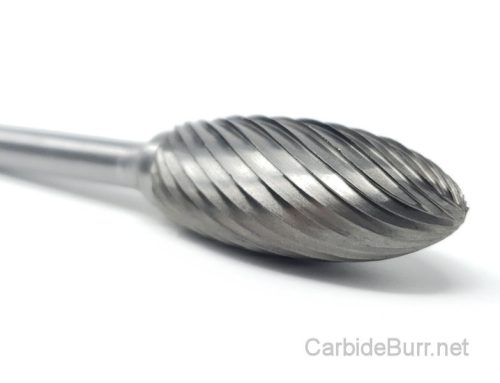
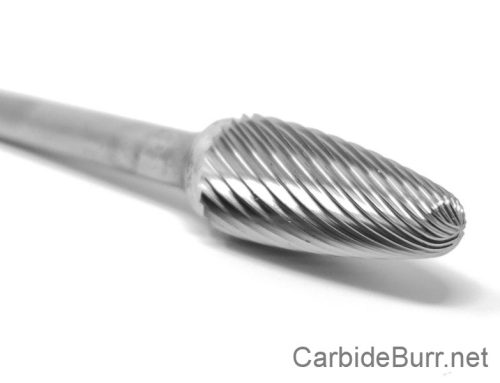
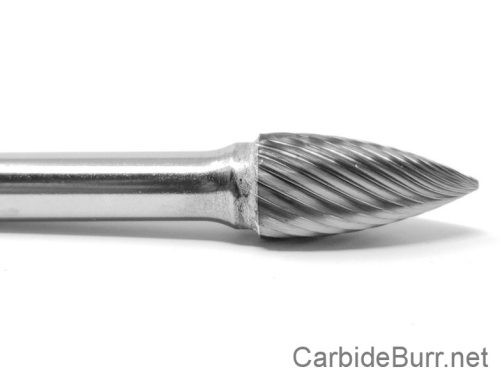
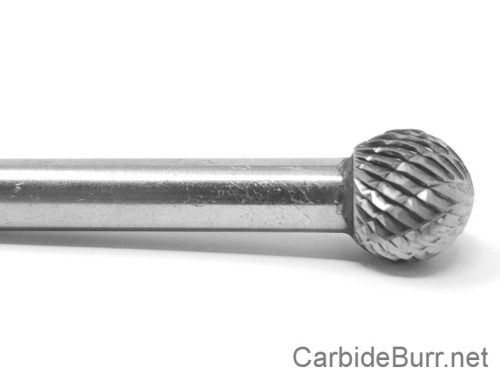
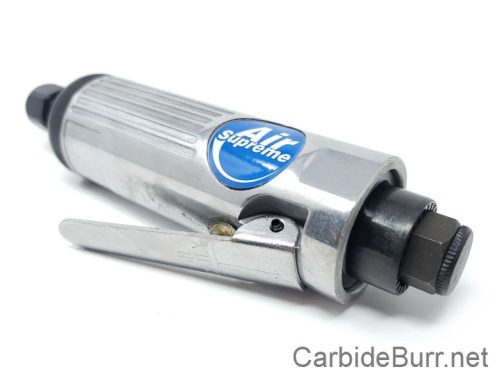
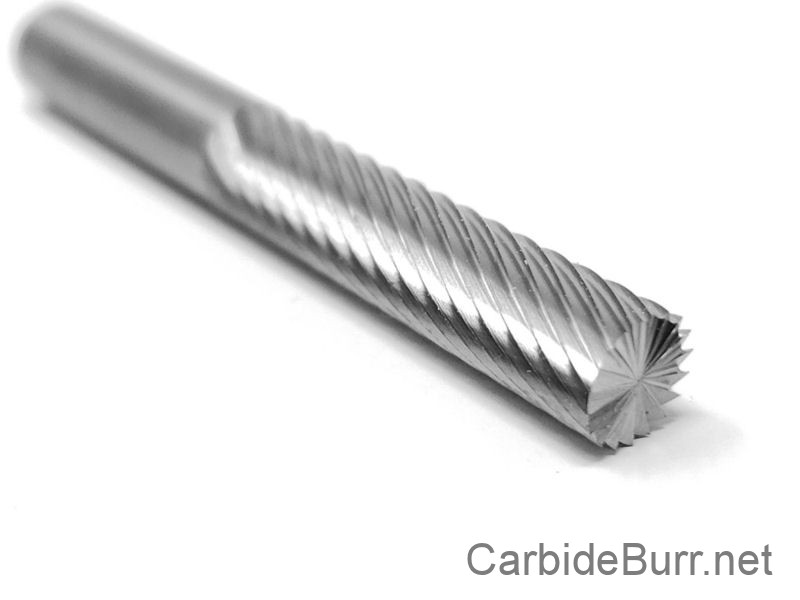
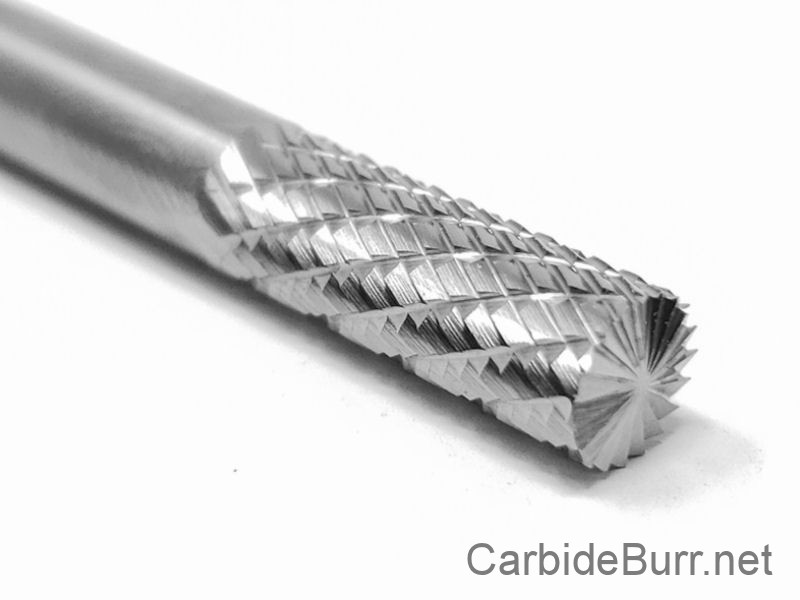
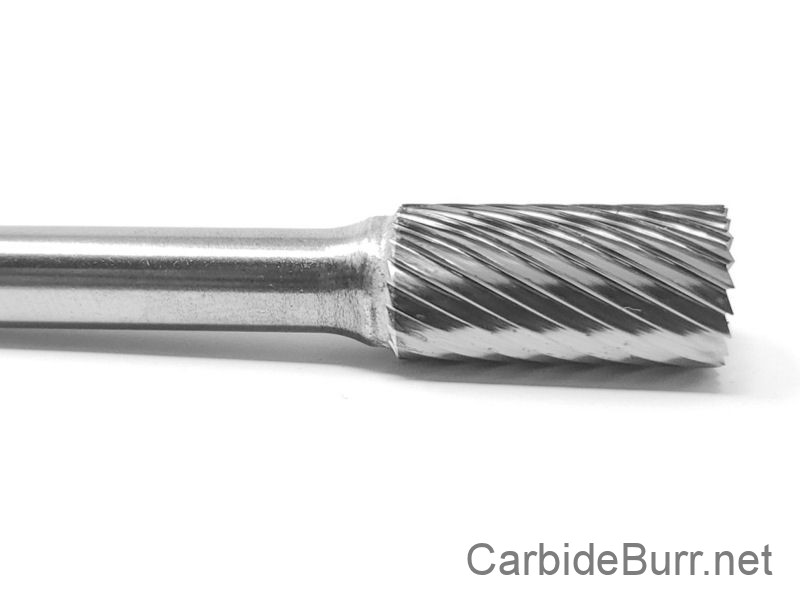
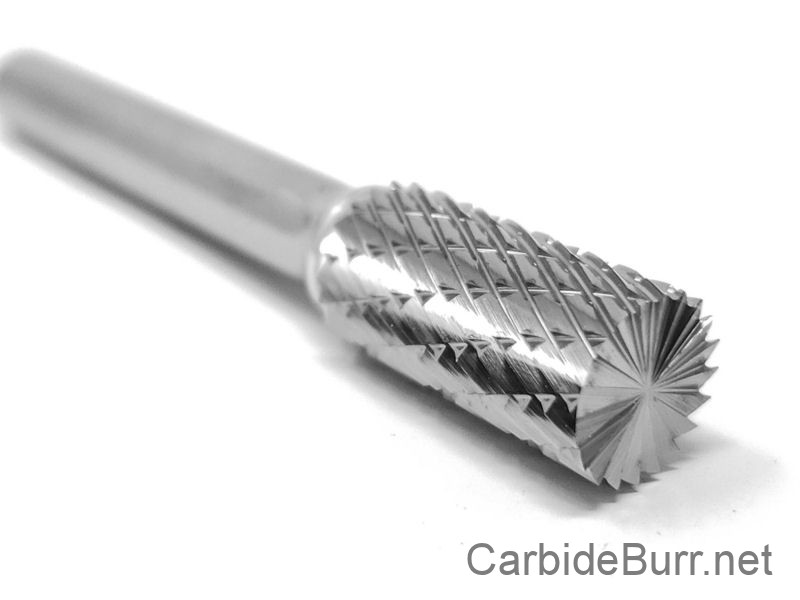
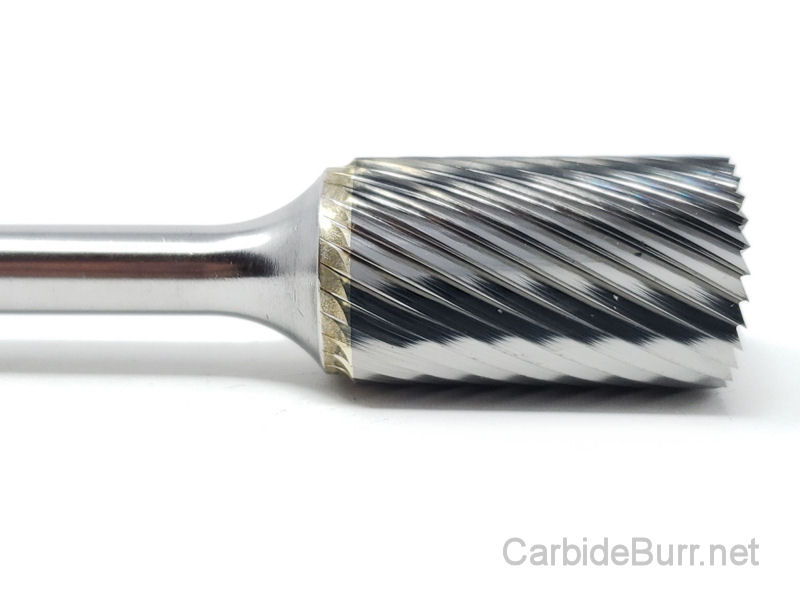
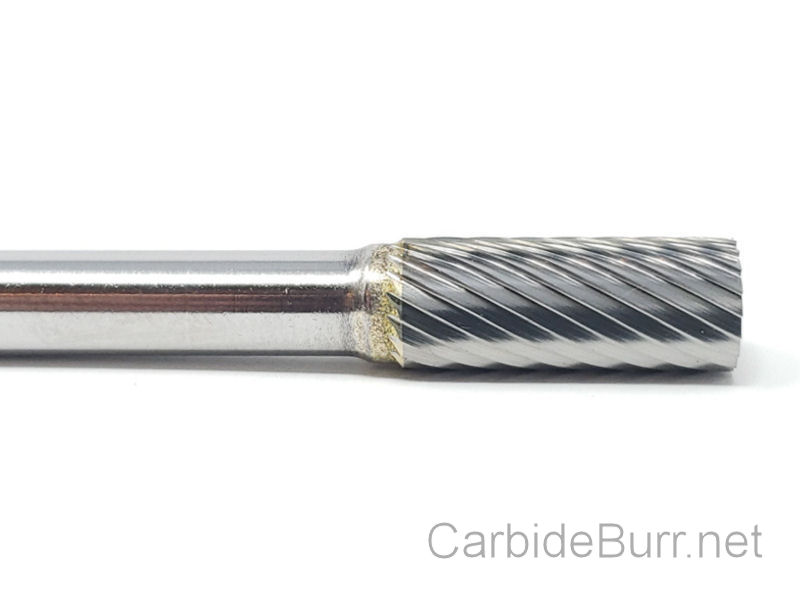
Carbide burrs are rotary tools used for cutting, shaping, and grinding materials. They are made from tungsten carbide, a material known for its hardness and durability. This allows them to maintain sharp edges and resist wear even under high-speed conditions. Carbide burrs come in various shapes and sizes, each designed for specific tasks and materials. They are commonly used with a rotary tool or die grinder to perform intricate cutting and finishing tasks.
Common Uses for Carbide Burrs
Carbide burrs are used across various industries, including metalworking, woodworking, and automotive repairs. They are ideal for tasks like deburring sharp edges, shaping metal, and engraving intricate designs. For instance, machinists often use carbide burrs to create smooth finishes on metal surfaces. Artists and craftsmen also rely on them to bring fine details to life. The ability to handle complex jobs makes carbide burrs a staple in both industrial and creative settings.
Benefits of Using Carbide Burrs
Using carbide burrs offers several advantages. Their durability means they last longer than many other cutting tools, which reduces the need for frequent replacements. They also provide precision, allowing for detailed work that is difficult to achieve with other tools. Carbide burrs can operate at high speeds, increasing productivity by reducing the time needed for each task. With the right RPM settings, you can minimize tool wear and improve machining practices.
Determining Optimal RPM
Finding the right RPM for your carbide burr is crucial to achieving the best results. Various factors determine the ideal speed.
Factors Influencing RPM
Several elements affect the optimal RPM for using carbide burrs. The material you are working with is a primary factor. Harder materials generally require slower speeds to prevent overheating and damage. The size of the burr also plays a role. Larger burrs typically need lower RPMs compared to smaller ones to maintain control and precision. Lastly, the specific task you’re performing, like shaping or engraving, will influence the speed settings.
How Material Type Affects RPM
The type of material you’re working with directly impacts the RPM you should use. Softer materials, like wood or plastic, can handle higher speeds. In contrast, harder materials, such as steel or stone, require slower speeds to avoid excessive heat and wear. For example, when working with aluminum, you might use a higher RPM compared to when you’re cutting through stainless steel. Always start with a lower speed and adjust as necessary to find the sweet spot for your specific material.
Burr Size and RPM
Burr size is another critical factor in determining the correct RPM. Larger burrs need lower RPMs to ensure stability and control during operation. Smaller burrs can be operated at higher speeds, which is useful for precision tasks. When you choose a burr, consider both its size and the material you are working on to select the appropriate RPM. This balance helps in maintaining accuracy and reduces strain on your tools.
Recommended RPM for Different Applications
Different applications require varying RPM settings to achieve the best results. Let’s explore the ideal speeds for common tasks.
Shaping and Sculpting
When shaping and sculpting, precision is key. A balanced RPM ensures smooth cuts and reduces chatter. For shaping, you might use speeds between 10,000 to 25,000 RPM depending on the material. Softer materials allow for higher speeds, while harder ones need a more controlled approach. Always test on a scrap piece to gauge the perfect speed for your project.
Deburring Techniques
Deburring is essential for cleaning up rough edges after cutting or welding. For deburring, you’ll often need a stable RPM to avoid damaging the surface. A range of 8,000 to 15,000 RPM is common for most metals. This speed allows for effective removal of burrs without compromising the integrity of the material. Remember that using too high a speed can create additional burrs, defeating the purpose of the task.
Engraving Tips and Tricks
Engraving requires finesse and control. Lower RPMs, usually between 5,000 to 10,000, give you the precision needed for fine details. When engraving, it’s crucial to maintain a consistent speed to avoid uneven lines and depth. Adjust the RPM based on the intricacy of the design and the material’s hardness to achieve clean, professional results.
Enhancing Machining Practices
Improving your machining practices involves understanding how to use your tools effectively. Here are some insights on optimizing your work with carbide burrs.
Reducing Tool Wear
To reduce tool wear, ensure your RPM settings match the material and task. Using the wrong speed can cause overheating and dull the burr faster. Regularly check your tools for signs of wear or damage. Replace burrs that have become dull to maintain quality results. Proper maintenance extends the life of your tools and enhances productivity.
Ensuring Safety in Machining
Safety is paramount when working with high-speed tools. Always wear appropriate protective gear, such as goggles and gloves. Secure your workpiece to prevent it from moving during operation. Be aware of your tool’s speed and adjust accordingly to maintain control. By prioritizing safety, you minimize the risk of accidents and create a safer work environment.
Creating a Carbide Burr Speed Chart
A carbide burr speed chart is a handy reference for selecting the right RPM quickly. List common materials and the recommended RPM ranges for each. Update your chart as you gain experience and refine your settings. Having a speed chart reduces guesswork and ensures consistent results in your projects.
Practical Tips for Using Carbide Burrs
Practical tips can help you get the most out of your carbide burrs and avoid common pitfalls.
Choosing the Right Tool
Selecting the right tool involves matching the burr type and size to your task. Consider the material you’re working with and the desired outcome. A well-chosen tool simplifies the process and enhances the quality of your work. For more guidance, explore carbide burrs for beginners.
Maintaining Your Equipment
Regular maintenance keeps your equipment in top condition. Clean burrs after each use to prevent material buildup. Inspect them for wear and replace when necessary. Proper care ensures your tools perform at their best and last longer, saving you time and money in the long run.
Common Mistakes to Avoid
Avoid common mistakes like using the wrong RPM or applying excessive pressure, as these can damage both the tool and the workpiece. Always start with a lower speed and increase gradually. Pay attention to the sound and feel of the tool as you work. Correcting these mistakes leads to better outcomes and prolongs tool life.
Frequently Asked Questions
What is the ideal RPM for carbide burrs?
The ideal RPM varies based on the material and task. Generally, it ranges from 5,000 to 25,000 RPM. Softer materials allow higher speeds, while harder ones require slower settings.
How do I prevent tool wear with carbide burrs?
To prevent tool wear, use the correct RPM for the material, maintain your tools, and replace dull burrs promptly. Regular cleaning and inspection also help extend tool life.
Why is RPM important when using carbide burrs?
RPM is crucial because it affects the precision and quality of your work. The right speed ensures efficient cutting, reduces tool wear, and minimizes the risk of accidents.
Can I use carbide burrs on any material?
Carbide burrs can be used on a variety of materials, including metals, wood, and plastics. Always choose the appropriate burr type and RPM for the specific material to achieve the best results.
What safety precautions should I take with carbide burrs?
Wear protective gear, secure your workpiece, and start at a lower speed. Adjust the RPM as needed for control and precision. Following safety measures reduces the risk of injury.
Follow Us On Social Media for Special Coupons
Facebook – Twitter – Instagram – Youtube
Carbide Burrs on 1/4″ Shanks – Solid Carbide Burrs – 1/4″ Carbide Burrs on 1/8″ Shanks – Long Shank Carbide Burrs – NF Carbide Burrs – Carbide Burr Sets – End Mills – Accessories
Order Tracking – Dropship Carbide Burr Tools – Contact Us – Cut Options – Coupon Codes – Posts
(513) 899-2610
PO Box 197 – Morrow Ohio 45152