Carbide Burr Terminology Explained: A Beginner’s Dictionary
Carbide burrs come with their own language, and if you’re new to beginner machining, that jargon can make a simple project feel overwhelming. Terms like flute design, cutting angles, and shank sizes often get tossed around without clear explanation. This guide breaks down essential carbide burr terminology, so you can follow conversations about fabrication tools with confidence and make smarter choices for your projects. Keep reading to get a clear picture of what these terms really mean. Learn more about selecting the perfect carbide burr for your first project.
Understanding Carbide Burr Basics
Before we dive deep into the terminology, it’s essential to grasp the basic concept of carbide burrs and their role in machining.
What is a Carbide Burr?
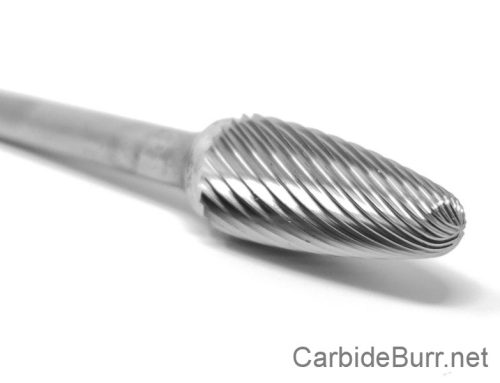
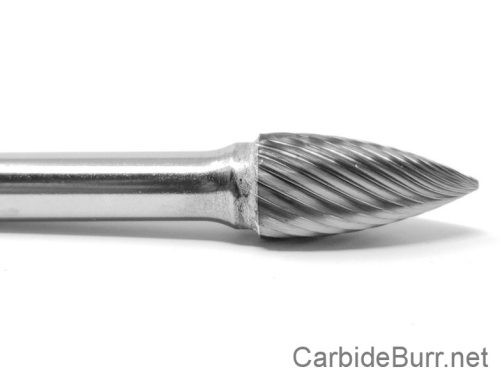
A carbide burr is a small cutting tool used for grinding, shaping, and removing excess material. They’re made of tungsten carbide, a material known for its durability and hardness. Burrs come in various shapes and sizes, allowing them to tackle different tasks with precision. When you use a carbide burr, you’re engaging with a tool that offers precision in detail work and smooth finishes in machining projects.
Key Benefits of Carbide Burrs
Carbide burrs offer several advantages that make them a preferred choice in machining. Their hard-wearing nature means they last longer than other materials, leading to cost savings over time. Plus, they provide a high-quality finish, ensuring your projects look professional. The versatility of carbide burrs allows them to handle a wide range of materials, from metals to plastics, making them indispensable in any toolkit.
Common Applications in Machining
You’ll find carbide burrs used in many industries due to their versatility. They’re perfect for deburring, shaping, and smoothing surfaces. Whether you’re working on metal, wood, or plastic, these tools can handle the job. In automotive repairs, they help in fine-tuning engine parts. In woodworking, they create intricate designs and smooth edges. Their ability to perform in diverse settings makes them a staple in machining.
Essential Machining Terminology
Now that you’re familiar with the basics, let’s break down some key machining terms that often accompany discussions about carbide burrs.
Understanding Flute Design
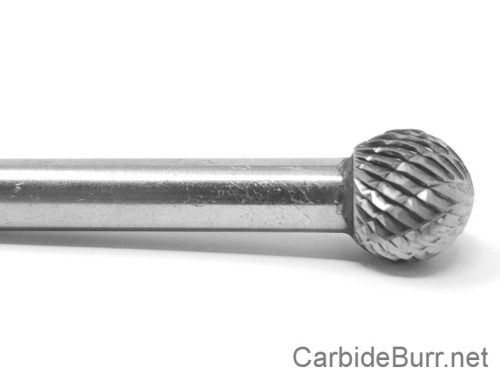
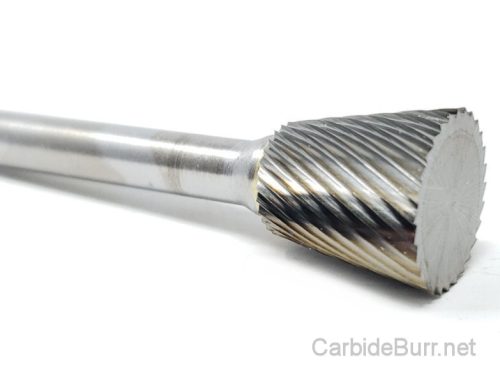
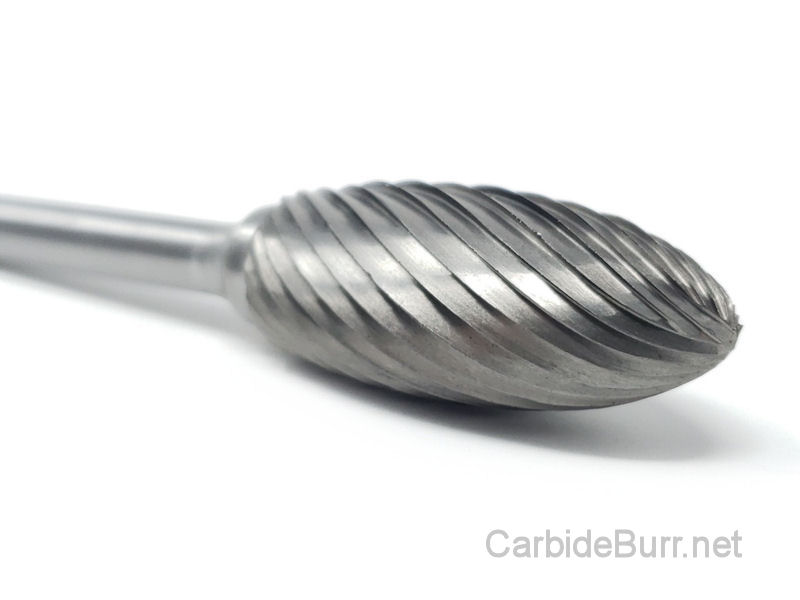
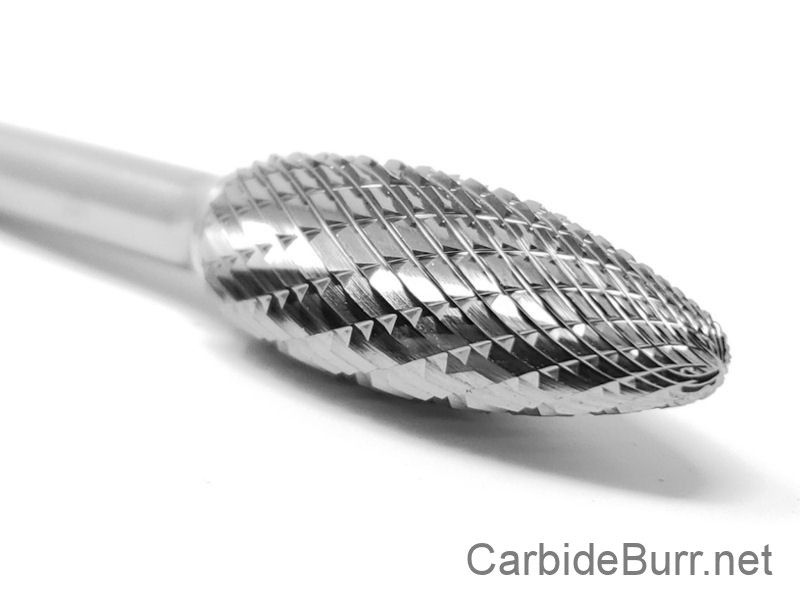
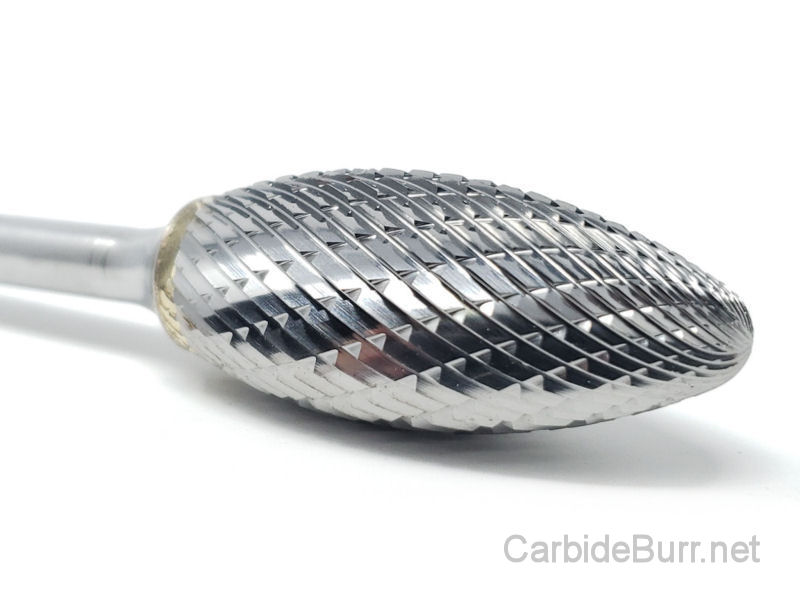
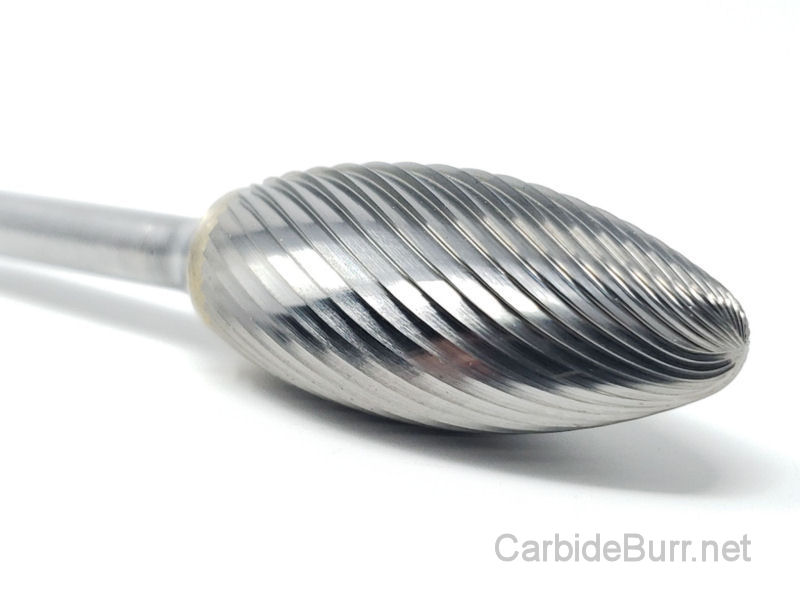
Flute design in carbide burrs refers to the grooves along the burr that aid in cutting and removing material. Different flute designs suit different materials and tasks. For example, single-cut burrs with fewer flutes are excellent for soft materials like wood. In contrast, double-cut burrs, which have more flutes, work best on hard materials like metals, as they provide a smoother finish and reduce chatter.
Key Cutting Angles Explained
Cutting angles are critical in determining how effectively a burr removes material. The angle affects the cutting speed and finish. A steep angle allows for aggressive cutting, suitable for tough materials. Shallower angles provide a finer finish, ideal for detailed work. Understanding these angles helps you choose the right burr for your task, ensuring efficiency and precision in your projects.
The Importance of Shank Sizes
The shank size of a burr refers to its diameter, which determines its compatibility with different rotary tools. Standard sizes include 1/4 inch and 1/8 inch. Larger shanks are suited for heavy-duty tasks, while smaller sizes excel in detailed work. Choosing the correct shank size ensures stability and control during use, a crucial factor for both safety and quality.
Navigating Tool Jargon
Understanding the nuances of tool jargon is essential to making informed decisions in machining.
Decoding Burr Shapes
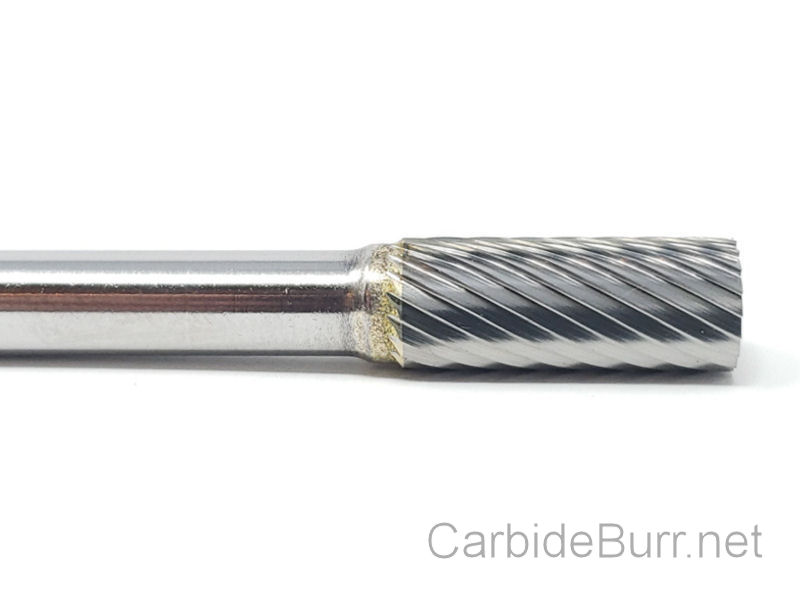
Carbide burrs come in various shapes, each designed for specific tasks. For instance, cylindrical burrs are perfect for flat surfaces and contours, while ball-shaped burrs are ideal for creating concave cuts. Recognizing these shapes and their applications allows you to tackle projects with precision and confidence, ensuring the best results.
Material Compatibility Tips
Not all burrs work equally well with every material. For example, aluminum-cut burrs are designed to prevent clogging when working with soft metals. Meanwhile, high-quality burrs made for steel can handle harder materials. Knowing which burr to use with specific materials not only enhances efficiency but also extends the lifespan of your tools.
Choosing the Right Burr for Beginners
As a beginner, selecting the right burr can feel daunting. Start with a basic set that includes a variety of shapes and sizes. Focus on versatility, ensuring your selection covers a range of materials and tasks. Investing in quality tools at the outset means you’ll encounter fewer issues and enjoy smoother results as you develop your skills.
Practical Examples and Tips
With a solid understanding of carbide burrs, let’s explore practical applications and tips to enhance your machining projects.
Beginner Machining Projects
Beginners often start with simple projects like smoothing welds or creating grooves. These tasks help you get comfortable with the tool’s handling and cutting abilities. As you gain confidence, you can progress to more complex projects, such as shaping intricate designs or refurbishing metal surfaces.
Fabrication Tools for Newcomers
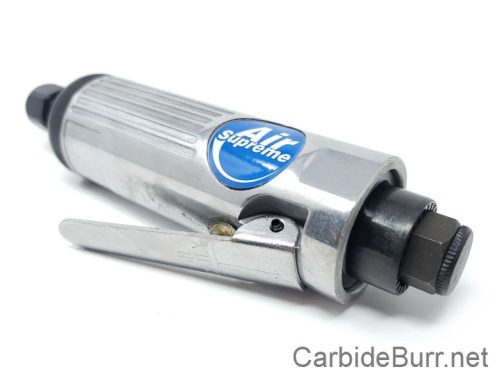
Starting out in machining requires a few essential tools alongside carbide burrs. A dependable rotary tool, safety glasses, and a sturdy workbench form the foundation of any workshop. As you grow your skills, you might add specialized items like clamps or a vice, which assist in stabilizing your workpiece for more precise cuts.
Making Informed Decisions in Machining
Informed decision-making in machining involves understanding your tools’ capabilities and limitations. Always consider the material, the desired finish, and the specifics of the task at hand. By aligning these factors, you can select the appropriate burr, leading to efficient, high-quality results. Remember, practice and experience are your best guides in mastering machining.
Frequently Asked Questions
What is a carbide burr used for?
A carbide burr is used for grinding, shaping, and removing material from various surfaces such as metal, wood, and plastic. Its durable construction makes it ideal for precision tasks requiring detailed finishing.
How do I choose the right carbide burr?
To choose the right carbide burr, consider the material you’re working with and the task at hand. Different shapes and flute designs are suited for specific applications, so select a burr that matches your needs for the best results.
Why are carbide burrs preferred over other materials?
Carbide burrs are preferred for their durability and precision. Made from tungsten carbide, they last longer and provide a superior finish compared to burrs made from other materials, making them a cost-effective choice for many projects.
Can carbide burrs be used on plastic?
Yes, carbide burrs can be used on plastic. They offer clean cuts and smooth finishes, making them suitable for shaping and detailing plastic components in various applications.
What are the standard shank sizes for carbide burrs?
The standard shank sizes for carbide burrs are 1/4 inch and 1/8 inch. Choosing the correct size ensures compatibility with your rotary tool and provides stability and control during use.
Follow Us On Social Media for Special Coupons
Facebook – Twitter – Instagram – Youtube
Carbide Burrs on 1/4″ Shanks – Solid Carbide Burrs – 1/4″ Carbide Burrs on 1/8″ Shanks – Long Shank Carbide Burrs – NF Carbide Burrs – Carbide Burr Sets – End Mills – Accessories
Order Tracking – Dropship Carbide Burr Tools – Contact Us – Cut Options – Coupon Codes – Posts
(513) 899-2610
PO Box 197 – Morrow Ohio 45152