Unlocking Engine Performance: A Guide to Choosing the Best Carbide Burrs for Cylinder Head Porting
You’ve spent hours porting your cylinder heads but still can’t get the airflow right. Picking the wrong carbide burrs throws off your entire engine performance upgrade. This guide breaks down the best burr shapes—flame, tree, and ball—and how each one fits specific porting tasks. Keep reading to find the right tools for porting that help you maximize horsepower and torque on every build. For more insights, check out this resource on boosting engine horsepower.
Understanding Carbide Burrs
Carbide burrs are essential tools for automotive enthusiasts looking to fine-tune their engine’s performance. Let’s explore why these tiny tools are a big deal in cylinder head porting.
Overview of Carbide Burrs
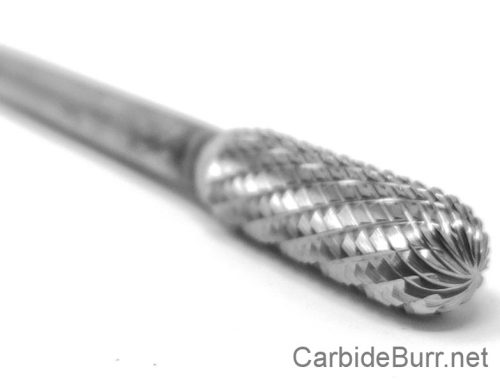
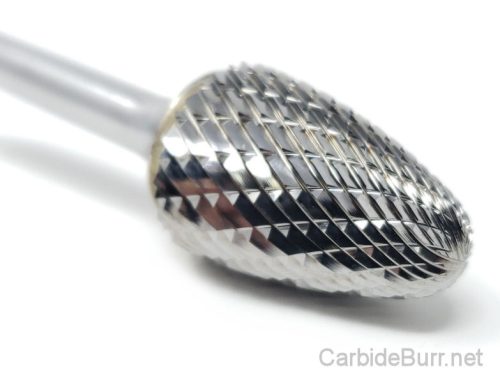
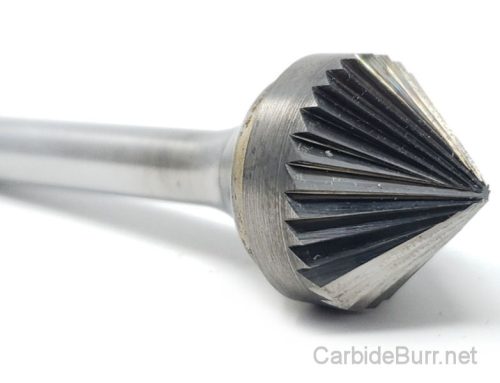
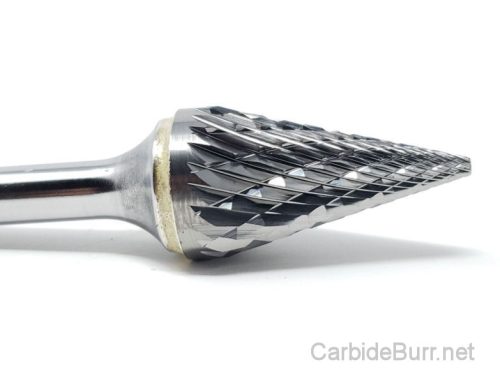
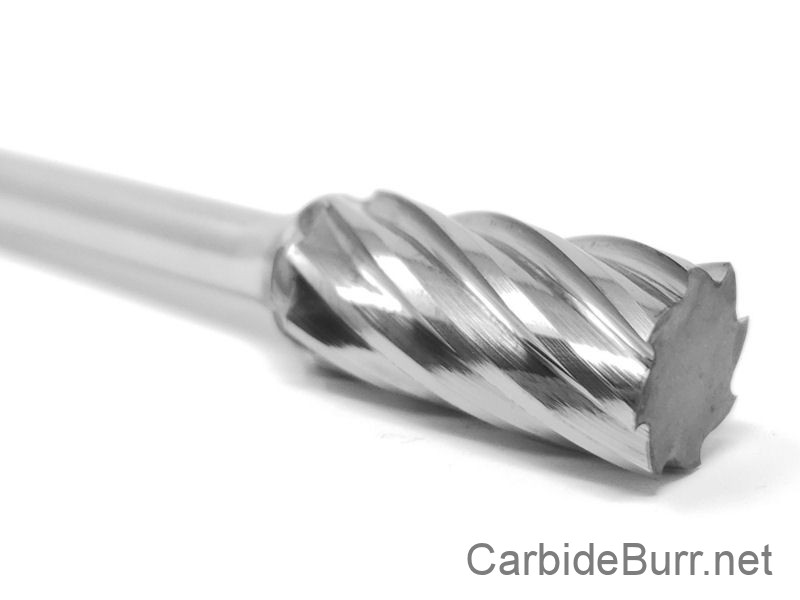
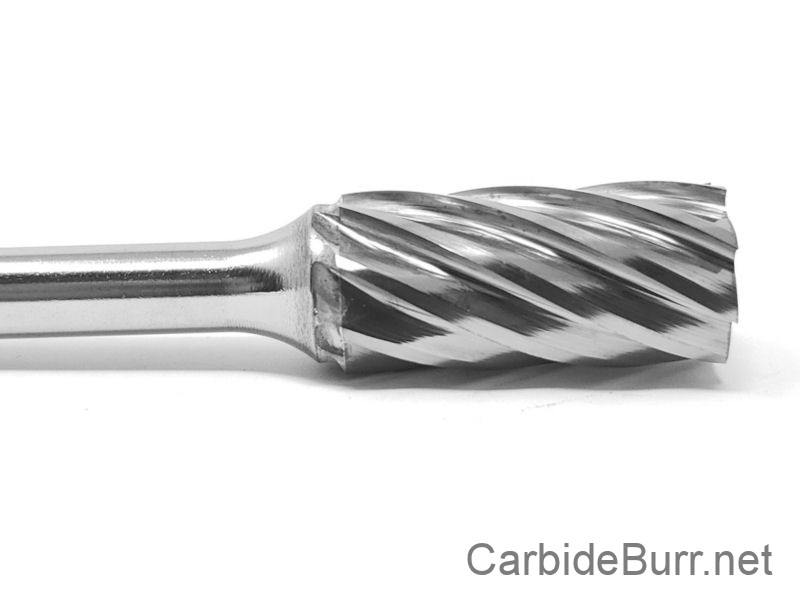
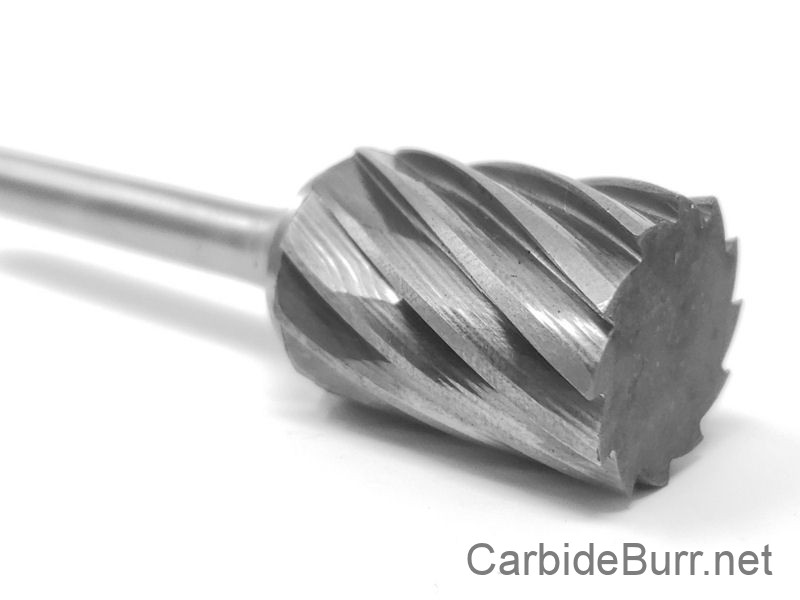
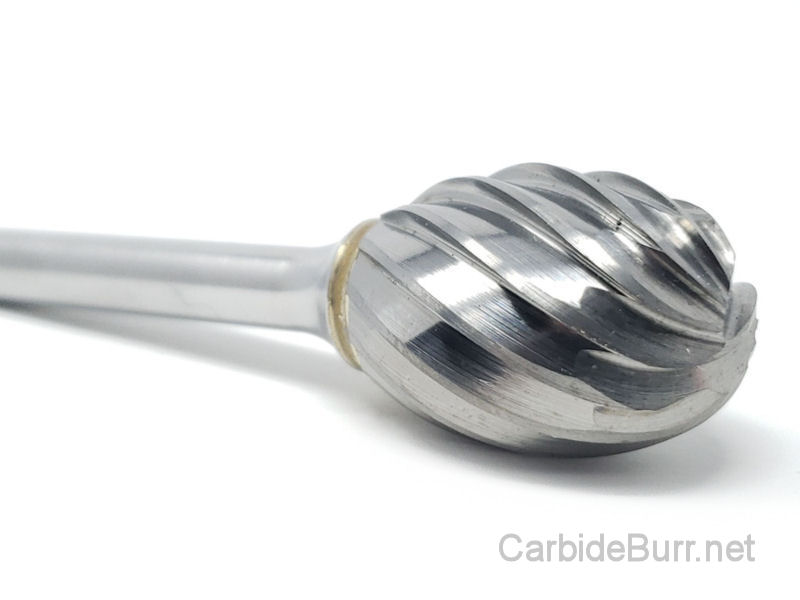
Carbide burrs are small, rotary cutting tools used to shape and smooth various materials. They come in different shapes and sizes to fit specific tasks. Commonly used in automotive work, these burrs help refine and perfect the internal surfaces of cylinder heads, playing a crucial role in engine upgrades.
Importance in Cylinder Head Porting
Cylinder head porting involves modifying the intake and exhaust ports of an engine to improve airflow. By using the right carbide burrs, you can achieve precise cuts and smooth finishes, which are vital for optimizing airflow. This directly influences how well your engine breathes, impacting overall performance.
Impact on Engine Performance
The right burrs can significantly enhance engine performance by optimizing airflow. Better airflow means more efficient fuel combustion, leading to increased horsepower. When you get the burr choice right, your engine runs smoother and more powerfully, making your modifications truly worth the effort.
Types of Burr Shapes
Understanding different burr shapes is essential for selecting the right tool for your porting project. Each shape serves a unique purpose in achieving desired outcomes.
Flame Burrs Explained
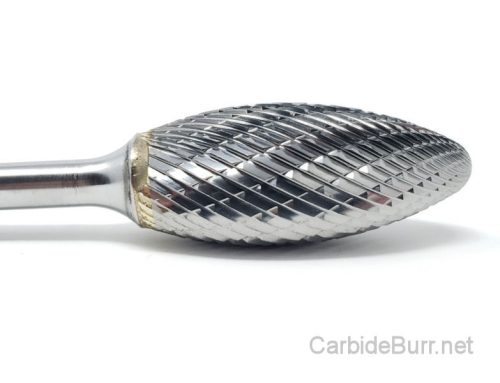
Flame burrs are designed for precision work in tight spaces. Their shape allows you to create smooth contours and remove material with ease. They are particularly useful for finishing and detailing tasks, ensuring that your cylinder head modifications are both accurate and effective.
Exploring Tree Burrs
Tree burrs are perfect for cutting in narrow spots. Their tapered design helps in reaching difficult areas and making intricate cuts. Whether you’re widening ports or cleaning up edges, tree burrs provide the control needed for meticulous work. Using these can significantly improve the flow within your engine.
Advantages of Ball Burrs
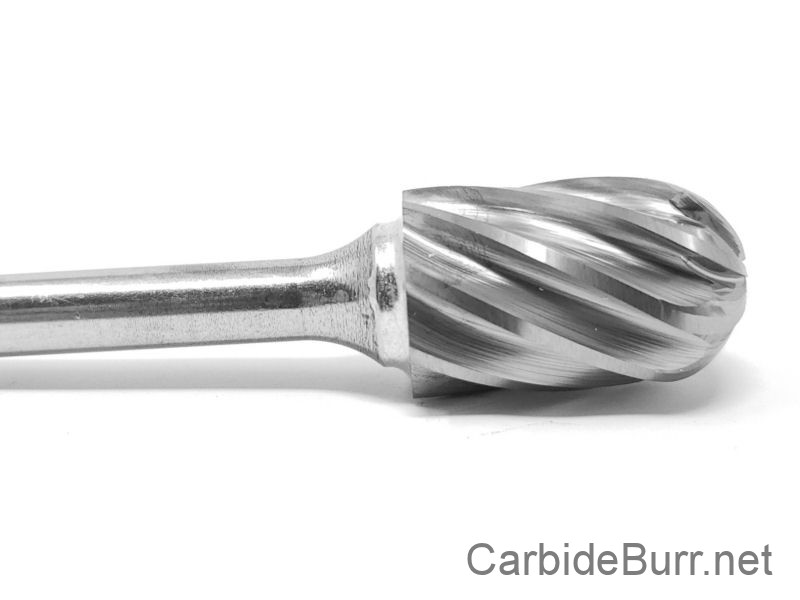
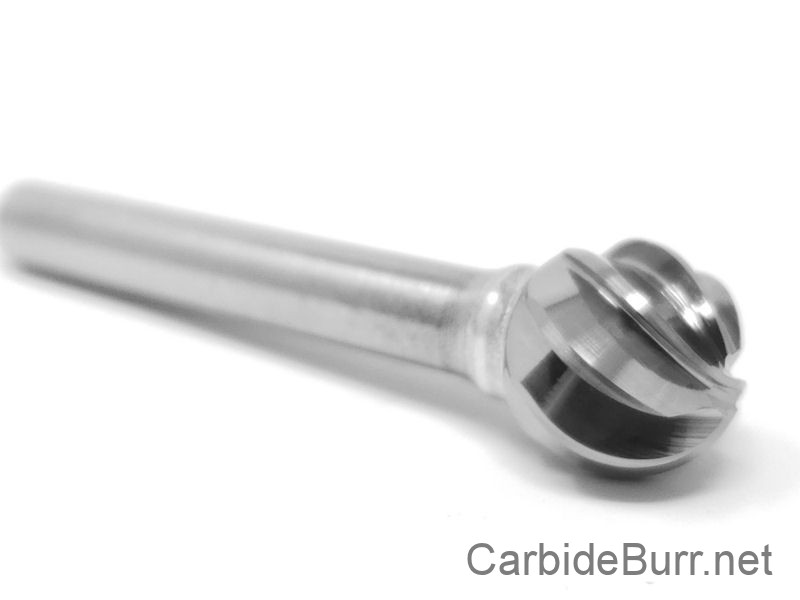
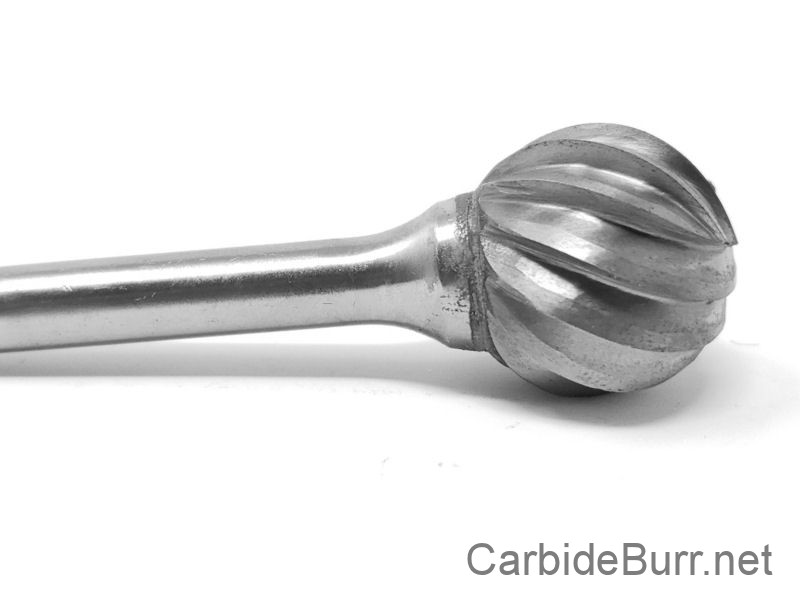
Ball burrs excel in creating rounded cuts and smoothing out surfaces. If your goal is to remove casting marks and polish the ports, ball burrs are your best bet. They offer versatility and ease of use, making them a favorite among many DIY enthusiasts. By using ball burrs, you can achieve a polished finish, enhancing both performance and appearance.
Selecting the Right Burr
Choosing the right burr involves considering the material you’ll work on and the results you aim to achieve. Let’s dive into these aspects.
Material Considerations
Before selecting a burr, consider the material of the cylinder head. Aluminum and cast iron are common, each requiring different burr types. Aluminum is softer, so you need burrs that avoid clogging. For harder materials like cast iron, choose burrs with more aggressive cutting edges to ensure efficiency.
Matching Burrs to Desired Outcomes
The type of work you plan to do impacts your burr choice. For instance, if you’re focusing on enlarging ports, tree burrs are ideal. For smoothing and polishing, ball burrs are suitable. Matching the burr to the task at hand ensures optimal results and prevents unnecessary wear on your tools.
Expert Tips for Selection
Experts recommend having a variety of burrs on hand to tackle different tasks. Invest in quality burrs that last longer and perform better. It’s also wise to start with light pressure and increase as needed, preserving both the workpiece and the tool. For more insights, visit this guide on selecting carbide burrs.
Porting Tools and Techniques
Having the right tools and mastering techniques is crucial for successful porting. Let’s explore what’s needed to get the job done.
Essential Tools for Porting
Aside from carbide burrs, you’ll need a die grinder to power these tools. Safety gear like goggles and gloves is non-negotiable. A sturdy workbench and clamps keep everything steady, preventing accidents and ensuring precise work.
Techniques for Airflow Optimization
Proper technique is key to optimizing airflow. Focus on creating smooth transitions and eliminating sharp edges within the ports. Regularly check your progress to avoid over-removal of material. This careful approach results in a more efficient engine.
Maximizing Horsepower and Torque
To truly maximize horsepower and torque, it’s essential to combine the right tools with the right techniques. Consistently check airflow improvements using a flow bench, and make adjustments as needed. This iterative process helps you achieve the best possible performance for your engine.
Expert Insights and Recommendations
Learning from experts can save time and frustration. Here are some valuable insights for achieving success in cylinder head porting.
Professional Advice for Enthusiasts
Professionals suggest starting with simple projects to build confidence. As you gain experience, tackle more complex porting tasks. Always keep learning and adapting your techniques. This approach ensures continuous improvement and success in your endeavors.
Common Mistakes to Avoid
Avoid using the wrong burrs for the material, as it can lead to poor results and tool damage. Over-removal of material is another common mistake. Take your time to assess the work frequently, ensuring that you stay on track with your modifications.
Success Stories in Cylinder Head Porting
Many enthusiasts have achieved impressive results by carefully selecting the right burrs and techniques. These success stories often involve significant gains in horsepower and torque, demonstrating the impact of effective porting. With patience and persistence, you too can achieve similar results.
Frequently Asked Questions
What are carbide burrs used for?
Carbide burrs are used for shaping, smoothing, and detailing various materials. In automotive settings, they’re crucial for modifying cylinder heads to improve engine performance.
How do I choose the right burr shape?
Choose based on your task: flame burrs for precision, tree burrs for tight spots, and ball burrs for smoothing. Consider the material and desired outcome to guide your selection.
Can porting increase engine horsepower?
Yes, proper porting can increase horsepower. By optimizing airflow, your engine can burn fuel more efficiently, leading to better performance and more power.
What tools are necessary for cylinder head porting?
You’ll need carbide burrs, a die grinder, safety gear, and a stable workbench. These tools ensure that you can perform porting tasks safely and effectively.
Are there any risks in cylinder head porting?
Yes, there are risks like over-removal of material or using the wrong tools. These can lead to engine damage or reduced performance. Always proceed with caution and proper technique.
Follow Us On Social Media for Special Coupons
Facebook – Twitter – Instagram – Youtube
Carbide Burrs on 1/4″ Shanks – Solid Carbide Burrs – 1/4″ Carbide Burrs on 1/8″ Shanks – Long Shank Carbide Burrs – NF Carbide Burrs – Carbide Burr Sets – End Mills – Accessories
Order Tracking – Dropship Carbide Burr Tools – Contact Us – Cut Options – Coupon Codes – Posts
(513) 899-2610
PO Box 197 – Morrow Ohio 45152