The Art of Crafting Carbide Burrs: A Behind-the-Scenes Look at the Manufacturing Process
Carbide burrs play a crucial role in machining applications, but few know what goes into making these precision tools. The manufacturing process combines raw material selection, powder metallurgy, and sintering with strict quality control to build each burr’s strength and accuracy. If you want to understand how these steps shape the performance and reliability of carbide burrs, keep reading—this behind-the-scenes look reveals the craftsmanship involved in every tool produced. For more on how carbide burrs are applied in various fields, check out this article.
Introduction to Carbide Burrs
Carbide burrs are essential in many machining tasks. They carve, shape, and remove material with precision. These tools are vital for achieving the desired finish in metalworking and woodworking. Curious about what makes them tick? Let’s explore their role and significance.
What Are Carbide Burrs?
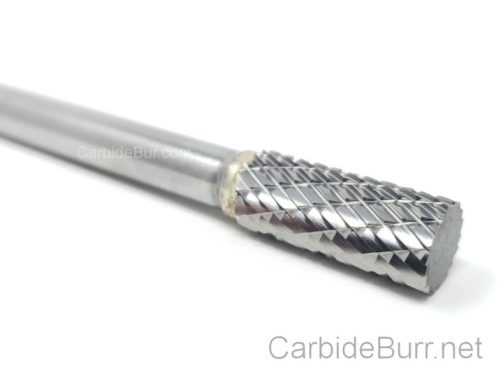
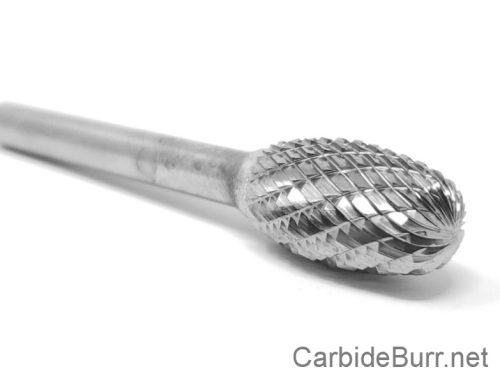
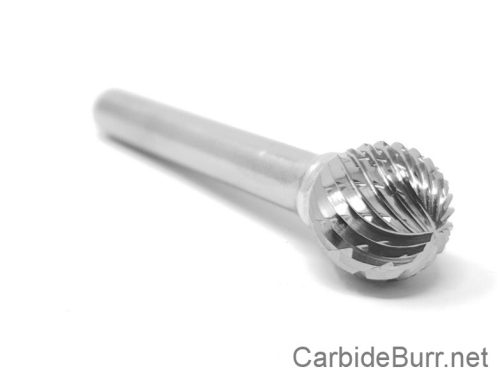
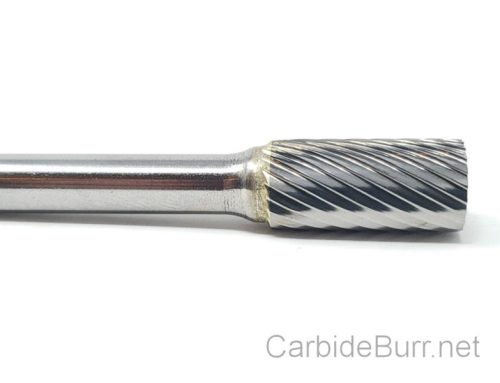
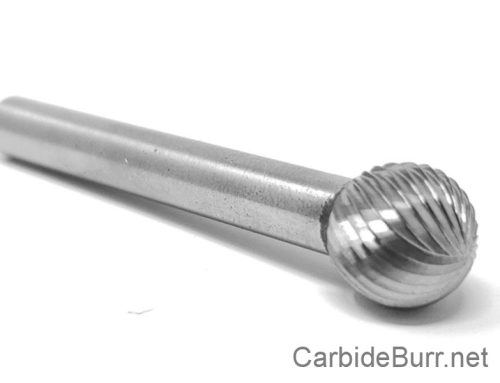
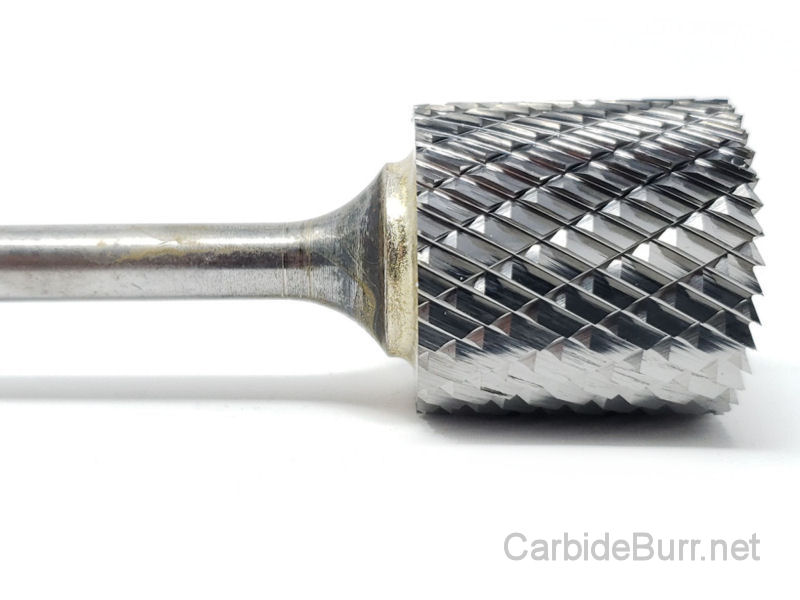
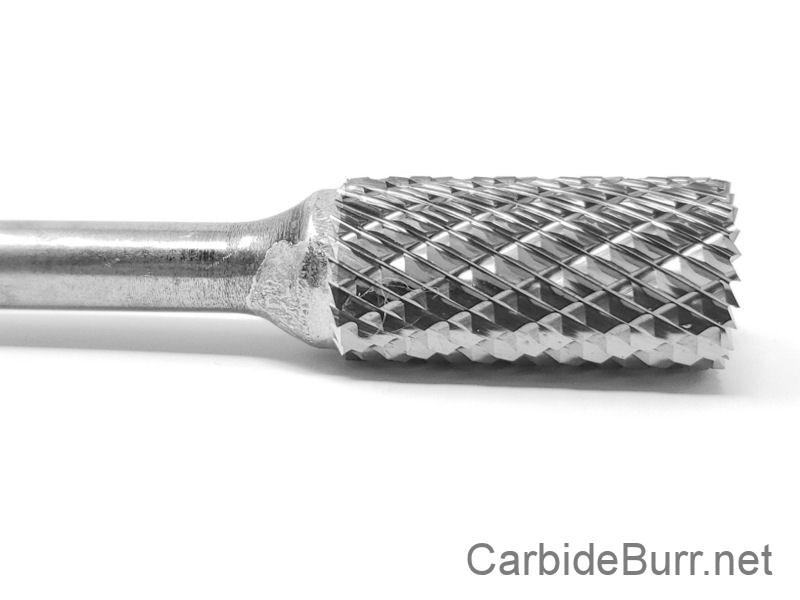
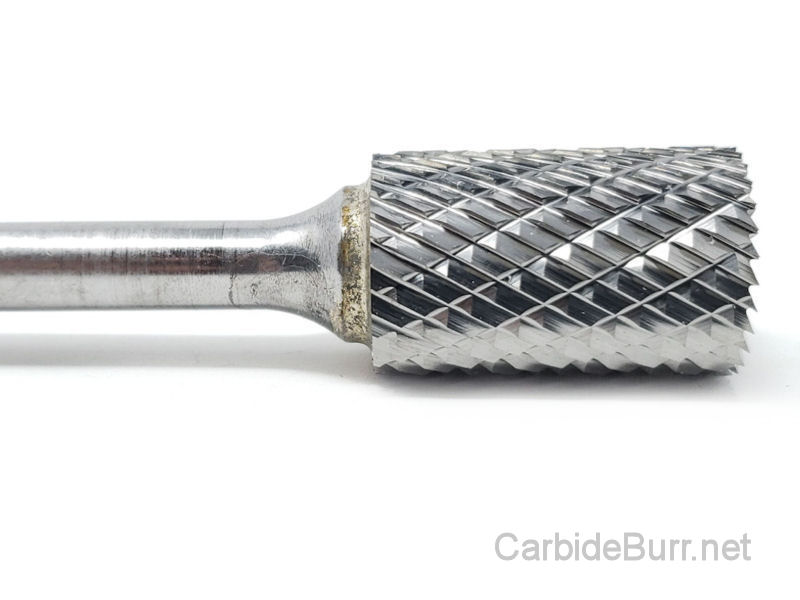
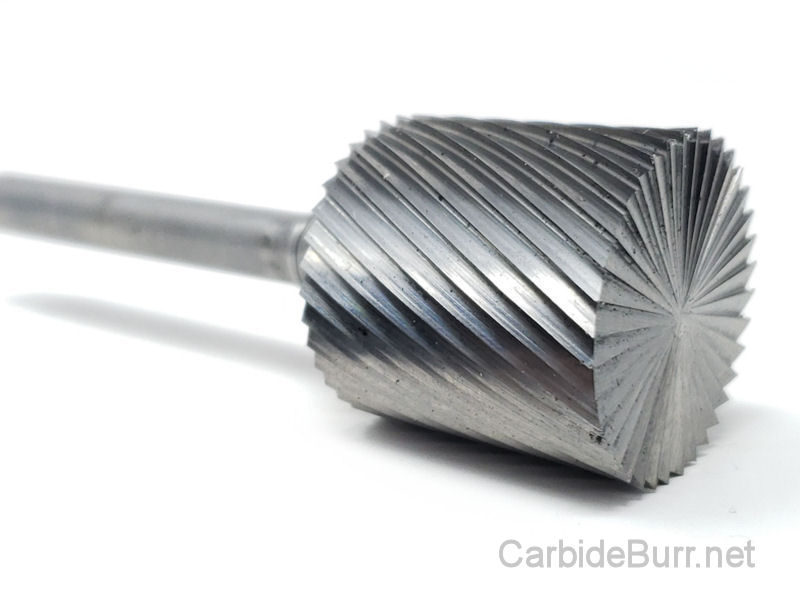
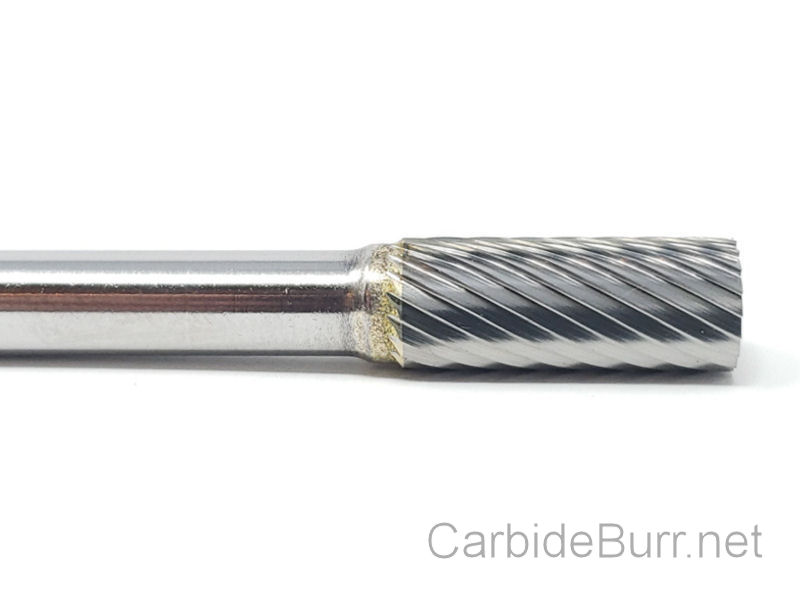
Carbide burrs are small cutting tools used to grind, deburr, and polish materials. They are made from tungsten carbide, a material known for its hardness. This makes them ideal for cutting through tough substances like steel and stone. The design of each burr, with its varied shapes and sizes, caters to specific tasks. Whether you’re smoothing a rough edge or creating intricate details, there’s a carbide burr for the job.
Importance in Machining Applications
In machining, precision is crucial. Carbide burrs offer the accuracy needed for detailed work. They help create smooth surfaces and intricate patterns. This precision is vital in industries like automotive and aerospace, where exactness is non-negotiable. If you’re interested in how carbide burrs assist in automotive repairs, you can learn more here.
Raw Material Selection
Choosing the right materials is the first step in crafting quality carbide burrs. The selection process involves assessing the properties of tungsten carbide. Let’s delve into how these materials form the backbone of durable tools.
The Role of Powder Metallurgy
Powder metallurgy is a key technique in making carbide burrs. It involves pressing tungsten carbide powder into a desired shape and then heating it to form a solid. This method ensures that the burrs are dense and durable. The process allows for creating complex shapes that are hard to achieve with other methods. By understanding powder metallurgy, you can appreciate the engineering behind each burr. For a deeper dive into this subject, explore this resource.
Choosing the Right Materials
The success of carbide burrs largely depends on material choice. Tungsten carbide is chosen for its toughness and heat resistance. This material can withstand the friction and pressure of high-speed cutting. By selecting high-quality raw materials, manufacturers ensure that the burrs are resilient and long-lasting. It’s this careful selection that sets the stage for crafting robust tools.
Techniques in Tool Production
Once materials are selected, the focus shifts to production techniques. This involves processes like sintering, which solidify the burr’s structure. Let’s see how these techniques contribute to crafting precision tools.
Understanding Sintering
Sintering is a vital step in making carbide burrs. It involves heating the shaped powder to just below its melting point. This process binds the particles together, creating a strong and cohesive tool. Sintering enhances the burr’s density, ensuring it can handle intense machining tasks. The outcome is a tool that offers both strength and precision.
Crafting Precision Tools
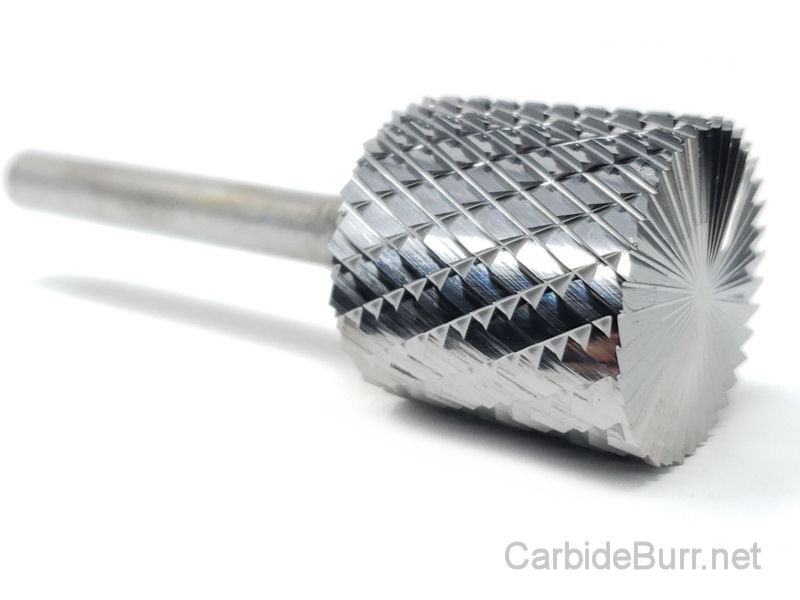
Crafting precision tools requires skill and expertise. Each carbide burr undergoes meticulous shaping and finishing. The aim is to meet strict tolerances that ensure consistent performance. Skilled craftsmen fine-tune each burr, focusing on details that impact functionality. This dedication to precision results in tools that deliver reliable results in demanding applications.
Quality Control Measures
Quality control is critical in ensuring that every carbide burr meets high standards. It involves a series of tests and inspections. Let’s explore the measures that guarantee consistent quality.
Ensuring Consistent Quality
Maintaining quality starts with rigorous checks at each production stage. Manufacturers implement stringent controls to monitor every step, from material selection to final inspection. These measures help identify defects early, preventing subpar products from reaching customers. Consistent quality ensures that every burr performs as expected, providing reliability that users can trust.
Testing and Inspection Procedures
Testing and inspection are integral to quality assurance. Each carbide burr undergoes thorough testing for hardness, shape, and performance. Inspection involves visual checks and precise measurements. These procedures verify that the tools meet design specifications. By ensuring that only high-quality burrs leave the factory, manufacturers uphold their commitment to excellence.
Conclusion: Craftsmanship and Performance
The journey from raw material to finished carbide burr is one of craftsmanship and precision. Each step in the manufacturing process contributes to the tool’s performance and reliability.
The Art of Tool Manufacturing
Crafting carbide burrs is an art that combines science and skill. The process involves careful planning, meticulous execution, and a commitment to quality. This artistry ensures that each tool is more than just a product; it’s a testament to human ingenuity.
Reliability in Precision Applications
Precision applications demand tools that deliver consistent results. Carbide burrs meet this need with their robust design and precise craftsmanship. Their reliability makes them indispensable in achieving flawless finishes and detailed work in various industries.
Frequently Asked Questions
What are carbide burrs used for?
Carbide burrs are used for cutting, grinding, and shaping hard materials. They are essential in machining applications for creating smooth surfaces and intricate designs.
How are carbide burrs made?
Carbide burrs are made using powder metallurgy and sintering techniques. The process involves pressing tungsten carbide powder into shapes and heating to form solid, durable tools.
Why is tungsten carbide used in burrs?
Tungsten carbide is chosen for its hardness and heat resistance. It allows carbide burrs to withstand the high-speed cutting and friction involved in machining tasks.
What ensures the quality of carbide burrs?
Quality is ensured through rigorous testing and inspection procedures. Each burr is checked for hardness, shape, and performance to meet strict standards.
Where can I learn more about carbide burr applications?
To explore how carbide burrs are used in different fields, you can visit this informative guide.

Follow Us On Social Media for Special Offers
Facebook – Twitter – Instagram – Youtube
Carbide Burrs on 1/4″ Shanks – Solid Carbide Burrs – 1/4″ Carbide Burrs on 1/8″ Shanks – Long Shank Carbide Burrs – NF Carbide Burrs – Carbide Burr Sets – End Mills – Accessories
Order Tracking – Dropship Carbide Burr Tools – Contact Us – Cut Options – Coupon Codes – Posts
(513) 899-2610
PO Box 197 – Morrow Ohio 45152