How Knife Makers Use Carbide Burrs for Metal Shaping and Grinding
Most knife makers struggle to get smooth contours without wasting time or burning through metal. Using carbide burrs the right way can change that. In this post, you’ll learn how different burr shapes help shape metal profiles, refine handle tangs, and detail components with precision. Plus, tips on controlling material removal and preventing overheating will keep your work clean and sharp. For more insights, check out this guide to precision cutting with carbide burrs.

Do you need a longer reach for your die grinder?
Understanding Carbide Burrs
Carbide burrs are invaluable for metal shaping, offering precision in knife making. These tools give you control over the shaping process, ensuring clean contours and profiles. They’re essential for every metalworker’s toolkit.
Key Metal Shaping Tools
Carbide burrs stand out as versatile metal shaping tools. They are used to grind and deburr metal, ensuring smooth edges and surfaces. Perfect for knife making, they help in creating intricate designs. You’ll find them in various sizes and shapes, each designed for a specific task. The ability to customize metal profiles ensures your creative vision is realized. When selecting burrs, think about the metal type; softer metals might require different burrs than harder ones.
Versatile Burr Shapes
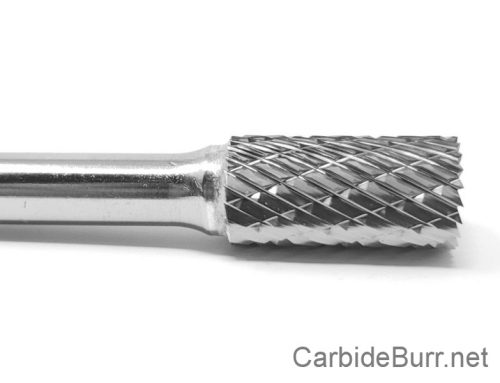
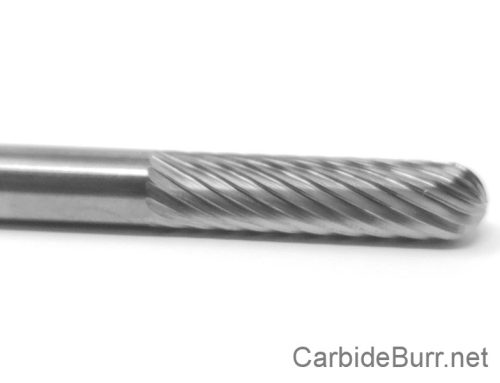
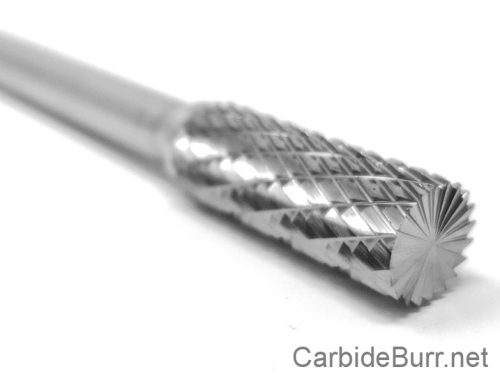
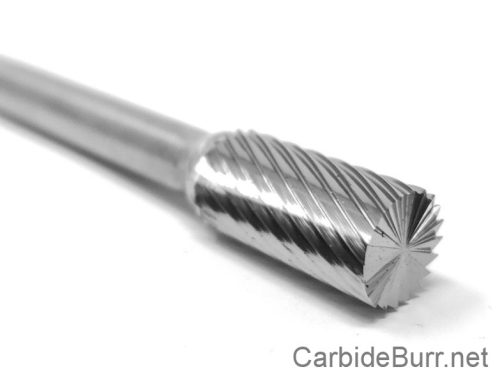
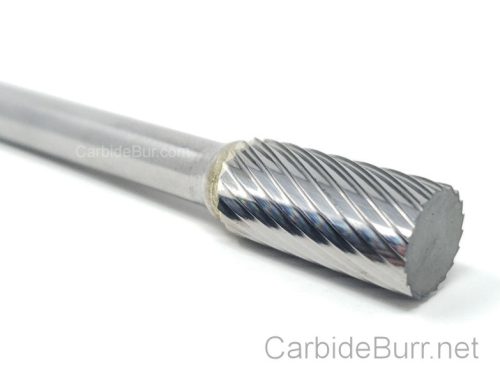
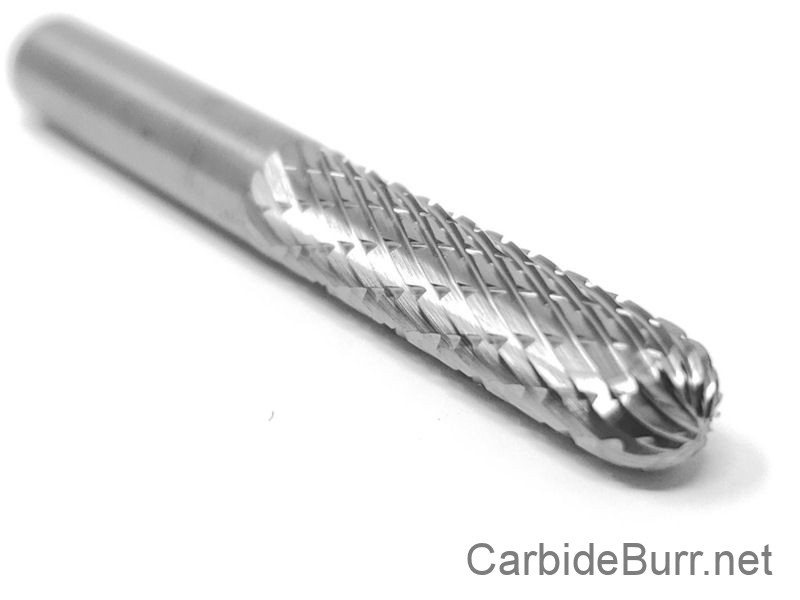
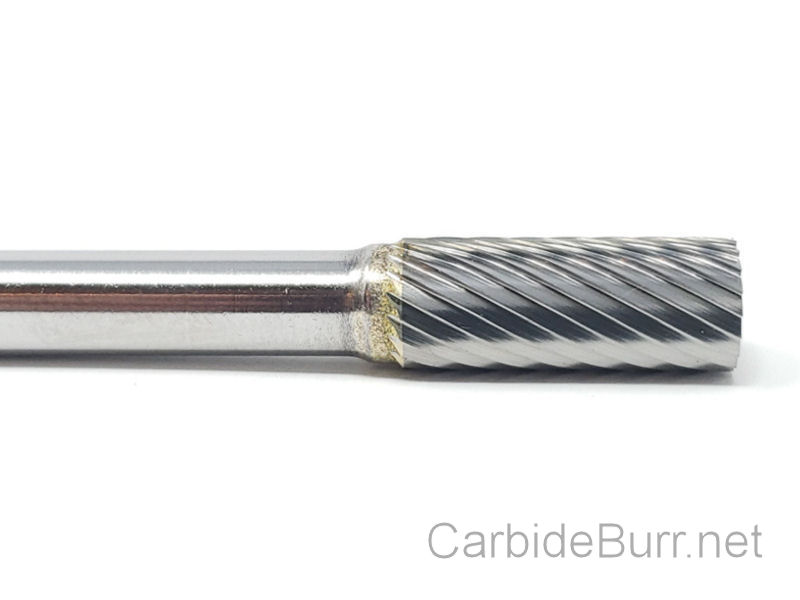
Each burr shape has unique benefits. For instance, cylindrical burrs are great for surface leveling, while ball-shaped burrs help in contouring. If you’re working on intricate details, a pointed burr can be your best friend. Understanding these shapes will enhance your metalwork precision. By choosing the right burr, you can achieve the perfect finish on your projects. Selecting the correct shape is crucial for efficient material removal, leading to a polished outcome.
Material Removal Tips
Controlling material removal is key in metal shaping. To avoid mistakes, apply light pressure and work in stages. This avoids excessive metal loss and maintains work integrity. Regularly check your work to ensure precision. If material builds up, clean the burr to keep it effective. Using a die grinder can enhance control, allowing for finer adjustments. For more on effective material use, visit this beginners guide to using die grinder tool bits.
Shaping Knife Profiles
Carbide burrs are crucial in crafting knife profiles, allowing for detailed shaping and contouring. These tools help you achieve the perfect balance between form and function.
Rough Shaping Techniques
Rough shaping lays the foundation for your knife’s final form. Start with a coarse burr to remove excess material. This step is about setting the overall shape and preparing for finer work. Keeping a steady hand and consistent pressure ensures that the rough shape is symmetrical and balanced. Regularly stepping back to assess your work can prevent misalignments and errors. Begin with broader strokes and gradually focus on specific areas.
Contouring Knife Components
Contouring gives your knife a unique appearance and functionality. Use finer burrs for this phase, focusing on defining the knife’s curves and edges. This step is where your knife begins to take on its final shape. Precision here ensures a comfortable grip and a visually appealing design. It’s a blend of art and science, balancing form with practicality. If you want to learn more about top tools for metal fabrication, explore these insights.
Refining Handle Tangs
Refining handle tangs is a critical step in knife making. It involves detailed metalwork to ensure a secure and comfortable handle fit. Let’s delve into the techniques that make this possible.
Detailed Metal Features
Focusing on detailed features is essential in handle tang refinement. Use pointed burrs for intricate work, ensuring precision and accuracy. This attention to detail makes the difference between a good knife and a great one. By meticulously working on tangs, you guarantee a snug fit for the handle, enhancing the knife’s overall stability and durability. A well-refined tang contributes to a seamless connection between blade and handle.
Overheating Prevention Tips
Overheating can pose a big problem when working with metal. To prevent it, use a coolant and moderate grinding speed. This keeps the metal from losing its temper and ensures a quality finish. Checking the temperature frequently helps you avoid overheating. A simple touch test can signal when to pause and cool the metal. This practice preserves the metal’s strength and integrity, giving you a sharper, more resilient edge.
Burr Shapes and Applications
Understanding burr shapes and their specific applications can drastically improve your knife-making outcomes. Choosing the right tool for the job is crucial in achieving precise metal shaping results.
Choosing the Right Burr
Selecting the right burr depends on your project needs. For aggressive material removal, use a coarse burr. For fine detailing, a smoother, finer burr is appropriate. Each burr type provides distinct advantages, aiding in various stages of knife making. By matching the burr to the task, you ensure efficiency and precision, reducing material waste and enhancing the final product quality. Visit this carbide burr applications guide for more expert advice.
Effective Metal Shaping
Effective metal shaping with burrs requires understanding tool dynamics. Use the correct RPM settings to match your burr type, ensuring optimal performance. Proper handling and consistent pressure lead to better shaping outcomes. Regular maintenance, such as cleaning and replacing worn burrs, ensures long-term usage and consistent results. Mastering burr techniques boosts your craftsmanship, enabling you to create superior knives.
Final Sharpening and Abrasives
The final sharpening phase is where the knife really comes to life. Different from rough shaping, this step involves different tools and techniques to achieve that razor-sharp edge.
Differences from Rough Shaping
Final sharpening differs significantly from rough shaping. Here, finer abrasives are used to hone the edge rather than shape it. This process focuses on refining and perfecting the blade’s cutting edge. The transition from coarse to fine abrasives allows for a polished, sharp finish. Emphasizing precision, this step highlights the craftsmanship involved in knife making.
Selecting Sharpening Tools
Choosing the correct sharpening tools is vital for a sharp edge. Use whetstones or diamond stones for different sharpening stages. Coarser stones shape the edge, while finer stones polish it. Keep your tools clean and well-maintained for consistent results. Regular practice and experimentation help refine your sharpening skills, ensuring every knife you make is both functional and beautiful.
Frequently Asked Questions
What are carbide burrs used for in knife making?
Carbide burrs are used for shaping metal profiles, refining handle tangs, and detailing knife components. They allow for precision work, ensuring smooth and accurate contours.
How do you prevent overheating when using carbide burrs?
Preventing overheating involves using a coolant and working at moderate speeds. Regularly checking the metal’s temperature by touch helps avoid overheating, preserving the metal’s properties.
What burr shape is best for detailed metalwork?
Pointed burrs are ideal for detailed metalwork. They offer precision needed for intricate designs and refining small features in knife making.
How can you achieve a smooth knife finish?
A smooth finish is achieved by progressing from coarse to fine abrasives. This process involves careful material removal and polishing with the right tools to achieve a sharp, refined edge.
Can you use the same burr for different metals?
Different metals may require different burrs. While some burrs can be used across various metals, selecting a burr based on the specific metal can optimize performance and results.

Follow Us On Social Media for Special Offers
Facebook – Twitter – Instagram – Youtube
Carbide Burrs on 1/4″ Shanks – Solid Carbide Burrs – 1/4″ Carbide Burrs on 1/8″ Shanks – Long Shank Carbide Burrs – NF Carbide Burrs – Carbide Burr Sets – End Mills – Accessories
Order Tracking – Dropship Carbide Burr Tools – Contact Us – Cut Options – Coupon Codes – Posts
(513) 899-2610
PO Box 197 – Morrow Ohio 45152