
How to Get Professional Metal Finishes With Carbide Burrs
Most metal finishes fall short because the right burr shapes and sizes aren’t used for the job. If you want a polished finish that looks like it came from a pro, you need more than just the right tools—you need the right technique. This guide shows you how to master carbide burr finishing, focusing on speed, angle, and post-processing methods like sanding and polishing to get surface smoothness that stands out. For more insights, check out this resource.
Selecting the Right Burrs
Choosing the right burr is the first step to a professional finish. Your project results depend on understanding burr shapes, selecting the correct sizes, and matching them to specific applications.
Understanding Burr Shapes
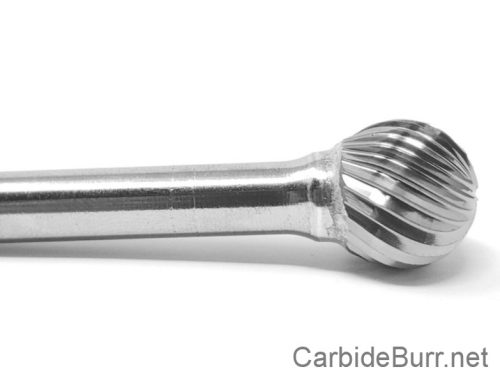
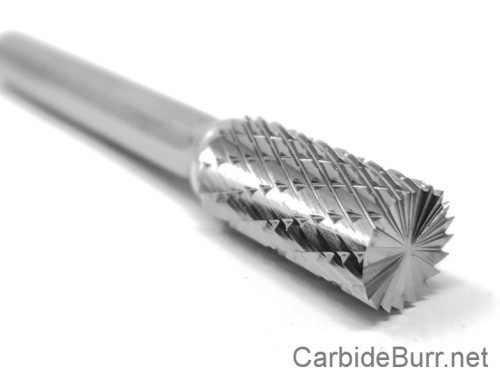
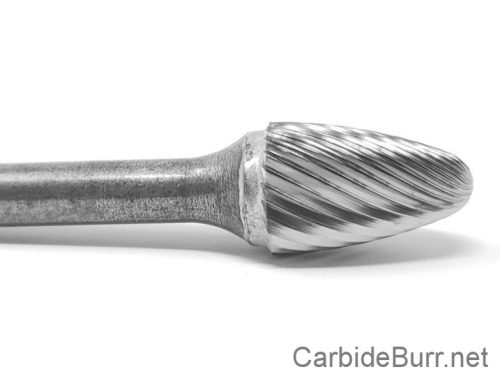
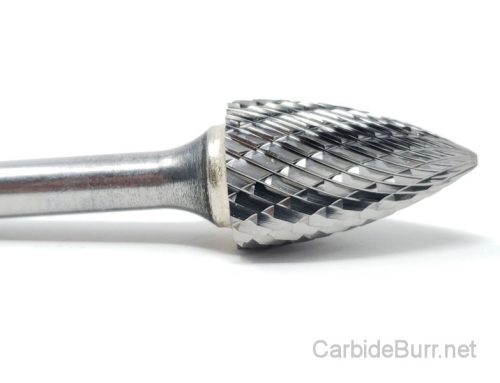
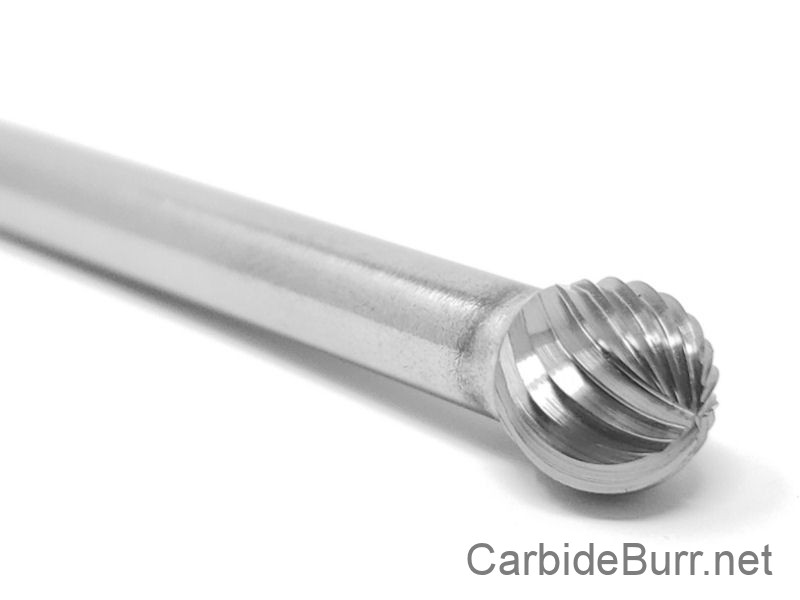
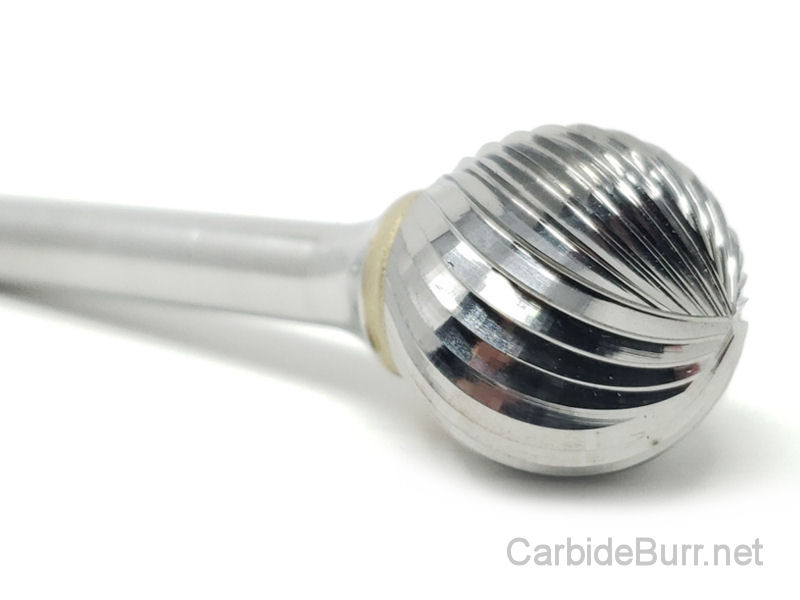
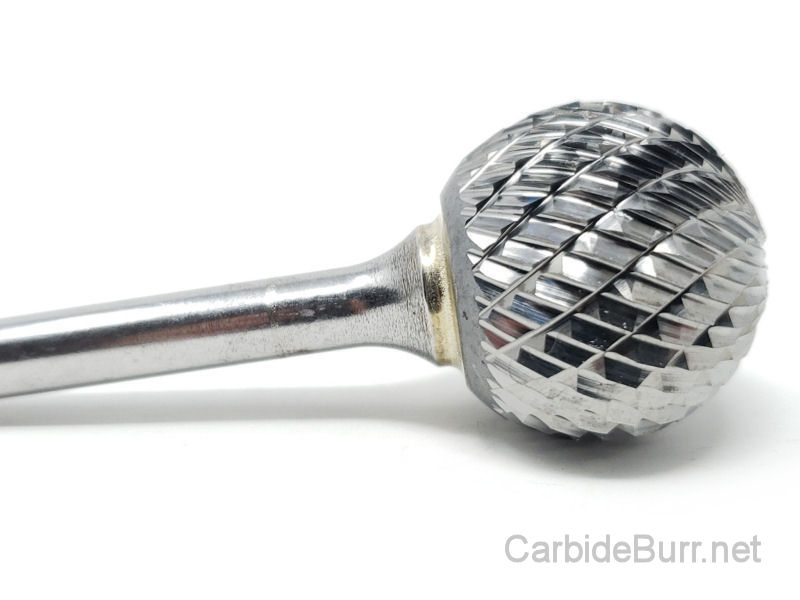
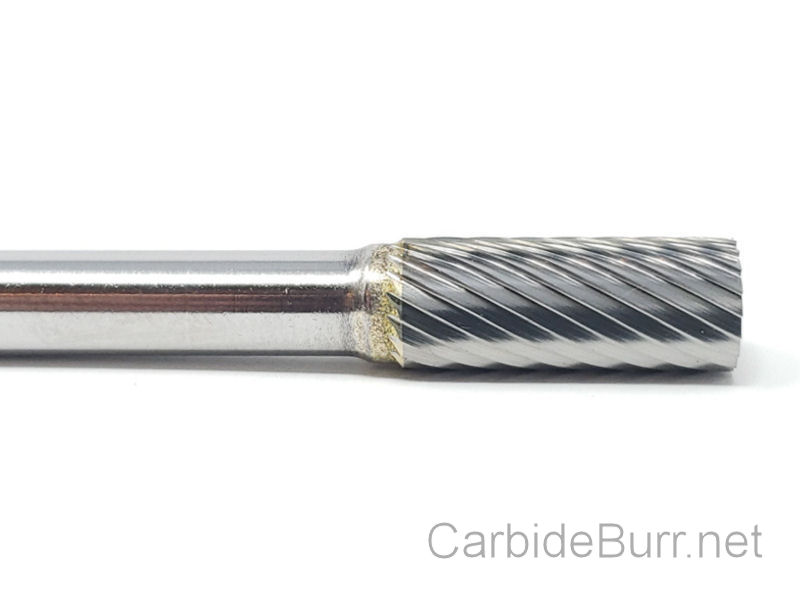
Burr shapes play a crucial role in achieving the desired finish. Each shape is designed for a specific task. For instance, a cylindrical shape is perfect for flat surfaces, while a conical shape works well for deburring edges. Knowing the purpose of each shape helps you pick the right one for your project, saving you time and effort.
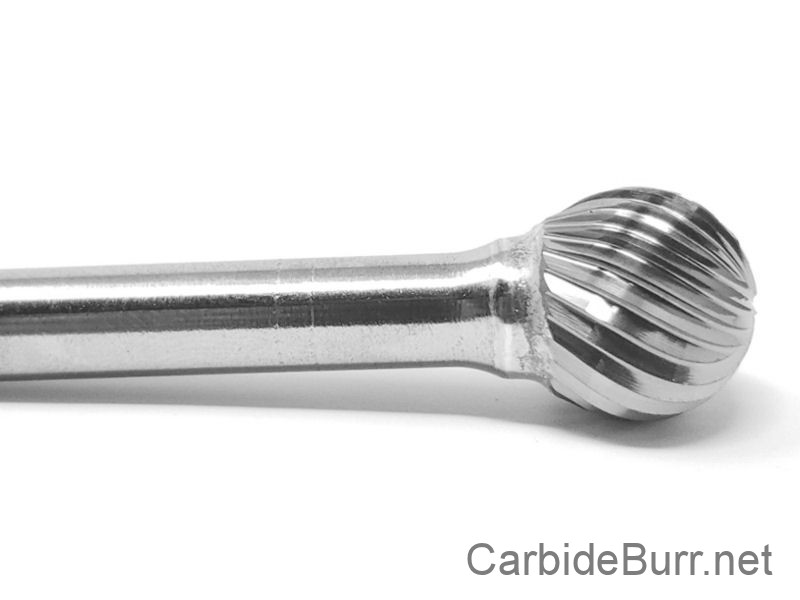
Burr shapes also affect the finish type. Rounded shapes tend to leave smoother finishes, while pointed shapes can create grooves or lines in the material. Beginner’s guide to carbide burrs can help you understand which shapes suit your needs best.
Choosing the Correct Sizes
Size matters when selecting burrs. The size of the burr should match the size of the area you’re working on. Larger burrs cover more surface area quickly but can be harder to control. Smaller burrs offer precision for detailed work.
When in doubt, start with a medium-sized burr to see how it handles the material. Then, adjust to a larger or smaller size based on your project requirements. This strategic approach ensures effective use of your tools.
Matching Burrs to Applications
Different applications call for different burrs. Choose burrs based on the material and task at hand. For example, tougher materials like steel require burrs with harder compositions. Soft materials like aluminum or plastic benefit from softer burrs to avoid damage.
Matching the burr to the application not only enhances the finish quality but also prolongs the life of your tools. Understanding these matches can be a game-changer in your metalworking projects.
Techniques for Optimal Smoothness
Achieving optimal smoothness in your metalwork requires mastering specific techniques. Setting the proper speed, maintaining a consistent angle, and ensuring even pressure are key to a polished outcome.
Setting the Proper Speed
Speed control is critical in metalworking. Too fast, and you risk burning the material. Too slow, and you may not achieve the desired finish. Find the sweet spot by starting slow and gradually increasing the speed.
A consistent speed ensures a uniform finish. Pay attention to the material’s response and adjust as needed. This guide provides more details on mastering speed control with your tools.
Maintaining a Consistent Angle
Angle control is essential for precision. Keeping the burr at a consistent angle prevents gouging and uneven surfaces. It allows for smooth, even passes over the material.
Practice makes perfect. Use a guide or template to help maintain the correct angle, especially if you’re new to carbide burrs. As you gain experience, this will become second nature.
Ensuring Even Pressure
Even pressure results in a flawless finish. Uneven pressure can lead to an inconsistent surface, which is less desirable. Apply gentle, steady pressure to let the burr do the work.
Avoid forcing the tool into the material. This not only damages the workpiece but also increases wear on the burr. Patience and consistency yield the best results.
Enhancing the Finish
Once the initial work is done, it’s time to enhance the finish. Effective sanding techniques, polishing for a professional look, and final touches lead to perfection.
Effective Sanding Techniques
Sanding is crucial for removing any leftover marks. Start with a coarse grit to remove surface imperfections and work your way to a finer grit for smoothness.
Use a light touch and sand in the direction of the grain. This reduces visible scratches and enhances the overall appearance of the metal. For advanced techniques, check out this article.
Polishing for a Professional Look
Polishing gives your metalwork a shine that stands out. Begin with a polishing compound suitable for the metal type. Apply using a soft cloth or buffer in circular motions.
Take your time to ensure every part of the surface is polished. The result is a reflective, professional-grade finish that speaks for itself.
Final Touches for Perfection
Final touches make all the difference. Inspect your work under good lighting to catch any missed spots. Use a clean cloth to wipe away any residue and see the true polished finish.
Consider adding decorative elements or engraving for added flair. These small details can elevate your project from good to exceptional.
Post-Processing Methods
Post-processing ensures your metalwork stays pristine. Cleaning and inspecting, applying protective coatings, and following long-term maintenance tips are essential steps for durability.
Cleaning and Inspecting Metalwork
Regular cleaning removes debris and buildup that can damage the finish. Use a gentle cleaner and a soft cloth to avoid scratching the surface.
Inspect for any signs of wear or damage. Early detection allows for timely repairs, keeping your metalwork in top condition.
Applying Protective Coatings
A protective coating shields the metal from environmental factors. Choose a coating suitable for the metal type and application. Apply evenly and allow it to dry completely.
This step not only protects your work but also enhances its appearance, giving it a longer lifespan and better resistance to the elements.
Long-term Maintenance Tips
Proper maintenance extends the life of your metalwork. Regularly clean and reapply protective coatings as needed. Store tools and finished pieces in a dry, safe place.
By following these maintenance tips, you ensure your work remains as beautiful as the day it was finished, retaining its professional appeal.
Advanced Tips for Professionals
For those looking to refine their skills further, advanced tips are invaluable. Troubleshooting common issues, expanding your toolset, and staying updated with trends are key to continuous improvement.
Troubleshooting Common Issues
Every metalworker faces challenges. Common issues include burr chatter, uneven finishes, and material damage. Identifying and correcting these problems requires keen observation and experience.
Document your process and note what works and what doesn’t. This personal log can be a helpful reference for future projects, enabling you to tackle challenges more efficiently.
Expanding Your Toolset
A diverse toolset allows for more creative possibilities. Invest in high-quality burrs and accessories that offer different capabilities. This variety enables you to work on a wider range of projects.
Experiment with new tools and techniques to expand your skills and adapt to evolving metalworking demands.
Staying Updated with Trends
The metalworking field is always evolving. Stay informed about new techniques, tools, and materials. Join forums, attend workshops, and connect with fellow metalworkers.
Keeping up with trends ensures you remain competitive and innovative in your craft. Your continued education and adaptability will set you apart in the industry.
Frequently Asked Questions
What are carbide burrs used for?
Carbide burrs are tools used in metalworking for cutting, shaping, grinding, and finishing hard materials. They offer precision and control, making them ideal for detailed work.
How do I choose the right burr size?
Select a burr size based on the material and area you are working on. Larger sizes cover more surface area, while smaller sizes offer precision. Test different sizes to find the best fit for your project.
Why is angle control important?
Maintaining a consistent angle prevents damage and ensures a smooth finish. It allows for precise control over the burr’s movement, improving the quality of your work.
What is the benefit of using a protective coating?
Protective coatings shield metalwork from environmental damage and wear. They enhance the appearance and durability of the piece, ensuring it remains in excellent condition over time.
How can I stay updated with metalworking trends?
Join online forums, attend workshops, and follow industry publications. Engaging with the metalworking community keeps you informed of the latest techniques and tools.
Follow Us On Social Media for Special Coupons
Facebook – Twitter – Instagram – Youtube
Carbide Burrs on 1/4″ Shanks – Solid Carbide Burrs – 1/4″ Carbide Burrs on 1/8″ Shanks – Long Shank Carbide Burrs – NF Carbide Burrs – Carbide Burr Sets – End Mills – Accessories
Order Tracking – Dropship Carbide Burr Tools – Contact Us – Cut Options – Coupon Codes – Posts
(513) 899-2610
PO Box 197 – Morrow Ohio 45152