The Ultimate Guide to Deburring: Essential Tools and Safety Tips
Most metal projects stall because of rough, uneven edges that spoil the finish. Getting rid of those burrs can feel like guesswork without the right tools and techniques. This guide lays out clear deburring techniques and metalworking tips to help you remove burrs from metal with confidence and safety, so your final product looks sharp and professional every time. Learn more about effective deburring tools here.
Essential Deburring Tools
Every successful metal project begins with the right tools. Without them, achieving a professional finish can be challenging.
Must-Have Carbide Burrs
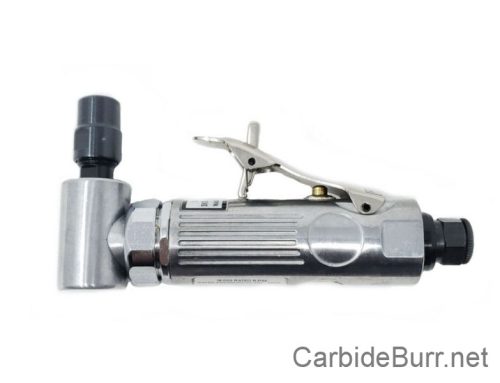
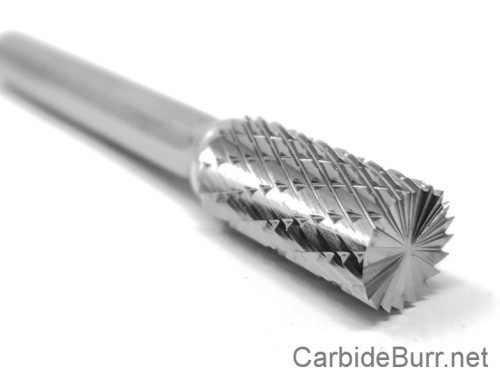
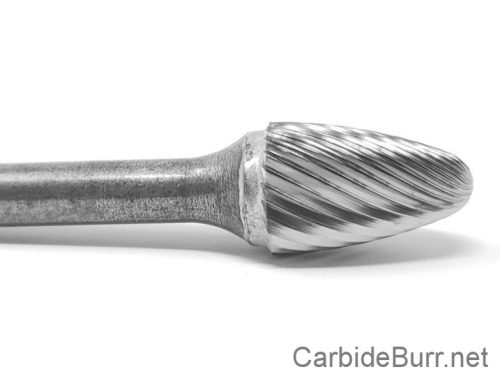
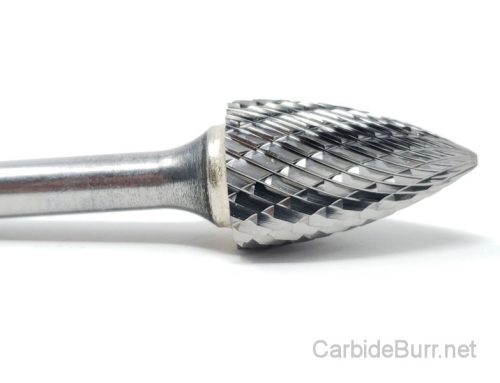
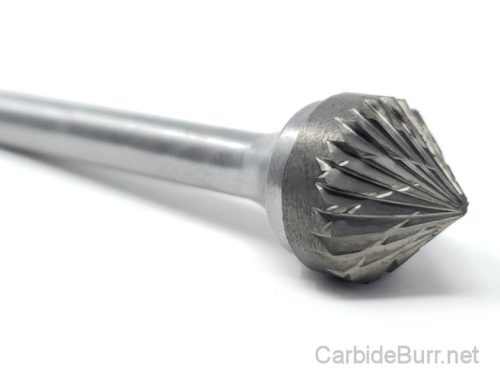
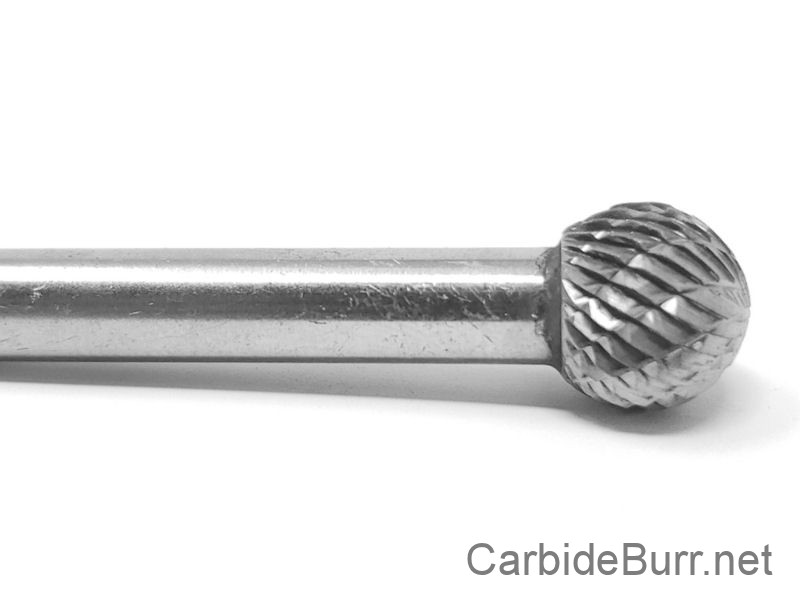
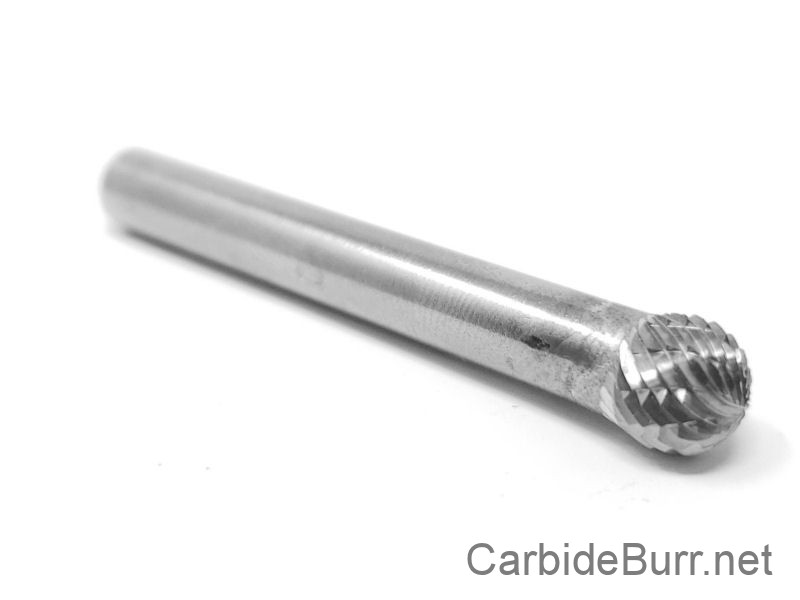
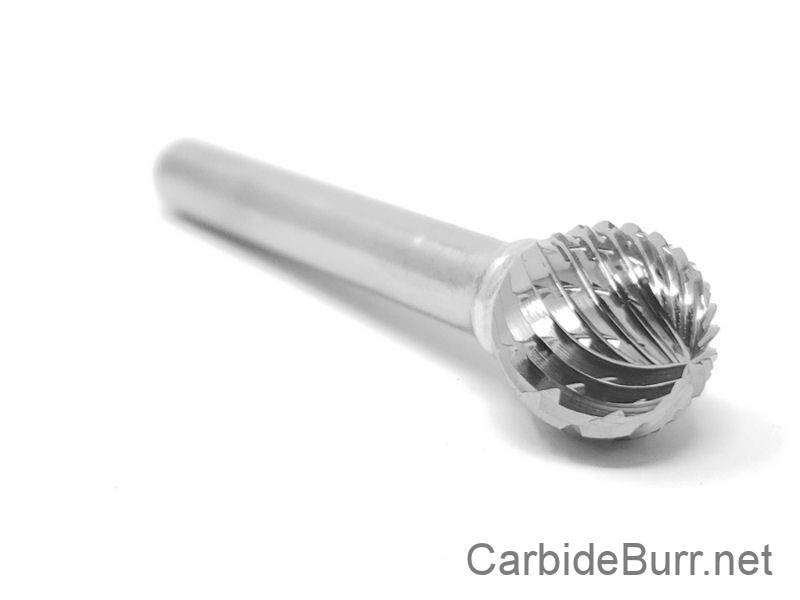
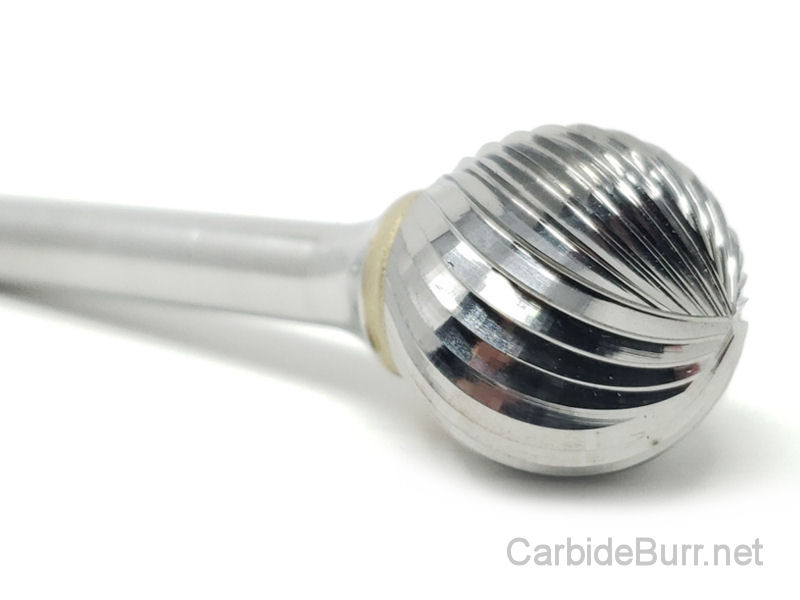
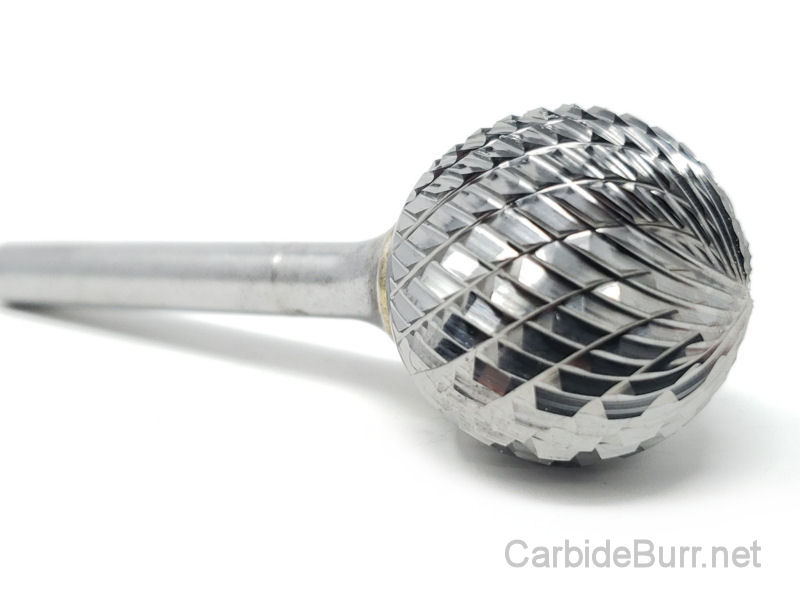
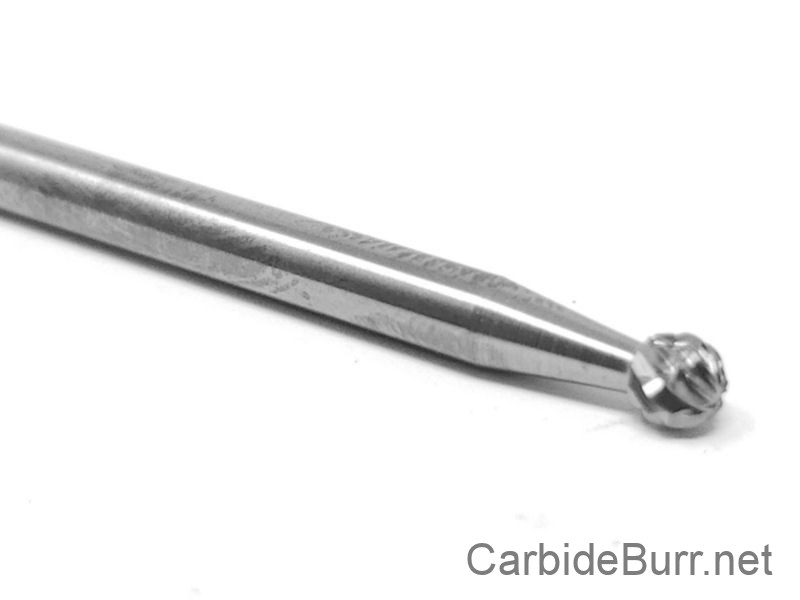
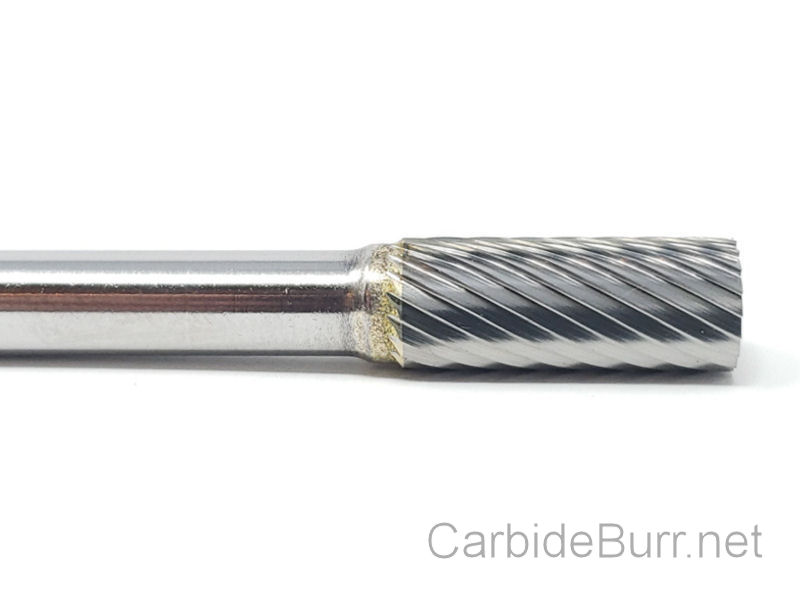
Carbide burrs are critical for any metalworking enthusiast. These small tools, often used in rotary tools, help remove sharp edges and provide smooth finishes. You can find them in various shapes and sizes, each designed for specific tasks. Whether you need to carve intricate details or smooth out broad surfaces, choosing the right burr is essential. Many who work with metal find carbide burrs indispensable due to their durability and precision. For a deeper understanding, explore bringing fine details to life with carbide burrs.
Best Files for Metalwork
Files are another must-have in your toolkit. They are perfect for refining and smoothing metal edges. Different types of files serve various purposes, from rasps to mill files. The key is selecting the right one for your job. For instance, flat files work well on broad surfaces, while round files are suited for curves and internal corners. Regular use of files can dramatically improve the quality of your metal projects, ensuring a polished, professional finish.
Sanding Techniques for Metal
Sanding is a crucial part of the deburring process. It involves using abrasive papers or belts to smooth out irregularities. When sanding metal, start with a coarse grit to remove prominent burrs, then gradually move to finer grits for a polished surface. Effective sanding techniques can transform your metalwork, minimizing imperfections and enhancing shine. Remember, patience and consistency are key when sanding.
Step-by-Step Deburring Techniques
Mastering deburring techniques ensures your metalwork is clean and precise. Here’s how to get started.
Preparing Metal Surfaces
Before you begin deburring, proper preparation is vital. This involves cleaning the metal to remove any dirt or residue. Use a degreasing agent or simply wash with soap and water. Once clean, ensure the metal is dry before proceeding. Prepping the surface helps the tools work more effectively, reducing wear and tear and ensuring smoother results.
Removing Burrs from Metal
To effectively remove burrs, follow a systematic approach. First, identify the areas with the most significant imperfections. Use your carbide burrs to chip away at these sections, applying even pressure for consistency. Once the major burrs are removed, switch to files or sanding techniques to refine the edges. This method ensures you achieve a smooth, professional finish.
Metal Finishing Methods
Finishing is the final step in the deburring process. After removing burrs, the focus shifts to enhancing the metal’s appearance. This can involve polishing or applying protective coatings. Polishing adds shine while coatings can protect against rust and wear. Choosing the right finishing method depends on your project’s requirements and desired outcome.
Safety in Metalworking
Safety should never be an afterthought in metalworking. Protecting yourself and your workspace is crucial.
Protective Gear Essentials
When working with metal, wearing protective gear is non-negotiable. Essential items include safety glasses, gloves, and ear protection. Glasses shield your eyes from flying debris, gloves protect your hands from sharp edges, and ear protection minimizes noise exposure. Investing in quality gear can prevent accidents and injuries, ensuring you work safely.
Ensuring Safe Workspaces
A clean, organized workspace contributes to safer working conditions. Remove clutter and ensure tools are stored properly. Good lighting is also crucial, allowing you to see clearly and avoid mistakes. Regularly inspect your equipment for wear and tear, replacing any damaged items promptly. A well-maintained workspace supports both safety and efficiency.
Best Practices for Accuracy
Accuracy in metalworking comes down to careful planning and execution. Before starting, double-check measurements and tool settings. Take your time during each step, avoiding any rushed work that could lead to errors. Consistently practicing these best practices will enhance your accuracy, resulting in higher quality work.
Expert Metalworking Tips
Experience in metalworking brings valuable insights. Here are some expert tips to elevate your craft.
Achieving Professional Results
To achieve professional results, focus on consistency and attention to detail. Even the smallest imperfections can stand out on a metal surface. Regularly check your progress and make adjustments as needed. This dedication pays off in the end, with projects that reflect skill and precision.
Common Mistakes to Avoid
Mistakes are part of learning, but some common pitfalls can easily be avoided. Overlooking safety, rushing techniques, and ignoring tool maintenance can all lead to poor outcomes. Being mindful of these errors ensures smoother operations and better results.
Enhancing Your Metalworking Skills
Improving your skills requires practice and a willingness to learn. Try new techniques, experiment with different tools, and seek feedback on your work. As you refine your abilities, you’ll notice a significant improvement in the quality of your projects.
Choosing the Best Deburring Tools
Selecting the right tools can make all the difference in your metalworking projects.
Comparing Tool Types
Understanding the differences between various deburring tools is crucial. Carbide burrs, files, and sanders each have unique strengths. For instance, burrs offer precision, files provide control, and sanders deliver smooth finishes. Weighing these options helps you choose the right tool for each task.
Selecting the Right Tool for Your Project
The tool you select for deburring should match the project’s requirements. Consider factors like material type, project size, and desired finish. By aligning your tool choice with your project needs, you ensure efficiency and quality in your work.
Maintenance and Care Tips
Proper maintenance of your tools extends their lifespan and performance. Regularly clean and inspect them for signs of wear. Sharpen blades when needed and store tools in a dry, safe place. Caring for your equipment keeps it in top condition, ready for your next project.
Frequently Asked Questions
What are the best tools for deburring metal?
The best tools for deburring metal include carbide burrs, files, and sanding tools. Each offers unique benefits: burrs for precision, files for detailed work, and sanders for smooth finishes.
How do I safely remove burrs from metal?
To safely remove burrs, use protective gear and follow a systematic approach. Start with carbide burrs for large imperfections, then refine with files or sanding techniques. Always work in a well-lit, organized space.
Why is it important to maintain deburring tools?
Maintaining deburring tools is crucial because it extends their lifespan and ensures optimal performance. Regular cleaning, sharpening, and proper storage prevent wear and maintain effectiveness.
Follow Us On Social Media for Special Coupons
Facebook – Twitter – Instagram – Youtube
Carbide Burrs on 1/4″ Shanks – Solid Carbide Burrs – 1/4″ Carbide Burrs on 1/8″ Shanks – Long Shank Carbide Burrs – NF Carbide Burrs – Carbide Burr Sets – End Mills – Accessories
Order Tracking – Dropship Carbide Burr Tools – Contact Us – Cut Options – Coupon Codes – Posts
(513) 899-2610
PO Box 197 – Morrow Ohio 45152