Using Carbide Burrs for Automotive Exhaust Fabrication and Port Cleanup
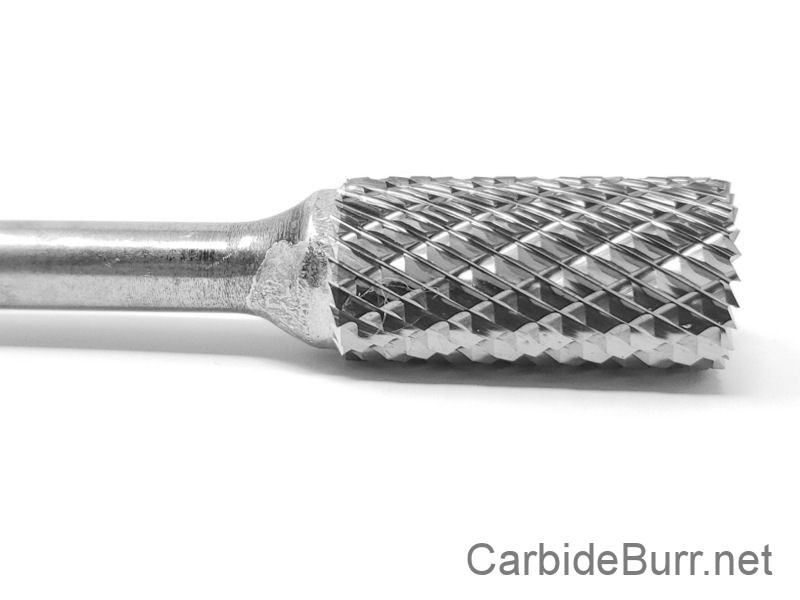
Most exhaust mods stall because the ports and flanges aren’t shaped right. If you’re working with steel, stainless steel, or cast iron, the right tools matter more than you think. Carbide burrs for exhaust work cut through weld buildup and smooth manifolds faster, helping you hit that sweet spot in exhaust system performance and back pressure reduction. Keep reading to learn how these tools make custom exhaust fabrication and engine exhaust cleanup precise and effective. For more insights, explore The Science of Smooth: Harnessing Carbide Burs for Superior Combustion Efficiency.

Do you need a longer reach for your die grinder?
Importance of Carbide Burrs
Carbide burrs are game-changers for those serious about exhaust work. Whether you’re optimizing performance or reducing back pressure, these tools deliver precision.
Enhancing Exhaust System Performance
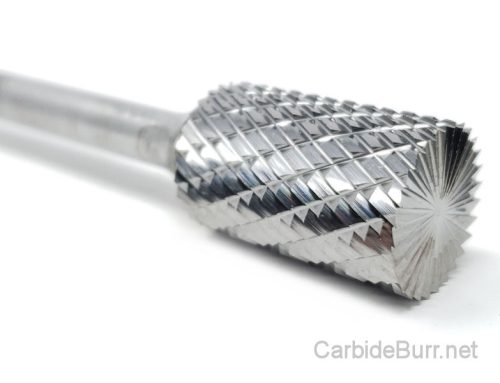
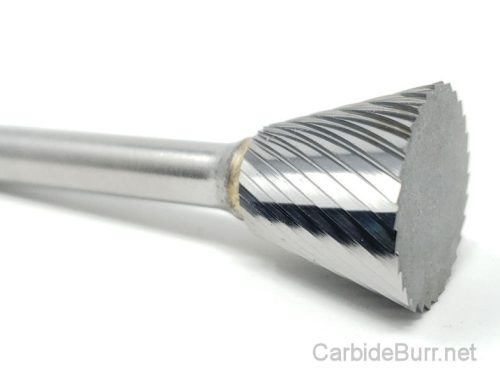
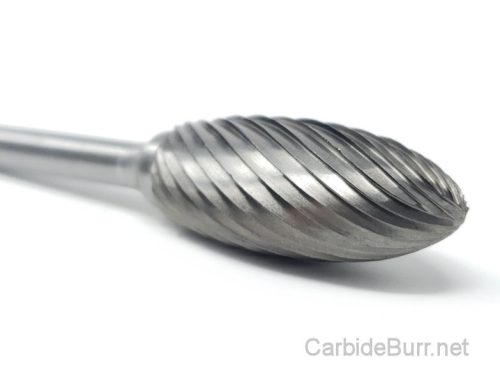
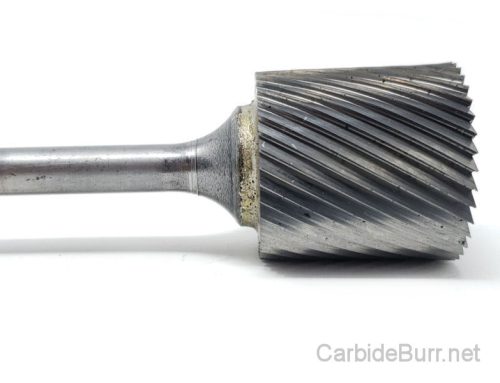
Carbide burrs can significantly improve exhaust system performance. By reshaping exhaust ports, they ensure smoother airflow, enhancing engine output. This process is vital for those seeking that extra horsepower. When you modify exhaust ports with carbide burrs, you not only increase airflow but also boost engine efficiency. This translates to better fuel consumption and power delivery. Many enthusiasts find that using the right burr shapes can make a noticeable difference in performance. For further tips, check out this guide on carbide burr shapes.
Reducing Back Pressure
Reducing back pressure is crucial for optimal exhaust function. Carbide burrs help by smoothing out rough surfaces and removing excess material. This allows exhaust gases to flow freely, enhancing performance. Back pressure reduction leads to a responsive throttle and improved engine sound. Most people think back pressure is unavoidable, but with the right tools, it can be minimized. This process also reduces engine stress, potentially extending its lifespan. Discover more about carbide burr cutting techniques here.
Techniques for Exhaust Modification
With a solid understanding of carbide burrs, you can now explore specific techniques for exhaust modification. These techniques help to refine and perfect exhaust components.
Exhaust Port Modification
Exhaust port modification is a key step in improving exhaust flow. By using carbide burrs, you can precisely shape the ports to maximize airflow. This involves careful material removal to achieve the desired port size. The technique requires patience and skill but offers substantial performance gains. When ports are properly modified, they contribute to better engine breathing. This translates to more power and efficiency. For those new to this, starting with basic burr shapes is recommended.
Manifold Smoothing
Manifold smoothing is another essential technique that benefits from carbide burrs. By smoothing the manifold surfaces, you eliminate rough spots that disrupt airflow. This process involves gently removing imperfections and polishing the surface. A smooth manifold supports efficient exhaust flow, reducing back pressure. This not only enhances performance but also contributes to a cleaner engine sound. Many fabricators consider manifold smoothing a must for performance tuning.
Applications in Metal Work
Carbide burrs aren’t just for exhaust systems. They have versatile applications in metal work, especially with materials like steel, stainless steel, and cast iron.
Steel and Stainless Steel
Working with steel and stainless steel demands precision. Carbide burrs are perfect for shaping and smoothing these tough materials. They are ideal for removing welds and refining metal surfaces. Steel requires specific burr shapes for optimal results, while stainless steel benefits from burrs that resist heat buildup. With the right techniques and tools, you can achieve a professional finish.
Cast Iron Considerations
Cast iron presents unique challenges, but carbide burrs handle it effectively. The material’s hardness requires durable tools that can withstand wear. Carbide burrs excel in removing material smoothly and efficiently. When working with cast iron, it’s important to maintain a steady hand to avoid fracturing the material. This ensures a clean finish and optimal exhaust system performance.
Custom Exhaust Fabrication
Custom exhaust fabrication requires a keen eye and the right tools. Carbide burrs are crucial for creating bespoke exhaust solutions that enhance engine performance.
Header Work Essentials
Headers play a significant role in exhaust efficiency. Using carbide burrs, you can shape and smooth header tubes for improved flow. This process involves carefully selecting the right burr shape for each section. Proper header work ensures that exhaust gases exit swiftly, reducing engine back pressure. Many fabricators find that investing time in header work yields significant performance improvements.
Engine Exhaust Cleanup
Cleaning up the engine exhaust is essential for maintaining performance. Carbide burrs are perfect for removing carbon deposits and smoothing exhaust ports. This cleanup process helps maintain optimal airflow and prevents engine blockages. Regular maintenance with carbide burrs ensures that your engine runs smoothly and efficiently. This step is often overlooked, but it is vital for peak performance.
Best Practices for Optimal Results
To achieve the best results with carbide burrs, follow these best practices. They ensure that your exhaust work is precise and effective.
Flange Cleaning Tips
Cleaning flanges is crucial for a secure exhaust fit. Carbide burrs can efficiently remove rust and debris from flanges. This ensures a tight seal and prevents exhaust leaks. A clean flange contributes to better exhaust system performance and longevity. Make sure to select the right burr shape for the job.
Weld Buildup Removal
Weld buildup can obstruct exhaust flow. Carbide burrs are ideal for removing excess weld material and smoothing the surface. This process requires a steady hand and careful attention to detail. By removing weld buildup, you enhance the exhaust system’s efficiency and overall performance. It’s a small step that makes a big difference.
Frequently Asked Questions
What are carbide burrs used for in automotive applications?
Carbide burrs are used to modify exhaust ports, smooth manifold openings, clean up flanges, and remove weld buildup. They are essential for optimizing exhaust flow and enhancing engine performance.
How do carbide burrs improve exhaust system performance?
Carbide burrs improve performance by precisely shaping exhaust components. This enhances airflow, reduces back pressure, and results in better engine efficiency and sound quality.
Can carbide burrs be used on all types of metals?
Yes, carbide burrs are versatile and can be used on various metals, including steel, stainless steel, and cast iron. They are durable and efficient for metalwork applications.
Why is manifold smoothing important?
Manifold smoothing eliminates rough surfaces that disrupt exhaust flow. This reduces back pressure and enhances overall engine performance, resulting in a cleaner engine sound.
How often should exhaust cleanup be done using carbide burrs?
Regular exhaust cleanup with carbide burrs helps maintain optimal performance. It should be done as part of routine maintenance to ensure efficient gas flow and prevent blockages.

Follow Us On Social Media for Special Offers
Facebook – Twitter – Instagram – Youtube
Carbide Burrs on 1/4″ Shanks – Solid Carbide Burrs – 1/4″ Carbide Burrs on 1/8″ Shanks – Long Shank Carbide Burrs – NF Carbide Burrs – Carbide Burr Sets – End Mills – Accessories
Order Tracking – Dropship Carbide Burr Tools – Contact Us – Cut Options – Coupon Codes – Posts
(513) 899-2610
PO Box 197 – Morrow Ohio 45152